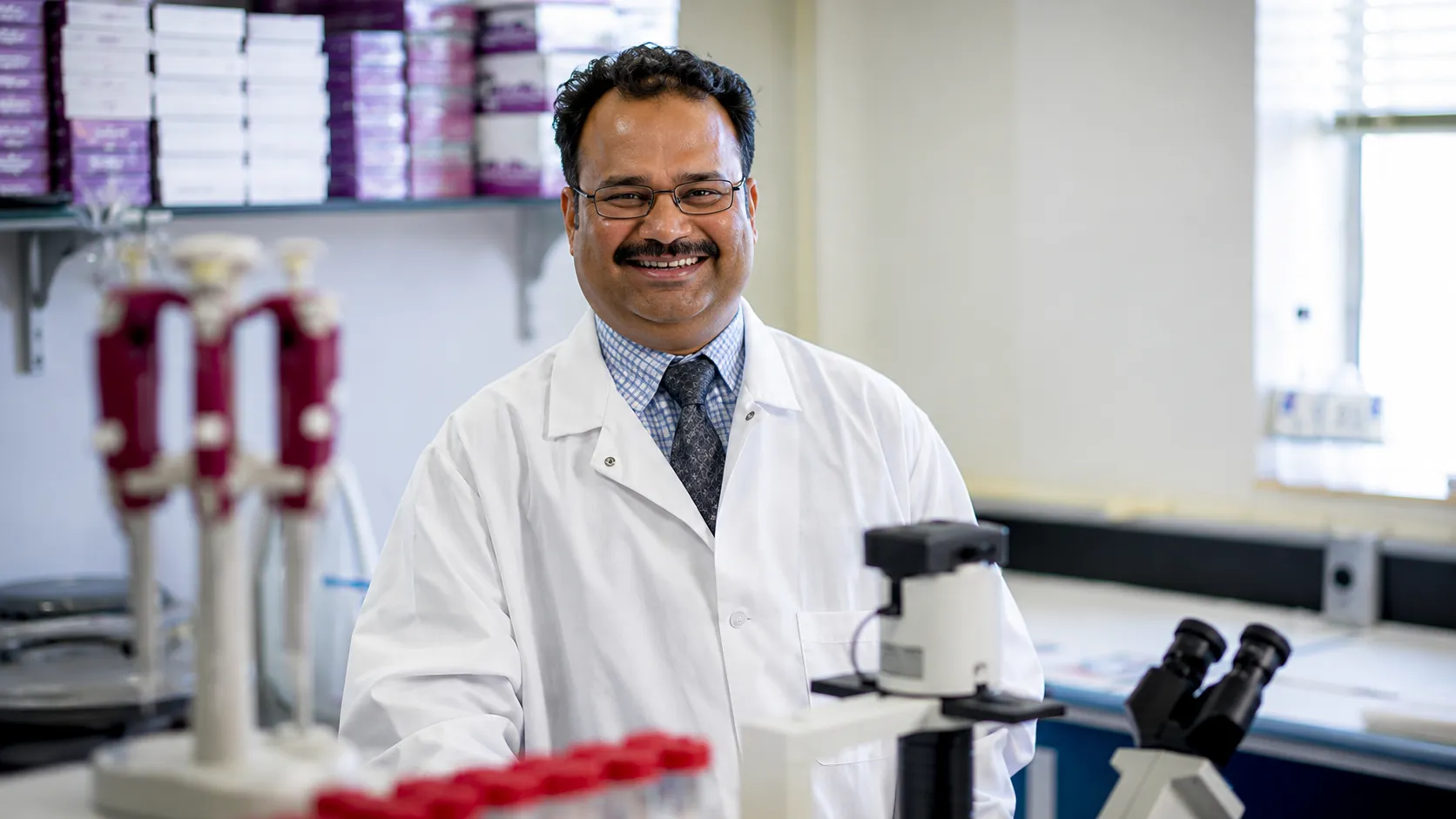
For more than two decades, Dr. Manoj Mishra has built a research and teaching career at the intersection of two fields that rarely get discussed together in the same breath: cutting-edge cancer immunology and the deliberate, sustained mentorship of students at a historically Black college or university. This year, that dual commitment has earned him a seat at the national table of American immunology's most influential professional body.
Mishra, a Professor of Biology at Alabama State University and Director of the university's Cancer Biology Research and Training Program, has joined a national committee of the American Association of Immunologists (AAI), the largest and most prestigious professional association of immunologists in the world, representing more than 7,700 members across 71 countries. The appointment places Mishra inside the governance structure of an organization whose committees oversee the AAI's annual meeting, its introductory and advanced courses in immunology, a wide range of professional achievement and career development awards, and the association's public education and public affairs activities — work that shapes how the discipline trains, recognizes, and advances immunologists at every career stage nationally.
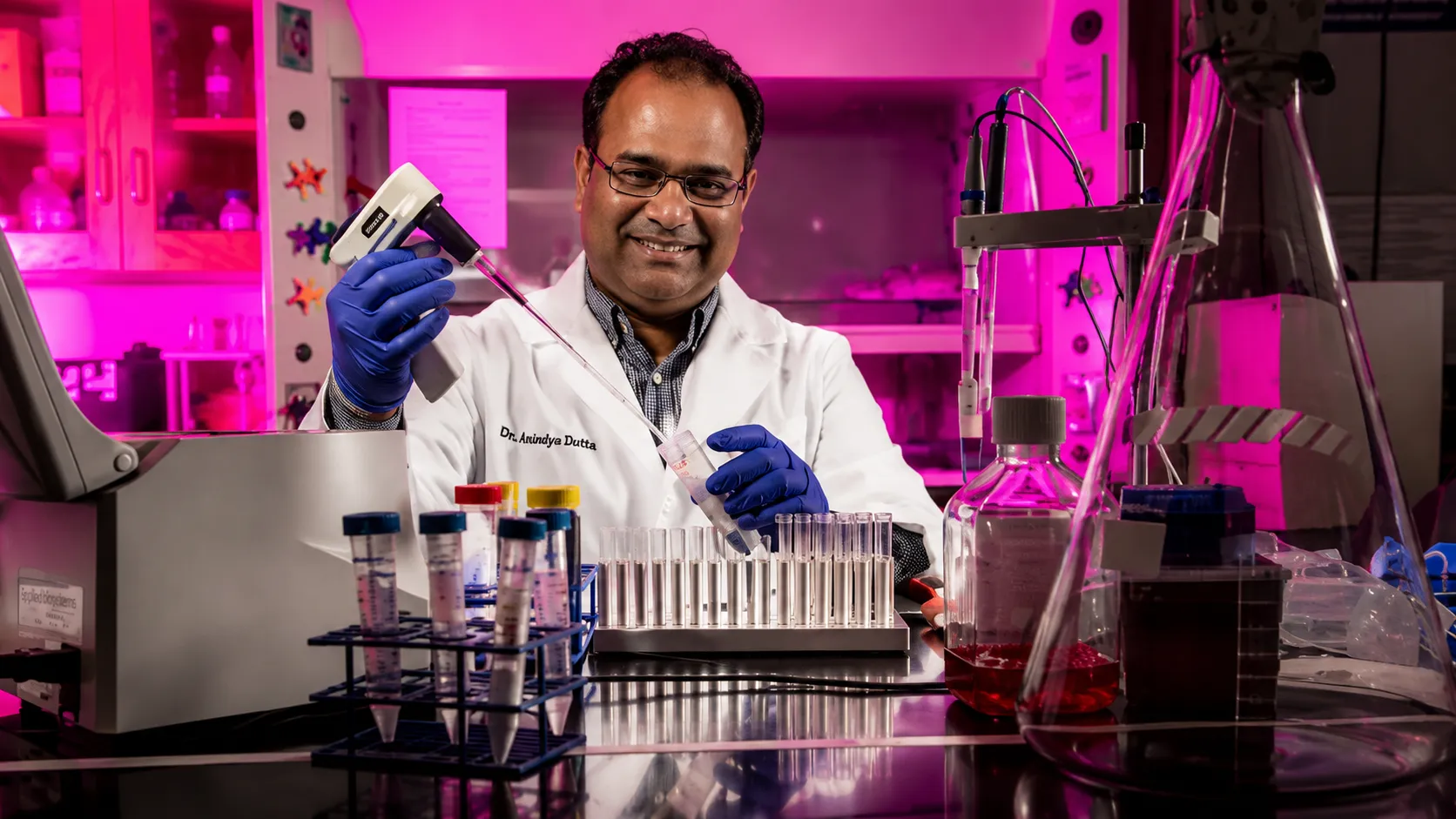
The appointment builds on Mishra's already substantial institutional profile at Alabama State, one of the nation's historically Black universities. In addition to directing the Cancer Biology Research and Training Program, he also leads the university's Freshman Biology Program and holds an adjunct professorship in the Division of Molecular and Cellular Pathology within the Department of Pathology at the University of Alabama at Birmingham's School of Medicine, a position he has held since February 2011. That dual appointment — anchoring foundational undergraduate biology education at a minority-serving institution while simultaneously maintaining an active research affiliation at a major academic medical center — reflects a career built deliberately across both ends of the academic pipeline: recruiting and training the next generation of scientists, many of them first-generation college students, while continuing to publish original cancer research.
That research output has remained active and current. Mishra's laboratory focuses on prostate cancer, cancer health disparities, and tumor immunology — a portfolio that sits directly at the intersection of basic immunological science and the persistent, well-documented racial disparities in cancer outcomes that disproportionately affect Black American men, among the populations Alabama State's student body and surrounding community most directly represent. Recent published work from Mishra and his collaborators, including a 2026 study in the journal Discover Oncology examining how a compound called zerumbone affects immune cell signaling to suppress the transition of triple-negative breast cancer cells toward a more invasive state, reflects a research agenda still actively generating new findings even as Mishra takes on expanded national leadership responsibilities.
Mishra's own academic path to Montgomery, Alabama began in India, where he earned both his master's degree and his Ph.D. from Banaras Hindu University in Varanasi, one of India's oldest and most prominent research universities, completing his doctorate in 1999 before relocating to the United States to continue his scientific career. That trajectory — rigorous graduate training in India followed by a research and teaching career built substantially within America's historically Black college and university system — places Mishra within a smaller, less frequently highlighted strand of the broader Indian American academic story: scientists whose professional lives have been built not within the most heavily Indian American-represented research institutions, but within HBCUs, where their contributions to both scientific output and student mentorship carry a distinct institutional significance.
That significance has been formally recognized before. Mishra has previously been named among the Top 25 professors at HBCUs nationally, and in 2015 he received Alabama State University's STEM Faculty of the Year award, honors that reflect his standing not just as a productive researcher but as an educator whose teaching and mentorship have been singled out within the historically Black university system specifically.
The AAI committee structure that Mishra has now joined plays an outsized role in shaping the professional development infrastructure available to immunologists across the country, particularly those training at institutions with fewer resources than the largest research universities. AAI's career-focused programming includes fellowships offering junior and postdoctoral scientists direct pathways into research funding and mentorship, alongside its Public Policy Fellows Program, which gives early-career scientists exposure to the legislative and regulatory dimensions of biomedical research funding — areas where, association leaders have noted, scientists trained at minority-serving institutions have historically been underrepresented in national leadership and advocacy roles.
Mishra's appointment arrives at a moment of active national investment in immunology education specifically. At the AAI's IMMUNOLOGY2026 annual meeting, held in Boston earlier this year, the association's Education Committee sponsored dedicated sessions on strengthening immunology instruction at minority-serving institutions — programming explicitly designed to address the kind of teaching challenges Mishra has spent much of his own career navigating as both a research mentor and an undergraduate biology program director at an HBCU. His presence on the national committee gives Alabama State, and the broader network of historically Black universities training the next generation of immunologists and cancer biologists, a direct voice inside the organization setting national priorities for the field.
For Alabama State University, the appointment adds to a growing list of national recognitions for its science faculty in recent years, reinforcing the university's institutional identity as a serious contributor to biomedical research output despite operating with a fraction of the research funding available to the nation's largest public research universities. For Mishra himself, the committee appointment represents a formal extension of a career that has, from its earliest days in Varanasi through more than two decades in Montgomery, consistently paired original scientific inquiry with an equally sustained commitment to the students — many of them the first in their families to pursue careers in science — who will carry that research forward.


