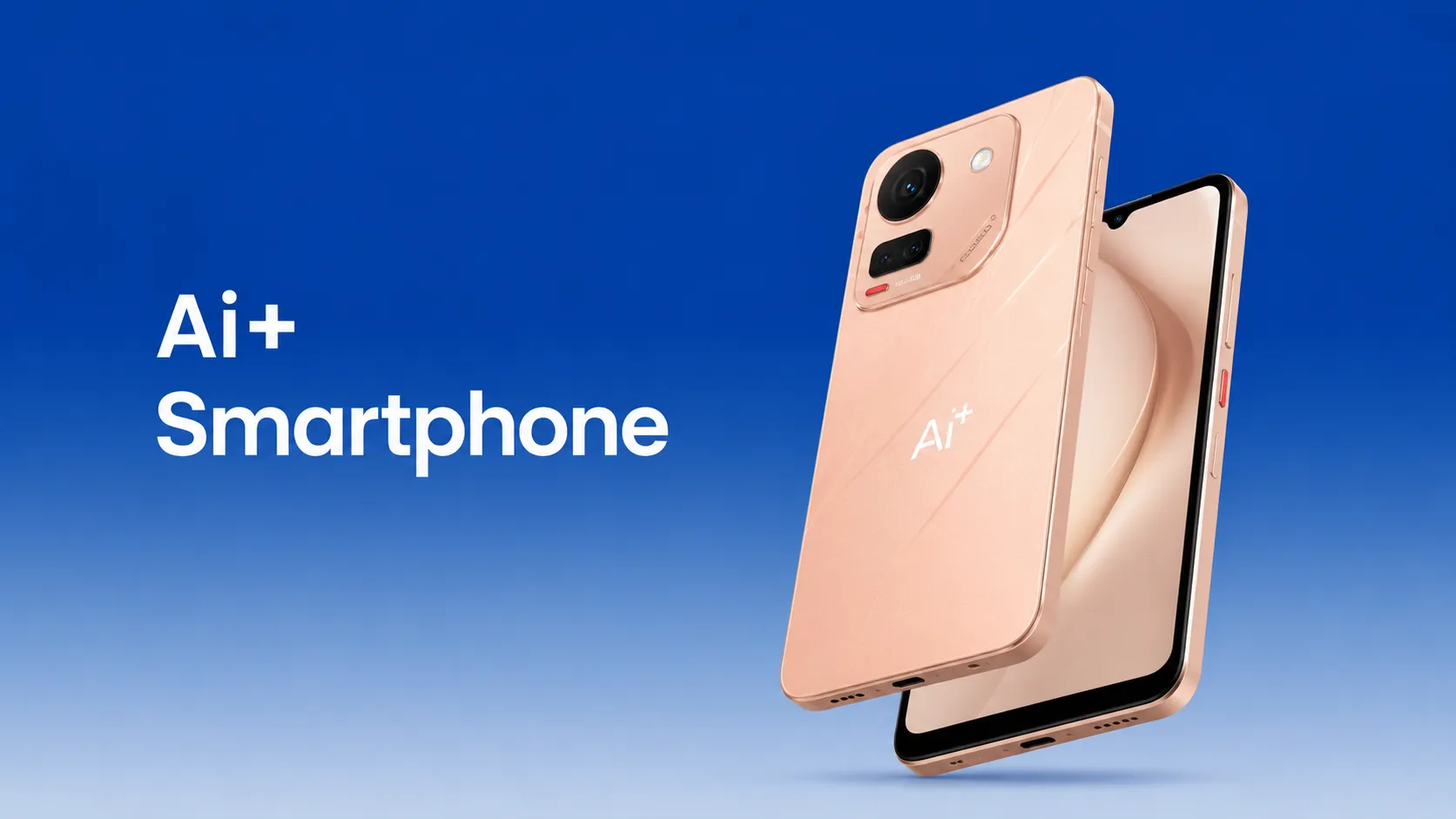
Artificial intelligence has quietly become one of the central selling points of the Indian smartphone market, according to a new survey showing that 71% of Indian smartphone users are actively using generative AI features on their devices, while 59% say AI capability now factors directly into their decision when buying a new phone. For an industry that spent much of the past decade competing primarily on camera specifications, battery life, and processor benchmarks, the rapid mainstreaming of AI as a genuine purchase driver marks a meaningful shift in how Indian consumers evaluate and select their devices.

What 'Using AI Features' Actually Means in Practice
The scale of AI adoption reported in the survey reflects a broad and somewhat diffuse category of functionality rather than any single killer application. For many Indian smartphone users, AI-powered features arrive not as a dedicated, clearly labeled "AI mode" they consciously opt into, but as quietly embedded enhancements woven throughout the everyday phone experience: computational photography features that use AI to improve low-light shots, remove unwanted objects from photos, or enhance portrait mode blur; predictive text and smart reply suggestions in messaging apps; voice assistants capable of increasingly natural, conversational interactions; and, more recently, dedicated generative AI features for tasks like image generation, document summarization, and conversational search built directly into phone manufacturers' own software layers or through partnerships with leading AI model providers.
This diffuse, embedded nature of AI adoption is itself significant: it suggests that for a large share of Indian users, AI features have moved from being a novelty that requires deliberate discovery to becoming an assumed, background layer of the smartphone experience — not unlike how touchscreens or app stores themselves became invisible, taken-for-granted infrastructure rather than headline features within a few years of their introduction.
Why India Specifically Has Embraced AI Features So Quickly
Several factors specific to the Indian market context help explain why AI adoption has scaled so rapidly among Indian smartphone users compared to some other major markets. India's smartphone user base skews notably young relative to many mature markets, and younger demographics have consistently shown higher comfort levels and enthusiasm for experimenting with new digital features, including generative AI tools for content creation, entertainment, and social media use. India's linguistic diversity has also created a particularly compelling use case for AI-powered features: voice assistants and translation tools capable of understanding and responding across India's numerous major languages offer genuine accessibility benefits for users who may be more comfortable communicating in Hindi, Tamil, Telugu, Bengali, or dozens of other languages than in English, historically the default language of much smartphone software.
India's smartphone market has also become intensely price-competitive and feature-competitive simultaneously, with manufacturers across the price spectrum — from budget-focused brands to premium players — racing to differentiate their offerings. In a market where hardware specifications have become increasingly commoditized and difficult to meaningfully differentiate on (most mid-range phones now offer broadly comparable camera hardware, processing power, and display quality), AI-powered software features have become one of the more visible, marketable ways for manufacturers to claim genuine differentiation, driving both aggressive marketing around AI capabilities and genuine investment in bringing more sophisticated AI features down-market to more affordable price tiers.
The Purchase Decision Shift
The finding that 59% of buyers now factor AI capability into their purchase decisions represents a genuinely significant shift in consumer behavior with direct implications for how smartphone manufacturers approach product design, marketing, and pricing strategy in the Indian market. Historically, Indian smartphone buyers — particularly in the fiercely competitive budget and mid-range segments that constitute the bulk of India's smartphone volume — have been shown through extensive market research to prioritize battery life, camera quality, and price-to-performance value above most other considerations. AI capability entering the top tier of purchase considerations suggests manufacturers now have a genuine incentive to invest in and prominently market on-device AI features even in more cost-sensitive segments, rather than reserving sophisticated AI functionality exclusively for flagship, premium-priced devices.
This dynamic creates competitive pressure across the entire smartphone value chain: chipset manufacturers are increasingly emphasizing dedicated neural processing unit (NPU) capabilities in their marketing to smartphone OEMs, positioning on-device AI processing power as a key differentiator even in mid-range chipset tiers; smartphone manufacturers are correspondingly racing to integrate more visible, marketable AI features into their software experiences across price tiers, not just flagship models; and this in turn shapes what capabilities become table-stakes expectations for Indian consumers evaluating their next device purchase.
On-Device vs. Cloud-Based AI: A Growing Distinction
As AI features have proliferated, Indian consumers and industry commentators alike have become increasingly attentive to a technical distinction that matters both for user experience and privacy: whether a given AI feature runs directly on the smartphone's own processing hardware (on-device AI) or relies on sending data to cloud servers for processing (cloud-based AI). On-device AI processing generally offers advantages around privacy (since personal data doesn't need to leave the device), speed (since there's no dependency on network connectivity or server response times), and functionality in areas with poor or expensive mobile data connectivity — a genuinely relevant consideration in parts of India where reliable, affordable high-speed mobile data remains inconsistent. This has created a growing premium on smartphones with sufficiently powerful on-device AI processing hardware, an area where flagship and increasingly upper-mid-range devices have begun meaningfully differentiating themselves from budget-tier devices that may rely more heavily on cloud-based processing for their AI features.
What This Means for India's Broader Tech Ecosystem
The rapid mainstreaming of AI-driven smartphone adoption in India carries implications well beyond individual purchase decisions. It signals a broader readiness among Indian consumers to engage with generative AI tools and interfaces in their daily digital lives, a dynamic that has ripple effects across adjacent industries — from AI-powered customer service and financial technology applications to educational technology and digital content creation tools, all of which benefit from a population increasingly comfortable interacting with AI-driven interfaces as a default expectation rather than an unfamiliar novelty. As smartphone manufacturers continue racing to embed more sophisticated AI capabilities across price tiers, India's position as one of the world's largest and fastest-growing smartphone markets means these adoption trends will likely continue shaping global smartphone AI strategy well beyond India's own borders.


