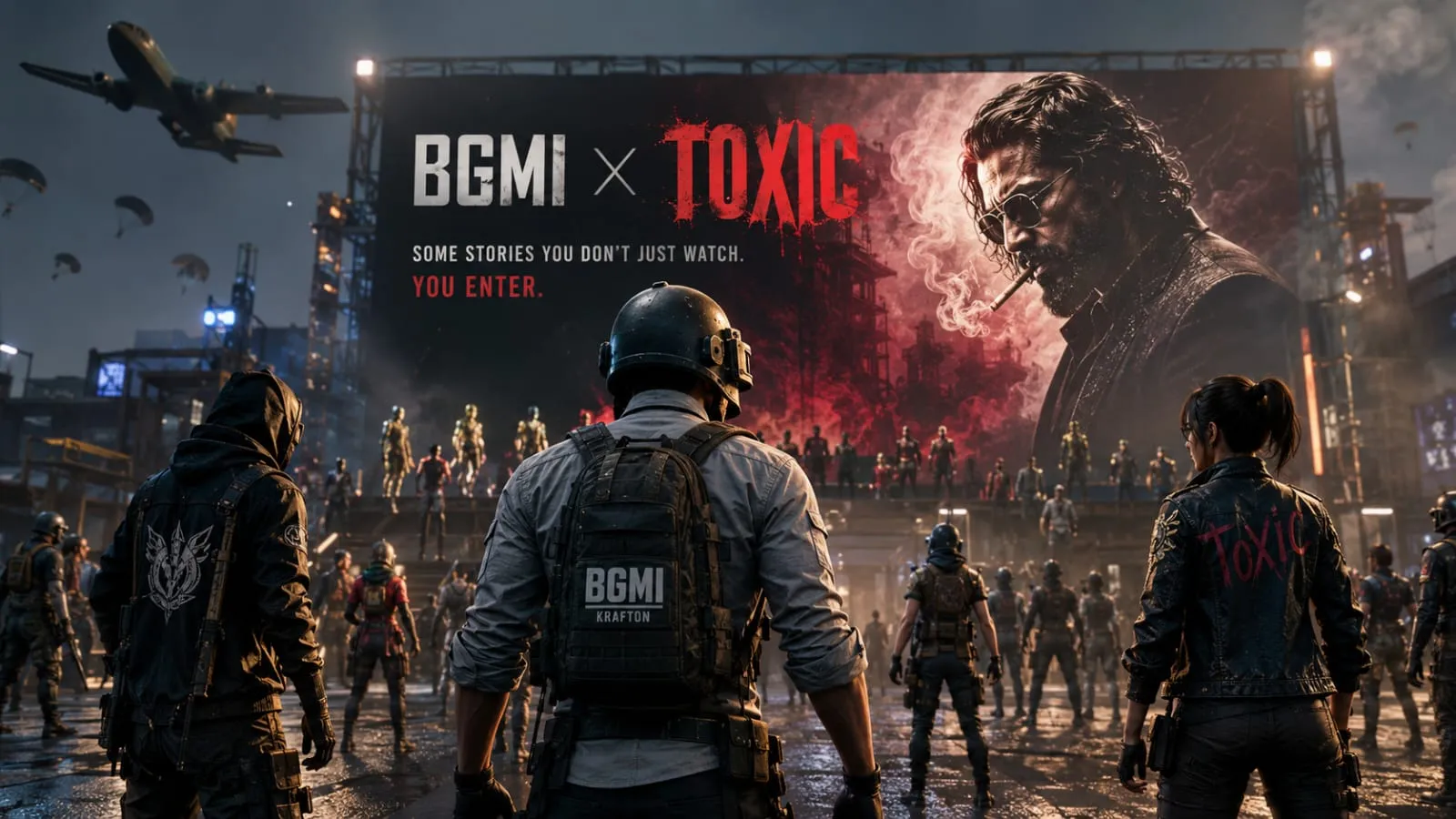
What Looked Like Another Film Promotion Suddenly Became A Signal That Entertainment Is Changing Faster Than Studios Expected
For years, movie marketing followed a familiar playbook. Trailers dropped online, actors appeared on television interviews and giant billboards took over cities because film promotion traditionally depended on visibility and repetition. Studios frequently built campaigns around making audiences watch advertisements because entertainment industries long operated through interruption. The process itself felt predictable because audiences generally knew when a movie campaign had officially begun.
Then audiences changed.
People increasingly stopped gathering around television schedules because entertainment behavior gradually moved toward platforms, creators and digital ecosystems. Younger audiences now spend hours inside gaming environments, livestreams and online communities because attention itself no longer lives in one place. As a result, studios quietly began facing a larger challenge: if people are spending more time inside virtual worlds, what happens when movies decide to enter those worlds too?
That question recently gained a very visible answer through BGMI’s collaboration with the film "Toxic." At first glance, the partnership looked like another entertainment crossover because games and films have increasingly experimented with collaborations over recent years. Viewed more closely, however, another question quietly begins surfacing beneath the campaign itself: what happens when marketing stops asking people to watch stories and starts inviting them inside them?Because this was not simply a poster campaign inside a game.It was participation.And participation changes behavior.
Historically, movies and gaming often operated like neighboring industries rather than shared ecosystems because films focused on passive audiences while games built interactive experiences. One medium asked viewers to observe while the other asked players to engage. For years, these categories frequently crossed paths through adaptations and licensed content, but they largely continued functioning independently because audience behavior itself remained separate.
That distinction increasingly appears disappearing.
Gaming platforms today no longer simply operate as entertainment products because they increasingly function as social environments where millions spend time daily. BGMI, in particular, has become far more than a mobile game because players increasingly treat it as a space involving identity, communities and culture. Once platforms begin behaving like digital gathering spaces rather than products, entertainment industries naturally begin paying attention.
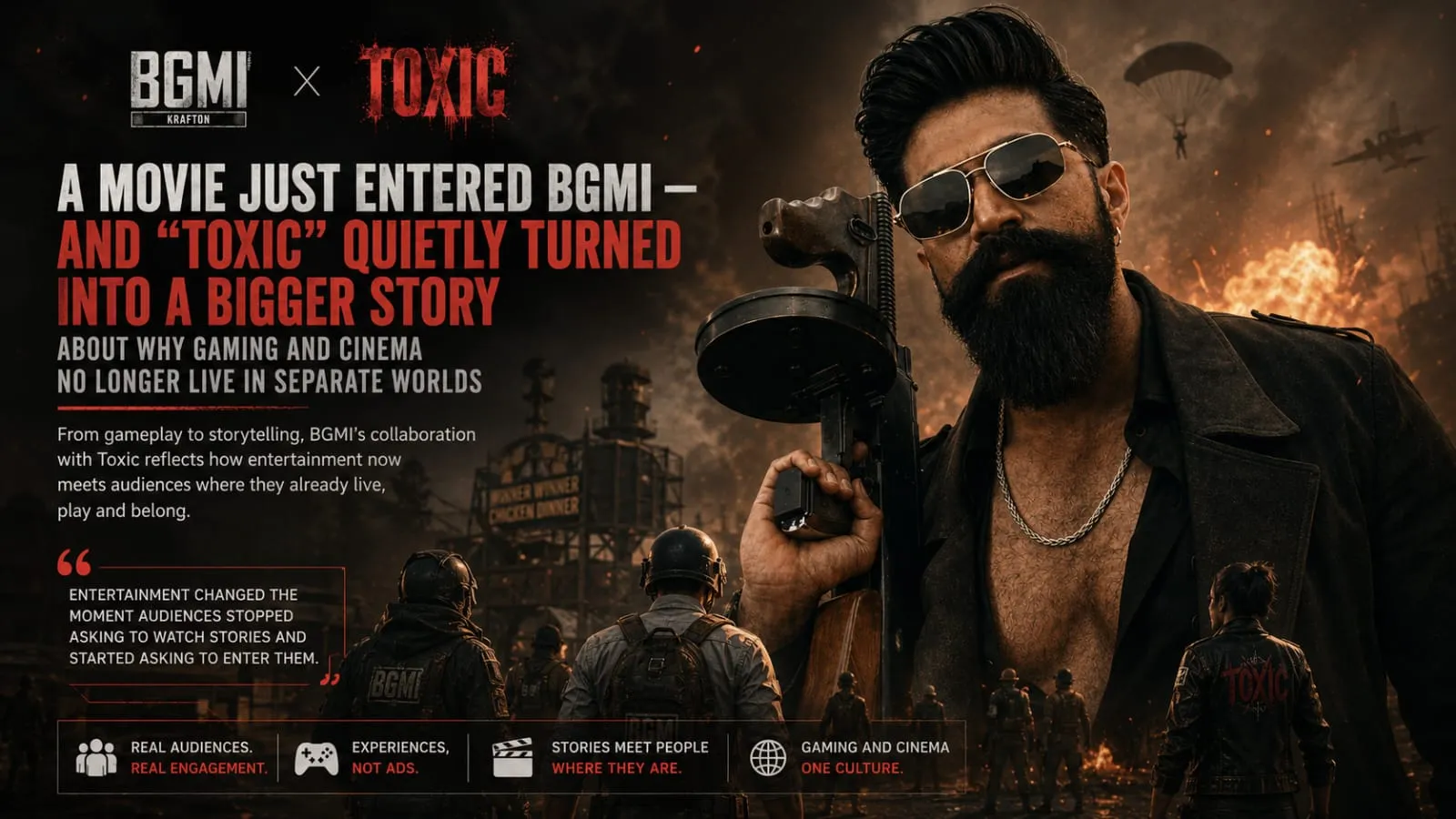
That is what makes the Toxic collaboration interesting beyond fan excitement itself. Rather than asking audiences to consume promotional material externally, the campaign moved directly into environments where younger audiences already exist. The interaction itself became part of gameplay because experiences increasingly appear more powerful than advertisements. Modern audiences frequently ignore marketing.
But they participate in experiences.
There is also another important shift quietly happening underneath these collaborations. Earlier generations often discovered films through media institutions because television, magazines and advertising largely controlled attention. Today discovery frequently behaves differently because audiences increasingly encounter entertainment through communities and ecosystems already shaping their lives. A gaming collaboration therefore no longer feels unusual because younger audiences increasingly move fluidly across platforms without separating entertainment categories.
Another reason this feels larger than one campaign involves fandom itself. Earlier fan cultures often revolved around watching and discussing because participation opportunities remained limited. Today audiences increasingly expect immersion because digital environments allow people to interact rather than simply observe. Fans no longer always want distance from stories.They want proximity and access.
Sometimes they want to enter the world itself.This broader movement also says something about where entertainment may be heading. Gaming increasingly occupies larger cultural space because platforms now influence music, fashion and storytelling ecosystems beyond gameplay itself. Film studios increasingly recognize that games no longer represent parallel industries because digital spaces increasingly shape culture itself. Once audiences gather somewhere consistently, every industry eventually arrives.
Perhaps that explains why this story increasingly feels larger than BGMI and Toxic. Because beneath conversations involving collaborations ultimately exists another reality involving how people experience entertainment today. Earlier generations watched worlds from screens because stories arrived through distance.Today audiences increasingly expect stories to meet them where they already are.And increasingly, that place looks a lot like a game lobby.


