
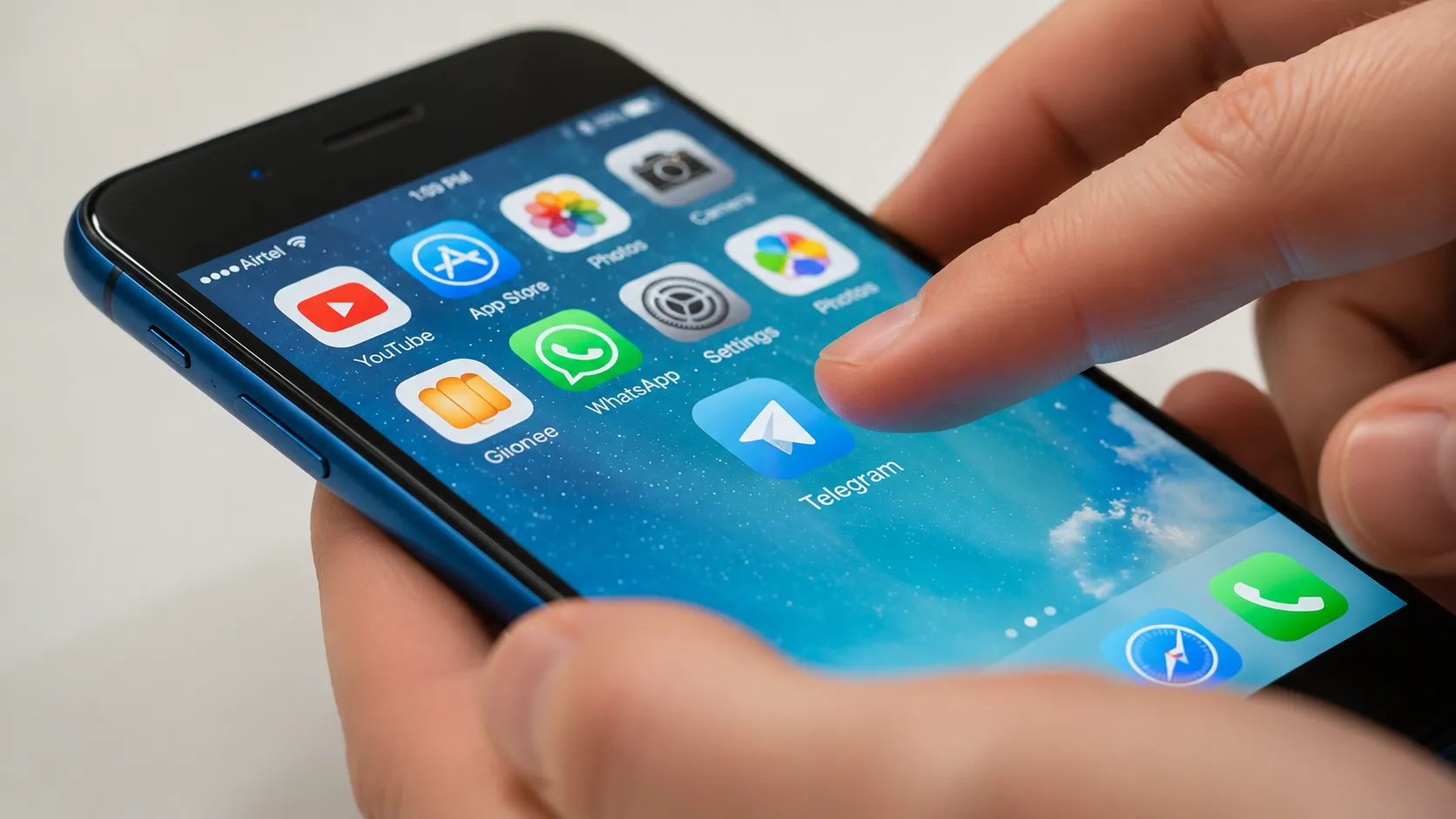
On Tuesday, more than 150 million Indians lost access to Telegram with barely an hour's warning. By Wednesday, the company was inside a Delhi High Court hearing room trying to get it back. By this afternoon, a vacation bench is due to hear round two — and the government's own lawyer has promised the judge something “shocking.”
What began as a narrow, exam-specific order to stop NEET paper-leak scams has, in the space of three days, turned into a closely watched test case for how far the Indian state can go in switching off an entire platform — and how quickly the courts are willing to step in when it does.
How We Got Here: A Ban Built Around One Exam
The story starts with NEET-UG 2026, India's national medical entrance exam. After the original test, held on May 3, was scrapped following allegations that material resembling the real questions had circulated beforehand, the National Testing Agency referred the matter to the CBI and scheduled a re-examination for June 21. In the run-up to that re-test, channels with names like “PAPER LEAKED NEET” and “Private Mafia” began operating openly on Telegram, allegedly demanding anywhere from a few thousand to several lakh rupees from anxious candidates and their families in exchange for the supposed exam paper.
Acting on recommendations from the NTA and the Department of Higher Education, the Ministry of Electronics and Information Technology invoked Section 69A of the Information Technology Act and ordered two things: a blanket restriction on Telegram access in India until June 22, covering the exam and its immediate aftermath, and a separate requirement that Telegram disable its message-editing feature for already-posted content until June 30. The government's logic on the second point was specific — officials say scammers were editing old, innocuous messages to insert fake exam content while preserving an earlier timestamp, then circulating screenshots as fabricated proof of an advance leak.
Telegram's Case: Disproportionate, Unfair And Already Acted Upon
Telegram didn't wait long to respond. Within a day of the restriction taking effect, the company moved the Delhi High Court, arguing on three main fronts. First, that it had already done the work the government was demanding — the platform says it took down more than 900 links connected to NEET-related scams and leak claims, using AI and machine-learning tools to proactively police the content. Second, that it was singled out while “similarly situated intermediaries continue to operate without restriction,” which Telegram says amounts to a violation of Article 14 of the Constitution, India's equal-protection guarantee. Third, that it was never given the pre-decisional hearing required under Rule 8 of the 2009 IT blocking rules before the order took effect.
Telegram's founder, Pavel Durov, took the fight public almost immediately, posting on X that the ban punishes ordinary users rather than the people actually responsible for the leaks — and that the restriction hasn't even worked, since the scam channels have simply migrated to other apps in the meantime.
Round One In Court: No Quick Relief, But No Final Word Either
Wednesday's hearing, before a vacation bench of Justice Tejas Karia, set the tone for what is shaping up to be a genuinely contested case rather than a formality. Appearing for the Centre over video conferencing, Solicitor General Tushar Mehta argued that the blocking order was lawful under Section 69A and that a post-decisional hearing had already taken place. He resisted Telegram's request for interim relief, telling the Court that staying the order at this stage would effectively hand the company victory before the case had even been argued on merits.
Mehta also signalled that the government was holding back further material, telling the bench that if the matter were posted for the next day, he could present something he called genuinely “shocking” about the scale of continued misuse on the platform — channels being banned and immediately replaced, with QR codes enabling scammers to keep collecting payments throughout.
The Court did not grant Telegram the interim stay it was seeking, but it also didn't shut the door. Justice Karia issued formal notice to the Centre, gave the government liberty to file its reply with full supporting documents, and listed the matter for further hearing this afternoon, June 18, at 2:30 pm.
What's At Stake Beyond Telegram
However today's hearing unfolds, the case has already raised a question that goes well beyond one messaging app: how should a government balance the integrity of a national exam against the digital rights of well over a hundred million ordinary users who had nothing to do with the alleged cheating? Section 69A has been used before for sweeping platform-level action — most famously in 2020, when dozens of Chinese apps were blocked outright — but rarely against a platform actively engaging with Indian authorities and pointing to concrete, documented takedown numbers in its own defence.
For the Impactful Global Indian reader, this is worth watching closely regardless of where you land on the merits. It is a live test of how India's courts referee the tension between platform accountability and platform-wide punishment, at a moment when digital trust, exam integrity and free expression are all colliding in real time. The next hearing is this afternoon. The order that follows could shape not just Telegram's standing in India, but the playbook for how the next platform dispute gets fought.


