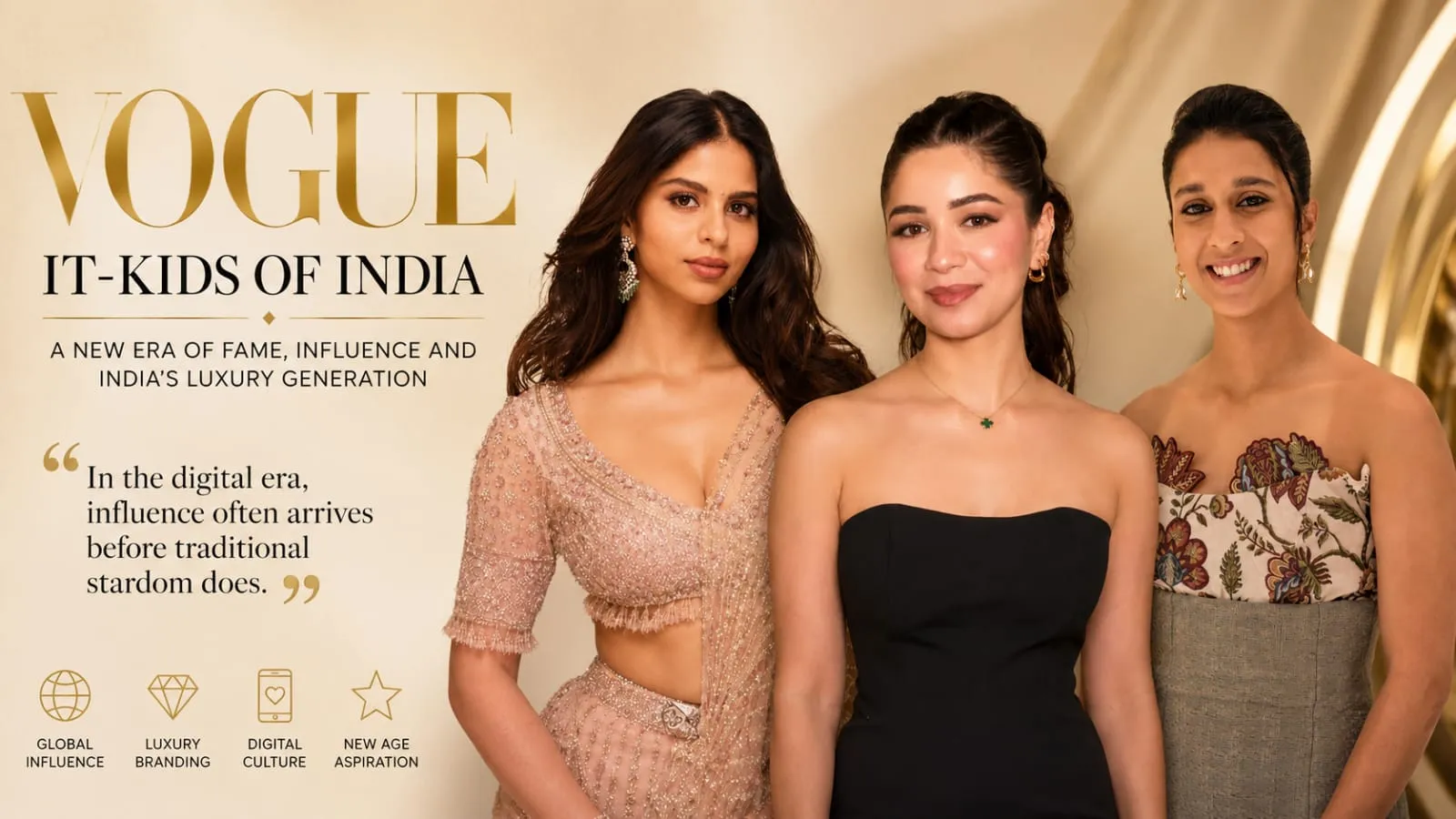
The Conversation Is No Longer Just About Celebrity Children Or Viral Popularity. It Is About How A New Class Of Young Indian Public Figures Is Reshaping Fashion, Branding And Cultural Aspiration Globally
For decades, Indian celebrity culture followed relatively familiar patterns. Film stars dominated national attention, cricketers carried mass influence and luxury branding remained heavily centered around established public figures because visibility itself was controlled through cinema, television and traditional media ecosystems. Fame usually arrived after years of mainstream success, and global fashion recognition often remained limited to a small circle of internationally visible celebrities.
That ecosystem now looks very different.
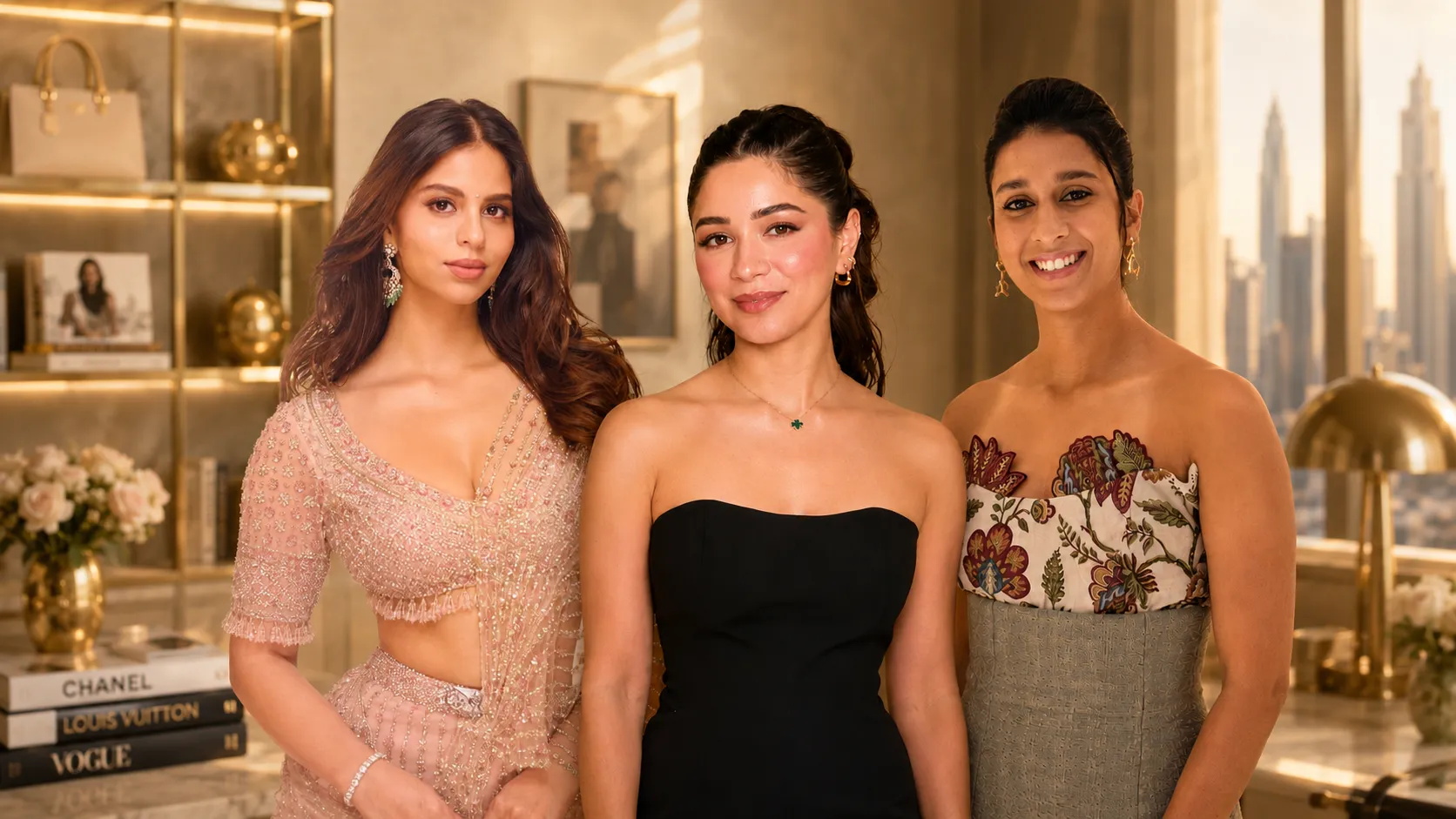
The growing attention around Vogue’s “It-Kids Of India” list has sparked widespread discussion online because it captures a major shift happening inside Indian influence culture itself. Young public figures including Suhana Khan, Sara Tendulkar and Jemimah Rodrigues are increasingly shaping luxury campaigns, fashion conversations and digital aspiration across global platforms because influence today operates very differently from older celebrity systems. Visibility no longer depends only on films or traditional achievements. It increasingly depends on aesthetics, online presence, cultural relatability and personal brand identity.
The phrase “It-Kids” itself reflects a changing definition of fame.
Earlier generations often viewed celebrity status through singular achievements because actors acted, athletes played sports and models represented fashion separately. Today younger audiences consume personalities far more fluidly across industries because social media collapses boundaries between entertainment, lifestyle, fashion and internet culture. A young celebrity can simultaneously become a luxury ambassador, creator, entrepreneur, wellness influencer and global digital personality without following traditional career timelines.
That transformation is especially visible in India’s luxury branding ecosystem.
Global fashion houses and premium lifestyle brands are increasingly investing in younger Indian faces because India itself has become too important to ignore within luxury growth conversations. The country’s rising affluent population, expanding creator economy and globally connected Gen Z audiences are reshaping how international brands approach influence markets. Young Indian personalities today represent not only domestic popularity but also access to digitally active audiences consuming fashion, beauty and lifestyle culture at an unprecedented scale.
What makes this moment particularly interesting is that influence now often begins before conventional stardom fully arrives.
Someone like Suhana Khan generated global luxury attention long before establishing a substantial film career because internet-era celebrity culture increasingly values anticipation and visibility as much as professional output itself. Sara Tendulkar commands enormous brand interest not because she operates through one entertainment category but because she represents aspirational digital-age identity blending fashion, legacy and online familiarity. Meanwhile athletes like Jemimah Rodrigues reflect how sports personalities today increasingly move beyond performance-driven branding into lifestyle and youth-culture relevance.
This signals a broader cultural shift around aspiration itself.
India’s younger audiences no longer consume celebrities only through distance or mythology because social media creates continuous intimacy between public figures and followers. Fashion routines, travel diaries, fitness habits, beauty aesthetics and personal opinions now circulate daily through Instagram, YouTube and global digital platforms because influence increasingly depends on sustained visibility rather than occasional appearances. Younger public figures therefore build communities around lifestyle identity as much as professional success.
The global fashion industry has adapted quickly to this reality.
Luxury brands today prioritize cultural relevance and digital engagement because younger consumers interact with fashion primarily through online ecosystems. Indian creators, celebrity children, athletes and internet personalities therefore represent highly valuable cultural connectors capable of translating global luxury into locally aspirational narratives. Campaigns increasingly focus on relatability blended with exclusivity because modern luxury marketing depends heavily on emotional proximity rather than unattainable distance alone.
At the same time, the conversation also reflects ongoing debates around privilege and access.
Critics frequently question whether celebrity children or highly connected personalities receive disproportionate visibility compared to emerging independent talent because digital fame itself can still operate through inherited networks and elite social ecosystems. Discussions around “It-Kids” therefore often become debates about nepotism, accessibility and who gets cultural visibility in modern India. Yet supporters argue that visibility alone no longer guarantees relevance because internet audiences ultimately sustain or reject personalities based on engagement, relatability and consistency over time.
The rise of athletes and creators alongside film-linked personalities makes the shift even more significant.
For years, Bollywood almost exclusively defined Indian glamour culture because entertainment media revolved heavily around cinema. Today influence emerges from multiple ecosystems simultaneously including sports, fashion, entrepreneurship, gaming and digital content creation. This diversification reflects how younger Indians increasingly consume culture through algorithms and platforms rather than one centralized entertainment hierarchy.
What Vogue’s list ultimately captures is not simply a collection of trending young personalities.
It captures the arrival of a new Indian visibility economy where fame, branding and influence are becoming deeply interconnected across industries, platforms and global markets. Luxury culture itself is becoming younger, more digital and more personality-driven because audiences increasingly buy into lifestyles and identities rather than products alone.
And India’s newest generation of public figures is learning how to operate inside that system far earlier than any generation before them.