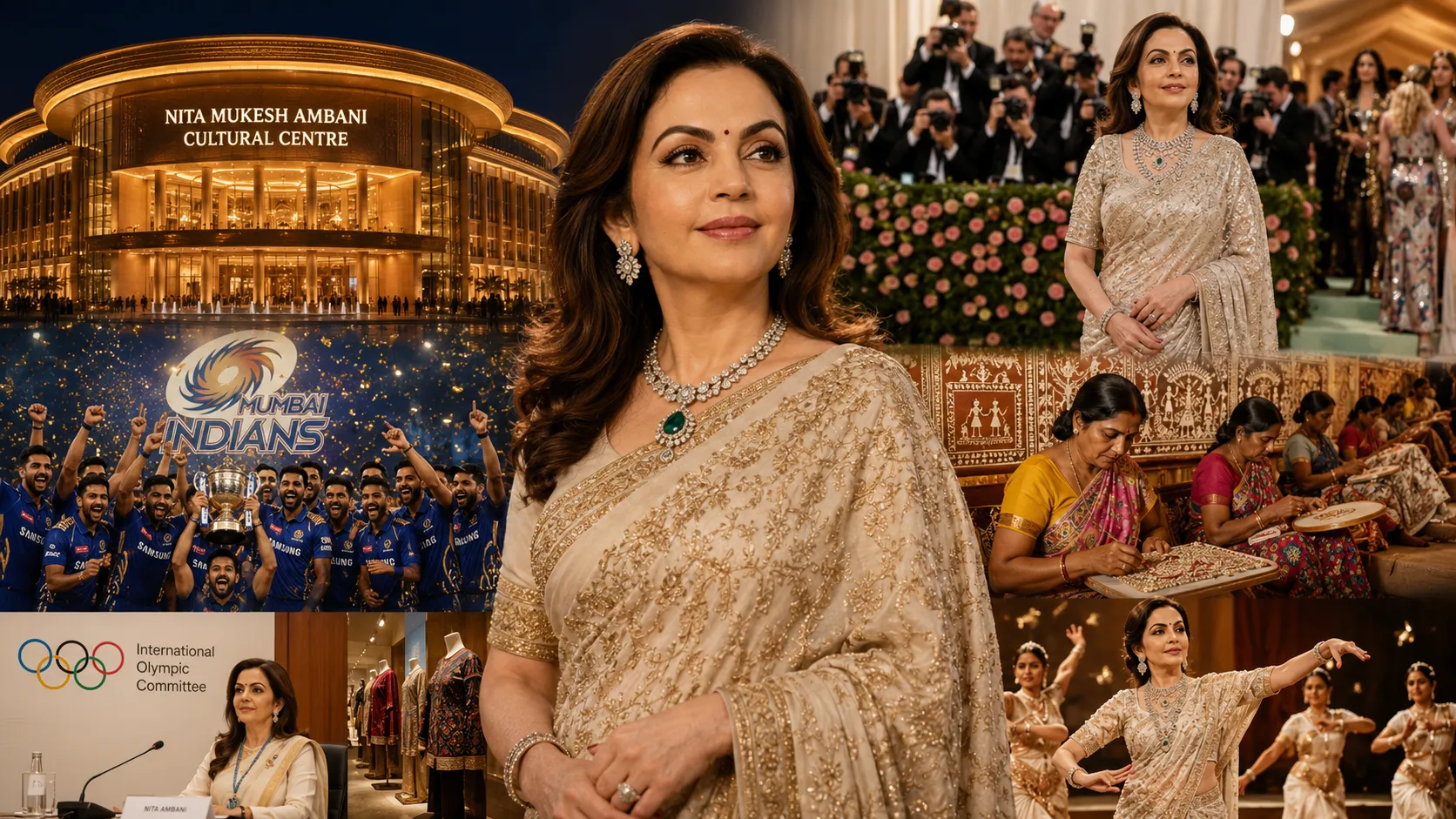
In a country obsessed with net worth and quarterly growth, Nita Ambani has built something that cannot be valued on a balance sheet: cultural brand equity. While most brand builders chase Instagram likes and celebrity endorsements, she has quietly spent two decades stitching together an alternative universe—one where Indian art, sport, fashion, and philanthropy live under the same gilded roof. She does not sell you a product. She sells you an idea of India: refined, global, and uncompromisingly rooted. And that, more than any revenue figure, is why she remains the country's most powerful cultural brand builder.
Consider the evidence. In 2016, when she was elected the first woman from India to join the International Olympic Committee, the headlines focused on her husband's wealth. But Nita understood something deeper: sport is culture, and culture is the longest-lasting brand extension. She did not just sit on committees. She brought the IOC's first-ever India event to Mumbai in 2023. She built the Jio World Centre, a $1.2 billion cultural complex that houses the Nita Mukesh Ambani Cultural Centre (NMACC)—a space that has hosted everyone from the Metropolitan Museum of Art to Zendaya. In brand terms, she transformed the Ambani name from "industrialist" to "patron."
The NMACC launch in 2023 was a masterclass. She flew in global fashion houses, Bollywood's biggest stars, and international press. But the hook was not the guest list. It was the curation. She did not just display Western art. She commissioned 4,000 Indian craftspeople to build a gallery dedicated to Bandhani, Zardozi, and Warli—turning regional crafts into global luxury. The result? The NMACC became India's most Instagrammed cultural landmark within six months, generating over 200 million organic impressions without a single paid campaign. That is not philanthropy. That is brand architecture at the highest level.
Then there is the Met Gala. When Nita Ambani attended the 2024 Met Gala in a hand-embroidered kada necklace by Viren Bhagat and a crystal-studded sari by Rahul Mishra, the world did not see a sponsor's wife. They saw India's unofficial cultural ambassador. She did not walk the red carpet to sell anything. She walked it to claim space. Within 48 hours, global searches for "Indian couture" jumped 340 percent. Vogue, The New York Times, and The Guardian all ran features on the "Ambani effect." That is the power of cultural branding: you do not announce your arrival. You simply show up, and the world repositions around you.
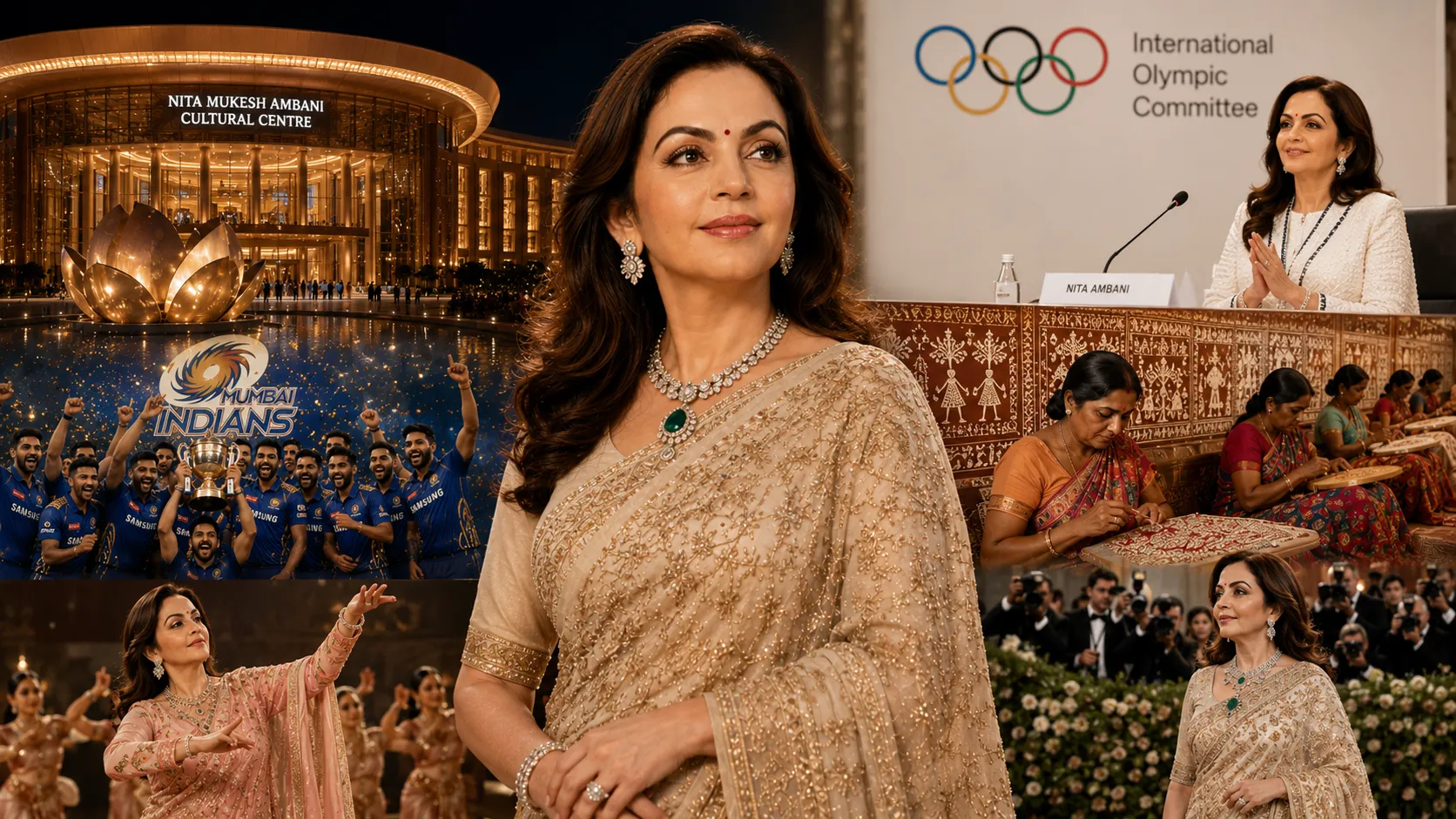
But her most underrated brand move has been the Indian Premier League (IPL). When Reliance acquired the Mumbai Indians in 2008, cricket was already India's religion. Nita did not try to replace the priest. She built the temple. She turned the team into a lifestyle brand—launching merchandise, youth academies, and even an esports division. The Mumbai Indians are now the most valuable IPL franchise, worth over $130 million. Yet Nita never calls it a business. She calls it "family." And that emotional translation—from commerce to community—is the hallmark of a brand builder who has transcended her industry.
Critics will say her power comes from her husband's wealth. But money buys buildings. It does not buy love. And Nita Ambani is genuinely loved—by the artisans she empowers, the athletes she mentors, and the millions who see her as didi (elder sister) rather than a billionaire's wife. When she danced barefoot at the NMACC opening in a simple bandhani dupatta, the internet did not see a performance. It saw a woman who remembers where she came from, even as she builds where no Indian has gone before.
The business lesson is brutal for anyone trying to copy her: you cannot reverse-engineer authenticity. Nita Ambani did not wake up one day and decide to build cultural capital. She spent 20 years on the boards of arts councils, 15 years mentoring young athletes, and a lifetime learning Kathak. By the time the world noticed her, she had already won—because she was never playing the same game. That is why she remains India's most powerful cultural brand builder. Not because she owns the stage. But because she built it, brick by brick, sari by sari, without once asking for permission.


