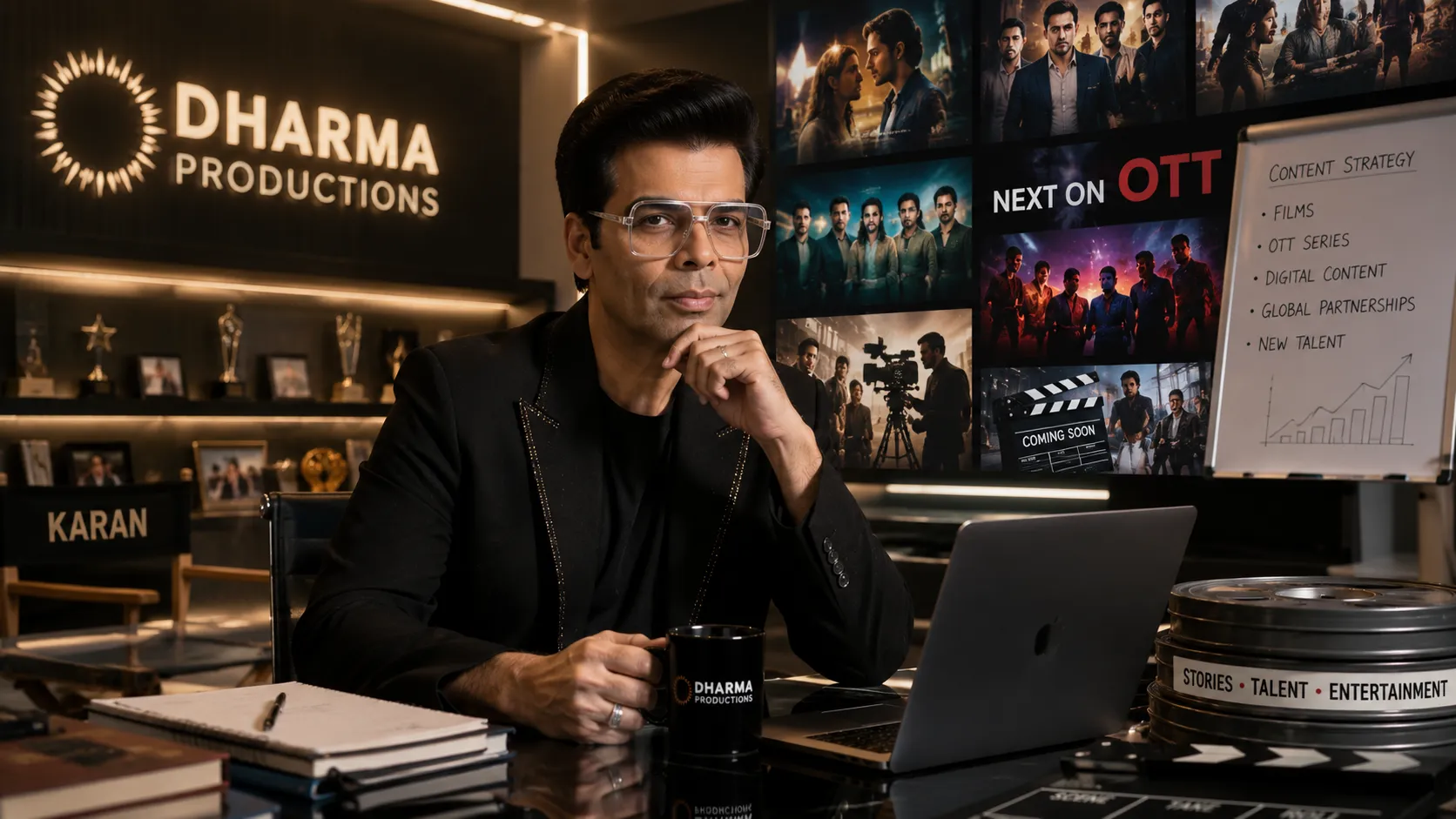
With Multiple Productions, Streaming Partnerships And New Content Bets, Karan Johar Is Increasingly Becoming A Blueprint For The Modern Bollywood Media Entrepreneur
For years, Karan Johar was primarily discussed through the lens of filmmaking.
He was the director behind some of Bollywood’s biggest cultural phenomena, the face of celebrity talk shows and one of the industry's most recognizable personalities. Conversations around him typically revolved around movies, stars, industry relationships and the influence of Dharma Productions because that was where his public identity largely existed. Whether people admired him or criticized him, he was usually viewed first as a filmmaker and entertainment figure.That perception is beginning to shift.
Today, Karan Johar is increasingly becoming part of a different conversation — one centered around business, content strategy and media entrepreneurship. As multiple projects move through production pipelines and content partnerships expand across platforms, industry observers are paying attention not only to the films themselves but to the broader ecosystem being built around them. The discussion is becoming less about a single movie and more about the architecture of a modern entertainment business.The change reflects how Bollywood itself is evolving.
For decades, film producers operated within relatively predictable models because theatrical releases remained the industry's primary engine. A successful producer built films, managed talent relationships and relied heavily on box-office performance. The streaming era has fundamentally altered that equation because content now lives across cinemas, OTT platforms, short-form media ecosystems and global distribution networks. Producers increasingly need to think like media operators rather than project-based filmmakers.Karan Johar appears particularly well positioned for that transition.
Unlike many traditional producers, he spent years building visibility beyond cinema through television, digital content, live events and public-facing brand building. As entertainment fragmented across platforms, that broader presence became a strategic asset. Audiences no longer consume content through a single medium, and entertainment businesses increasingly depend on maintaining relevance across multiple touchpoints simultaneously.This is where Dharma Productions becomes especially interesting.
The company is no longer associated only with big-budget Bollywood dramas. Over time, it expanded into streaming originals, digital-first projects, talent-driven content and partnerships designed for changing viewing habits. The diversification reflects a larger industry realization that audience attention itself has become fragmented. Media companies capable of operating across formats gain flexibility that traditional film studios often lack.Another factor driving renewed attention is scale.
Few Bollywood producers remain consistently visible across multiple projects at the same time because the economics of entertainment have become more complex. Yet Karan Johar continues appearing across theatrical releases, streaming ventures, collaborations and content announcements. Whether every project succeeds is almost secondary to the larger point: the volume of activity suggests a business focused on portfolio building rather than individual bets.That approach mirrors broader shifts occurring globally.
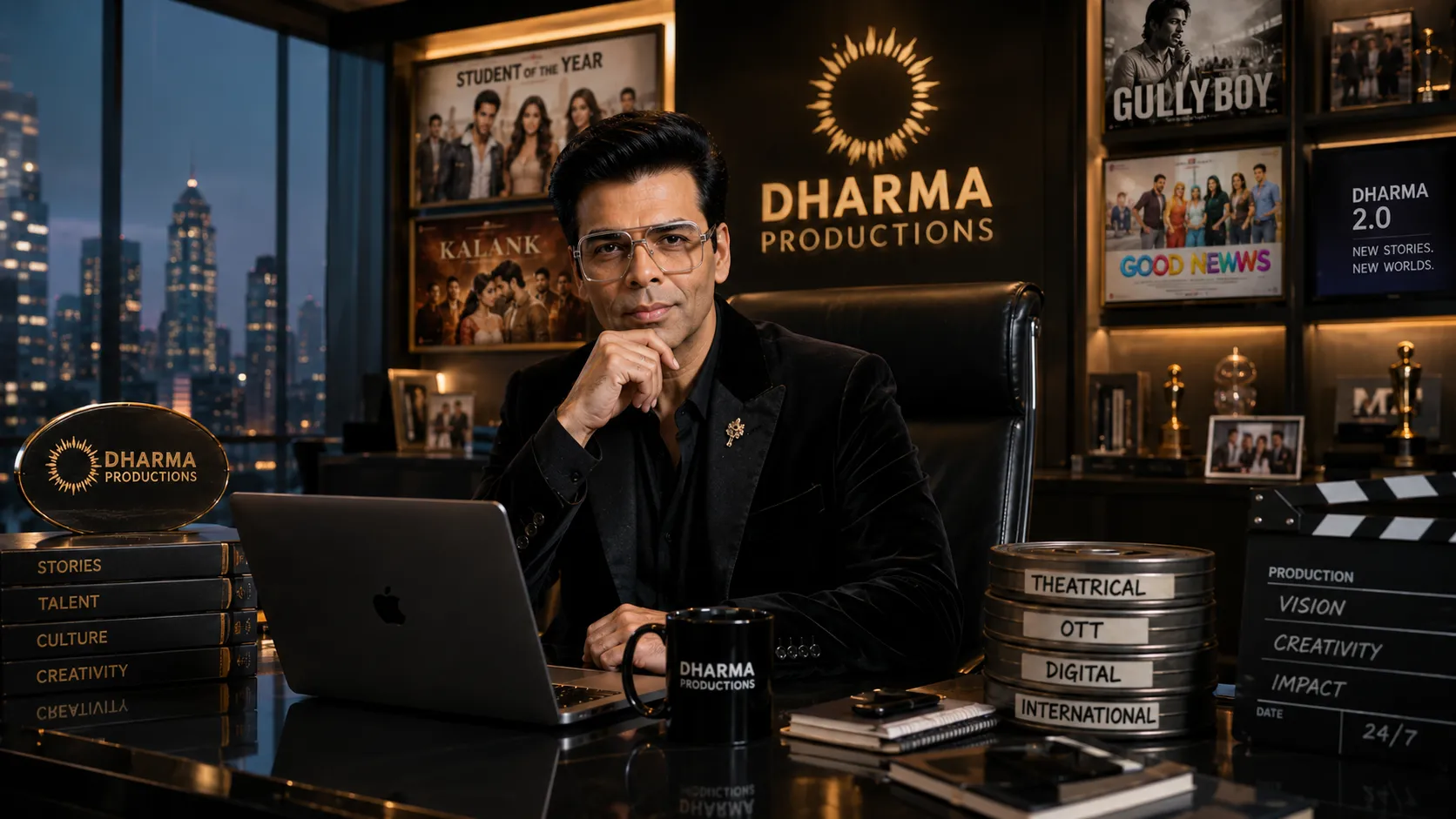
Modern entertainment leaders increasingly think like ecosystem builders because content businesses now depend on pipelines rather than isolated successes. Hollywood studios, streaming giants and international production houses all operate through diversified content strategies designed to reduce dependency on any single title. Bollywood is gradually moving in a similar direction, and producers capable of managing multiple formats simultaneously gain significant advantages.The talent dimension matters as well.
For years, Karan Johar built a reputation for identifying, launching and supporting actors, directors and creative professionals because entertainment ultimately remains a people-driven industry. In many ways, talent development functions as infrastructure. The ability to continuously attract creators, actors and storytellers allows media businesses to sustain relevance across changing market conditions. This network effect is difficult to replicate and often becomes more valuable over time.Streaming has amplified that importance.
The explosion of content demand means platforms constantly need new stories, fresh voices and scalable production capabilities because audience expectations continue expanding. Producers who already possess strong creative networks are naturally positioned to benefit. Karan Johar’s influence increasingly stems not only from projects he personally directs or produces, but from his ability to participate across larger content ecosystems.What makes the current moment particularly interesting is that it reflects a broader transformation within Bollywood itself.
The industry is moving away from a model where power belonged primarily to stars and toward one where content infrastructure matters just as much. Production houses, intellectual property, distribution partnerships and creative ecosystems are becoming central competitive assets. The conversation around entertainment is increasingly becoming a conversation about business strategy.
And that helps explain why Karan Johar is back at the center of industry discussions.Not because he is simply making more films.But because he increasingly represents a new kind of Bollywood figure — one operating at the intersection of content, entrepreneurship, talent development and media strategy.In an era where entertainment is becoming an ecosystem business, that role may ultimately prove more influential than being a filmmaker alone.