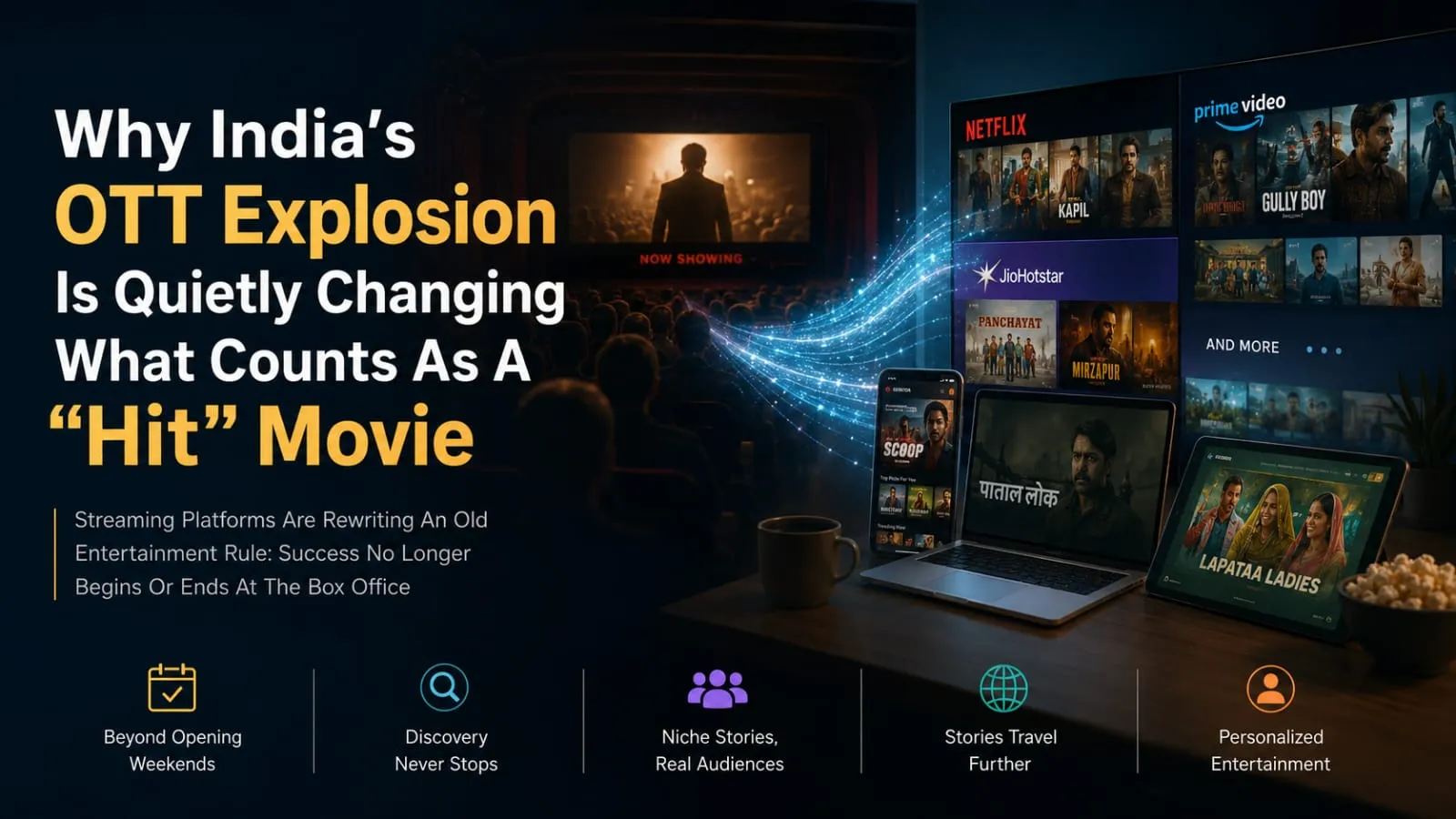
Streaming Platforms Are Rewriting An Old Entertainment Rule: Success No Longer Begins Or Ends At The Box Office
For decades, the Indian film industry largely operated through a system audiences understood almost instinctively. Friday releases determined momentum, opening weekends shaped narratives and box-office collections frequently became the ultimate scorecard because theatrical performance often represented the clearest measure of success. Bigger openings signaled bigger winners because entertainment ecosystems traditionally relied on visible numbers and public excitement. A film’s journey frequently appeared straightforward because theatres largely decided whether stories succeeded or disappeared.
Something very different now appears to be unfolding beneath that older structure.
Across India’s entertainment landscape, streaming platforms are dramatically expanding release calendars because audiences increasingly consume films across phones, televisions and digital ecosystems rather than depending entirely on theatres. Massive content announcements from platforms including Netflix, Prime Video, JioHotstar and others increasingly reveal dozens of films and shows arriving continuously because entertainment itself now operates through entirely different rhythms. What initially looked like another content distribution shift is quietly becoming something much larger involving audience behavior and how success itself gets measured.
Viewed independently, growing OTT libraries may initially resemble another technological transition involving convenience and access. Viewed through a broader impact lens, however, another question begins surfacing beneath the surface: what happens when movies no longer need opening weekends to survive? Because industries frequently change once old measurement systems stop holding the same power they once did.
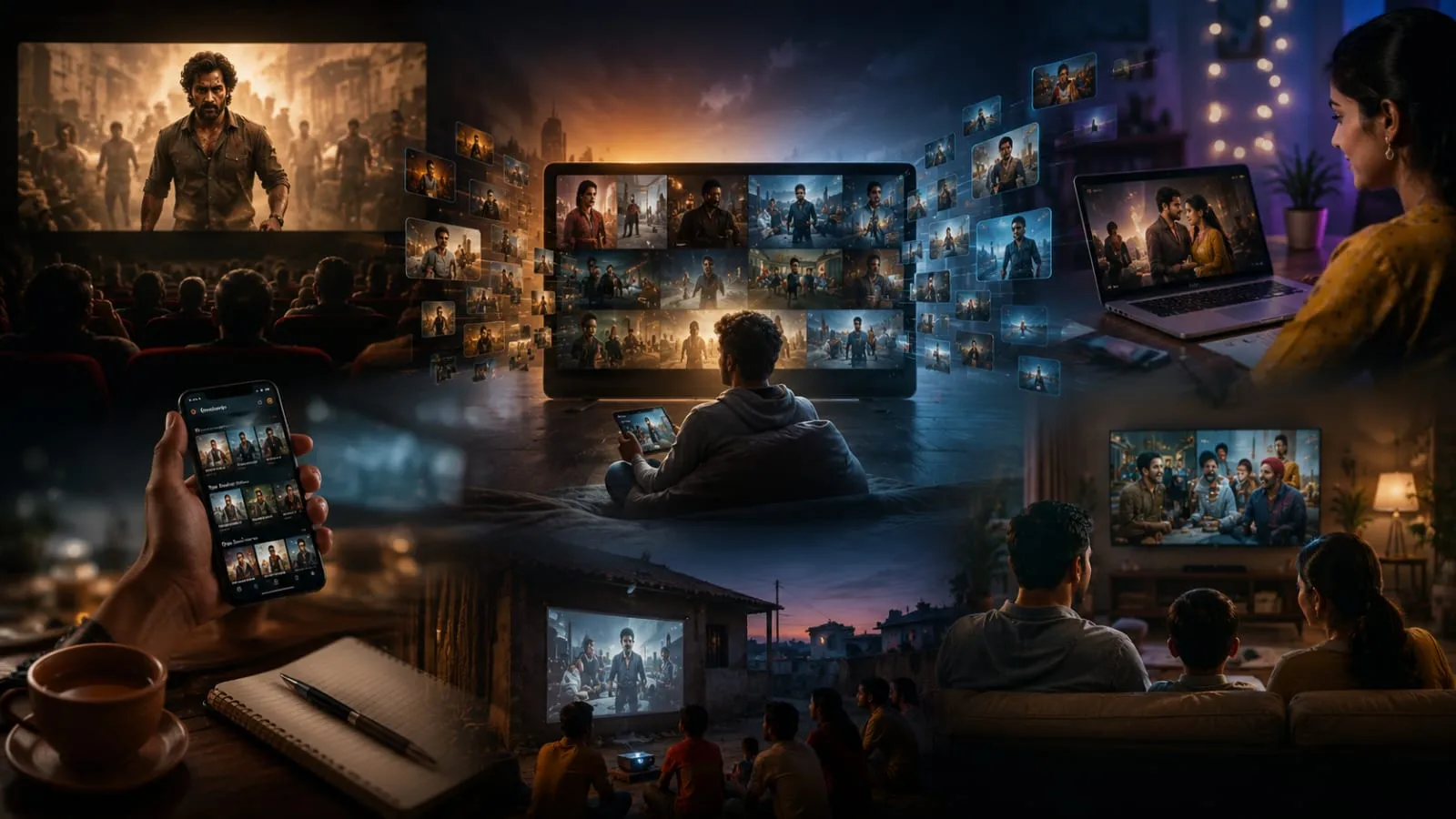
Historically, box-office performance frequently shaped film conversations because theatres operated through urgency. Audiences had limited windows, release schedules remained concentrated and opening numbers frequently created immediate perceptions around success because attention itself moved rapidly. Strong first weekends frequently generated momentum while weaker starts occasionally became difficult to recover from because theatrical systems often rewarded instant impact.
Streaming quietly changed that relationship entirely.
A film released on digital platforms no longer depends exclusively on one opening weekend because audiences increasingly discover content through recommendations, clips and algorithms long after release dates pass. Some projects gain attention weeks later while others slowly build audiences over months because discovery itself increasingly behaves differently. Timing therefore matters less because visibility now frequently operates continuously rather than through concentrated bursts.
That distinction matters because audience habits themselves increasingly look different. Earlier entertainment systems often required collective scheduling because people watched films according to theatre availability and television programming. Today audiences increasingly decide when, where and how they consume stories because entertainment now adapts around individuals rather than asking individuals to adapt around systems.
Another important shift quietly sitting beneath this transition involves the types of stories being made. Traditional theatrical environments often favored categories promising scale because larger productions frequently appeared safer within box-office systems. Streaming ecosystems increasingly seem creating space for different storytelling formats because niche audiences now remain commercially valuable too. Stories involving smaller communities, unusual subjects and experimental narratives increasingly find visibility because platforms reward engagement differently from theatres.
This distinction creates entirely different opportunities for filmmakers. Earlier projects occasionally struggled if they lacked large stars or opening-weekend potential because theatrical economics often favored visibility and scale. Today audiences frequently discover films through word-of-mouth, clips and recommendation engines because digital environments occasionally create success differently. Some projects increasingly become popular because people gradually find them rather than because marketing campaigns dominate immediately.
There is also another interesting reality beneath India’s OTT expansion. Viewers increasingly appear consuming entertainment across languages because streaming ecosystems frequently remove older barriers involving geography and access. Regional films, dubbed content and cross-market storytelling now travel more fluidly because platforms increasingly create national audiences for stories previously operating within smaller circles.
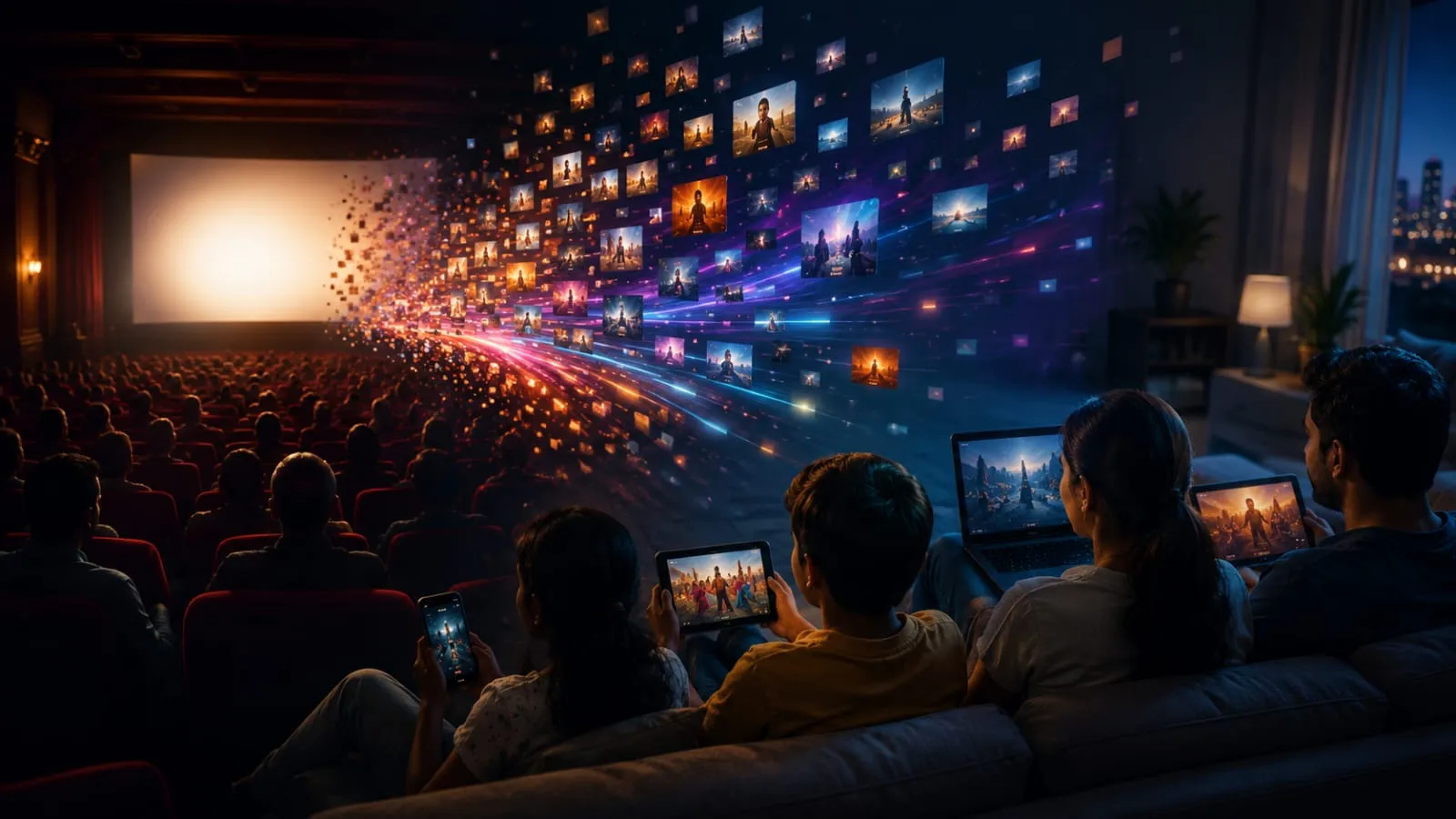
This broader movement increasingly says something larger about attention itself. Earlier generations often consumed entertainment through shared timing because audiences largely moved together. Today consumption appears fragmented because viewers frequently create personalized experiences. Success therefore increasingly becomes harder to define because one film may dominate theatres while another quietly generates enormous digital engagement.
Perhaps that explains why this conversation increasingly feels larger than streaming platforms or content calendars. Because beneath discussions involving OTT releases ultimately exists another reality involving how entertainment itself now works. Industries spent decades asking whether audiences would come to stories.
Today stories increasingly go where audiences already are.