Why Green SM Limo's India Launch Could Change The Future Of Ride-Hailing
India's Ride-Hailing Market Just Got A New Competitor. But The Bigger Story Is How Global Electric Mobility Companies Are Beginning To View India As Their Next Major Battleground.
India's transportation landscape has undergone a dramatic transformation over the past decade.
What was once a market dominated by traditional taxis and auto-rickshaws evolved into one of the world's largest ride-hailing ecosystems. Companies such as Uber and Ola fundamentally changed how millions of Indians move around cities, creating a market that now serves everything from daily office commutes to airport transfers and late-night travel. Yet despite the scale of this growth, one challenge has remained difficult to solve: how to make urban transportation cleaner, more sustainable and less dependent on fossil fuels.
That challenge is creating new opportunities.
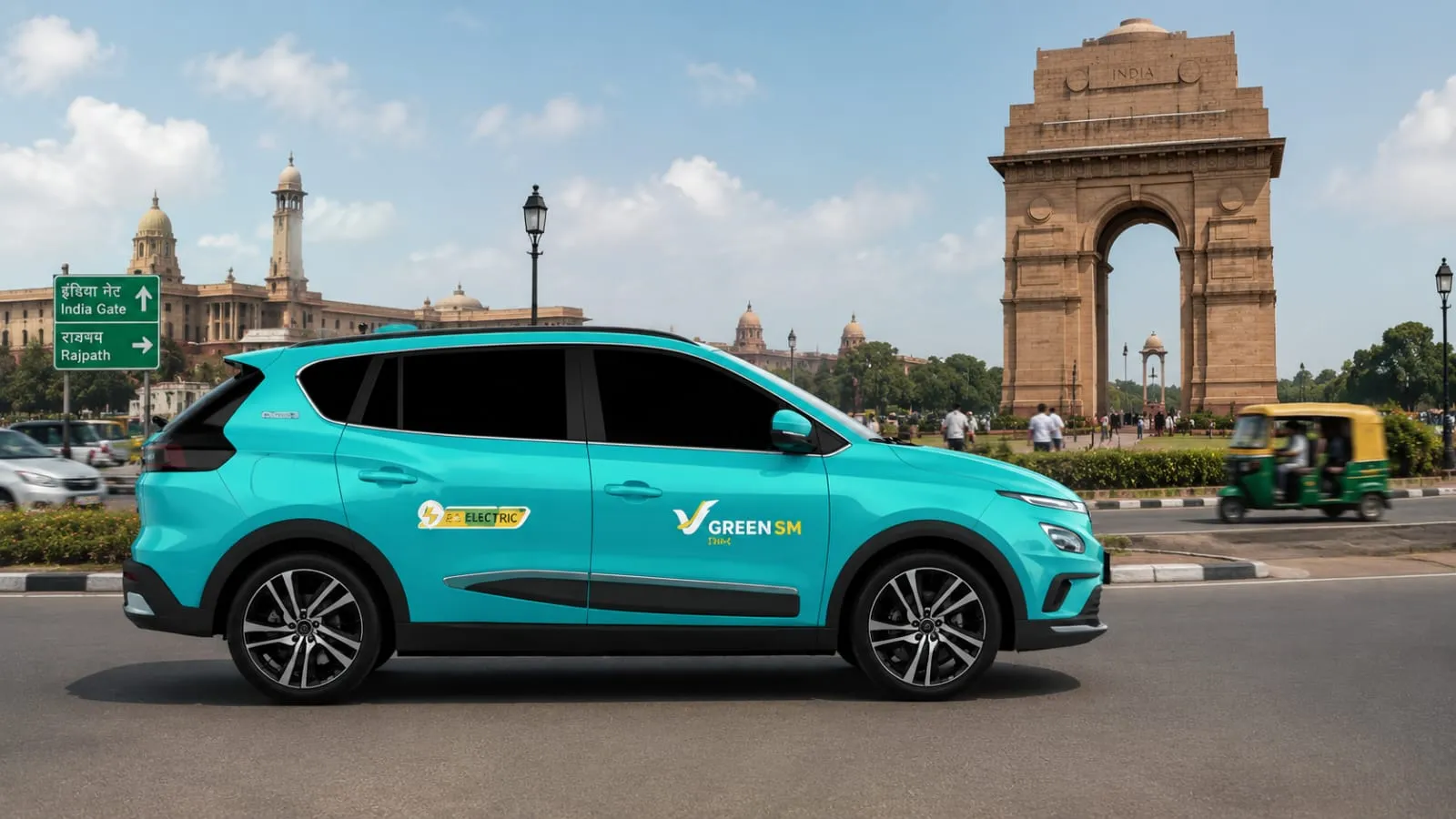
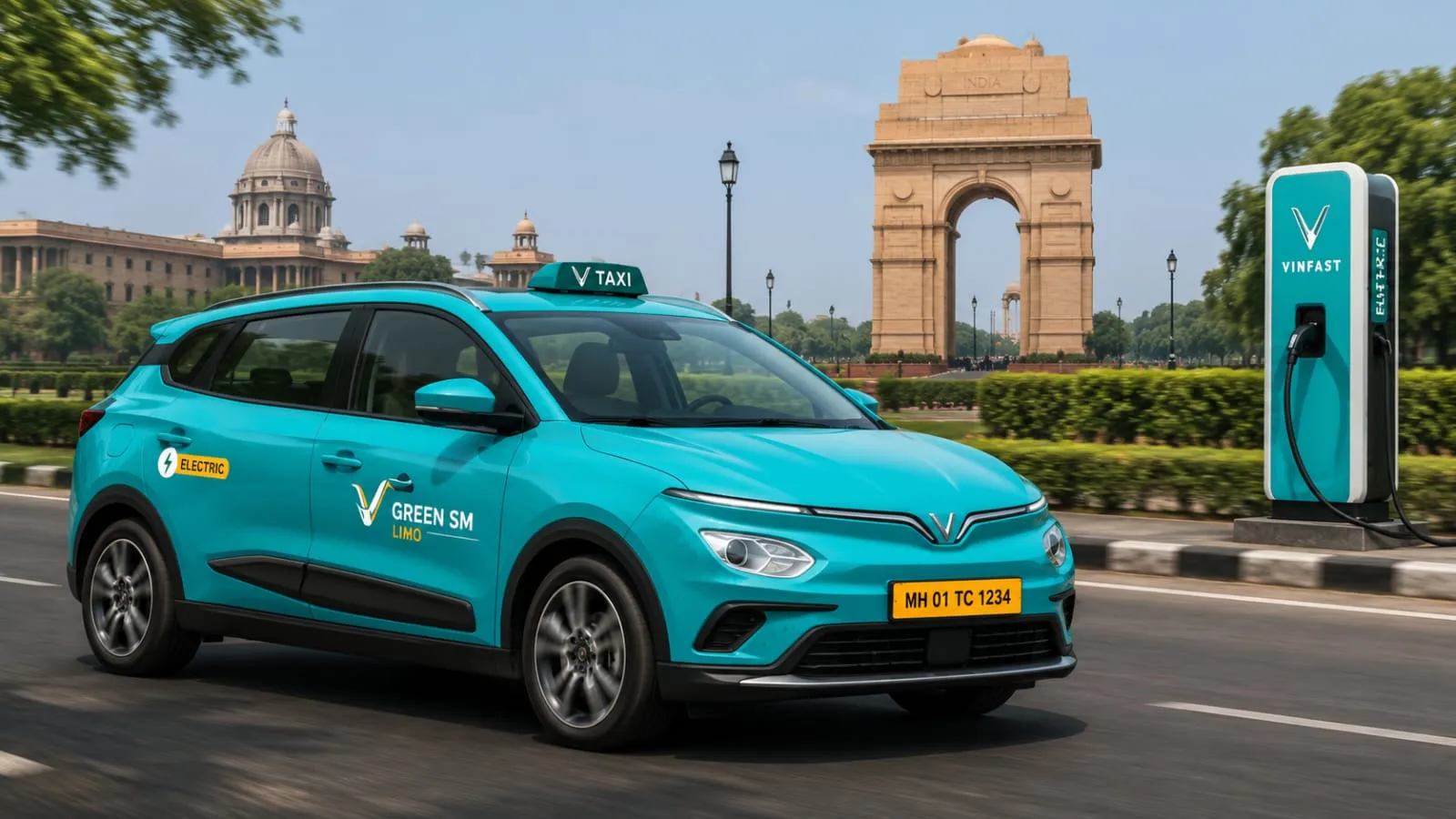
On June 5, 2026, Green SM Limo, the all-electric ride-hailing service operated by Vietnam's Vingroup, officially began operations in India, starting with Delhi-NCR. The company plans to deploy around 10,000 electric vehicles in the region, making it one of the most ambitious electric mobility launches the country has seen in recent years.
The development is significant not simply because another ride-hailing company has entered India. It is significant because it reflects how international mobility players increasingly view India as one of the most important electric transportation markets in the world.
Why India Matters To Global Mobility Companies
For mobility companies seeking growth, few markets offer the combination of scale, urbanization and rising demand that India provides.
Every year, millions of people migrate toward urban centers. Traffic congestion continues to increase, public transportation systems face mounting pressure and consumers are becoming more comfortable using app-based services for everyday transportation. At the same time, governments across India are encouraging electric vehicle adoption through incentives, infrastructure investments and sustainability goals.
The result is a market that appears increasingly attractive to companies focused on electric mobility.
While electric vehicles have gained traction in two-wheelers and commercial fleets, large-scale electric ride-hailing remains a relatively open opportunity. Many consumers want cleaner transportation options, but widespread adoption depends on factors such as vehicle availability, charging infrastructure and service reliability.
Green SM Limo appears to be betting that these conditions are now improving fast enough to support an electric-only strategy.
More Than A Ride-Hailing Company
One reason industry observers are paying attention to Green SM Limo is the ecosystem behind it.
The company is backed by Vingroup, one of Vietnam's largest business conglomerates and the parent organization behind electric vehicle manufacturer VinFast. Unlike many ride-hailing startups that depend on third-party vehicle owners, Green SM operates within a broader electric mobility ecosystem that includes vehicle manufacturing, technology and transportation services.
This structure offers potential advantages.
By integrating electric vehicle production with transportation services, the company can potentially maintain greater control over vehicle quality, fleet expansion and operational efficiency. It also creates opportunities to accelerate EV adoption by directly placing electric vehicles into daily commercial use rather than waiting for individual consumer purchases.
That strategy has already attracted attention in Vietnam and now appears to be expanding internationally.
Delhi-NCR Is The Perfect Testing Ground
The decision to launch in Delhi-NCR is unlikely to be accidental.
The region is one of India's largest urban mobility markets, with millions of daily commuters and significant demand for app-based transportation. It is also a city that has spent years confronting air pollution challenges, making electric transportation an increasingly important public policy objective.
For an electric ride-hailing operator, Delhi-NCR offers both opportunity and visibility.
Success in the capital region would demonstrate that a large-scale electric fleet can operate efficiently in one of the country's busiest transportation environments. It would also provide valuable operational data before potential expansion into other major cities such as Mumbai, Bengaluru, Hyderabad and Chennai.
The planned deployment of around 10,000 vehicles indicates that Green SM is not approaching India cautiously. Instead, it appears to be entering with meaningful scale from the beginning.
A New Competitive Chapter For Ola And Uber
The arrival of Green SM also introduces a new competitive dynamic into India's ride-hailing sector.
For years, the market conversation has largely revolved around Uber and Ola, with newer players attempting to carve out niches through pricing strategies, regional focus or alternative business models. Green SM brings a different proposition: a fleet built entirely around electric mobility.
That positioning could resonate with a growing segment of environmentally conscious consumers while also appealing to corporate clients seeking sustainability-focused transportation solutions.
Competition may ultimately benefit customers.
New entrants often encourage innovation, improved service quality and more aggressive investments in technology and customer experience. As companies compete for riders and drivers, consumers typically gain access to better options and more specialized services.
The rise of electric-only fleets could also accelerate broader adoption of EVs across the transportation ecosystem.
The Bigger Story Is India's EV Future
Perhaps the most important aspect of Green SM's launch is what it says about India's evolving role in the global electric vehicle economy.
Not long ago, conversations about electric mobility were largely centered around China, Europe and the United States. Today, India is increasingly becoming part of that discussion. Rising EV adoption, expanding charging infrastructure and supportive policy frameworks are attracting attention from global investors and mobility companies alike.
Green SM's decision to enter India is therefore not merely a business expansion. It is a vote of confidence in the country's long-term electric mobility potential.
International companies rarely commit substantial resources to markets they view as uncertain. Deploying thousands of electric vehicles signals belief in both consumer demand and the broader direction of India's transportation sector.
The Road Ahead
The success of Green SM's India venture is far from guaranteed.
The company will need to navigate intense competition, operational complexities, charging infrastructure requirements and the unique challenges of India's highly dynamic transportation market. Consumer adoption, driver engagement and service quality will ultimately determine whether the strategy succeeds.
Yet regardless of the outcome, the launch marks an important moment.
India's ride-hailing industry is entering a new phase where the competition is no longer simply about who can offer the fastest ride or the lowest fare. Increasingly, it is becoming a contest over who can build the most sustainable and scalable transportation network for the future.
Green SM Limo's arrival suggests that the next chapter of urban mobility may be written not just by technology platforms, but by companies betting that electric transportation will become the default way cities move.
And if that prediction proves correct, June 2026 may be remembered as the moment a new electric mobility race truly began in India.