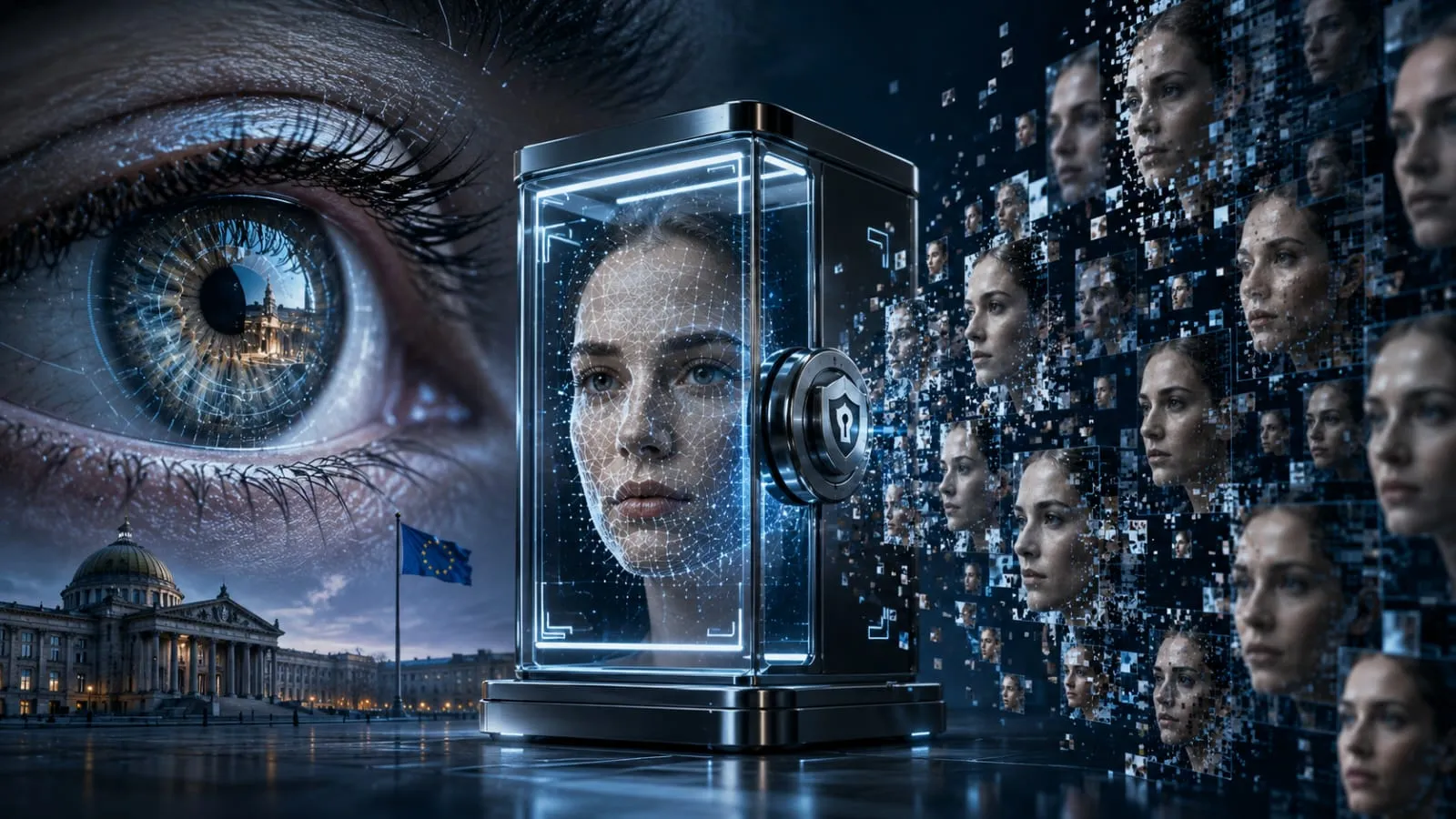
AI Deepfakes Have Become Such A Serious Problem That Denmark Is Proposing One Of The World's Most Aggressive Digital Identity Protections. The Move Could Reshape How Governments Think About Ownership In The AI Era.
For centuries, copyright laws were designed to protect creative work.
Books, paintings, music, films and photographs all received legal protections because society recognized that creators should have rights over what they produce. Artificial intelligence is now forcing lawmakers to confront a very different question. What happens when the thing being copied is not a song or a movie, but a person's face, voice or identity? As AI-generated content becomes increasingly realistic, governments around the world are struggling to keep pace with technology capable of creating convincing digital replicas of real people. Denmark believes the solution may involve treating personal identity itself as something worthy of legal protection.
The proposal reflects growing concern about how quickly deepfake technology is advancing.
Only a few years ago, creating realistic fake videos required significant technical expertise. Today, powerful AI tools can generate convincing images, videos and voice recordings within minutes. Public figures have become frequent targets, but ordinary individuals are increasingly vulnerable as well. A person's image can be manipulated, their voice can be cloned and their likeness can be inserted into content they never created. The speed and accessibility of these technologies have transformed deepfakes from a niche internet phenomenon into a broader social and political challenge.
The Debate Is No Longer About Technology. It Is About Ownership.
Denmark's proposed approach is significant because it changes how the problem is framed.
Most governments have focused on regulating harmful AI content after it appears. The Danish proposal moves further upstream by asking a more fundamental question: who owns a person's digital identity? If someone cannot legally reproduce copyrighted music without permission, should they be allowed to reproduce another person's face or voice using artificial intelligence? By exploring copyright-style protections for personal likenesses, policymakers are effectively redefining digital identity as a form of intellectual property.
That shift could have major implications far beyond Denmark.
The AI industry has largely developed in an environment where enormous quantities of data, images and content are used to train increasingly powerful systems. As synthetic media becomes more realistic, the distinction between original and generated content becomes harder to identify. Giving individuals stronger rights over their own image could create new legal standards affecting technology companies, content creators, advertisers and social media platforms. What begins as a national policy experiment could eventually influence broader international discussions about digital rights.
Why Deepfakes Have Become A Global Concern
The urgency behind these discussions stems from the scale of the problem.
Deepfake technology is no longer limited to entertainment or internet pranks. Governments worry about misinformation campaigns. Businesses worry about fraud and impersonation. Individuals worry about reputation damage and privacy violations. Financial institutions have reported increasing concerns around AI-generated identity fraud, while public officials have warned about the potential use of synthetic media during elections and geopolitical conflicts. As AI tools become cheaper and more accessible, the barriers preventing misuse continue to fall.
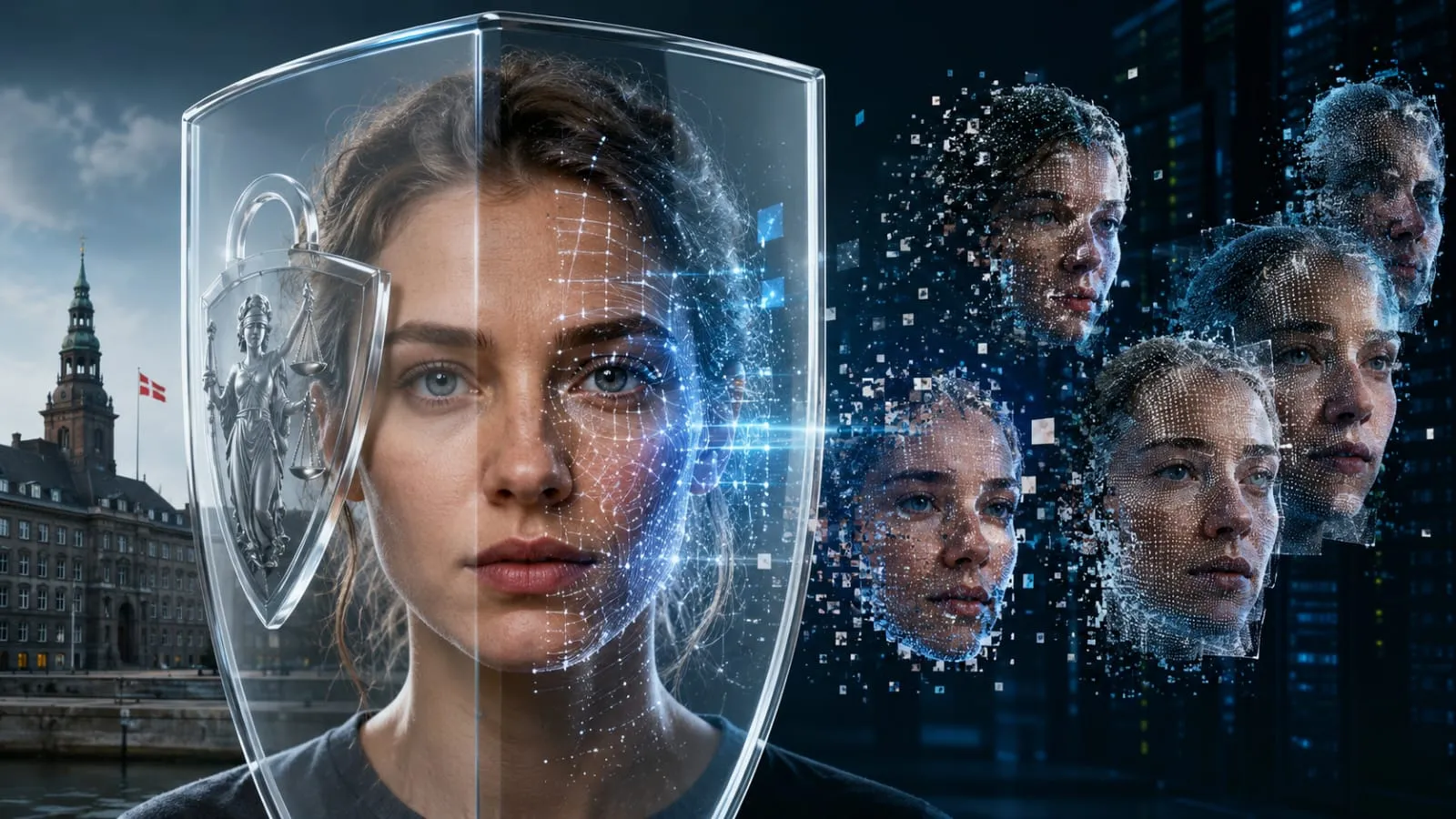
Women have been disproportionately affected by some forms of deepfake abuse.
Experts have repeatedly highlighted the rise of non-consensual synthetic content targeting women, raising questions about privacy, safety and legal accountability. Existing laws often struggle to address these cases because regulations were written before AI-generated media became widely available. Policymakers increasingly recognize that reactive enforcement may not be sufficient when synthetic content can spread globally within hours.
A New Category Of Digital Rights Could Be Emerging
If Denmark succeeds, the proposal could help create an entirely new category of legal protection.
Historically, societies have developed new rights when technological shifts created unforeseen risks. Industrialization led to labor protections. The internet era produced new privacy regulations. Artificial intelligence may now be driving the emergence of digital identity rights. Instead of viewing personal likenesses merely as characteristics, governments may begin treating them as assets that individuals can control, license or protect from unauthorized use.
Such a framework would represent a major change in how identity is understood.
For celebrities, athletes and creators, likeness rights already carry significant commercial value through endorsements and licensing agreements. AI expands the issue because anyone's identity can potentially be replicated. The technology effectively turns every individual into a source of digital content, whether they choose to participate or not. Stronger legal protections could therefore become relevant not only for public figures but also for ordinary citizens.
The Business Impact Could Reach Far Beyond Europe
Technology companies are watching these developments closely.
Generative AI businesses depend heavily on the ability to create realistic content, and stricter identity protections could introduce new compliance requirements. Platforms may need stronger verification systems. AI developers may face additional restrictions regarding training data and generated outputs. Advertising, entertainment and media companies could also encounter new licensing considerations when using AI-generated representations of real people.
At the same time, the changes could create entirely new markets.
Identity verification, digital rights management and AI authentication services may become increasingly valuable as governments seek ways to distinguish authentic content from synthetic media. Companies capable of helping users control, monitor and protect their digital identities could benefit from growing demand. Just as cybersecurity emerged as a major industry during the internet era, digital identity protection may become a significant sector during the AI era.
The Bigger Question Facing Governments Everywhere
Denmark's proposal ultimately reflects a broader reality.
Artificial intelligence is advancing faster than many legal systems were designed to handle. Policymakers are increasingly confronting questions that previous generations never imagined. Who owns an AI-generated voice? Who is responsible when synthetic content causes harm? How should societies balance innovation with individual rights? These debates will likely define technology policy for years to come.That is why Denmark's move matters.
The proposal is not simply about deepfakes.It is about whether individuals will retain control over their own identities in a world where artificial intelligence can reproduce them instantly.And as AI becomes more powerful, that question may become one of the most important digital rights debates of the decade.