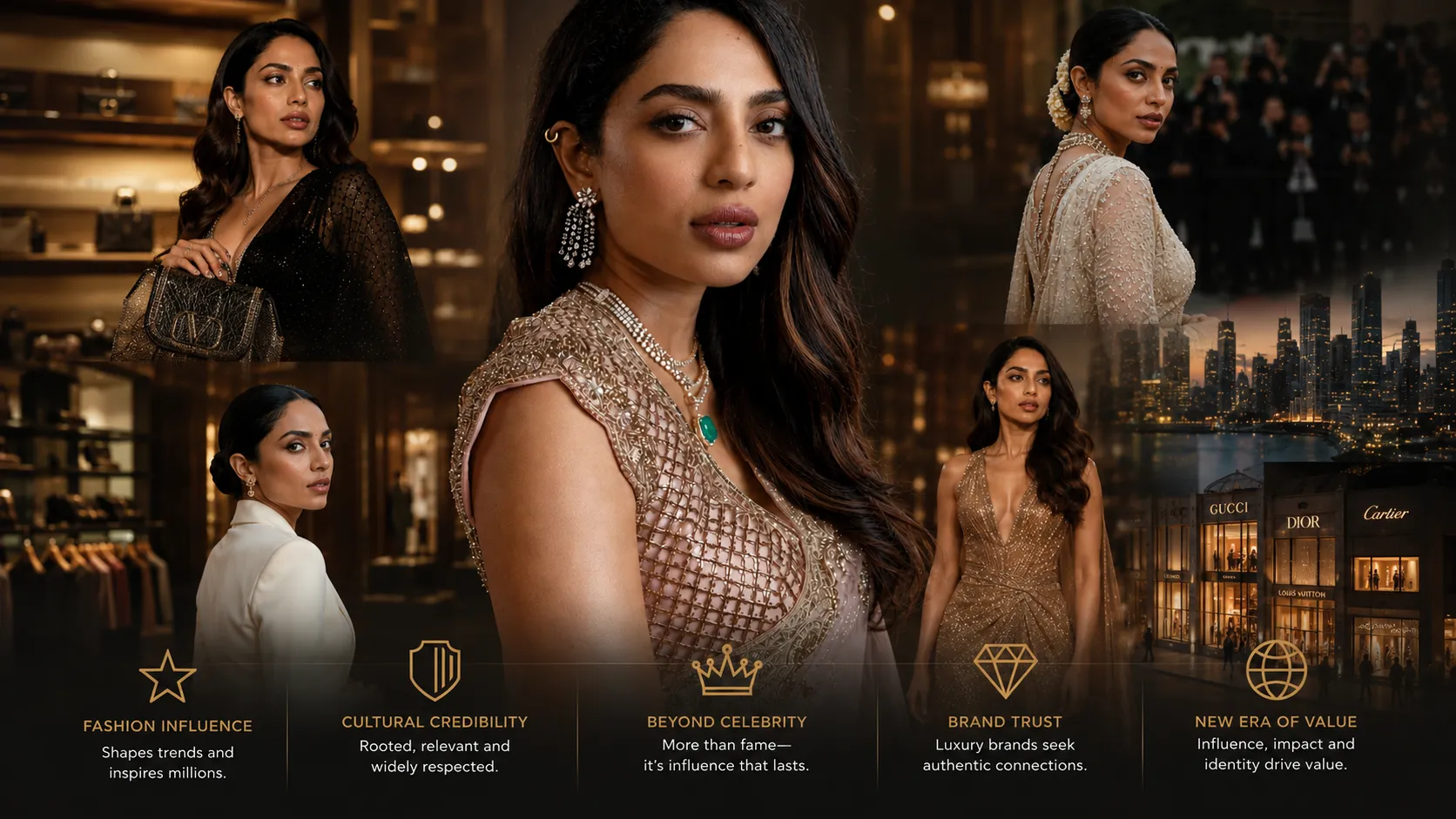
Luxury Brands Are Increasingly Prioritizing Cultural Relevance, Fashion Authority And Audience Perception Over Traditional Box-Office Metrics
For decades, celebrity influence in India followed a relatively straightforward formula.
The biggest film stars attracted the biggest endorsement deals because visibility was largely driven by commercial success at the box office. Brands preferred actors with massive audience reach, mainstream recognition and consistent blockbuster performances because fame itself was viewed as the strongest marketing asset. In that environment, commercial success in cinema often translated directly into commercial success in advertising.
That equation is becoming more complicated.
Today, luxury brands are increasingly evaluating celebrities through a broader lens that includes fashion influence, cultural relevance, digital visibility and audience perception. As a result, personalities who may not necessarily dominate box-office charts are becoming highly attractive to premium brands. Sobhita Dhulipala’s growing presence within luxury fashion conversations reflects this shift particularly well because her influence is increasingly being shaped by cultural positioning rather than traditional measures of celebrity success.
What makes her rise interesting is that it highlights how luxury branding itself is changing.
The luxury industry no longer relies solely on mass visibility because modern consumers often value aspiration, taste and identity as much as familiarity. Premium brands increasingly want ambassadors who align naturally with their image rather than simply offering the largest audience possible. In many cases, perceived sophistication, aesthetic consistency and cultural credibility create stronger brand alignment than raw popularity.
Sobhita occupies that space effectively.
Over the past several years, she has built a public image closely associated with fashion, art, design and contemporary culture because her visibility extends beyond film releases alone. Whether through editorial shoots, international fashion events, designer collaborations or digital presence, she has cultivated an identity that feels highly compatible with luxury positioning. This allows brands to see her as more than an actor. She becomes part of a broader lifestyle narrative.
Fashion Is Becoming A Form Of Influence
One of the biggest changes in celebrity culture is the growing importance of fashion capital.
In earlier decades, fashion often functioned as a secondary extension of celebrity status because audiences primarily engaged with actors through films. Social media, digital publishing and global fashion ecosystems have changed that dramatically. Today fashion itself creates influence because consumers actively follow style conversations, designer partnerships and luxury trends independently of entertainment projects.
This benefits personalities who maintain strong aesthetic identities.
Luxury brands increasingly seek ambassadors capable of shaping cultural conversations around style because fashion consumers often respond to authenticity rather than overt marketing. A celebrity who consistently demonstrates a clear personal aesthetic becomes more valuable than one who participates only occasionally in fashion campaigns. Consistency creates trust, and trust creates aspiration.
Sobhita’s rise reflects this reality.
Her fashion presence often feels integrated into her public persona rather than attached temporarily for promotional purposes. Audiences perceive her as someone genuinely connected to design, fashion and culture, which strengthens her appeal to luxury marketers looking for authenticity. In an industry built on perception, that distinction can be extremely valuable.
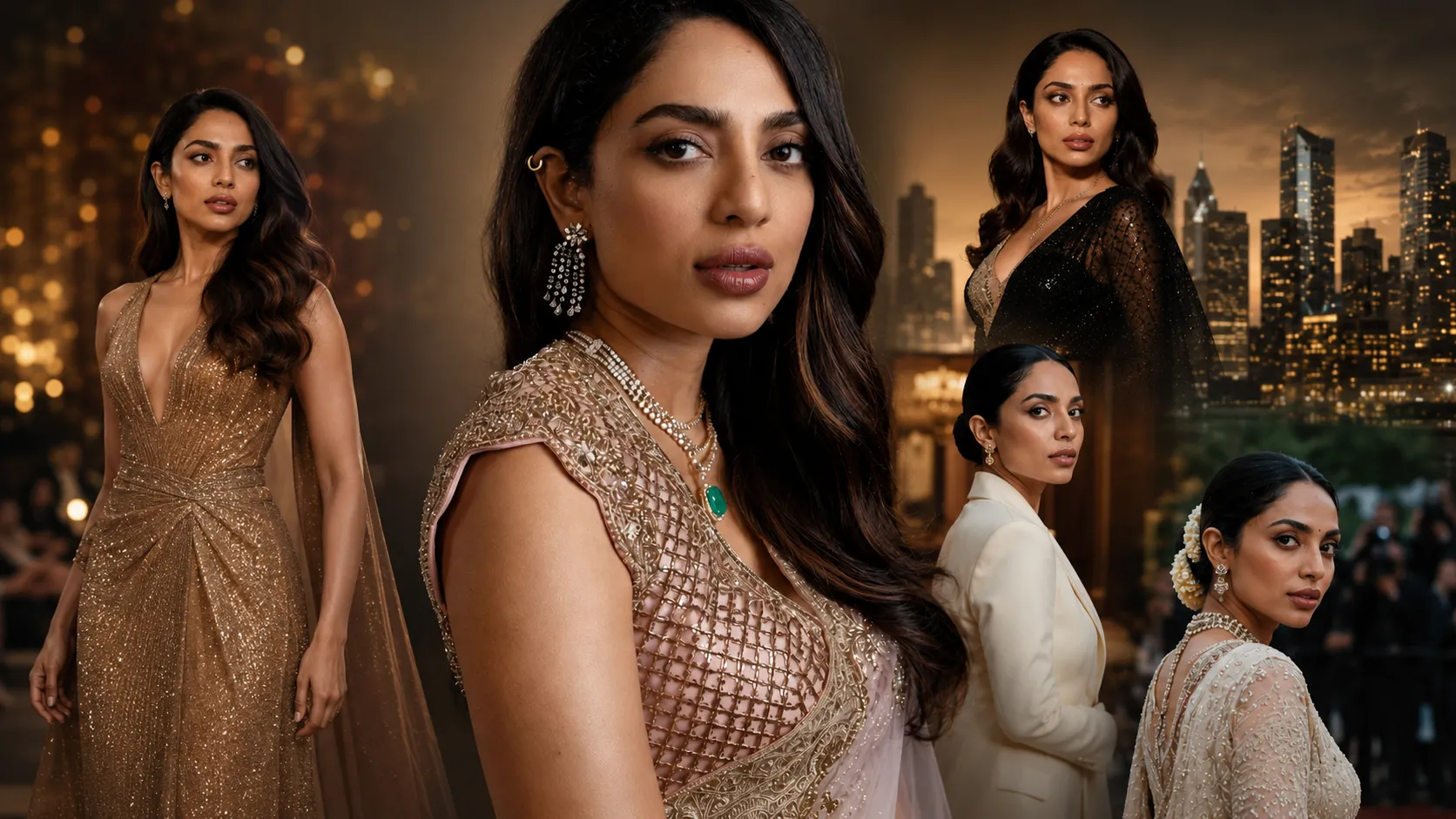
The Luxury Consumer Is Changing
The shift is also being driven by changing consumer behavior.
Younger luxury buyers increasingly discover brands through digital platforms, fashion media and cultural communities because purchasing decisions are influenced by identity and storytelling as much as product quality. Consumers are not simply buying luxury goods. They are buying into lifestyles, aesthetics and value systems. This changes how brands choose ambassadors.
As a result, cultural relevance often matters more than mainstream fame.
Luxury marketers increasingly ask whether a celebrity can influence perception within specific audiences rather than whether they are universally recognizable. Someone with strong credibility among fashion-conscious consumers may create more value for a premium brand than a larger celebrity whose image feels less aligned with luxury positioning.
This represents a major departure from earlier endorsement strategies.
Historically, celebrity marketing often focused on maximizing reach because traditional media offered limited targeting options. Digital platforms now allow brands to engage highly specific audiences with far greater precision. Luxury brands therefore prioritize influence quality over influence quantity because relevance frequently produces stronger outcomes than scale alone.
Celebrity Branding Is Becoming More Specialized
The broader celebrity economy is becoming increasingly fragmented.
Different public figures now dominate different areas of culture because audiences consume entertainment, fashion, sports and digital content through specialized ecosystems. This creates opportunities for individuals who may not be the most famous celebrities overall but possess significant authority within specific cultural spaces. Influence becomes multidimensional rather than universally defined.
Sobhita’s trajectory fits neatly within this evolution.
Her value comes not from competing directly with mainstream superstar metrics but from occupying a distinctive position within contemporary culture. Fashion, design, premium branding and global aesthetics increasingly shape how audiences perceive her. That combination allows her to attract opportunities that may not depend on blockbuster film success at all.
The phenomenon is becoming increasingly common worldwide.
Luxury brands across global markets frequently partner with individuals who possess strong cultural influence even if they are not traditional mass-market celebrities. Fashion authority, artistic credibility and audience trust often create more effective partnerships because they align closely with how luxury consumers make decisions.
That helps explain why Sobhita Dhulipala’s fashion rise matters beyond fashion itself.
.