
In an update issued on June 8, the UK government extended the window during which expired BRPs and Biometric Residence Cards can still be used for everyday, on-shore purposes — pushing the cut-off from a previous June 2026 deadline out to December 31, 2026. It is the third time this deadline has moved, and for the hundreds of thousands of Indian nationals living in the UK on Skilled Worker visas, family visas, or Indefinite Leave to Remain, it offers real but limited relief.
How the UK Got Here
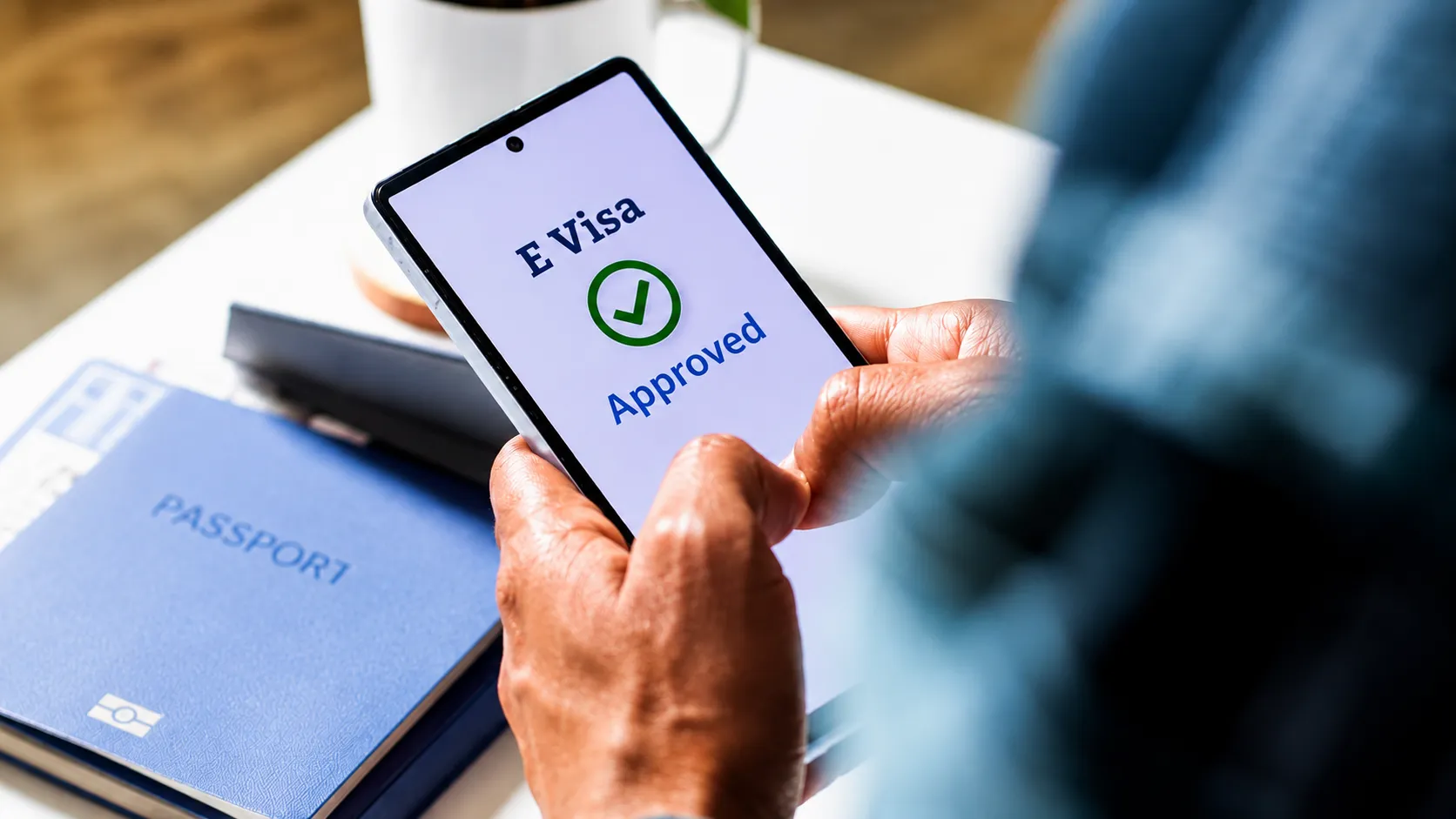
The shift away from physical immigration documents has been years in the making. The Home Office began nudging Biometric Residence Permit holders toward digital UKVI accounts as far back as 2023, before formally retiring all existing BRPs on December 31, 2024 — regardless of how long the underlying visa or settlement status was meant to last. From that date, the eVisa, a digital record tied to a person's passport and accessible through a UKVI account, became the primary way to prove immigration status in the UK. The transition to an entirely paperless system for new arrivals was completed on February 25, 2026, when the Home Office stopped issuing physical visa stickers and BRPs altogether for fresh grants of leave.
The trouble is that millions of existing residents didn't make the switch promptly. Transition emails sent by the Home Office were missed, landed in spam folders, or went to outdated addresses, and government data cited by parliamentary researchers estimated that around 300,000 UK residents still had not set up an eVisa as of April 2025. Each time that gap has shown little sign of closing, the Home Office has pushed the deadline back rather than risk a cliff-edge where large numbers of otherwise legally resident people suddenly cannot prove their status.
What the June 8 Extension Actually Covers
The new guidance allows an expired BRP to be used for on-shore purposes — proving the right to work to an employer, the right to rent to a landlord, or dealing with government agencies — for up to 24 months after the expiry date printed on the card, or until December 31, 2026, whichever comes first. For Biometric Residence Cards linked to the EU Settlement Scheme specifically, the runway is far longer: those remain usable for EUSS purposes all the way out to 2030.
What hasn't changed is travel. An expired BRP, however generous the on-shore concession, is not valid for boarding a flight, ferry, or international train. Airlines and other carriers check immigration status digitally before allowing passengers to travel, which means anyone planning a trip to India or anywhere else needs a properly functioning UKVI account, with their current passport correctly linked to it, regardless of what the calendar says about BRP leniency.
The Detail Many Indian Travellers Miss
That passport-linking requirement is where things tend to go wrong. An eVisa is tied to a specific passport number on record with the Home Office, not to the person generally. Renewing an Indian passport — a routine event for anyone living abroad long enough — without going back into the UKVI account to update the new passport details can result in denied boarding at the airport, even when the underlying visa or Indefinite Leave to Remain is entirely valid and unaffected by the renewal.
It is also worth being clear about what the extension does not do: it does not change anyone's actual immigration status. Indefinite Leave to Remain does not expire because the card that once represented it has expired. The practical problem for most affected people has never been their underlying status — it is proving that status to a system that increasingly only recognises digital records.
What Indian Nationals in the UK Should Do Now
For anyone still relying on a physical BRP, the process to set up an eVisa is free and runs through the official government portal. It requires the BRP card, a current passport, and an email address. Once the UKVI account is live, it gives access to a Share Code that can be handed to employers or landlords as proof of status, and lets the holder check that their current passport, contact details, and visa information are all correctly linked.
Immigration lawyers tracking the rollout have a consistent message: treat this extension as extra time to get the paperwork right, not as a reason to keep putting it off. Anne Morris, an immigration solicitor and managing director at the UK law firm DavidsonMorris, frames the core issue simply: for most affected people, “an expired BRP and valid ILR are not mutually exclusive” — the settled status itself isn't in doubt, but proving it through the new digital system is where people keep tripping up. The Home Office has given no indication that December 31, 2026 will move again, and with this being the third extension already granted, there is little appetite within the department to keep revisiting a deadline that was originally meant to have passed eighteen months ago.
The Bigger Picture
For India's diaspora community in Britain — among the largest groups of foreign nationals navigating this transition — the repeated extensions reflect both the scale of the migration involved and the genuine friction of moving an entire country's immigration records onto a single digital system. The leniency is real, and it matters for day-to-day life: renting a flat, starting a new job, or simply proving who you are to a government office. But it is a grace period, not a reprieve. The clock is still running, and this time, the Home Office is signalling that December 2026 is meant to be the line.