ImpactImpact in Motion

U.S.–China Trade Talks: Tensions Persist After Trump–Xi Beijing Summit

Beijing — What was billed as a summit to steady ties between the world’s two largest economies instead underlined how much remains unresolved between Washington and Beijing. President Donald Trump and President Xi Jinping spent nearly three hours in talks that covered tariffs, semiconductors, agricultural purchases, energy cooperation, Taiwan and artificial intelligence — and left the core disagreements intact.

By Shyam15 May 2026New
U.S.–China Trade Talks: Tensions Persist After Trump–Xi Beijing Summit

Both sides called the meeting “constructive,” and officials said the summit produced a framework for continued engagement. But absent were any major, binding agreements to remove the trade and technology barriers that have come to define bilateral relations.

What emerged from the talks
Officials on both sides pointed to four modest outcomes: discussions about reducing tariffs on selected non-sensitive goods; possible increases in Chinese purchases of U.S. agricultural products and energy; continued dialogue on AI and semiconductor export controls; and an agreement to keep diplomatic channels open. Still, negotiators did not resolve the fundamental tensions that have driven years of friction.

Tariffs remain a major flashpoint
Tariffs continue to shape the economic relationship. The United States maintains substantial duties on many Chinese imports imposed during the Trump-era trade war and later expanded amid disputes over semiconductors, electric vehicles and other strategic industries. China has countered with tariffs and export restrictions on critical inputs such as rare earths.

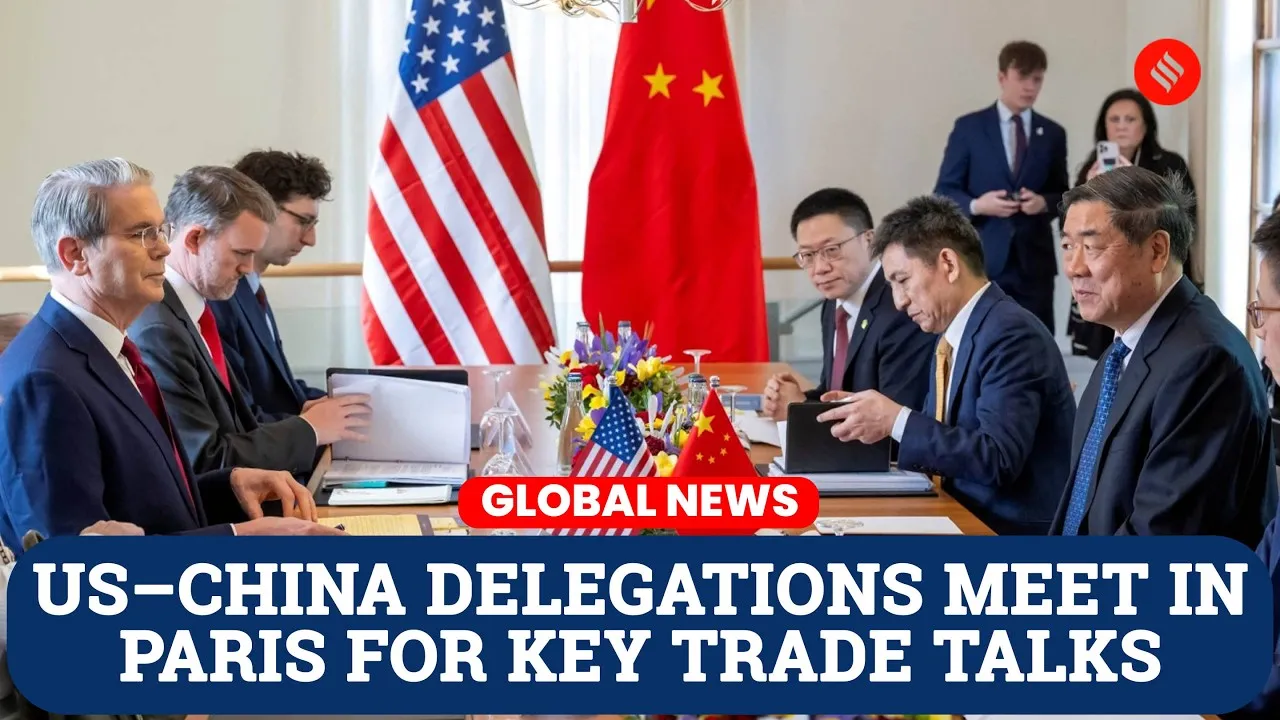
At the summit, U.S. officials pressed for broader market access for American firms while Chinese negotiators sought relief from technology and trade curbs. Delegations reportedly discussed tariff reductions on roughly $30 billion of goods, but no finalized deal emerged. Investors had hoped for a more sweeping agreement; markets reacted with disappointment at the lack of concrete commitments.

AI chips: the most sensitive battleground
Advanced semiconductors and AI technology were among the most sensitive issues on the agenda. Washington has tightened controls on exports of high-performance processors used in AI, supercomputing and certain military applications out of national security concerns.

U.S. officials reportedly approved limited sales of advanced chips to selected Chinese entities, though no deliveries have taken place. U.S. Trade Representative Jamieson Greer later said chip controls were “not a major topic” in formal talks, indicating little immediate progress. In response, Chinese tech firms including Alibaba, Tencent and ByteDance are accelerating efforts to develop domestic semiconductor capabilities — a move analysts say makes the restrictions a long-term structural barrier to normalizing trade ties.

“The Beijing summit provided a pause in tensions without producing the structural compromises needed for a durable reset.”
Beijing Summit

Agriculture and energy back on the table
Agricultural trade remains politically important in Washington and Beijing. The U.S. delegation pushed for renewed large-scale Chinese purchases of soybeans, corn, liquefied natural gas and other energy products, as well as Boeing aircraft. China signaled particular interest in increasing energy imports that could help diversify routes away from the Middle East and the Strait of Hormuz.

Past pledges of agricultural buying have often been only partially fulfilled, and trade experts caution that concrete commitments will be required to reassure U.S. farmers, who have faced years of volatility from tariffs and retaliatory measures.

maxresdefault (3).jpg

Geopolitics overshadow economics
Beyond commerce, strategic issues loomed large. Taiwan, China’s ties with Iran, AI leadership, supply-chain security and military competition in the Indo-Pacific heavily influenced the tone and limits of the discussions. Xi reportedly warned that mishandling Taiwan “could lead to clashes and even conflicts,” while U.S. officials reiterated support for Taiwan’s security.

Analysts say these geopolitical disagreements make a full economic reset unlikely. Both capitals appear focused on “managing rivalry” rather than resolving it — a posture that keeps space for tactical cooperation but blocks sweeping détente.

Market reaction and business implications
Markets took a cautious view. Semiconductor equities remained volatile, agricultural commodity traders tracked any signs of Chinese buying, and investors welcomed a lower risk of immediate escalation but noted little evidence of lasting reconciliation. For companies operating cross-border supply chains, the summit’s improved diplomatic tone offered short-term relief but did not remove uncertainty around tariffs, export controls and investment restrictions.

Why it matters globally
The U.S.–China relationship shapes global inflation, semiconductor supply chains, energy markets, shipping costs and technology standards. Any deterioration could ripple through industries worldwide; even limited cooperation between the two powers can help stabilize markets and investment sentiment. For now, the Beijing summit provided a pause in tensions without producing the structural compromises needed for a durable reset.

Reader reviews

Sign in to rate and review this article.
Loading reviews…