The Problem With How India Has Been Sold Beauty
To understand why the new generation of women-led beauty brands in India matters, it is necessary to understand what they are replacing — and the depth of the replacement they are undertaking.
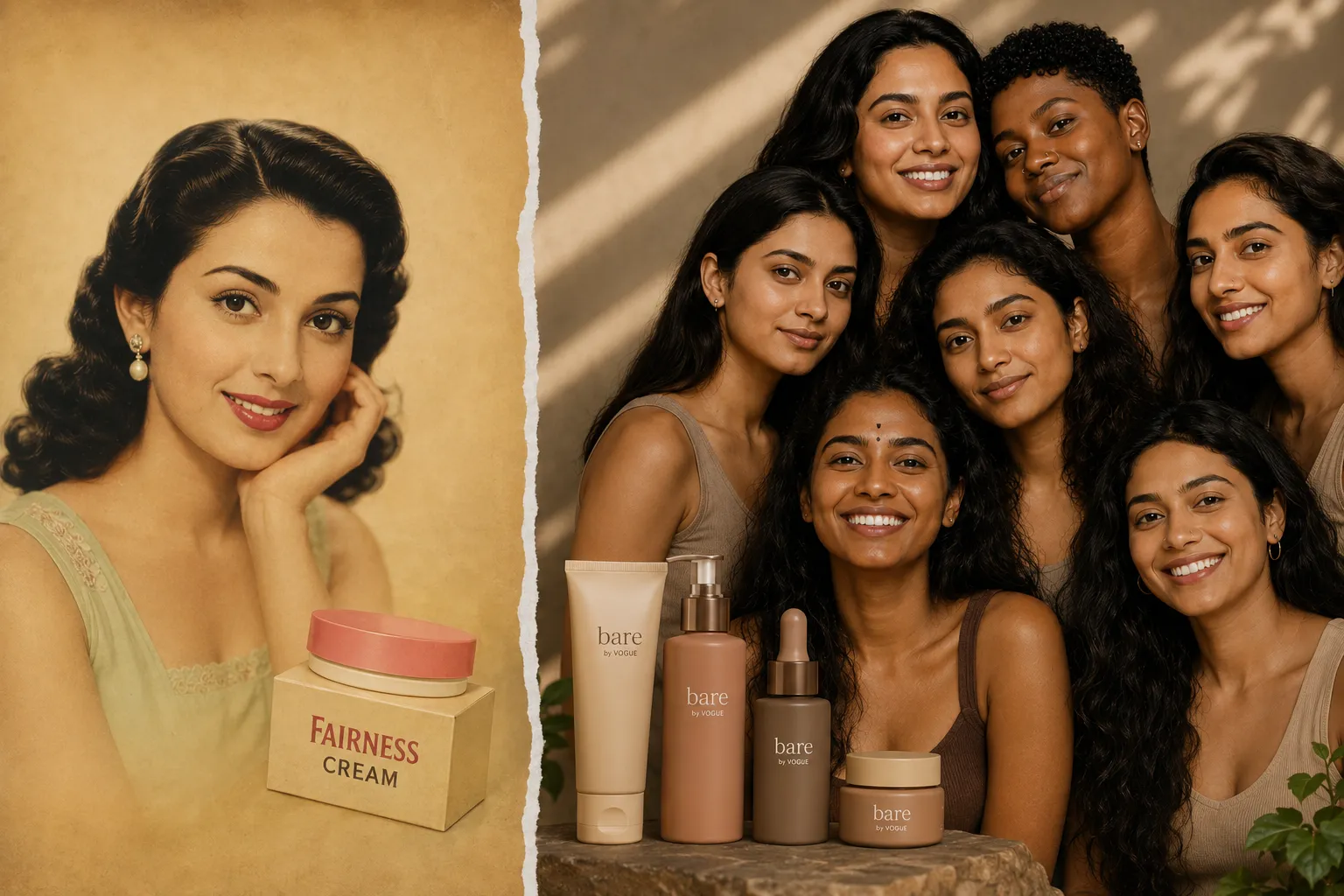
For most of the modern era of consumer marketing in India, the beauty industry operated on a premise that was both commercially convenient and culturally damaging: that beauty meant light skin, specific facial features associated with Northern European or East Asian aesthetics, and a standardized body type that bore little resemblance to the actual diversity of Indian women's bodies. This premise was made explicit in the fairness cream category — one of the largest and most profitable in Indian personal care — which sold whitening as aspiration and darker skin as a problem to be solved.
The cultural consequences of this marketing were not subtle. Multiple generations of Indian women grew up receiving the message, consistently and from trusted brand voices, that the bodies they inhabited were deficient in ways that products could correct. The psychological impact of this messaging — documented in research on body image, self-esteem, and the relationship between skin tone and self-worth in India — was significant and lasting.
The new generation of women-led beauty brands is not merely offering different products. It is offering a different premise: that beauty is not a standard to be achieved but an expression to be supported. That Indian women's diverse skin tones, body types, and aesthetic preferences are not variations from a norm but are themselves the norm — a norm that products should be built to celebrate rather than correct.
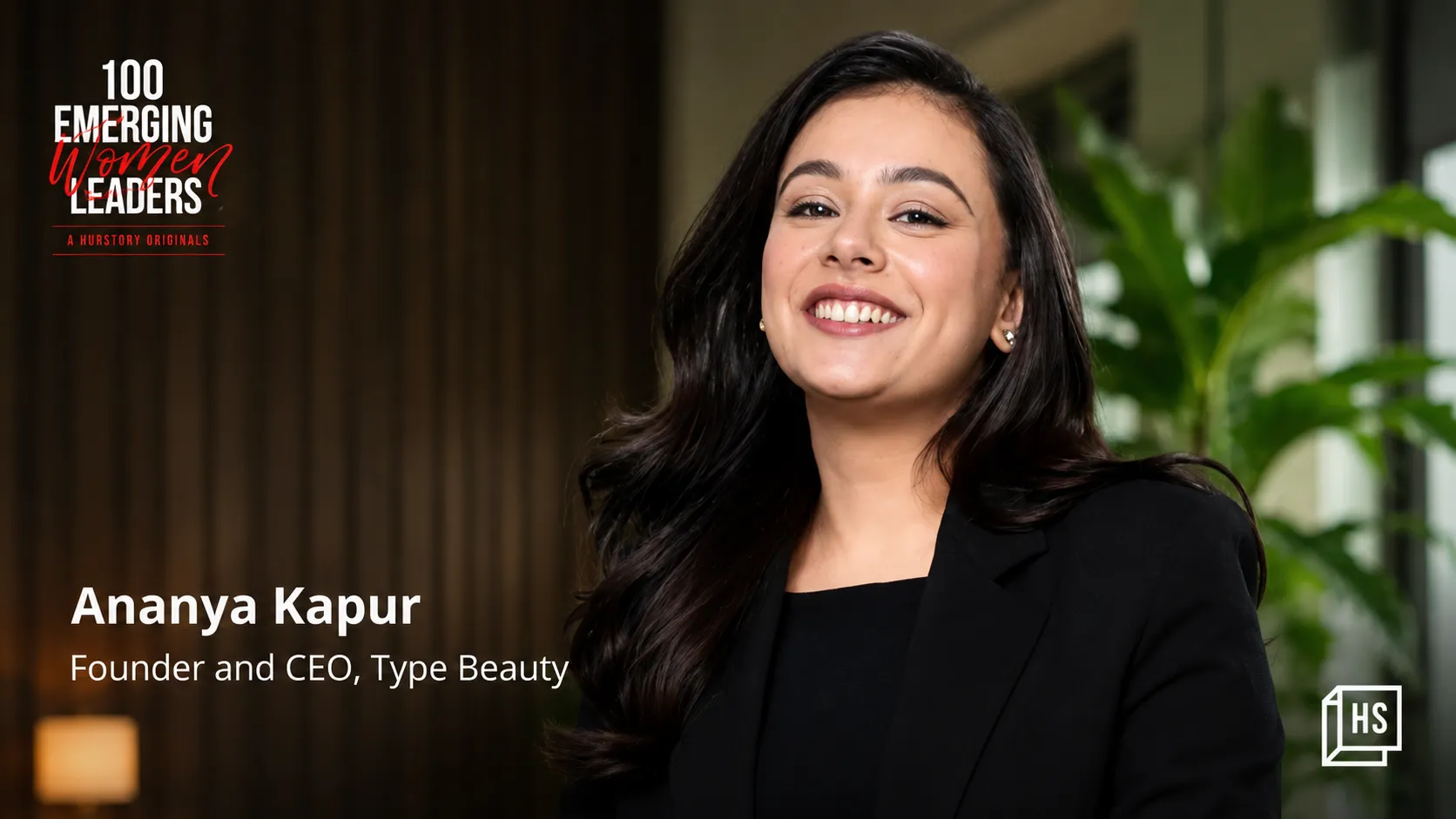
Ananya Kapur and Type Beauty: Building on a Radical Premise
Ananya Kapur's Type Beauty is among the most philosophically grounded expressions of this new approach. The brand's central premise — explicit in its marketing, embedded in its product development, and visible in every piece of content it produces — is that beauty should empower rather than conform. This sounds simple. It is not. Implementing it at the level of product development, brand positioning, and commercial execution requires challenging every assumption that decades of conventional beauty marketing has normalized.
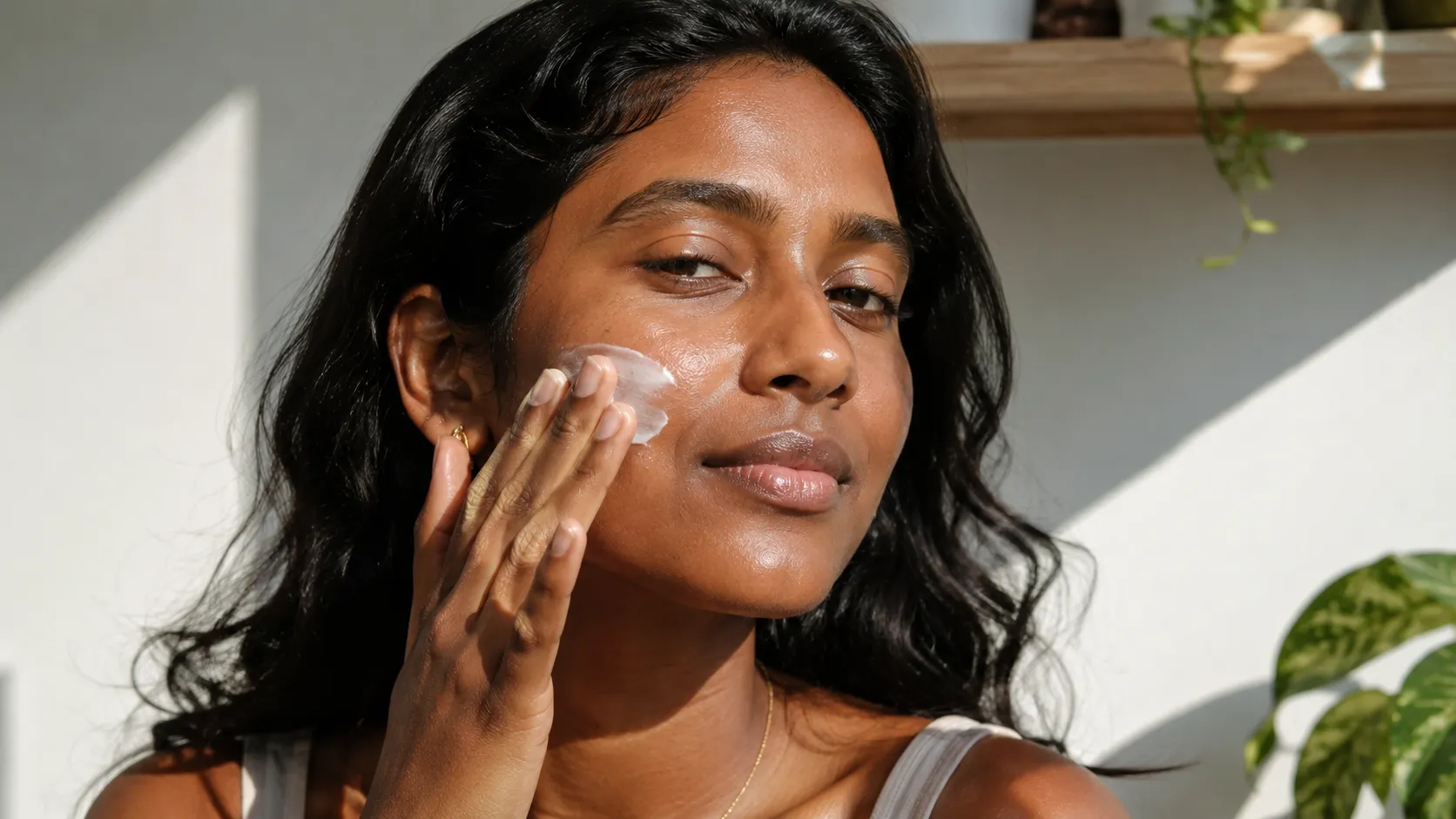
Type Beauty's product development begins with a question that most beauty brands never ask: what does this specific skin type, with its specific composition and specific needs, actually require? The answer, Kapur and her team have learned, varies enormously across the range of Indian skin — not just in tone but in oiliness, moisture retention, sensitivity, porosity, and response to environmental factors like humidity, pollution, and UV exposure. Building products that genuinely address this diversity means abandoning the industry's standard practice of formulating for a hypothetical universal skin type and then marketing to everyone.
The brand's visual identity reflects the same commitment. Type Beauty's campaigns feature real consumers — diverse in skin tone, age, body type, and aesthetic expression — photographed without the retouching that transforms marketing imagery into a fantasy that no actual consumer's mirror can reproduce. The effect is both commercially smart and culturally meaningful: commercially smart because the consumer who sees herself represented honestly in a brand's marketing is more likely to trust that brand's products; and culturally meaningful because representation in beauty marketing — the simple act of being shown, exactly as you are, in a context that says 'you belong here' — is more powerful than any clinical efficacy claim.
The Broader Movement: Community Over Virality
Type Beauty is not alone. It is part of a broader movement of women-led beauty and wellness brands that are building on similar premises — brands that understand their consumers as communities rather than demographics, that treat authenticity as a business strategy rather than a marketing tactic, and that measure success by the depth of consumer relationships rather than by the velocity of viral moments.
The commercial logic of this approach is becoming increasingly clear. In an era of abundant content and diminishing consumer attention, the brands that achieve genuine loyalty — the brands that consumers recommend to each other, write unprompted reviews about, return to repeatedly across years rather than product launches — are consistently the ones that have earned trust through honesty rather than purchased it through production value.
The women founders building these brands have a structural advantage in developing this kind of authentic trust: many of them have the same relationship with their target consumers that their consumers have with each other. They are not outside observers of their market; they are participants in it. They know from the inside what products their community needs, what messages resonate and which ring false, and what the difference feels like between being seen by a brand and being marketed at by one.
This insider knowledge, translated into product design and brand communication, creates consumer relationships that incumbents — large international beauty conglomerates and Indian companies built on older brand premises — find genuinely difficult to replicate. You cannot buy authenticity. You cannot acquire community. These things must be built, over time, through consistent and honest interaction with the people you are trying to serve. The women founders who are doing this work in India's beauty market are building something that, while it may appear fragile in the short term compared to the scale of established brands, is actually more durable over the long run.
From Vanity to Value: The Cultural Reckoning
The new wave of women-led beauty brands is participating in something larger than a commercial market shift. They are participating in a cultural reckoning — a broader reassessment of the values that Indian society projects onto women's bodies and the standards by which women's worth is measured.
This reckoning is happening in public discourse, in personal conversations, in social media communities where Indian women are sharing experiences of body image and self-acceptance with a candor that previous generations could not have managed — in public, at least. The beauty brands that are growing fastest in India's new consumer market are those that have aligned themselves with this reckoning, that have positioned themselves as participants in it rather than as sellers of products to people defined by their insecurities.
For The Impactful Global Indian, this alignment between commercial success and cultural progress is one of the most encouraging trends we observe in India's consumer economy. It suggests that the market — when it is served by founders with genuine insight and genuine values — is capable of rewarding both. The women building India's new beauty economy are demonstrating that it is possible to build companies that are financially excellent and culturally constructive simultaneously. That is a model worth watching, and worth learning from, for every founder building for India's enormously complex and enormously promising consumer market.


