For Years, The Technology Industry Has Talked About Increasing Female Participation In STEM. WitchHunt 2026 Is Taking A More Direct Approach: Giving Girls The Tools, Mentorship And Platform To Build AI Solutions Themselves.
Artificial intelligence is rapidly becoming one of the most important technologies shaping the global economy.
Governments are investing billions into AI infrastructure, companies are integrating machine intelligence into products and educational institutions are racing to prepare students for a future increasingly influenced by automation and advanced computing. Yet despite the excitement surrounding AI, one challenge continues to persist across the technology ecosystem. Women remain underrepresented in many STEM fields, particularly in areas related to advanced technology, engineering and artificial intelligence. While progress has been made over the years, participation gaps continue to influence who gets to build the technologies that will define the future.
The challenge begins much earlier than many people realize.
By the time students enter universities or apply for technology jobs, perceptions about career possibilities have often already been formed. Many young girls grow up without sufficient exposure to coding, product development, entrepreneurship or emerging technologies. Others may never have the opportunity to see women leading technical projects or building innovative companies. As a result, confidence gaps can emerge long before talent gaps ever do. Addressing the issue therefore requires more than recruitment initiatives. It requires creating opportunities where girls can engage directly with technology, leadership and innovation from an early stage.
That is the thinking behind WitchHunt 2026.
Organised by HopeWorks Foundation in partnership with AI4India and the Karnataka Digital Economy Mission, the initiative is being positioned as India's first AI-powered hackathon specifically designed to place girls and young women at the center of innovation. Rather than treating participation as an afterthought, the program is built around the idea that young women should be creators, builders and problem-solvers in the AI economy. The objective is not simply to teach technology skills but to create an environment where participants can develop confidence while solving real-world challenges.
The timing could hardly be more significant.
As artificial intelligence reshapes industries ranging from healthcare and education to finance and manufacturing, the people designing these systems will influence how they impact society. Ensuring that girls and young women are part of that process is becoming increasingly important not only from an inclusion perspective but also from an innovation perspective.
The Future Of AI Needs More Diverse Builders
One of the most important conversations happening around artificial intelligence today involves representation.
AI systems increasingly influence hiring decisions, healthcare recommendations, financial services and countless other aspects of daily life. When the teams building these technologies come from limited backgrounds or experiences, there is a greater risk that important perspectives may be overlooked. Diversity is therefore not simply a social objective. It is increasingly viewed as a competitive advantage and a critical ingredient for responsible innovation.
Programs like WitchHunt 2026 seek to address this challenge at its roots.
By introducing girls to AI development, problem-solving and collaborative innovation early in their educational journeys, the initiative helps expand the pool of future technologists. Participants are encouraged to move beyond consuming technology and begin creating it. This shift in mindset can be transformative because it changes how young women see their role within the technology ecosystem.
The impact extends beyond individual participants.
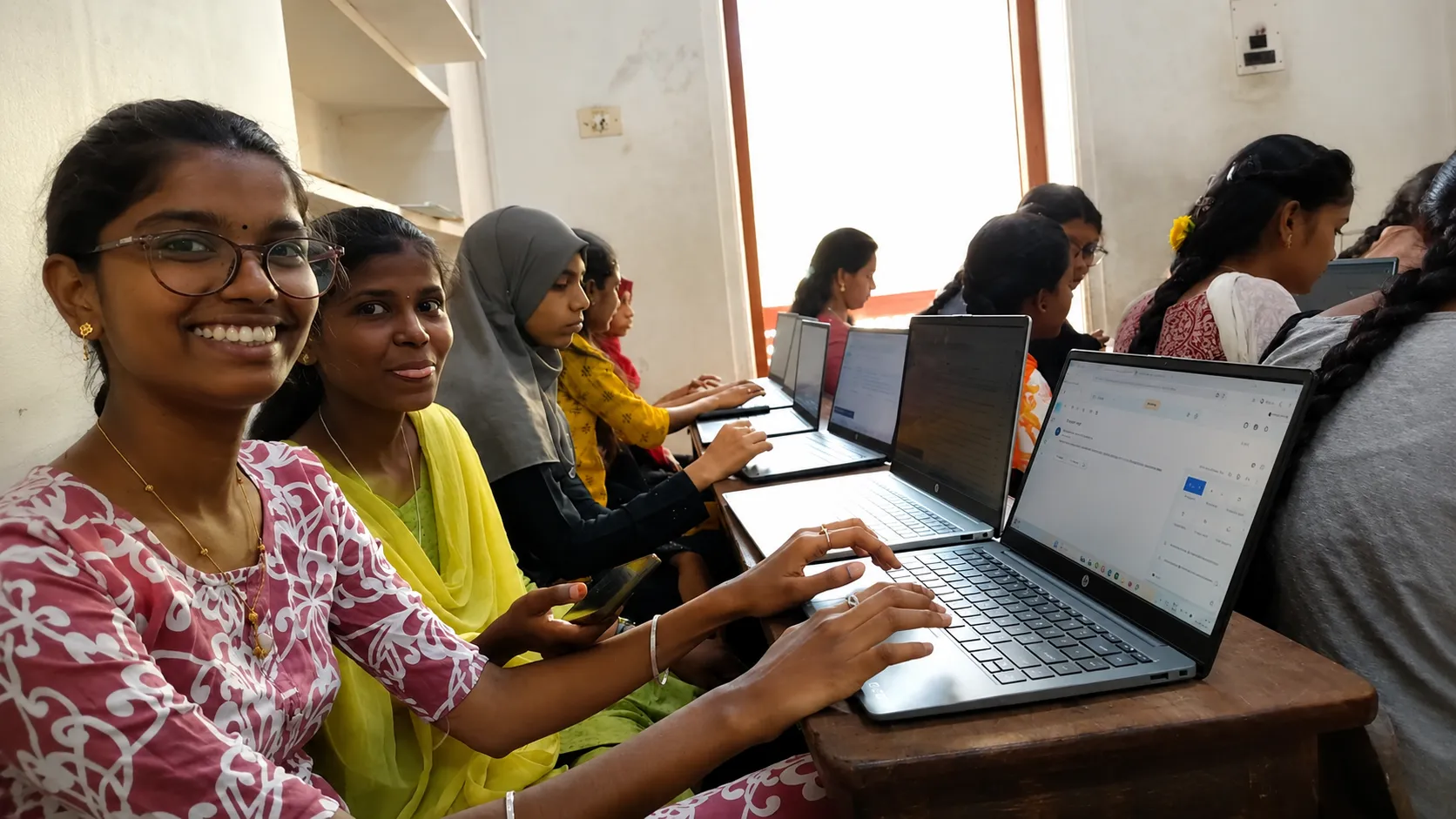
When more girls enter STEM pathways, universities, startups and technology companies gain access to broader talent pools. Over time, this can influence the types of products being built, the problems being prioritized and the solutions being developed.
Innovation becomes stronger when more voices contribute to shaping it.
AI Education Is Becoming A National Priority
The emergence of initiatives like WitchHunt also reflects a broader shift in how India views digital skills.
Artificial intelligence is increasingly seen as a strategic capability that will influence economic competitiveness in the decades ahead. Governments, educational institutions and industry groups are investing heavily in digital-skilling programs because they recognize that future opportunities will depend on technological literacy. Preparing young people for this reality has become a priority across multiple sectors.
The challenge is ensuring these opportunities reach everyone.
Historically, access to advanced technology education has often been uneven, influenced by geography, socioeconomic factors and gender. Programs specifically designed for girls help address some of these barriers by creating environments where participants can explore technology without intimidation or exclusion.
WitchHunt 2026 sits directly within this movement.
Its focus on artificial intelligence aligns with broader national efforts to build future-ready talent while ensuring that women play a meaningful role in India's digital transformation.
The initiative therefore contributes to a larger conversation about workforce development and economic growth.
Hackathons Are Becoming Launchpads For Innovation
Hackathons have evolved significantly over the past decade.
What once began as coding competitions have increasingly become platforms for entrepreneurship, collaboration and real-world problem-solving. Participants are no longer simply writing software. They are identifying challenges, developing solutions and presenting ideas that often have meaningful social and commercial applications.
This makes hackathons particularly powerful educational tools.
Participants learn technical skills while also developing teamwork, communication and leadership capabilities. They gain exposure to mentors, industry experts and peers who share similar interests. Many discover talents and interests they did not know they possessed before entering the event.
For girls and young women, these experiences can be especially valuable.
They provide opportunities to take ownership of projects, lead teams and build confidence in technical environments. The experience often demonstrates that innovation is not limited to established professionals or large corporations. Young people can contribute meaningful ideas as well.
That realization frequently becomes the first step toward larger ambitions.
Beyond Coding: Building Confidence And Community
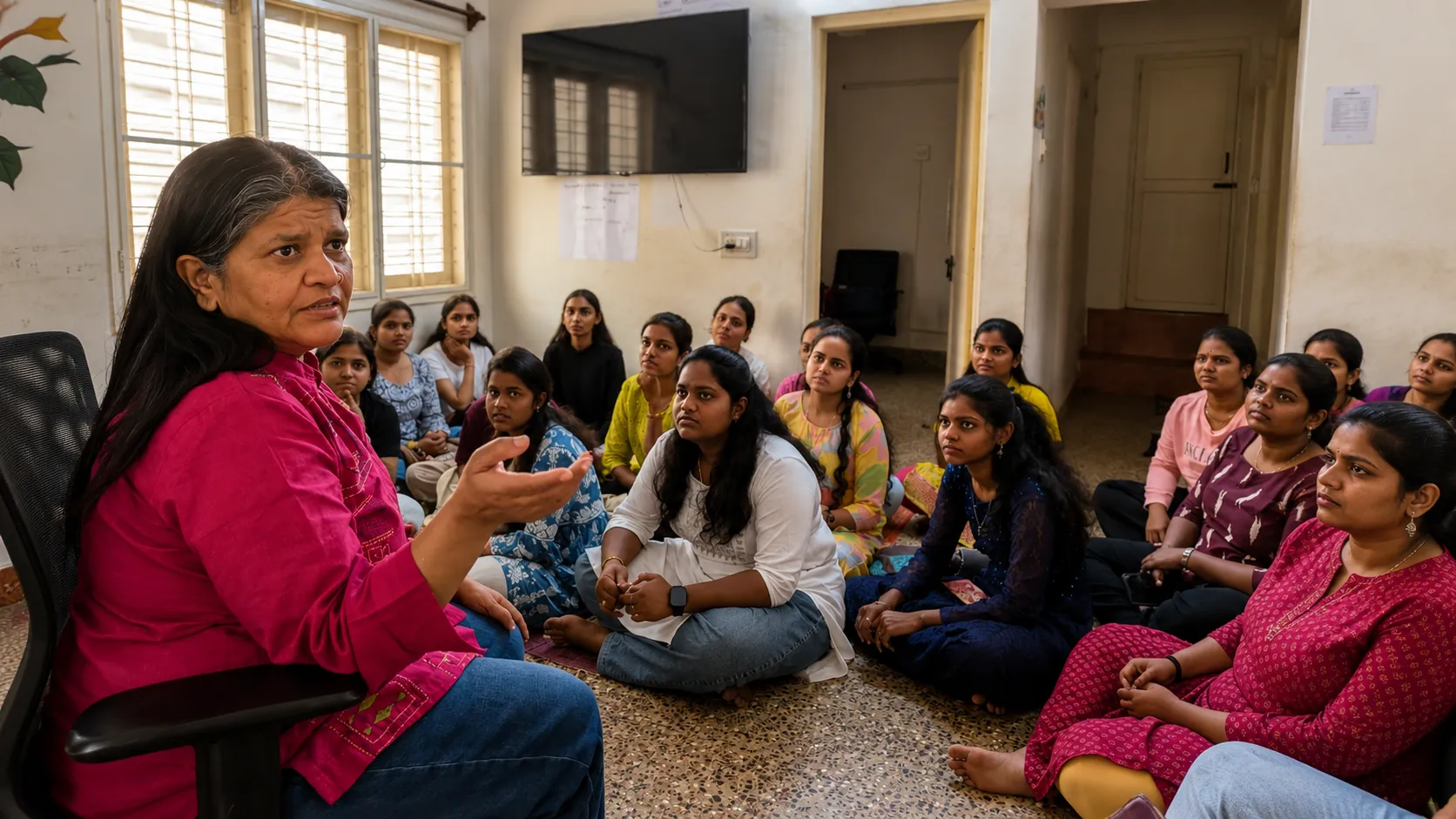
While technical education is a major component of initiatives like WitchHunt, the broader impact often comes from community.
Many participants enter these programs unsure about their abilities or uncertain about pursuing technology-related careers. Being surrounded by mentors, role models and peers who share similar interests can dramatically change those perceptions. Confidence grows when individuals see themselves reflected in successful innovators and industry leaders.
Community also creates lasting networks.
Participants frequently maintain relationships long after the event concludes, supporting one another through future educational and professional journeys. These networks can become valuable sources of mentorship, collaboration and opportunity.
This aspect is often overlooked when discussing technology education.
Learning to code is important. Learning to believe that you belong in technology can be equally important. Programs that successfully accomplish both tend to generate the most lasting impact.
That is where initiatives like WitchHunt can create meaningful change.
They help build not only skills but also self-belief.
The Bigger Story
Viewed narrowly, WitchHunt 2026 is an AI-focused hackathon.
Viewed more broadly, it represents an investment in who gets to participate in the future of technology. Artificial intelligence is expected to influence nearly every industry over the coming decades. Ensuring that girls and young women have opportunities to contribute to that future is becoming increasingly important for both economic and social reasons.
The initiative reflects a growing recognition that talent exists everywhere, but opportunity does not always.
Creating spaces where young women can experiment, innovate and lead helps bridge that gap. It strengthens the talent pipeline, expands participation and encourages a new generation of builders to see themselves as active contributors to technological progress.


