Started With a Zoom Call in Her Kitchen. Now She's Trying to Change the Music Industry.
Most people spend their teenage years figuring out what they want to do with their lives. Demi Weitz spent hers accidentally building one of the most impactful music initiatives of the pandemic era — and now, at 23, she's channelling everything that experience taught her into something entirely new.
Meet Indigo. The music-tech startup that just launched its public beta — and is already turning heads in an industry desperately looking for new ways to bridge the widening gap between artists and the people who love them most.
The Origin Story That Makes This All Make Sense
To understand why Indigo exists, you need to go back to March 2020. The world had just shut down. Live music — the heartbeat of the industry — had gone silent overnight. And in a Beverly Hills kitchen, a then-18-year-old named Demi Weitz and her father, Richard Weitz — now co-chairman of WME, one of the world's most powerful talent agencies — decided to try something.
They started a Zoom concert series. They called it RWQuarantunes.
What began as a small experiment quickly became something extraordinary. Artists like Billie Eilish, John Legend, Dolly Parton, Sting, and John Mayer performed for invite-only audiences of industry insiders — Bob Iger, Dana Walden, George Clooney among them. The series raised nearly $40 million for close to 75 charitable causes, won Billboard honors, and became one of the defining cultural moments of the pandemic.
Demi didn't just participate in that story. drove it. And when it ended, she went to Stanford — where the next chapter began.
What Is Indigo — And Why Does It Matter?
Indigo was founded by Demi Weitz alongside Stanford twins Luc Giraud and Saskia Giraud. The premise is simple but powerful: the relationship between artists and their most devoted fans is broken — and the platforms that currently exist aren't fixing it.
Streaming services pay artists fractions of a cent per play and tell them almost nothing about who their listeners actually are. Social media platforms are algorithmic chaos, where a post that took hours to craft reaches 3% of an artist's followers. Fan clubs feel dated. Ticketing is a nightmare. And the genuine, intimate connection that makes someone a true superfan — the kind of connection that sustains a career for decades — is increasingly hard to find.
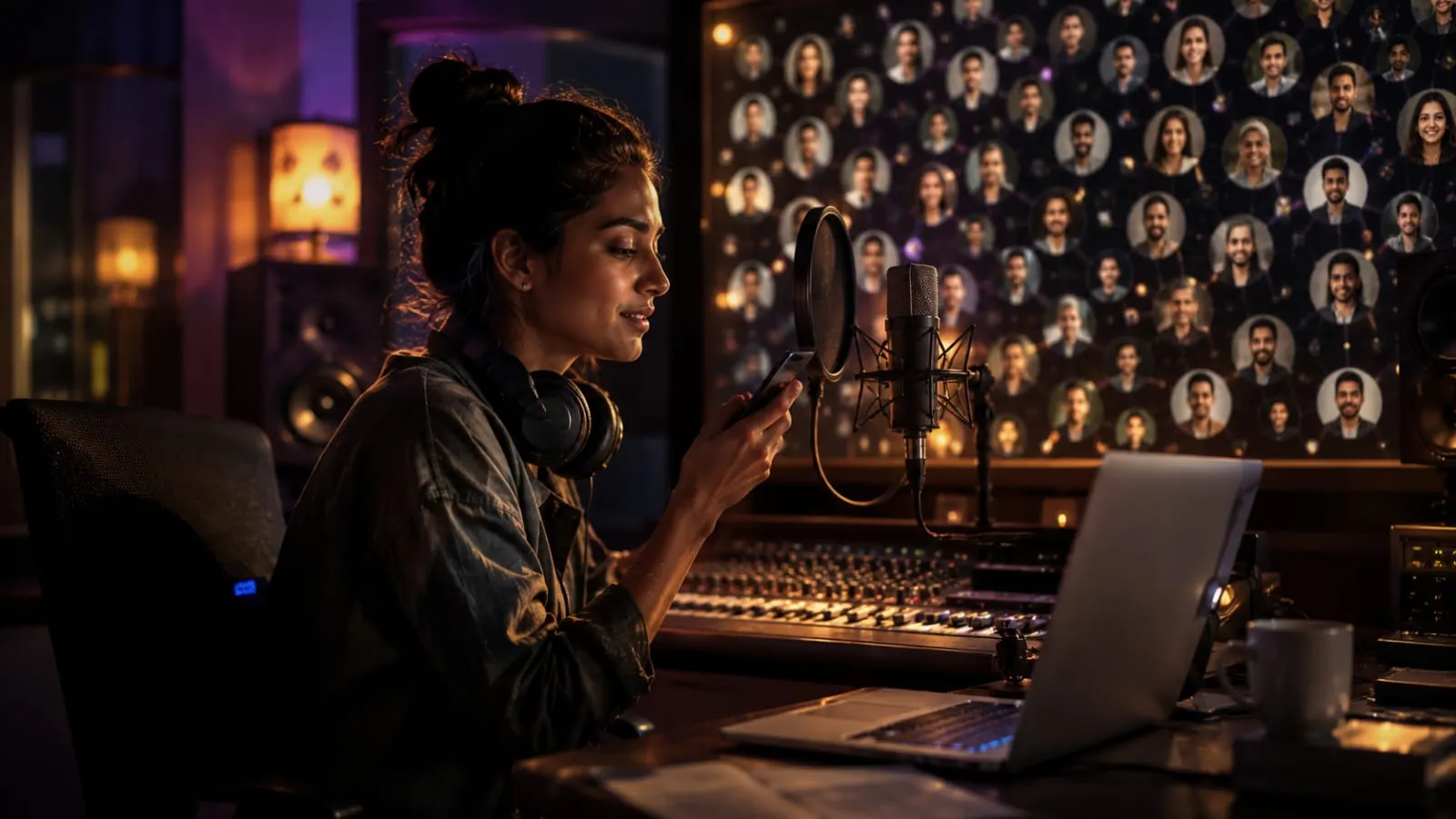
Indigo is built to change that. The web-based platform — now live, with a mobile app coming later this summer — gives artists a dedicated space to share unreleased music, voice memos, behind-the-scenes content, and exclusive experiences that offer fans a genuine look into their creative process and world. Fans can stream content, unlock exclusive access through payments, support artists directly via micro-transactions, and even gift content to friends.
Crucially, Indigo helps artists understand exactly who their most committed fans are — not anonymous streams from faceless accounts, but real people who consistently show up, engage, and invest in what an artist creates. In an industry where data has historically flowed to platforms and labels rather than the artists themselves, that shift in information ownership is significant.
The First Artist to Bet on Indigo
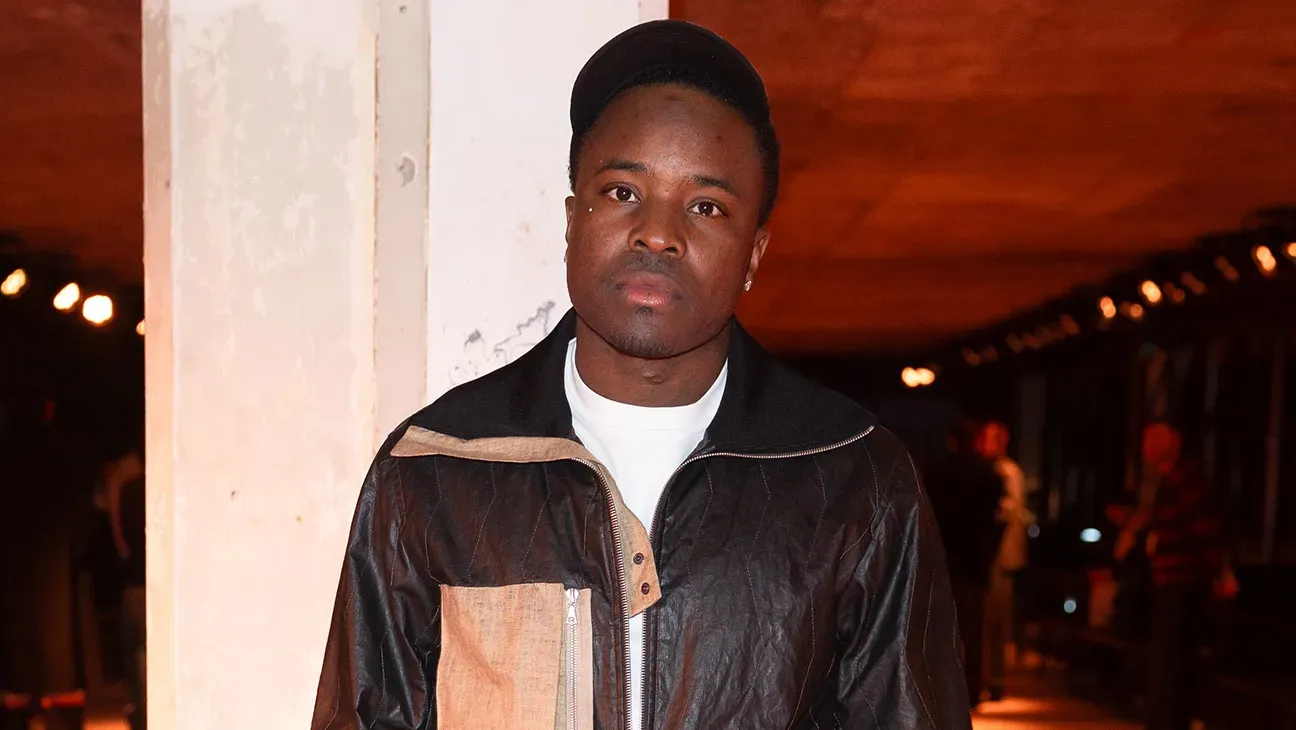
Every platform needs a first believer. For Indigo, that believer is rapper, singer, producer, and filmmaker .idk. — one of the most creatively adventurous artists working in hip-hop today.
.idk. has launched the first experience on the platform, giving fans exclusive access to his Son De L'Amour — Sound of Love — event, tied to Juneteenth and Fête de la Musique celebrations. Fans can RSVP exclusively through Indigo, and .idk. will run his own fan community on the platform going forward.
It's a smart first partnership. .idk. has always prioritised authentic fan engagement over algorithmic reach — making him a natural fit for a platform built on exactly that philosophy.

The Bigger Opportunity
Indigo isn't entering an empty space. There are other startups working in the artist-fan connection category — some well-funded, some already established. The competition is real.
But what Indigo has that most of its competitors don't is a founding team that has already proven, at scale, that deep connections between artists and audiences can move people — and money — in remarkable ways. Quarantunes wasn't just a fundraising success. It was a proof of concept for what happens when the barrier between artist and audience is removed and something genuine fills the space.
That's what Indigo is trying to bottle. Not just another subscription fan club. Not another content paywall. A genuine community infrastructure where artists can build lasting, meaningful relationships with the people who care about their work most — and monetise those relationships in ways that actually work for everyone involved.
As Demi Weitz has said: "Music is the thing that saves everyone." Indigo is her attempt to make sure the people who make that music can build sustainable careers from the communities they create — one superfan at a time.
The beta is live. The first artist is on board. And one of the most compelling origin stories in music-tech just entered its next chapter.