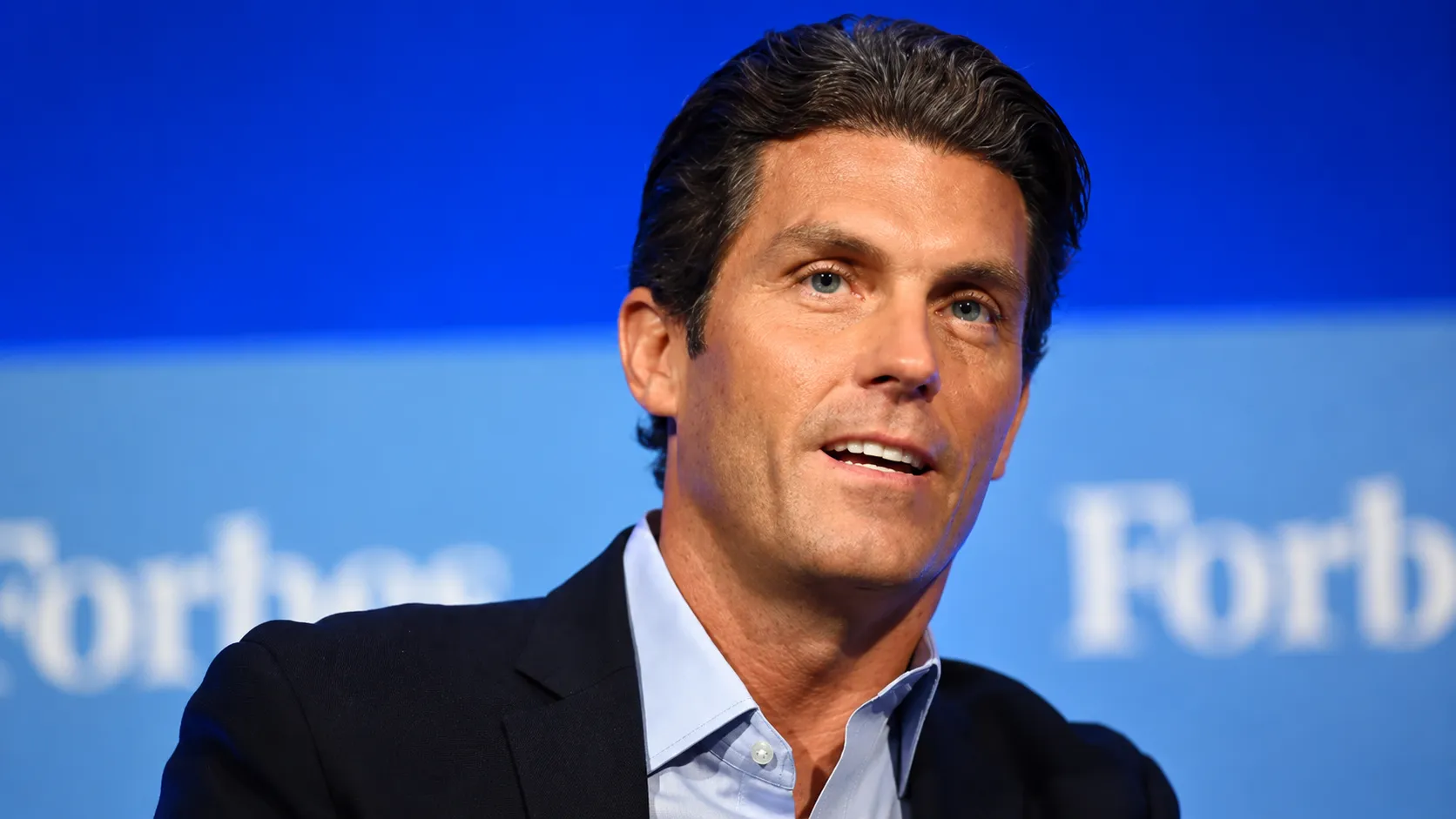
While Hollywood mourned the death of the traditional studio system, Jay Penske was quietly building something else: a $5 billion media empire that now owns the Golden Globes, SXSW, Rolling Stone, Variety, The Hollywood Reporter, Billboard, The Verge, and Eater. On Thursday, he bought what was left of Vox Media — and became the largest digital publisher in the world. The question is no longer whether Penske is a media mogul. It's whether he's the last one standing.
The deal was structured as an all-or-nothing proposition. Penske Media Corporation would take the entire remaining collection of Vox Media brands, or it would take none of them. On Thursday, June 18, 2026, Jay Penske took all of them.
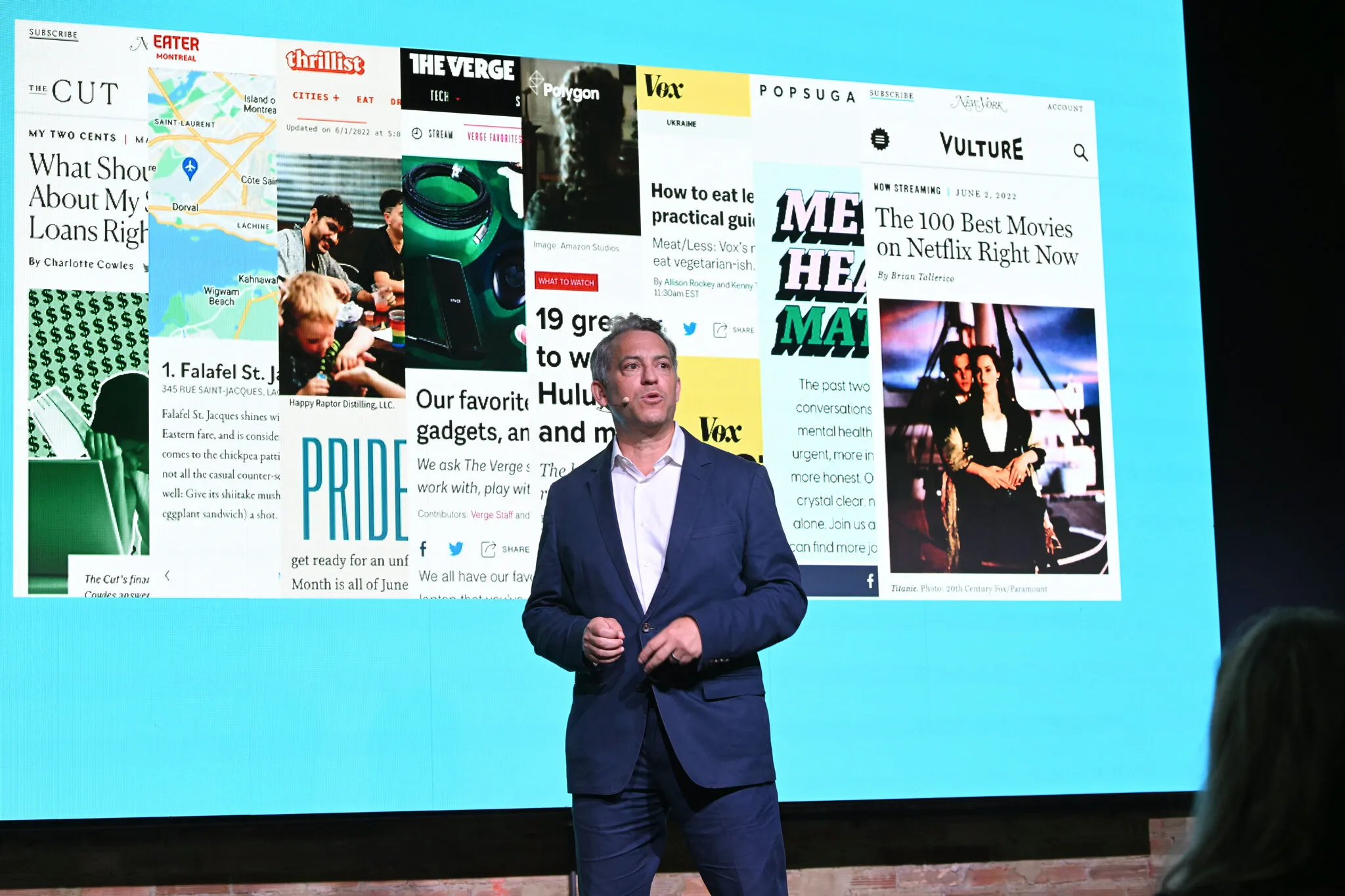
Penske Media Corporation (PMC) announced that it had agreed to acquire Vox Media's remaining brands: Eater, The Verge, SB Nation, Popsugar, The Dodo, Punch, and Thrillist, along with Concert — Vox Media's premium ad marketplace — and Forte, its first-party data platform. The deal cements PMC's position as the largest publisher in digital media, combining over 25 brands that reach hundreds of millions of people every month and produce more than 300 live events annually.
The acquisition comes exactly one month after James Murdoch — the media scion and son of Rupert — spent more than $300 million to acquire New York Magazine, Vox.com, and the Vox Media Podcast Network. What remained was a portfolio spanning tech, food, sports, and lifestyle — brands that fit unevenly into PMC's roll-up of Hollywood trades but offered scale, ad tech infrastructure, and the chance to consolidate duplicated costs across a larger base.
For Jay Penske, the 55-year-old youngest son of automotive tycoon Roger Penske, the deal is the latest — and most significant — step in a two-decade-long campaign to build an empire that now rivals anything his father ever built on four wheels.
The Man Who Bought Hollywood
Jay Penske is not a household name. That is by design. Unlike his father, who plastered his name on racetracks and dealerships, Jay has operated in the shadows of the industries he has quietly conquered.
He started in media in 2004, when he founded Mail.com, a webmail service that he later sold for a handsome profit. But his real play began in 2007, when he acquired a struggling trade publication called Variety from Reed Elsevier for a reported $25 million. At the time, Variety was a 102-year-old newspaper that had lost its way in the digital transition. Penske saw something others didn't: a brand with institutional authority that could be rebuilt for the digital age.
He was right. Over the next decade, Penske assembled a portfolio that reads like a who's-who of American media. He bought The Hollywood Reporter from Guggenheim Partners. He acquired Billboard from Valence Media. He picked up Rolling Stone from Wenner Media. He added Deadline, WWD, Robb Report, Artforum, Sportico, IndieWire, and SHE Media.
But Penske's ambitions extended beyond publishing. He acquired the Golden Globe Awards, the South by Southwest (SXSW) festival, the American Music Awards, and the Academy of Country Music Awards. He was no longer just a publisher. He was an empire builder.
The Vox Play: A $100 Million Bet That Paid Off
Penske's interest in Vox Media predates the acquisition by three years. In 2023, PMC invested $100 million into Vox Media, making it the company's largest shareholder with a 20% stake. The pre-existing relationship gave Penske unusual visibility into Vox's operations and positioned him to move quickly when assets came available.
The timing was fortuitous. Vox Media, founded in 2011, had been struggling. Like BuzzFeed and Vice Media before it, Vox had entranced investors and traditional media giants with promises of reaching younger consumers on the internet. But those publications had to compete with tech giants like Google, Amazon, and Meta for digital advertising, and many of them merged, sold, or went bankrupt in the face of gale-force economic headwinds.
Vox Media's solution was to split itself in two. In May 2026, James Murdoch's Lupa Systems acquired New York Magazine, the Vox Media Podcast Network, and Vox.com for more than $300 million. The remaining assets — The Verge, Eater, SB Nation, Popsugar, The Dodo, Thrillist, and Punch — were set to continue under a new company overseen by Vox Media president Ryan Pauley.
Penske saw an opportunity. The all-or-nothing structure meant he would take the entire group or none of them. He took them all.
The PMX Playbook: Scale, Data, and Events
The acquisition creates a new subsidiary called PMX, which will house the combined publishing portfolio of more than 25 brands. Ryan Pauley, who had been leading the remaining Vox Media brands following the breakup, will join PMC as president of PMX, overseeing the combined portfolio.
The logic of the deal is straightforward: scale, data, and events. The combined portfolio reaches hundreds of millions of readers monthly, produces more than 300 live events annually, and operates a substantial advertising and data infrastructure through Vox's Concert marketplace and Forte data platform.
The acquisition also brings expanded bundling opportunities for PMC brands. Vox Media's premium ad marketplace Concert and its first-party data platform Forte drive high-margin ad sales. For a publisher that has long relied on advertising revenue, the ability to offer targeted, data-driven advertising across a portfolio of 25+ brands is a significant competitive advantage.
"We have long admired these unique brands and companies," Jay Penske said in a statement. "Ryan is a top executive who has demonstrated a clear ability to build leading technology and evolve media businesses, making him exceptionally well-positioned to lead PMX's next chapter of growth."
Pauley, who spent more than 15 years at Vox Media, called PMX "media's strongest portfolio of brands." "Across music, entertainment, food, sports, fashion, beauty, technology and art, this portfolio influences and creates culture with best-in-class brands, extraordinary authority, and deeply engaged audiences and communities," he said.
The Consolidation of an Industry
The Penske-Vox deal is the latest — and most significant — in a wave of consolidation that has swept through the media industry.
Traditional publishers have been battered by competition from tech giants for digital advertising dollars. The rise of AI has further disrupted referral traffic, with Google and Meta continuing to capture the lion's share of ad spend. The response has been a scramble for scale. Bigger publishers can offer advertisers larger audiences, more sophisticated targeting, and better data.
Penske has been the most aggressive consolidator. Over the past decade, he has assembled a portfolio that includes not only major publishing brands but also entertainment properties and live-event businesses. With the addition of Vox Media's brands and technology assets, PMC is positioning PMX as what it calls "the largest publisher in digital media," betting that scale, audience data, premium events, and strong category-specific brands can provide a sustainable path forward.
But the consolidation has not been without casualties. Vox Media, once a $2 billion startup, is no longer an independent company. The deal marks the end of an era for the digital-native publisher that had promised to reinvent media for the internet age.
The Family Business
There is a certain poetry to Jay Penske's rise. His father, Roger Penske, built an empire in automotive retail, racing, and logistics. Jay built his empire in media. But the similarities are striking: both men built their fortunes through aggressive acquisition, operational discipline, and a willingness to bet big when others were retreating.
The younger Penske's empire now rivals anything his father built. He owns the Golden Globes, SXSW, the American Music Awards, and the Academy of Country Music Awards. He owns Rolling Stone, Variety, The Hollywood Reporter, Billboard, Deadline, and IndieWire. He owns The Verge, Eater, SB Nation, and Popsugar. He owns over 25 brands that reach hundreds of millions of people every month.
And he owns it all quietly, without the tabloid drama that has followed other media moguls. Jay Penske is not a celebrity. He is not a Twitter personality. He is not a political player. He is a businessman who has built the most formidable media empire of the 21st century — and he has done it without anyone noticing.
The Bottom Line
Penske Media Corporation has acquired the remaining Vox Media brands — The Verge, Eater, SB Nation, Popsugar, The Dodo, Punch, and Thrillist — along with Vox's ad marketplace and data platform. The deal creates a combined portfolio of more than 25 brands, reaching hundreds of millions of readers monthly and producing more than 300 live events annually.
The acquisition comes one month after James Murdoch bought half of Vox's portfolio for over $300 million. What remained was a collection of brands that Penske has now assembled under a new subsidiary called PMX, overseen by former Vox Media president Ryan Pauley.
The deal cements PMC's position as the largest digital publisher in the world. It is the latest — and most significant — step in Jay Penske's two-decade campaign to build an empire that now rivals anything his father ever built.
The question is no longer whether Penske is a media mogul. It's whether he's the last one standing. In an industry that has seen the rise and fall of BuzzFeed, Vice, and Vox, Penske has proven that quiet consolidation, operational discipline, and a willingness to bet big can build something that endures. The empire he has built may not be as flashy as his competitors'. But it is still standing. And in media, that is the only metric that matters.