The 94-Dollar Barrel and the 95% Drop in Ship Transits
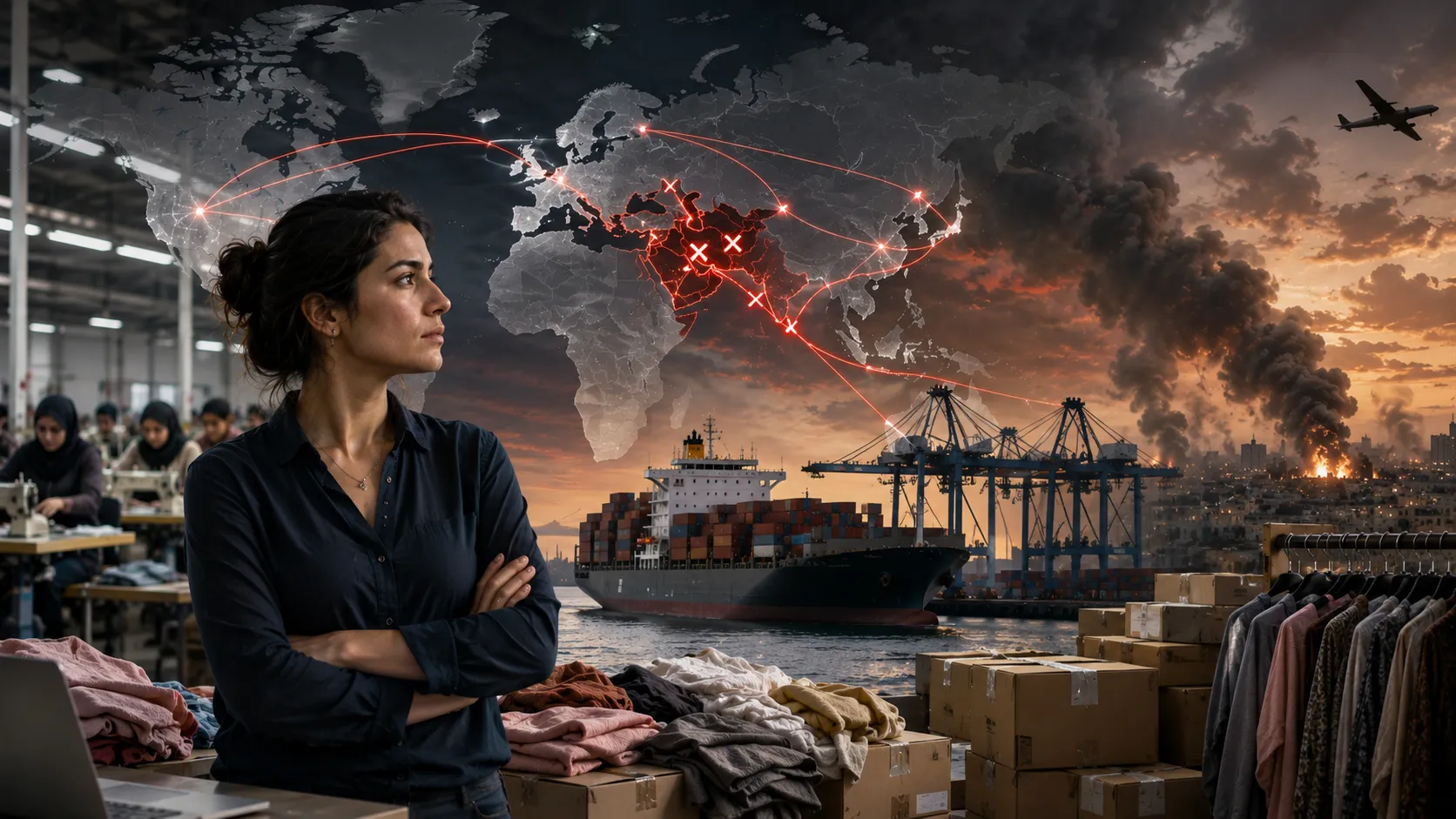
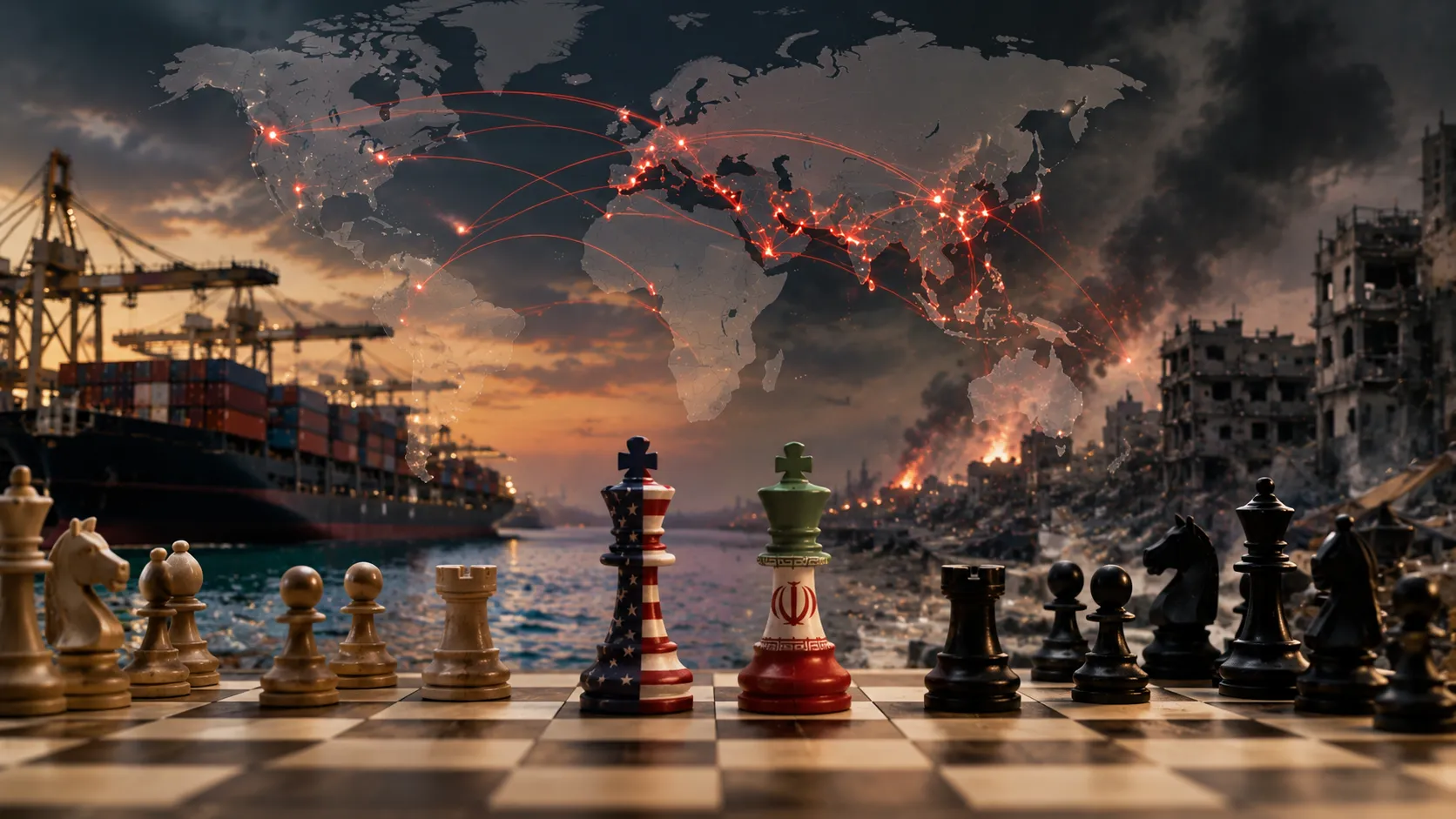
On June 11, 2026, the Sensex opened deep in red, falling more than 300 points, as the United States and Iran exchanged fire amid escalating tensions in West Asia . But the stock market volatility was merely the visible symptom of a much deeper disruption. Iran's Islamic Revolutionary Guard Corps had declared that the Strait of Hormuz would be "closed to all vessels" following new US strikes on Iran, warning that any ship attempting to pass through the critical waterway could be targeted .
The impact on global energy markets was immediate. Brent futures rose 1.73% to $94.83 a barrel, while US West Texas Intermediate crude climbed 2.89% to $92.63 . Just days earlier, on June 7, Brent had surged past $97 a barrel as Israel and Iran exchanged strikes, threatening a fragile ceasefire . At the peak of the conflict in March, prices had touched $120 per barrel .
Yet these numbers tell only the macroeconomic story. Beneath them lies a quieter, slower, and more devastating crisis unfolding in the supply chains of developing nations. Ship transits through the Strait have fallen by 95 percent since late February 2026 . Oil prices have risen by 34 to 67 percent across different regions. Natural gas prices have increased by 35 percent in Europe and over 70 percent in Asia. Fertilizer prices for some products have risen by nearly 50 percent. Freight and insurance costs have surged across the board .
These are not isolated market adjustments. They represent a global price shock transmitted through trade, finance, and supply chains—generating inflationary pressure, financial stress, labour market contractions, and remittance volatility, particularly in import-dependent developing economies that have limited fiscal space to respond .
And the women who run small businesses in these economies are absorbing the shock first, hardest, and longest.
Why Shocks Are Never Neutral
The ESCAP ARTNeT Forum on Trade and Gender released a detailed analysis of the Strait of Hormuz crisis in May 2026. Its central argument was direct: macroeconomic shocks are not simply external disturbances to be absorbed uniformly by markets. They are distributional events transmitted through unequal social structures that are gendered .
The report identified three structural channels through which the crisis is harming women-led enterprises more severely than male-led ones.
First, labour markets. Women are disproportionately employed in export-dependent sectors—textiles and garments, agriculture, and small entrepreneurship—that are highly exposed to trade disruptions and input price increases . When shipping routes close or fuel prices spike, these sectors contract first. And because women dominate their workforces, they lose income first.
Second, care activities. Women absorb economic adjustment through unpaid labour . When a household's income falls because a business has shut down, it is women who reduce their own food intake, shift to lower-quality diets, and expand unpaid work to stabilise household finances. The 2007-2008 food crisis showed this pattern clearly: women reduced food intake and absorbed household shocks through unpaid labour, while female-headed households experienced deeper poverty and debt .
Third, asset ownership. Women have lower access to credit, savings, insurance, and formal financial systems . When a shock hits, male-led firms can draw on credit lines, business insurance, or personal savings to weather the disruption. Women-led firms, which are more likely to operate informally and with lower financial buffers, cannot.
The European Investment Bank's 2026 report on Women-Owned MSME Resilience confirmed this structural vulnerability. Women entrepreneurs are more likely to operate informally, in vulnerable sectors, and with lower financial buffers, all of which heighten their exposure to both sudden shocks and long-term stressors .
From Global Shock to Household Collapse: The Transmission Mechanism
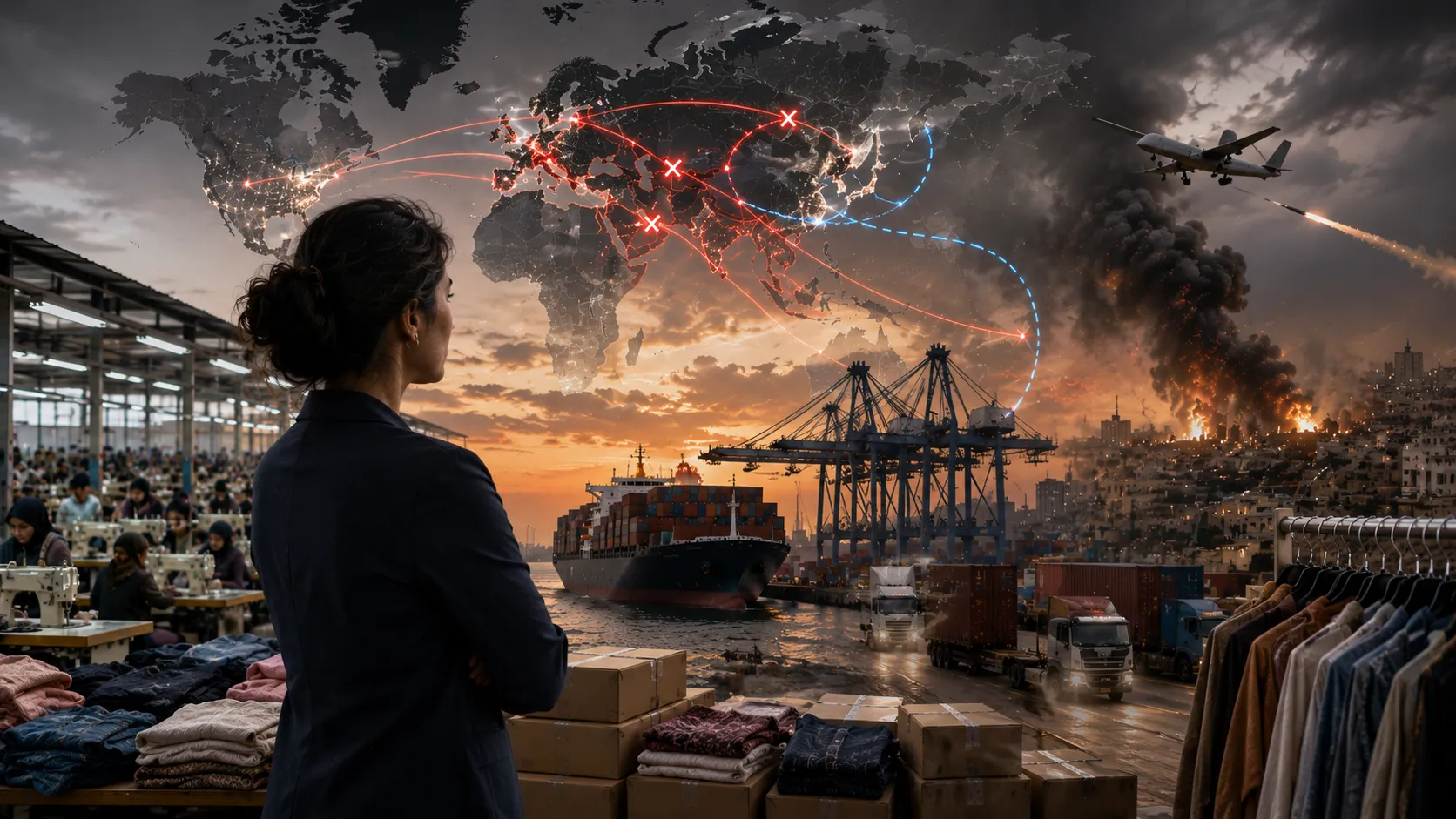
The ESCAP report illustrated the crisis through the story of Amina, a woman who runs a small tailoring business in Khulna, Bangladesh, employing four women and selling garments in local markets and online. Her household depends both on this income and on remittances from her husband who works in Qatar .
When tensions escalate in the Strait of Hormuz, the shock enters her household through two channels.
First, rising global energy prices increase transport and electricity costs in Bangladesh. Her production costs rise. Her profit margins shrink. She cannot easily raise prices because her customers are also feeling the squeeze. She reduces production. She loses customers. Eventually, she sells equipment.
Second, economic slowdown in the Gulf economies impacts construction activity in Qatar. Her husband's overtime opportunities disappear. His wage payments are delayed. The remittances become smaller and less regular .
What appears at the macro level as inflation and remittance volatility becomes, at the household level, a contraction of productive activity and consumption. Amina withdraws her daughter from tutoring to stabilise household finances.
The key point, the report emphasises, is not the severity of a single household story, but its representativeness. Macro shocks are translated into gendered adjustment strategies within households, where women disproportionately absorb the cost. This pattern has been documented across multiple crises—the COVID-19 pandemic, the 2007-2008 food crisis, the Russian invasion of Ukraine, and natural disasters from the 2004 Indian Ocean tsunami to the 2022 Pakistan floods .
Kenya's Women Traders: Rising Costs and Vanishing Margins
The theoretical framework from the ESCAP report finds real-world confirmation in Kenya. On March 25, 2026, The Star newspaper reported that Kenyan women entrepreneurs were warning of mounting pressure as global shocks tied to the US-Iran war disrupted supply chains, raised costs, and threatened business profitability .
The traders said that businesses depending on imported raw materials and finished products, especially from the Middle East and Asia, were bearing the brunt of rising shipping, insurance, and procurement expenses. For many women-led businesses that often operate on thinner margins and limited access to credit, the situation was becoming increasingly unsustainable .
Lilian Gachoki, founder of Dream Credit Limited, told the publication: "We are already seeing the ripple effects on the ground. The cost of doing business has gone up significantly and for many small enterprises, especially women-led ones, this is becoming unsustainable" .
Rose Ntong'ondu from Make-up by Rose added that the cost of imported beauty products and raw materials had nearly doubled in some cases, wiping out profit margins. Many entrepreneurs were now caught between absorbing higher costs or passing them on to consumers at the risk of losing customers. She warned that maintaining current prices might not be sustainable for much longer, saying that as operational costs continued to rise, businesses might soon be forced to adjust prices upward, potentially triggering an increase in the cost of living .
The Kenyan government's requirement that procuring entities reserve 30 percent of tenders for women, youth, and persons with disabilities has been a source of opportunity. But delayed payment of pending bills by the government compounds the situation for women entrepreneurs supplying goods and services to public institutions, leaving their businesses cash-strapped just when they need liquidity most .
India's MSMEs: LPG Shortages and Production Dips
In India, the crisis is showing up in industrial clusters. According to a report from Protium, a non-banking financial company focused on MSME lending, LPG supply pressure in Bengaluru is threatening about 400 MSMEs with shutdown . In Pune, fuel-dependent processes such as powder coating, ovens, furnaces, and surface work have faced production dips. Textile clusters in Surat and Sanganer have reported stress linked to gas shortages and rising operating costs .
The government has stated that India has no shortage of petroleum products, with 60 days of crude oil, 60 days of natural gas, and 45 days of LPG rolling stock available. Alternate fuel options are being activated, including kerosene through retail and public distribution system channels and fuel oil for industrial and commercial consumers .
But for a small manufacturer, restaurant supplier, textile unit, auto-component workshop, food processor, or local trader, the reality is different. Even a moderate increase in LPG, diesel, freight, or delivery costs can reduce margins, delay orders, and disturb cash flow. For exporting MSMEs, longer routes, container delays, and higher freight charges are adding another layer of working capital pressure .
The gendered dimension of this crisis in India is harder to track in real-time, but the structural patterns are clear. Women-led MSMEs in India are concentrated in sectors most exposed to the crisis: textiles, food processing, and small-scale manufacturing. They have less access to formal credit—only 5 percent of women-led MSMEs in one study were able to finance maintenance costs, and only 3 percent had the means to purchase technical equipment, leaving them highly vulnerable to machinery failures or breakdowns . They are more likely to operate informally, without the cushion of business insurance or access to government recovery schemes channeled through formal financial institutions .
The Fertilizer Crisis: Women Farmers Pay the Price
Nearly one-third of the maritime fertilizer trade passes through the Strait of Hormuz . Disruptions to fertilizer use can reduce crop yields by nearly 30 percent—a crisis that lands hardest on women, who are the backbone of smallholder agriculture across sub-Saharan Africa and South Asia .
The numbers are stark. In Sudan, engulfed in one of this century's worst humanitarian crises, approximately 54 percent of fertilizer comes from the Gulf region . The disruption compounds hardship for female-headed households already bearing the brunt of the country's food crisis. These disruptions translate directly into increases in food commodity prices—notably for staple crops like wheat that undergird aid deliveries.
The World Food Programme warns that the war may push 45 million people into acute hunger in the next three months, with a further $200 million needed to maintain food support across 10 countries . Women and girls comprise nearly 60 percent of people experiencing extreme hunger right now, and often eat last and least when food is scarce. This is not coincidence; it is the product of patriarchal structures that systematically deprioritize women's access to nutrition .
The fertilizer crisis also has implications for women-led agrifood businesses. When crop yields fall, the raw materials that women food processors depend on become more expensive and harder to find. The entire value chain—from farm to factory to market—experiences cascading failures, and women are present at every stage.
The Aid System Collapse: A Secondary Shock
Beyond the direct impact on supply chains, the Strait of Hormuz closure has devastated the global humanitarian aid system—and women and girls are absorbing this blow as well. Over 90 percent of shipping was disrupted, leaving $24 million in health supplies and medicine—alongside critical food supplies—to languish in shipping containers .
Shipping costs reportedly rose by 50 percent as organizations scrambled to reroute aid. Airspace closures across the Gulf further severed the movement of cargo and staff. Already, 72 percent of assessed humanitarian needs went unmet in 2025, with continued aid cuts further constraining delivery this year .
For women-led small businesses in conflict-affected or post-conflict regions, this aid disruption is a secondary shock. Many of these businesses rely on humanitarian supply chains for raw materials, distribution channels, and even their customer base. When the aid system fractures, their markets evaporate.
The United Nations humanitarian relief coordinator Tom Fletcher recently warned that the global system is in a "moment of grave peril," following deep cuts to aid funding with the closure of USAID and broader international cutbacks . The United Kingdom, once the fourth largest donor to Africa, slashed its bilateral aid to the continent by 56 percent—emblematic of how major donor countries are redirecting aid budgets toward military spending, even as those same military actions generate more humanitarian need .
What Resilience Looks Like: Lessons from Women Entrepreneurs
Despite these compounding crises, women entrepreneurs have demonstrated remarkable resilience. The ESCAP report documented adaptation strategies that are emerging across affected regions.
Digital adaptation has become essential. Women entrepreneurs are using social media and e-commerce platforms to sell products beyond their immediate localities, reducing dependence on traditional markets that may be disrupted by conflict . For women facing mobility restrictions due to both conflict and social norms, digital platforms offer a path to continued operation.
Income diversification is another strategy. Faced with supply chain disruptions and input shortages, women-led businesses are diversifying their offerings and finding local alternatives for essential resources. Some agrifood businesses have shifted to locally available inputs or diversified into complementary products to sustain revenue .
Community and family networks remain critical. Women entrepreneurs, who often manage additional domestic responsibilities, have adapted their enterprises by restructuring workflows and focusing on more flexible, home-based business models. Community support, particularly from family members, has enabled many women to continue operating despite the challenges posed by conflict and social expectations .
The European Investment Bank's report outlined a three-stage framework for building resilience in women-owned MSMEs: pre-shock anticipation and preparation, during-shock absorption and recovery, and post-shock long-term adaptation and transformation . Each stage requires different financial products, skills, and institutional support. Parametric insurance programmes help women farmers maintain income levels despite droughts. Emergency loan programmes provide quick liquidity. Flexible repayment programmes allow women to adjust loan repayments post-crisis .
Policy Implications: What Must Change
The ESCAP report concluded with three policy implications for institutions seeking to address this crisis.
First, distributional effects must be integrated into macroeconomic assessment rather than treated as ex-post welfare considerations. Aggregate indicators systematically mask intra-household inequality and differentiated labour cost exposure. If the IMF and World Bank continue to analyze the Strait of Hormuz crisis solely in terms of GDP growth and inflation, they will miss the gendered recession unfolding beneath the aggregates .
Second, labour market and social protection systems must reflect differentiated vulnerabilities, particularly in informal and care-intensive sectors where women are concentrated. Shock-responsive social protection systems—including temporary cash transfers and targeted support for poor and vulnerable households—should be activated immediately in the countries most affected by the crisis .
Third, resilience is structurally determined. Where women have weaker access to assets, credit, and formal employment, shocks are more likely to produce persistent economic scarring rather than temporary income loss. Building long-term resilience requires structural reforms: gender-sensitive financial products, digital infrastructure investment, and policies that recognize and reduce women's unpaid care burden .
The European Investment Bank added a fourth implication: financial institutions should collect and use sex-disaggregated data, including women-owned MSME business performance, together with past data on disasters and shocks. This can strengthen predictive capacity and help pre-empt risks that disproportionately affect women clients .
The Bottom Line
The Strait of Hormuz crisis is not an oil shock. It is not a shipping disruption. It is not a geopolitical headline. It is a gendered economic catastrophe unfolding in slow motion across the supply chains of developing nations.
In Kenya, women traders are watching their profit margins evaporate as import costs nearly double. In Bangladesh, women garment workers are being laid off as factories shutter. In India, women-led MSMEs in textile clusters are struggling to access the LPG and gas they need to keep production running. In Sudan, women farmers cannot afford the fertilizer that has become scarce and expensive. And in households from Khulna to Nairobi, women are reducing their own food intake so their children can eat.
The crisis will not end when oil prices stabilize. It will not end when shipping resumes through the Strait. The structural inequalities that made women-led enterprises more vulnerable to this shock will remain. And the next geopolitical crisis will find them just as exposed.
As the ESCAP report noted, ignoring these dynamics produces not only inaccurate macroeconomic analysis, but also inadequate policy responses that risk widening existing gender inequalities . The Strait of Hormuz crisis is a warning. The question is whether the institutions that shape global economic policy are prepared to heed it.