She Thought She Was Going to Be a Teacher Working Two Part-Time Jobs for the Rest of Her Life. Then Her Dad Found a Cake Online.
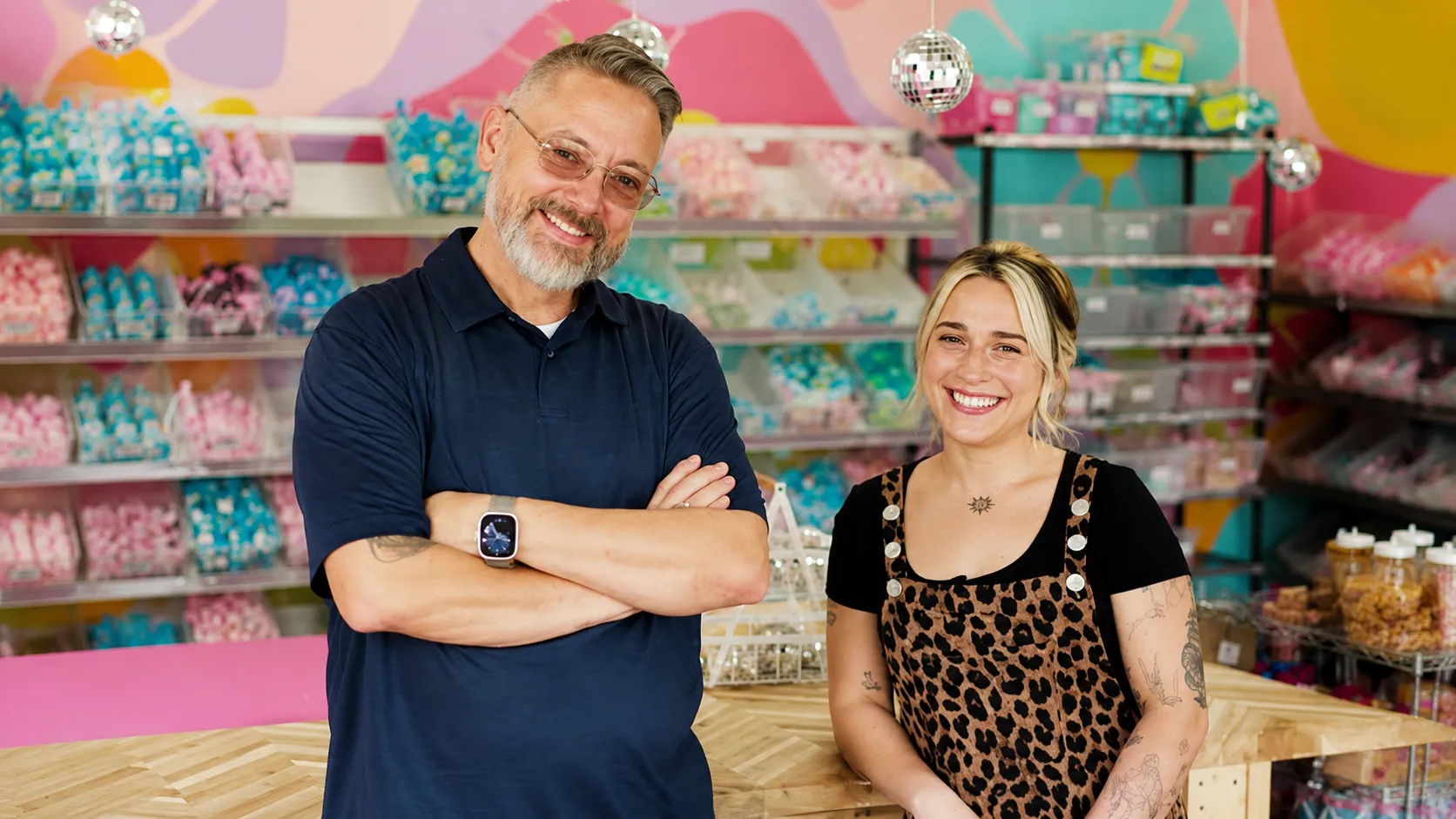
Victoria Baumann loved being a teacher. That is the part of her story that gets lost when the numbers arrive — $428,000 in annual revenue, 1,500 orders a month, the CNBC feature, the viral ASMR videos, the devoted social media following. She did not leave teaching because she hated it. She left because it broke her.
"I absolutely loved being a teacher, but being a teacher really burnt me out," Baumann, 32, told CNBC. The pay was low enough that she spent her nights and weekends working odd jobs on top of her full-time classroom hours. The thing she had trained for and genuinely loved had become a source of exhaustion that no amount of passion could sustain against the economics of the job.
So she had been running Victoria Essie Studio — an art and jewellery side business she started in 2018 — as a parallel track. Not a path out of teaching. Just something that was hers, something creative, something she built on her own terms.
And then, in 2025, her father found a cake.
Charlie Moreton, 51, is a network security engineer and 3D printing hobbyist. He is the kind of person who has a printer in the house not because it is useful for a specific thing but because the technology itself is interesting and the objects it produces are endlessly surprising. He was browsing 3D design files one day when he came across a design for a cake-shaped fidget clicker — a small device designed to keep your hands occupied, satisfying to press and release, shaped like a tiny decorated cake with a click mechanism inside.
He thought it fit his daughter's aesthetic perfectly: cute, colourful, Y2K-influenced, exactly the kind of thing her audience would love.
He told her about it. She agreed.
Neither of them was thinking about starting a company. They were thinking about printing a cute fidget toy.
What a Cake-Shaped Clicker Built in One Year
The initial cake fidget sold. Then they made more. Then they tried other shapes.
The format they had stumbled into — food-shaped fidget clickers with Y2K-nostalgic aesthetics, printed in colourful resin — turned out to be exactly the kind of product that the internet generates genuine enthusiasm for. Not because there was a gap in the market that they had identified through research. But because Victoria Baumann's aesthetic sense happened to be perfectly calibrated for a specific combination of visual trends (cute food art, Y2K revival, ASMR-friendly objects) that were simultaneously gathering momentum across social media.
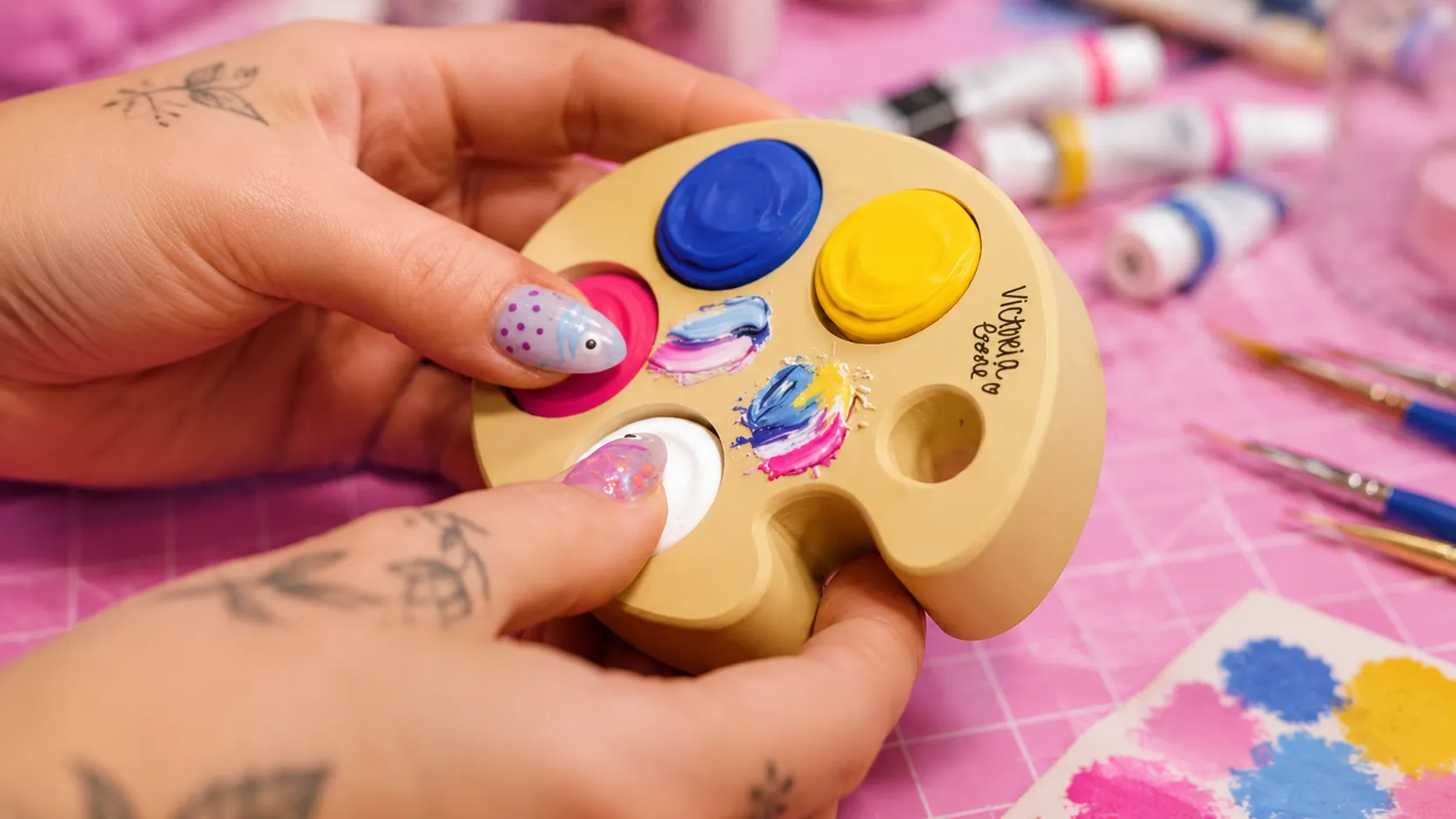
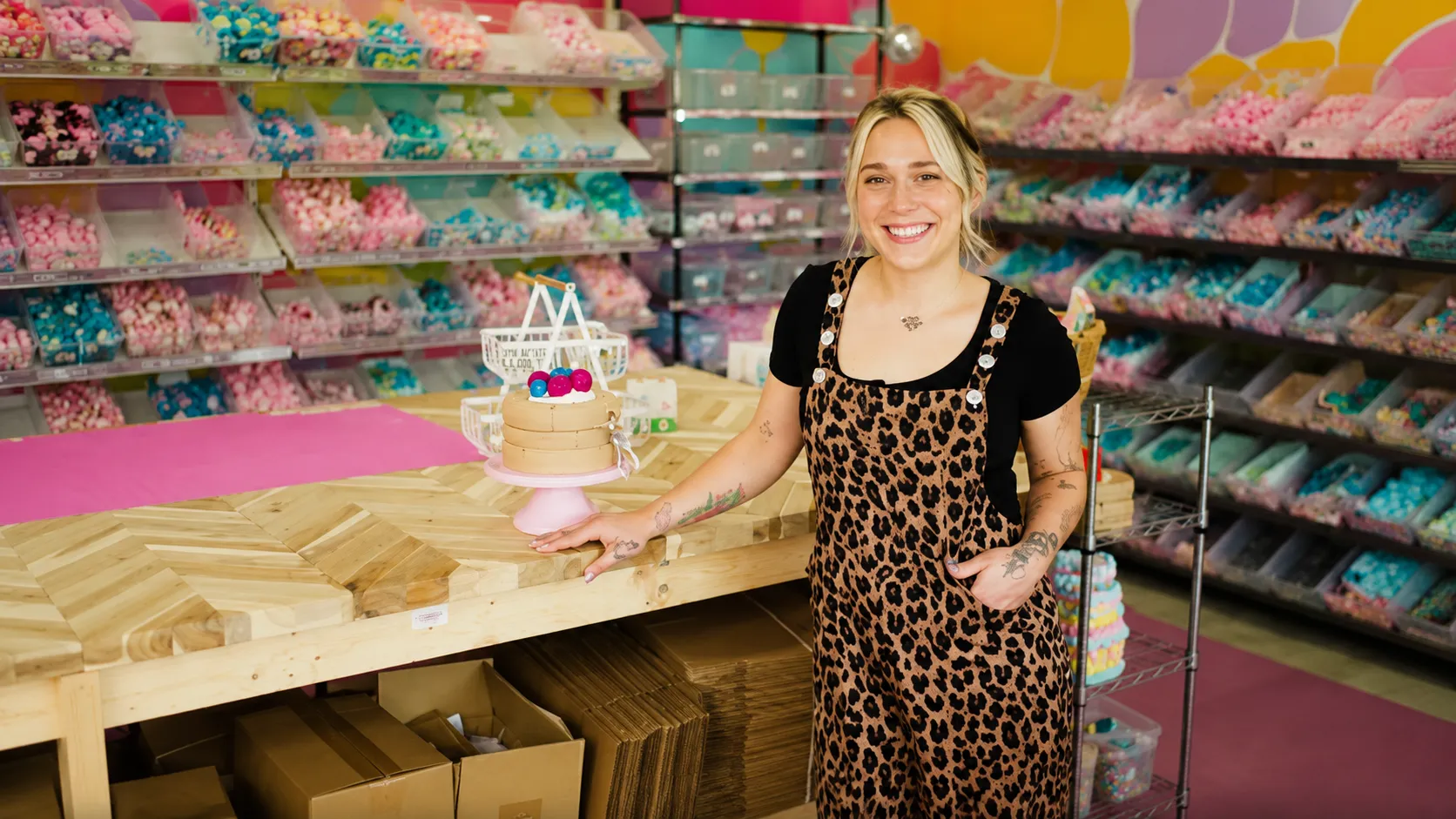
Victoria Essie Studio now produces fidget toys in the shape of cakes, ice cream, waffles, chocolate, cereal, and more. Every design starts with a commercial licence purchased from an independent artist — the father-daughter duo identified early that paying artists fairly for their designs was both the right thing to do and a way to access a range of creative output that would have taken years to build themselves.
The ASMR-style behind-the-scenes social media posts — showing the 3D printers running, the objects coming off the bed, the satisfying click of the finished product — attracted millions of views and the attention of popular content creator Brittany Broski, whose organic endorsement introduced the brand to an audience it would have taken years to reach through conventional marketing.
Gross revenue: $428,000 (approximately ₹4 crore at current exchange rates). Net profit: $94,000. Average monthly orders: 1,500. Business loans taken: zero. Salary Baumann paid herself: $36,000 in 2025, with a plan to increase it to $78,000 in 2026. Salary Moreton took: nothing in 2025 — he reinvested his share. He is now paid $750 per week. Everything else goes back into the business.
The Business Model — and Why It Actually Works
The structure of what Victoria Essie Studio has built is worth examining clearly, because it is more sophisticated than the origin story suggests.
The raw material cost of 3D printing is low. Resin and filament are relatively inexpensive at the volumes they are producing. The printers themselves represent the significant capital investment — but unlike most capital expenditure in product businesses, 3D printers are modular and scalable: each printer adds capacity without requiring a new factory or a new supply chain negotiation. They have, over the past year, expanded from a handful of machines to a significantly larger fleet.
The commercial licensing model for designs — paying artists a licence fee to use their 3D designs for commercial production — gives them access to constantly refreshed product without employing a full design team. The artist gets paid. The studio gets the design. The customer gets a product that reflects a genuine creative collaboration between an independent artist and a manufacturing operation that can bring it to life physically.
The marketing cost is low because the product markets itself. The behind-the-scenes 3D printing videos are genuinely satisfying to watch — the printers running in formation, the objects materialising layer by layer, the finished product being pressed for the first time to produce its characteristic click. This is ASMR content that happens to be advertising, and it requires no media budget because audiences watch it voluntarily.
The 1,500 monthly orders represent a volume that is manageable for a two-person operation using 3D printers, but it is also the volume at which the operation becomes more complex — in terms of packing, shipping, quality control, and customer service — than two people working from home can sustain indefinitely. The reinvestment of profits into the business is not just a financial philosophy. It is a recognition that growth requires capacity expansion, and capacity expansion in this model means more printers, more space, and eventually more people.
What the Numbers Teach About Starting With What You Have
The Victoria Essie Studio story is not about 3D printing or fidget toys specifically. It is about a particular kind of business that the current moment makes possible — the intersection of low-cost digital manufacturing technology, accessible e-commerce infrastructure, organic social media distribution, and a founding team that contributes different skills without requiring any one person to do everything.
Victoria Baumann brought the aesthetic vision, the existing audience, the art brand, and the understanding of what her customers respond to. Charlie Moreton brought the 3D printing expertise, the engineering knowledge to scale the production operation, and the ability to look at a design for a cake-shaped fidget clicker and recognise that it fit his daughter's world.
Neither of them had a business plan. Neither of them had start-up capital. Neither of them took a loan. They had a printer, an idea, and the willingness to see what happened when they tried.
What happened was $428,000 in revenue in year one. That figure — approximately ₹4 crore — is not a life-changing sum in the context of venture-backed startups or institutional businesses. It is, however, the kind of number that allows a burned-out teacher to quit working two side jobs, pay herself a salary, work with her father on something they both enjoy, and build something that is genuinely theirs without asking permission from anyone.
That last part is, arguably, the most important part.
"I thought I was going to be teaching and working two part-time jobs for the rest of my life," Baumann said. That sentence is the most honest accounting of what the alternative looked like — not failure, exactly, but a permanent state of overwork in a system that did not compensate her proportionally for the value she was adding to it.
The fidget toys were not the plan. The freedom was the plan. The fidget toys were just the unexpected mechanism that delivered it.
Why This Story Travels
There are hundreds of articles about people building businesses from unusual starting points. Victoria Essie Studio's story has spread specifically because of what it combines: a sympathetic protagonist (burned-out teacher), an improbable product (3D-printed cake fidgets), an unexpected founding partner (her father), an honest set of numbers (no loans, modest salary, full reinvestment), and a timeline compressed enough to feel real rather than aspirational.
Most "build your own business" stories have a gap in them — the moment where the person had access to capital, or a network, or a platform, or a prior business that made the next one easier. The Victoria Essie Studio story has a cake-shaped fidget clicker that a 51-year-old 3D printing hobbyist found online and texted to his daughter.
That gap-free origin — one observation, one text message, one decision to try printing the thing — is what makes the story generative rather than merely inspiring. It does not require you to have anything the Baumans and Moretons did not have when they started. A 3D printer. An existing creative platform, however small. A parent who noticed something. The willingness to see what happened.
The business model that exists now — commercial licensing, ASMR content, e-commerce fulfilment, expanding printer fleet — is the product of a year of iteration after that starting point, not the plan that existed at the beginning.
Which is, of course, the thing all the best business stories have in common. You do not start by knowing how it works. You start by starting.


