Roshni Nadar Malhotra — The First Woman to Lead a Listed IT Giant
The Unlikely Heiress
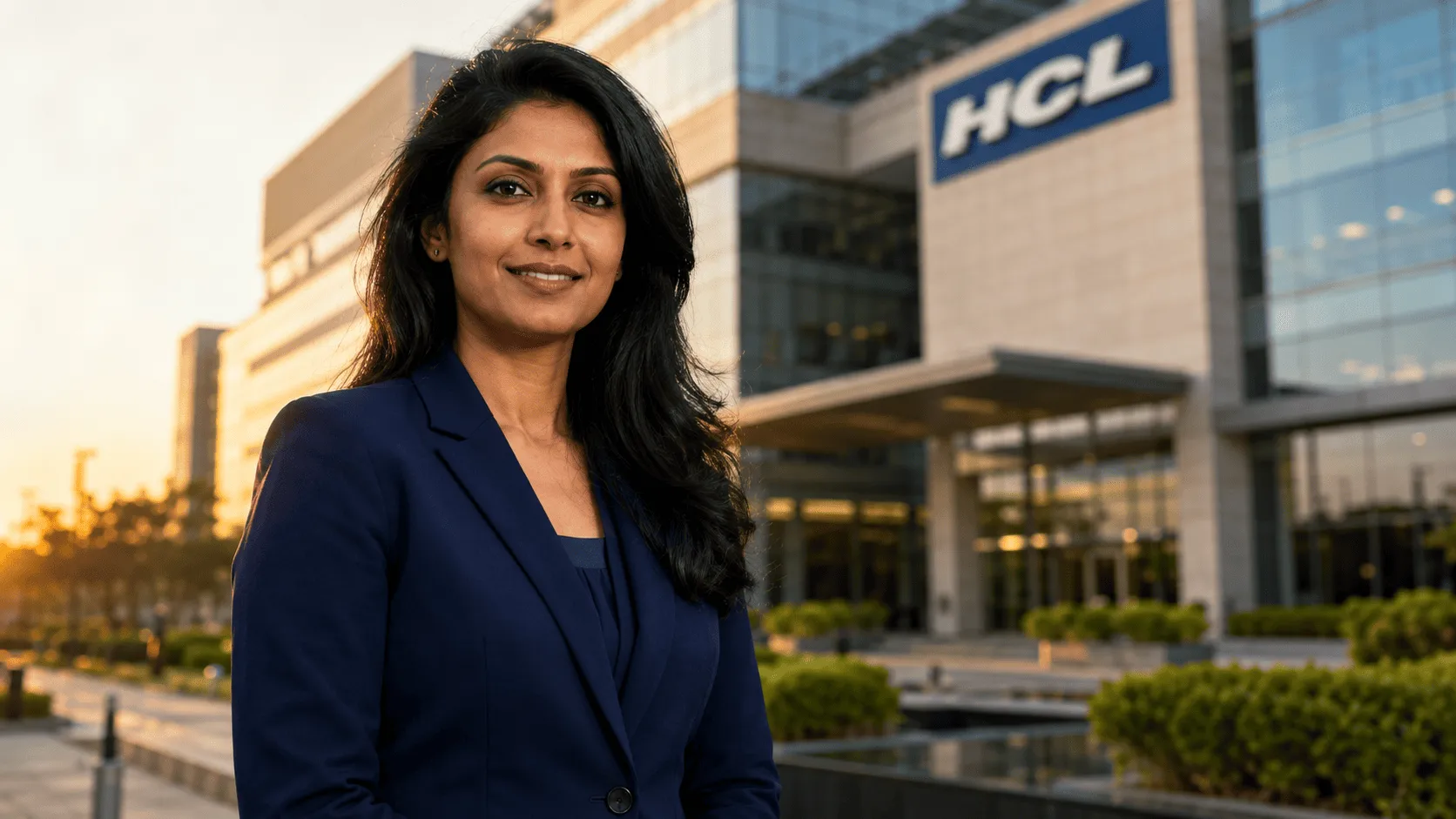
When Roshni Nadar Malhotra was announced as the Chairperson of HCL Technologies in July 2020, India’s business media reacted with a mix of surprise and inevitability. Surprise because she had spent a decade away from the public eye, deliberately avoiding the spotlight that usually accompanies billionaire scions. Inevitability because her father, Shiv Nadar — founder of one of India’s original IT services giants — had been grooming her for this moment, albeit quietly and without fanfare.
Unlike the stereotypical third-generation industrialist who inherits a board seat at 22, Roshni took a path that seemed deliberately contrarian. After graduating from Northwestern University’s School of Communication, she worked as a producer at Sky News in London, producing live bulletins and covering breaking news. It was a job that taught her split‑second decision‑making, clarity under pressure, and the art of distilling complexity into narrative — skills that would prove far more valuable than an MBA in a boardroom.
Yet the call of legacy was inevitable. In 2008, she returned to India to join HCL as a part of the corporate strategy team. Even then, she did not rush for the corner office. She spent years learning the business from the ground, sitting through operations reviews, understanding client relationships in the US and Europe, and quietly absorbing the culture of a company that her father built from a garage in 1976.
Breaking the Glass Ceiling — in a Family Business
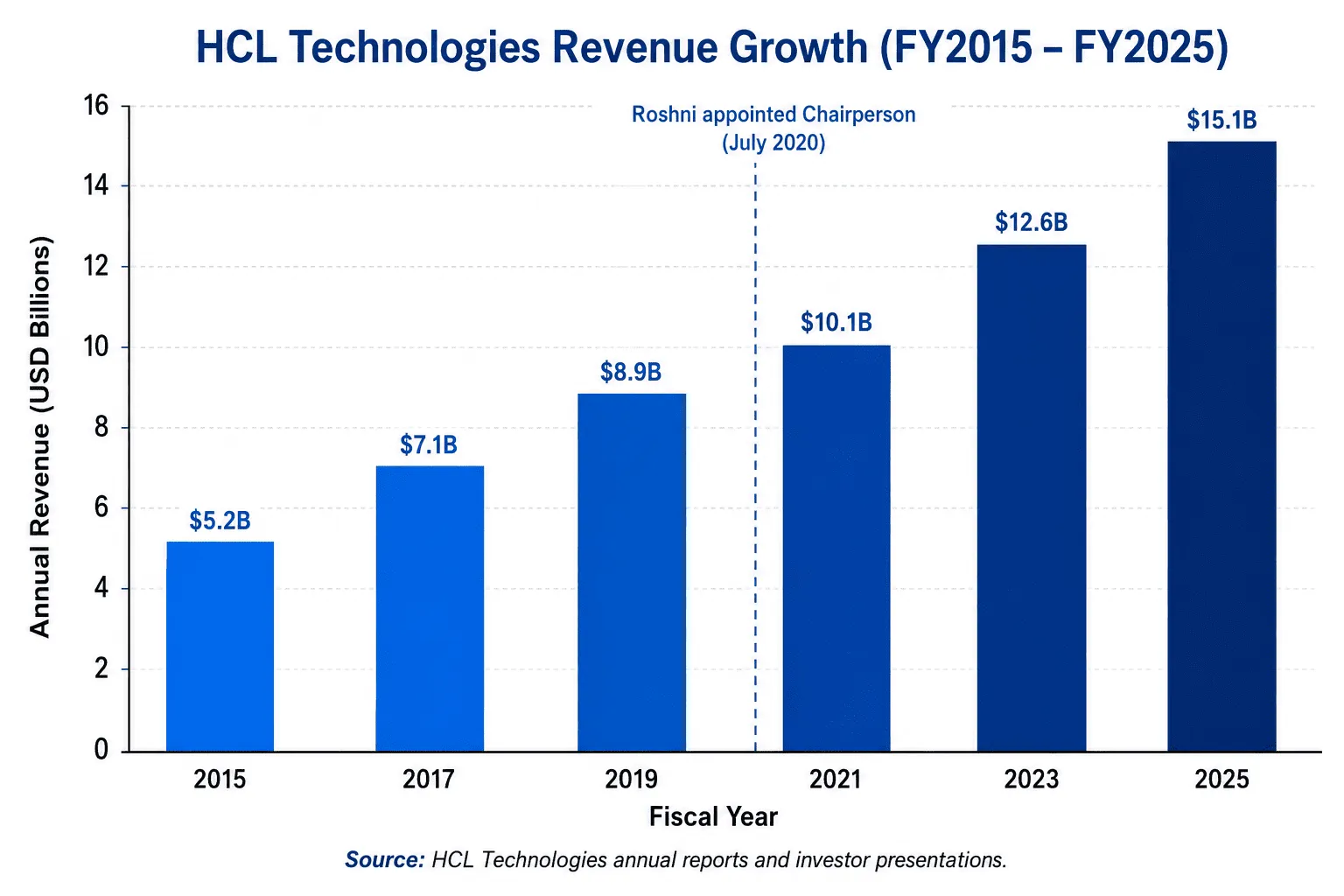
On July 17, 2020, when HCL Technologies announced that Roshni would take over as Chairperson, the news was historic for two reasons. First, she became the first woman to chair a listed IT company in India — a sector that contributes nearly 8% to the country’s GDP and employs over 5 million people. Second, she was taking over from her father, one of the most respected patriarchs of Indian industry, at a time when COVID‑19 was accelerating digital transformation globally.
But leadership in a family business is never just about a title. It is about navigating the delicate balance between honouring the founder’s vision and steering the ship toward uncharted waters. Roshni’s first major test came within months of her appointment: a global semiconductor shortage, rising attrition in tech talent, and the great resignation that saw senior executives moving between competitors.
Under her chairmanship, HCL Technologies adopted a more aggressive stance on employee well‑being. The company rolled out one of the industry’s fastest promotion cycles, invested heavily in upskilling over 100,000 employees in cloud and AI technologies, and introduced a “hybrid‑first” work model that prioritised mental health. The result? By the end of 2022, HCL’s attrition fell from over 20% to under 15%, while revenue crossed $12 billion.
Governance with a Conscience
What sets Roshni apart from many next‑gen leaders is her insistence on substance over symbolism. She does not treat the chairperson’s role as a ceremonial crown. Instead, she has been deeply involved in reshaping HCL’s governance framework — from strengthening the independent director committee to mandating ESG (Environmental, Social, and Governance) metrics for every business unit.
In 2022, HCL became one of the first Indian IT companies to commit to Net Zero emissions by 2040, a decade ahead of the government’s target. The initiative was driven personally by Roshni, who also serves as the Trustee of the Shiv Nadar Foundation. Her conservation work — she is an active member of the board of The Habitats Trust, a wildlife conservation organisation — directly influenced the company’s internal policy on reducing water consumption and electronic waste.
“Business cannot grow on a dead planet,” she said in a rare public address at the HCL Tech Summit 2023. “We have a fiduciary duty not just to shareholders but to the next generation of employees, customers, and citizens who will inhabit this earth.”
This philosophy has resonated with global investors. HCL’s ESG score from MSCI improved from BB to AA in just two years, making it one of the top‑rated IT services firms in the world.
The Philanthropic Vision: VidyaGyan and Beyond
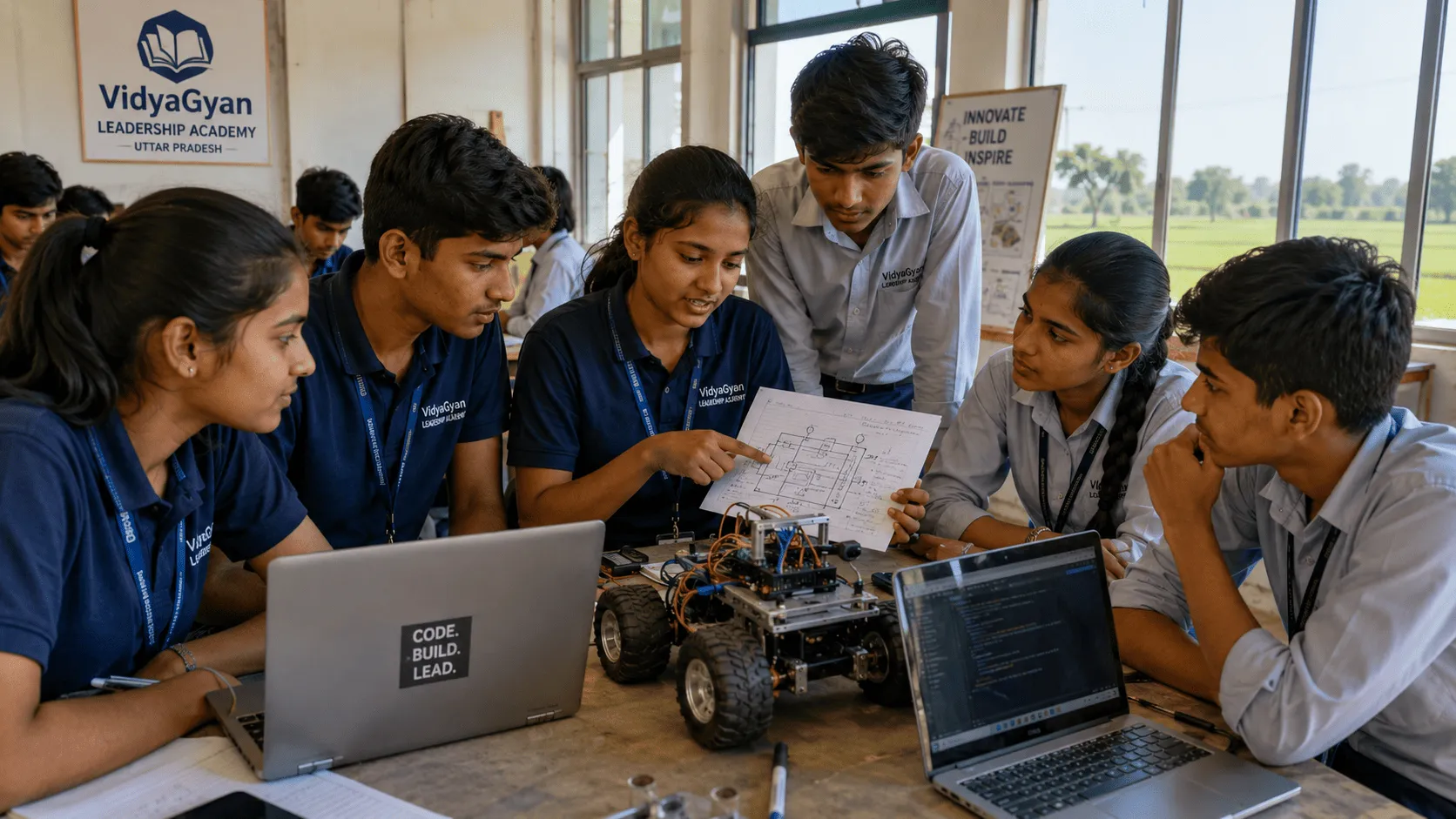
Roshni Nadar Malhotra’s most profound impact, however, may not be on HCL’s balance sheet but on the lives of thousands of rural children. As the Trustee of the Shiv Nadar Foundation, she oversees one of India’s largest private philanthropic efforts in education — including the VidyaGyan schools, which identify meritorious students from economically disadvantaged families in rural Uttar Pradesh and provide them free, world‑class residential education.
Since its inception in 2009, VidyaGyan has produced over 1,500 alumni, many of whom are now studying at IITs, NITs, and top global universities like Stanford and MIT. The programme is entirely need‑blind and merit‑based, with the foundation spending approximately ₹6 lakh per student per year.
Roshni expanded the model in 2021 by launching the Shiv Nadar School in Noida and Delhi as a separate K‑12 chain, but more importantly, she introduced digital learning initiatives that connected VidyaGyan students with HCL mentors virtually during the pandemic. When schools closed, she ensured every student received a tablet with pre‑loaded lessons and a solar‑powered charging unit — a logistical challenge in districts like Bulandshahr and Saharanpur where electricity is erratic.
“I don’t believe in cheque‑book philanthropy,” she told Forbes India in 2024. “Real impact is measured by outcomes — how many children break the cycle of poverty, how many women in their families get employed, how many villages see a reduction in migration to cities.”
Challenges and Critiques
No leader’s journey is without friction. Roshni’s appointment was initially seen by some analysts as a dynastic move, especially given that her cousin, Shikhar Malhotra, is also a non‑executive director at HCL. Critics pointed to the lack of a public succession search and wondered whether the board’s decision was truly merit‑based.
Roshni responded by putting performance front and centre. Under her leadership, HCL Technologies has delivered a three‑year total shareholder return of 180%, outperforming both Infosys and Wipro. The company’s market capitalisation crossed ₹10 lakh crore (approximately $120 billion) in early 2025, making it the third most valuable IT services firm in India.
She also voluntarily stepped down from operational roles, ensuring that the CEO and executive management report directly to the board, not to her as chairperson — a governance best practice that many family‑led companies ignore.
Another challenge has been her own visibility — or the lack of it. Unlike her contemporaries who actively court media, Roshni gives fewer than three interviews a year. Some argue that this reticence limits her ability to become a role model for aspiring women leaders. Others counter that she leads by example, proving that one does not need a personal brand to build a great institution.
Lessons for Next‑Gen Women Inheritors
What can other women inheriting family businesses learn from Roshni Nadar Malhotra?
Earn your credibility outside: Her seven years at Sky News and her early roles at HCL were not résumé fillers. They built a confidence that no inheritance could confer.
Governance over glamour: She focused on board processes, ESG, and transparency — making it impossible to dismiss her as a figurehead.
Philanthropy as strategy, not afterthought: The Foundation’s work directly feeds into HCL’s talent pipeline and brand reputation.
Patience with purpose: She waited over a decade before taking the chairperson role, learning the business thoroughly.
The Road Ahead
As of June 2026, Roshni Nadar Malhotra continues to chair HCL Technologies, which now generates over $15 billion in annual revenue and employs 225,000 people. She has also taken on additional responsibilities as Chairperson of HCL Corporation, the holding company that manages the group’s diverse interests from software to education to healthcare.
Her net worth, estimated at ₹1.5 lakh crore (~$18 billion), makes her India’s richest woman and one of the wealthiest self‑made (or rather, inherited‑but‑transformed) billionaires globally. Yet she remains focused on two goals: taking HCL into the top‑two IT services firms worldwide, and scaling VidyaGyan to reach 10,000 students annually by 2030.
In an era where business dynasties often crumble under the weight of entitlement, Roshni Nadar Malhotra offers a different narrative — one where the daughter does not simply inherit the throne but re‑builds the castle, brick by thoughtful brick.