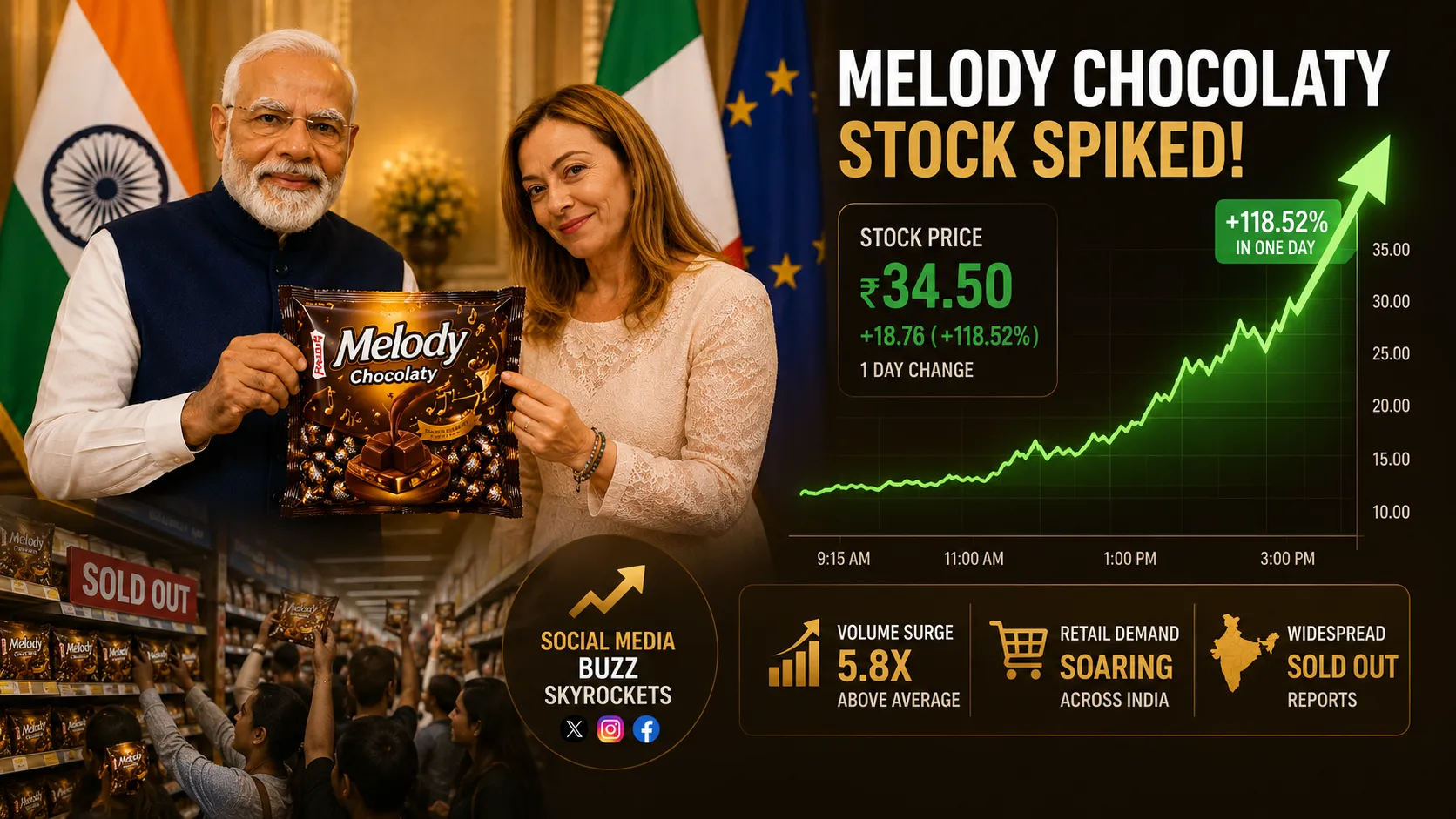
A Tiny Diplomatic Gesture Unexpectedly Became A Bigger Story About Culture, Nostalgia And Internet Attention
For years, diplomatic exchanges frequently followed relatively familiar patterns. State visits often involved ceremonial gifts, cultural symbols and carefully chosen objects because these moments frequently represented more than protocol alone. Leaders often exchanged items carrying historical meaning, regional identity or symbolic value because diplomacy itself frequently attempted to communicate stories beyond formal meetings. Yet most such moments traditionally remained inside news cycles briefly before public attention gradually moved elsewhere.
Over recent years, however, another transition increasingly appears unfolding beneath modern public culture. Social platforms increasingly continue transforming small moments into large cultural events because audiences frequently participate in stories rather than simply consuming them. Images increasingly become memes. Gestures increasingly become conversations. Seemingly ordinary moments increasingly continue acquiring lives of their own through digital communities capable of expanding attention far beyond original contexts.
That broader reality unexpectedly became visible when Prime Minister Narendra Modi reportedly gifted a ₹1 Melody toffee during an interaction with Italy’s leader, creating one of the more unusual cultural moments online. What initially appeared like a light and nostalgic gesture quickly moved beyond diplomacy itself. Social media conversations expanded rapidly, jokes multiplied and audiences increasingly responded with curiosity, amusement and familiarity because Melody already occupied a unique place inside Indian popular culture. Within hours, reports and online discussions suggested a sudden spike in demand, with stores in several locations reportedly witnessing products selling out unusually quickly.
Viewed independently, the story may initially appear like another short-lived internet moment involving nostalgia and humor. Viewed through a broader impact lens, however, it increasingly raises a larger question: why do seemingly tiny cultural symbols continue creating such enormous reactions?
Historically, products frequently built emotional value gradually because brands often entered people’s lives through repeated everyday experiences. Melody itself frequently existed less as a product and more as a memory. School bags, neighborhood shops, change returned from purchases and childhood routines frequently shaped relationships with products long before social media environments ever existed.
Increasingly, however, digital culture appears operating differently. Nostalgia increasingly travels faster. Shared memories increasingly become public experiences. Platforms increasingly create environments where millions of people simultaneously recognize and participate in the same emotional reference points. As a result, ordinary objects occasionally stop behaving like products and begin functioning like cultural symbols.
This transition increasingly matters because consumer behavior frequently appears changing around emotion itself. Historically, visibility often created demand. Increasingly, relatability increasingly appears creating momentum. Products no longer travel only because advertisements exist. They increasingly travel because people continue sharing emotions attached to them.
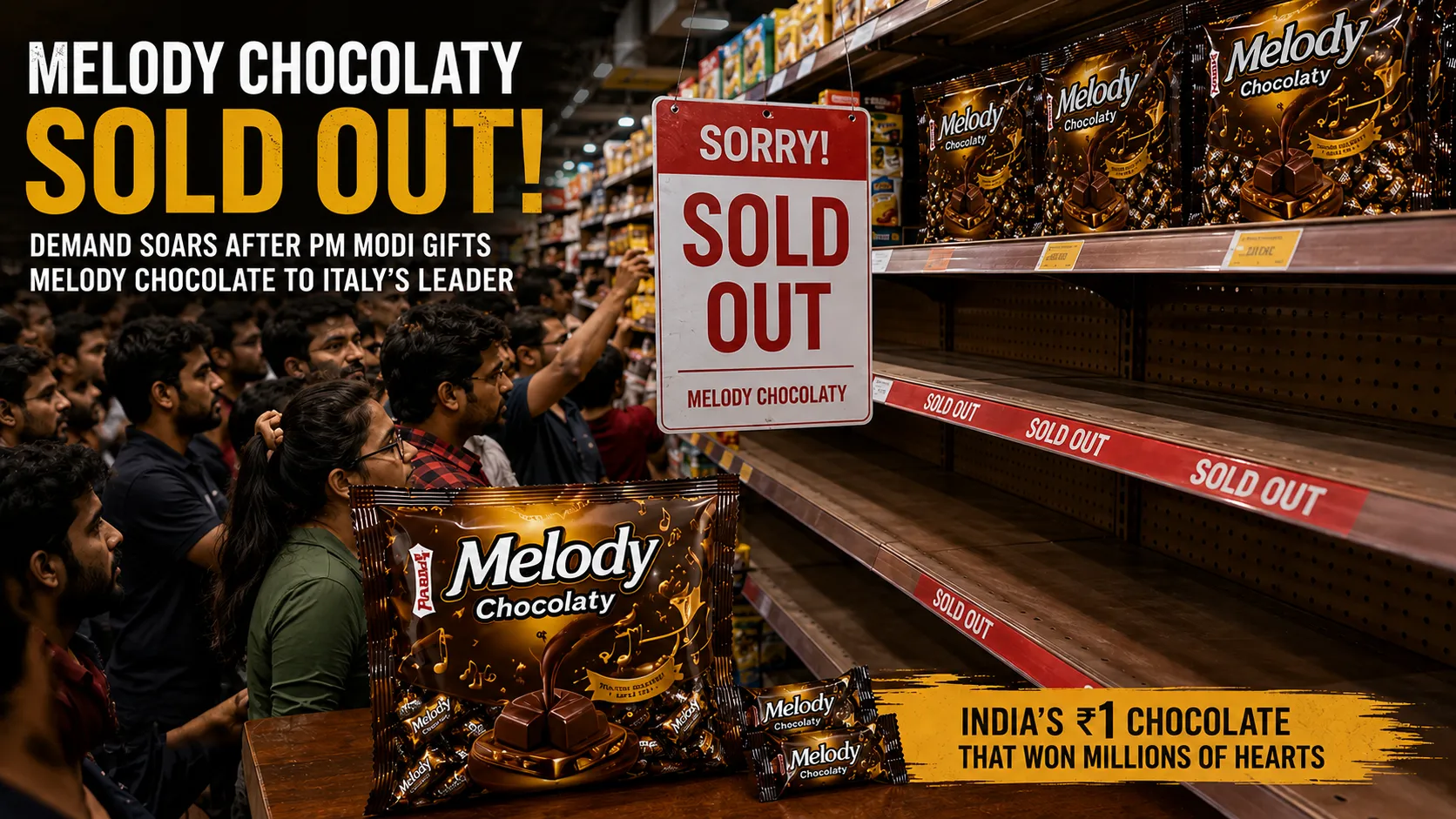
Another important dimension emerging beneath this story increasingly involves how internet culture itself reshapes scale. A ₹1 candy historically represented one of the smallest possible consumer products. Yet in highly connected environments, symbolic meaning frequently becomes larger than price itself. A familiar object placed inside an unexpected moment frequently creates disproportionate attention because surprise itself frequently accelerates sharing behavior.
This broader shift increasingly matters because cultural participation itself increasingly functions differently. People increasingly do not simply react to moments. They reinterpret them, remix them and continue extending them across platforms. Attention increasingly moves through communities rather than institutions alone.
Perhaps that explains why this story increasingly feels larger than one candy or one diplomatic exchange. Because beneath conversations involving Melody toffee ultimately exists another reality involving collective memory itself. People frequently do not respond strongly because objects appear extraordinary.
They respond because objects feel familiar.
The larger impact story therefore may not simply involve a ₹1 toffee reportedly selling out after one public moment. Increasingly, it may involve recognizing that in digital cultures, small things occasionally become large stories because they activate something much older than advertising itself — shared memory.