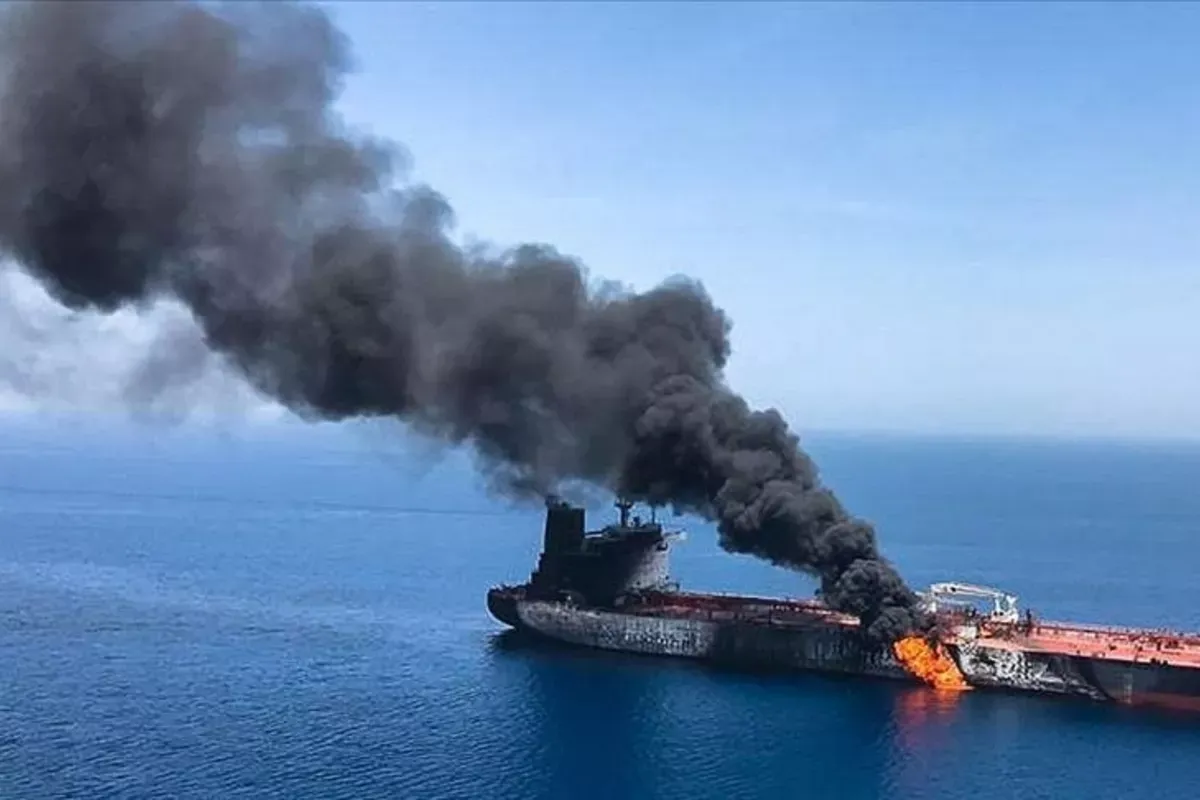
New Delhi: The already fragile calm in the Persian Gulf suffered a fresh blow this week after Iran attacked a Qatari liquefied natural gas tanker, the Al-Rekayyat, as it was transiting waters near the Strait of Hormuz, one of the most strategically vital waterways in global energy trade. The incident, which came even as Washington and Tehran continue negotiating the terms of a permanent end to hostilities following months of intermittent conflict, has once again thrust the question of Gulf shipping security to the centre of global oil market attention, with direct and significant implications for India, the world's third-largest oil importer.
The Strait of Hormuz, a narrow channel separating Iran from Oman and the United Arab Emirates, typically handles around a fifth of the world's total oil traffic, making it arguably the single most important chokepoint in global energy logistics. Any sustained disruption to shipping through the strait carries the potential to send shockwaves through global energy markets, with consequences that extend far beyond the immediate region to touch virtually every oil-importing economy on the planet, India prominently among them.
MARKETS REACT SWIFTLY
Global oil benchmarks reacted swiftly to news of the tanker attack. Brent crude futures, the international pricing benchmark most closely tracked by Indian refiners and policymakers, settled roughly 3 percent higher in the immediate aftermath, while US West Texas Intermediate crude advanced by a similar magnitude. The moves reaffirmed just how sensitive oil markets remain to any sign that the interim peace agreement between Washington and Tehran might be breaking down, even as both sides have publicly maintained that negotiations toward a permanent resolution remain ongoing.
This latest flare-up is far from an isolated incident. Since the conflict between the United States and Iran first erupted earlier in 2026, oil markets have experienced extraordinary volatility, with Brent crude at various points surging to levels not seen in years as fears of a full closure of the Strait of Hormuz gripped traders, only to retreat sharply whenever diplomatic breakthroughs appeared imminent. This pattern of dramatic escalation followed by tentative de-escalation has repeated itself multiple times over recent months, leaving energy markets in a near-constant state of heightened alert.
THE TIMELINE OF ESCALATION
To understand the significance of this week's tanker attack, it helps to trace the arc of the conflict through 2026. The confrontation between the United States and Iran began in earnest in late February, triggering an initial spike in crude prices that saw Brent surge well above one hundred dollars a barrel amid fears of an extended closure of Gulf shipping lanes. Through March and April, the situation deteriorated further, with reports of the Strait effectively shut for extended periods, choking off a significant proportion of global energy flows and pushing crude prices to multi-year highs.
A subsequent memorandum of understanding between Washington and Tehran in the following months brought temporary relief, with oil prices retreating toward pre-conflict levels as shipping activity through the Strait began to normalise. However, this calm proved short-lived. Renewed hostilities in late June and through July saw prices climb once again, with the US ultimately revoking a sixty-day waiver that had permitted limited transactions involving Iranian oil, a move that further escalated tensions just as diplomatic channels appeared to be making tentative progress.
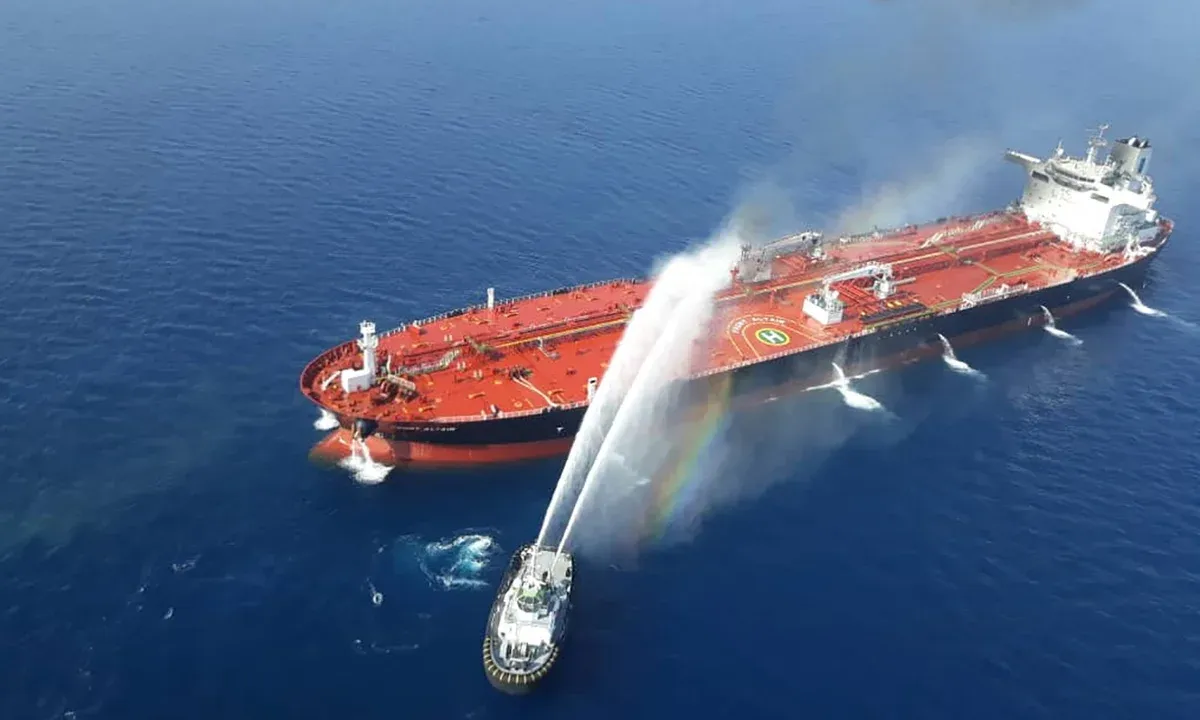
The attack on the Qatari LNG tanker represents the latest chapter in this volatile saga, occurring even as both sides publicly describe their engagement as aimed at reaching a lasting ceasefire. Ship-tracking data has painted a stark picture of the practical impact of this uncertainty on maritime traffic through the region, with transit volumes through the Strait falling by more than half compared to typical weekly patterns during periods of heightened tension.
WHY THIS MATTERS SO MUCH FOR INDIA
India's dependence on imported crude oil makes it particularly vulnerable to sustained disruptions in the Strait of Hormuz. The country imports the vast majority of its crude oil requirements, with a significant proportion historically sourced from Gulf producers whose exports transit through this very chokepoint. Any sustained increase in the price of crude oil translates almost mechanically into a wider trade deficit for India, given the sheer volume of oil the country must import to meet its energy needs.
This dynamic has profound implications across multiple dimensions of the Indian economy. First, and most directly, higher crude prices increase the cost of fuel for Indian consumers and businesses, feeding through into transportation costs, and by extension, into the prices of virtually every good that must be moved by road, rail, or sea across the country's vast geography. Second, the widening trade deficit that results from costlier oil imports puts additional pressure on the Indian rupee, which has already been trading near record-low levels against the US dollar through much of 2026. Third, and perhaps most concerning for policymakers, sustained oil price inflation threatens to complicate the Reserve Bank of India's efforts to manage domestic inflation, which has already climbed to an eighteen-month high in recent data, driven in part by exactly these kinds of imported cost pressures.
Wealth management professionals tracking these developments have noted that the disruption in the Strait of Hormuz poses meaningful downside risk to India's economic growth trajectory, with the potential to simultaneously stoke inflation while weakening the sentiment of foreign investors toward Indian equity markets, even as domestic capital flows have continued to provide a degree of offsetting support.
INDIA'S POLICY RESPONSE OPTIONS
Indian policymakers are not without tools to manage the fallout from sustained oil price volatility, even if none of the available options are without trade-offs. The government has, in the past, adjusted fuel taxation to cushion consumers from the full impact of international price swings, though such measures come at a direct cost to the exchequer at a time when fiscal consolidation remains a stated priority. The Reserve Bank of India, for its part, has tools available to manage currency volatility through direct intervention in foreign exchange markets, selling dollars from its reserves to slow the pace of rupee depreciation, though this approach is inherently limited by the finite scale of the country's foreign exchange reserves relative to the potential scale of sustained capital outflows.
India has also been actively working to diversify its sources of crude oil imports in recent years, reducing its historical reliance on Gulf-origin crude in favour of a broader mix of suppliers, including increased volumes from Russia and other non-Gulf producers. This diversification strategy, while not eliminating exposure to global oil price volatility entirely, does provide a degree of insulation against the specific risk of a Strait of Hormuz closure, since alternative supply routes are less directly affected by any disruption to that particular chokepoint.
GLOBAL DIPLOMATIC EFFORTS CONTINUE
Even as this week's tanker attack has raised fresh concerns, diplomatic channels between Washington and Tehran remain active, with reports suggesting continued engagement through international mediators aimed at reducing tensions and working toward a more durable resolution than the interim arrangements that have repeatedly broken down over recent months. The involvement of international mediators, alongside broader multilateral efforts, including discussions hosted by other governments aimed at securing safe passage through the Strait for commercial shipping, reflects the scale of global concern about the economic consequences of prolonged disruption to this critical waterway.
Energy analysts have cautioned, however, that even successful diplomatic breakthroughs are unlikely to fully eliminate the elevated risk premium that has become embedded in oil prices through 2026. The repeated pattern of escalation followed by tentative de-escalation has left market participants wary of pricing in a full and lasting resolution, with many continuing to build in a meaningful geopolitical risk premium into their price forecasts even during periods of relative calm.
OUTLOOK FOR INDIA
As India navigates this uncertain global energy landscape, the coming weeks are likely to prove pivotal in determining whether the current bout of tension resolves into a more durable ceasefire or escalates further, with corresponding implications for oil prices, the rupee, and the broader trajectory of domestic inflation and growth. For now, Indian markets, policymakers, and consumers alike find themselves once again watching developments in a waterway thousands of kilometres away with an intensity that speaks to just how deeply intertwined India's economic fortunes have become with the stability of global energy supply chains.
IMPACT ON INDIAN REFINING AND OIL MARKETING COMPANIES
India's downstream oil sector, comprising both public and private refiners as well as fuel retailers, finds itself at the sharp end of this ongoing volatility. State-run oil marketing companies, which manage the delicate balance between international crude prices and domestic retail fuel pricing, face a recurring challenge during periods of sustained crude price escalation: the risk of under-recoveries, where the cost of procuring crude oil and refined products rises faster than these companies are able to pass through to retail consumers, given the political and social sensitivity historically associated with sharp increases in domestic fuel prices.
This dynamic has repeatedly created tension between the commercial imperatives of oil marketing companies, whose profitability is directly affected by their ability to maintain adequate marketing margins, and broader government considerations around inflation management and consumer affordability. Private sector refiners, with greater flexibility in their product mix and export orientation, have generally proven somewhat more insulated from these pressures, given their ability to direct output toward whichever markets, domestic or international, offer the most attractive margins at any given time, though even these players are not entirely immune to the broader volatility affecting global crude and refined product markets.
SHIPPING AND LOGISTICS INDUSTRY RAMIFICATIONS
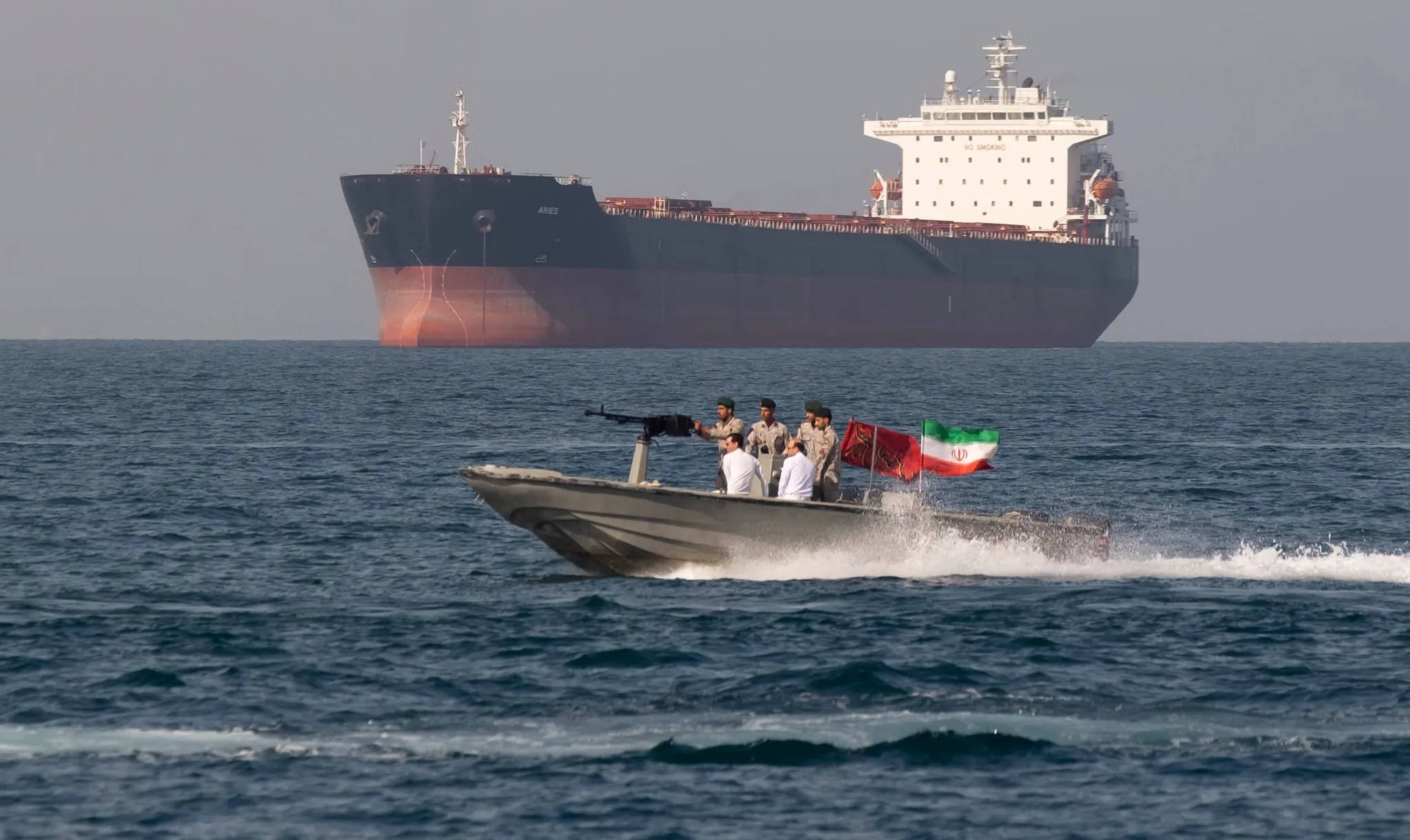
Beyond the direct impact on crude oil pricing, the escalating tensions around the Strait of Hormuz carry significant implications for the global shipping and maritime insurance industries, both of which play critical supporting roles in facilitating India's international trade. War risk insurance premiums for vessels transiting the Gulf region have reportedly risen sharply during periods of heightened conflict, adding to the operating costs faced by shipping companies and, ultimately, to the landed cost of goods moving through affected trade routes.
Indian shipping companies and logistics operators with exposure to Gulf trade routes have had to navigate this increasingly complex risk environment, in some cases rerouting vessels or adjusting scheduling to minimise time spent in the highest-risk zones near the Strait, even though such adjustments often come at the cost of longer transit times and higher fuel consumption. The cumulative effect of these operational adjustments, combined with elevated insurance costs, adds yet another layer of cost pressure that eventually filters through to the broader Indian economy, affecting not just fuel prices directly but the cost of a wide range of imported and exported goods that rely on maritime shipping routes passing through or near the affected region.
LESSONS FROM PREVIOUS GULF SUPPLY DISRUPTIONS
India's policymakers and energy sector executives have, over previous decades, accumulated considerable experience navigating periodic disruptions to Gulf oil supplies, from earlier conflicts in the region to previous periods of heightened tension around the Strait of Hormuz. This institutional experience has informed the development of various contingency measures, including strategic petroleum reserves designed to provide a buffer against short-term supply disruptions, though the scale of India's strategic reserves remains modest relative to the country's overall daily consumption, limiting their effectiveness as a tool for managing anything beyond relatively brief disruptions.
Longer-term structural responses, including the diversification of import sources and continued investment in domestic exploration and production capacity, represent more durable solutions to the vulnerability exposed by episodes like the current Strait of Hormuz tensions, even though these structural shifts inevitably take years to meaningfully reduce India's overall dependence on imported crude oil and its associated exposure to exactly this kind of geopolitically-driven price volatility.
A CALL FOR SUSTAINED VIGILANCE
Taken together, the events of this week serve as a pointed reminder that despite months of intermittent negotiation and periodic ceasefire arrangements, the underlying conflict between the United States and Iran remains fundamentally unresolved, with the Strait of Hormuz continuing to function as both a literal and symbolic flashpoint for the broader confrontation. For India, a nation whose economic engine runs substantially on imported energy, this reality demands sustained policy vigilance across multiple fronts simultaneously, from active diplomatic engagement aimed at protecting the country's energy interests, to continued investment in supply diversification and strategic reserves, to careful macroeconomic management aimed at cushioning households and businesses from the worst effects of imported price volatility. How effectively Indian policymakers navigate this multi-front challenge over the coming months will likely play a meaningful role in determining the country's overall economic trajectory through the remainder of the current fiscal year.