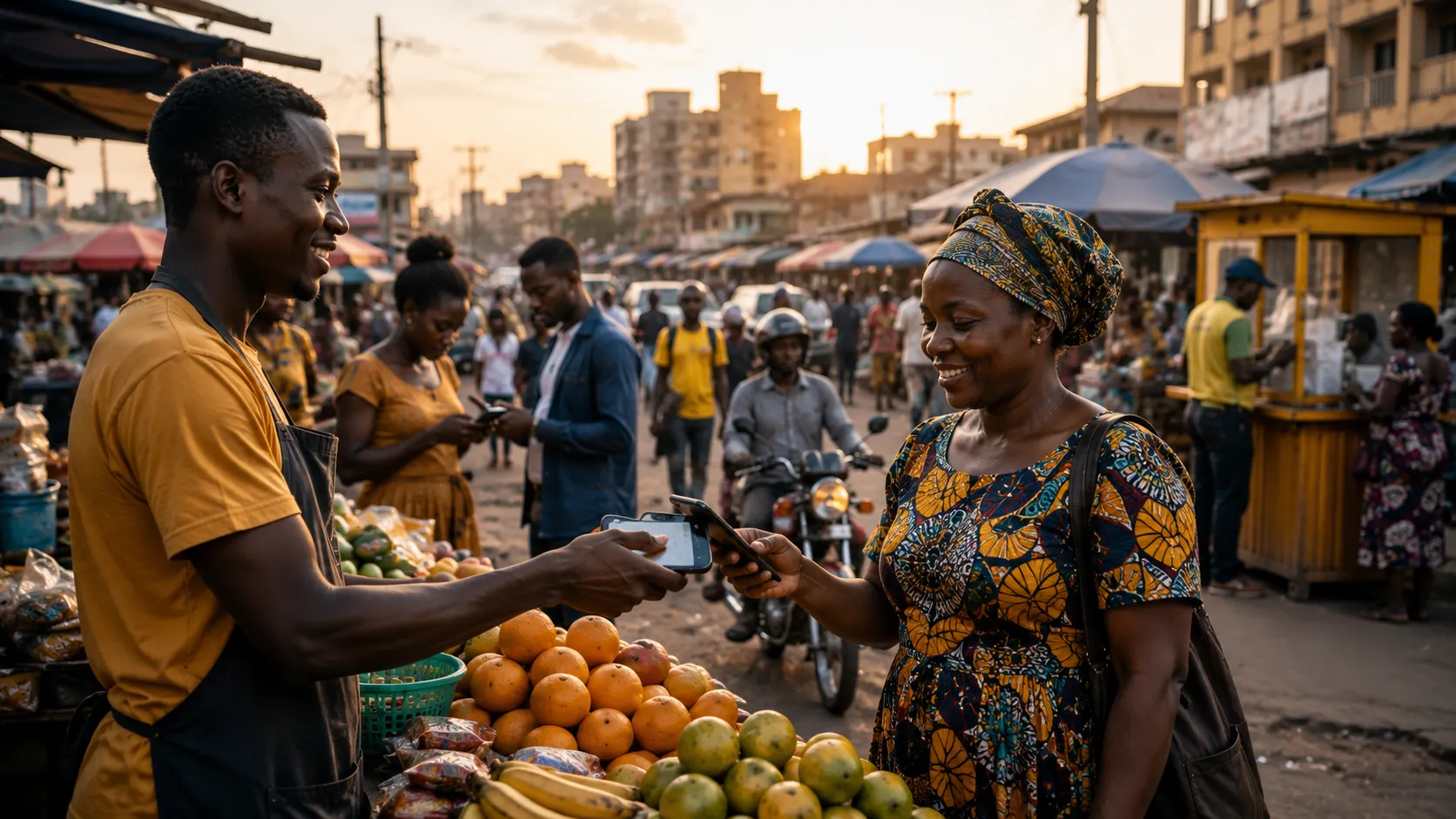
What Began As A Financial Tool Is Gradually Becoming Something Much Larger
For years, conversations surrounding financial technology often centered around banking disruption, digital payments and expanding access to financial services. Across many developed economies, digital payment systems largely evolved around convenience. Faster transactions, app-based ecosystems and cashless experiences increasingly shaped financial innovation narratives. Yet in several parts of Africa, mobile money followed a noticeably different path. Rather than emerging primarily as a convenience product layered onto existing financial systems, mobile money increasingly developed as foundational infrastructure where formal financial access itself had historically remained limited.
Over time, that distinction quietly became significant. In many regions across Africa, mobile money increasingly evolved beyond its original function as a simple payments mechanism. What initially helped users transfer small amounts of money between phones gradually expanded into broader systems supporting daily life. Today, mobile money platforms increasingly appear connected not only to financial transactions but also to healthcare payments, educational access, emergency support systems and local commerce environments. Increasingly, these systems appear less like financial products and more like social infrastructure operating beneath everyday life.
Recent industry estimates continue highlighting the scale of this transformation. According to mobile money ecosystem reporting, Sub-Saharan Africa continues accounting for the majority of global mobile money activity, processing billions of transactions annually while serving hundreds of millions of registered accounts. In countries including Kenya, Ghana, Tanzania and Uganda, mobile money ecosystems increasingly influence everyday economic participation in ways extending far beyond banking access alone.
The larger significance surrounding this shift increasingly appears connected to impact itself. Because in environments where traditional infrastructure gaps historically limited access, technologies often evolve differently. Rather than replacing existing systems, they increasingly become the systems people depend upon.
Financial Inclusion Increasingly Appears To Be Extending Beyond Banking Access Alone
For years, financial inclusion conversations frequently focused on account ownership. Expanding access to formal banking systems often represented one of the primary development goals across emerging markets. The assumption frequently suggested that once individuals entered financial systems, broader opportunities involving savings, credit and economic participation would naturally follow.
The reality across several African markets increasingly appeared more layered.
Traditional banking systems frequently encountered structural challenges involving geographic reach, physical infrastructure and accessibility. Rural communities often remained far from financial institutions while formal account requirements occasionally created additional barriers. Mobile money increasingly emerged inside these gaps by creating systems requiring significantly less infrastructure and allowing users to participate through mobile devices and local agent networks.
The implications increasingly extended beyond transactions themselves. Mobile money systems gradually created pathways enabling individuals to receive wages, support families and participate in economic environments that previously remained difficult to access. Small business owners increasingly used digital payments to operate more efficiently. Families increasingly transferred money across regions without depending on slower informal systems.
Over time, financial participation itself increasingly appeared connected not simply to banking access but to broader forms of social participation.
This shift matters because infrastructure frequently becomes most visible when people begin depending upon it without consciously noticing its presence.
Mobile Money Increasingly Supports Daily Life During Moments Of Uncertainty
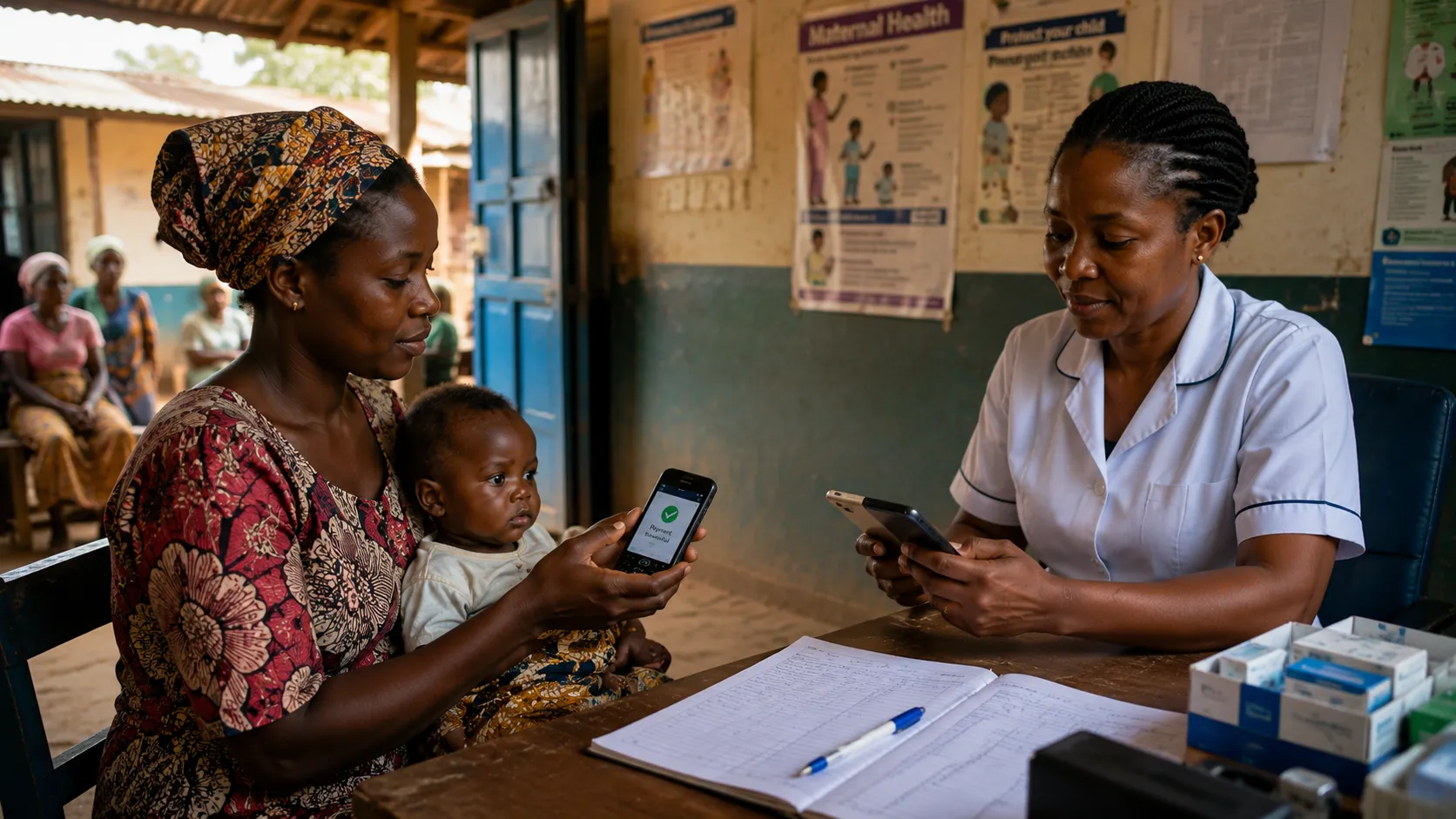
One reason mobile money increasingly appears closer to social infrastructure involves how frequently these systems operate during periods of disruption and uncertainty.
Historically, crises often exposed limitations involving physical systems and institutional access. Weather events, public-health emergencies and economic disruptions frequently created environments where movement became restricted and traditional financial systems encountered stress. During these periods, digital ecosystems often became especially important.
Across several African countries, mobile money systems increasingly supported communities during moments involving economic disruption and healthcare challenges. During the pandemic, governments and organizations frequently used digital transfer systems to distribute aid and support vulnerable populations. Mobile platforms increasingly enabled people to receive assistance rapidly while limiting physical barriers associated with traditional delivery mechanisms.
The significance of these developments extended beyond efficiency.
Increasingly, mobile money platforms appeared to function as connective systems linking individuals with broader support structures during moments when access became especially important.
This evolution increasingly revealed something larger about technology itself. Systems initially designed around transactions gradually became environments capable of supporting resilience.
Healthcare, Education And Community Systems Increasingly Intersect With Mobile Platforms
Another important development increasingly involves how mobile money systems now interact with sectors extending well beyond finance.
Healthcare environments increasingly use digital payment systems supporting clinic access and treatment costs. Educational systems increasingly integrate mobile payments for school fees and broader administrative functions. Agricultural ecosystems increasingly connect digital payments with farming support programs and local supply systems.
What makes these developments especially important involves the way infrastructure itself evolves. Historically, infrastructure often referred primarily to physical systems involving roads, utilities and transportation networks. Increasingly, digital systems appear operating similarly by enabling broader participation across multiple aspects of daily life.
This transition increasingly reflects a broader pattern emerging across developing economies where technology occasionally bypasses traditional stages of infrastructure development altogether. Rather than replicating older systems, digital ecosystems increasingly create entirely new pathways around access and participation.
In many communities, mobile money increasingly appears embedded within everyday activity not because users consciously think about technology itself, but because the systems increasingly function as practical tools supporting routine life.
The Larger Story Increasingly Extends Beyond Payments Alone
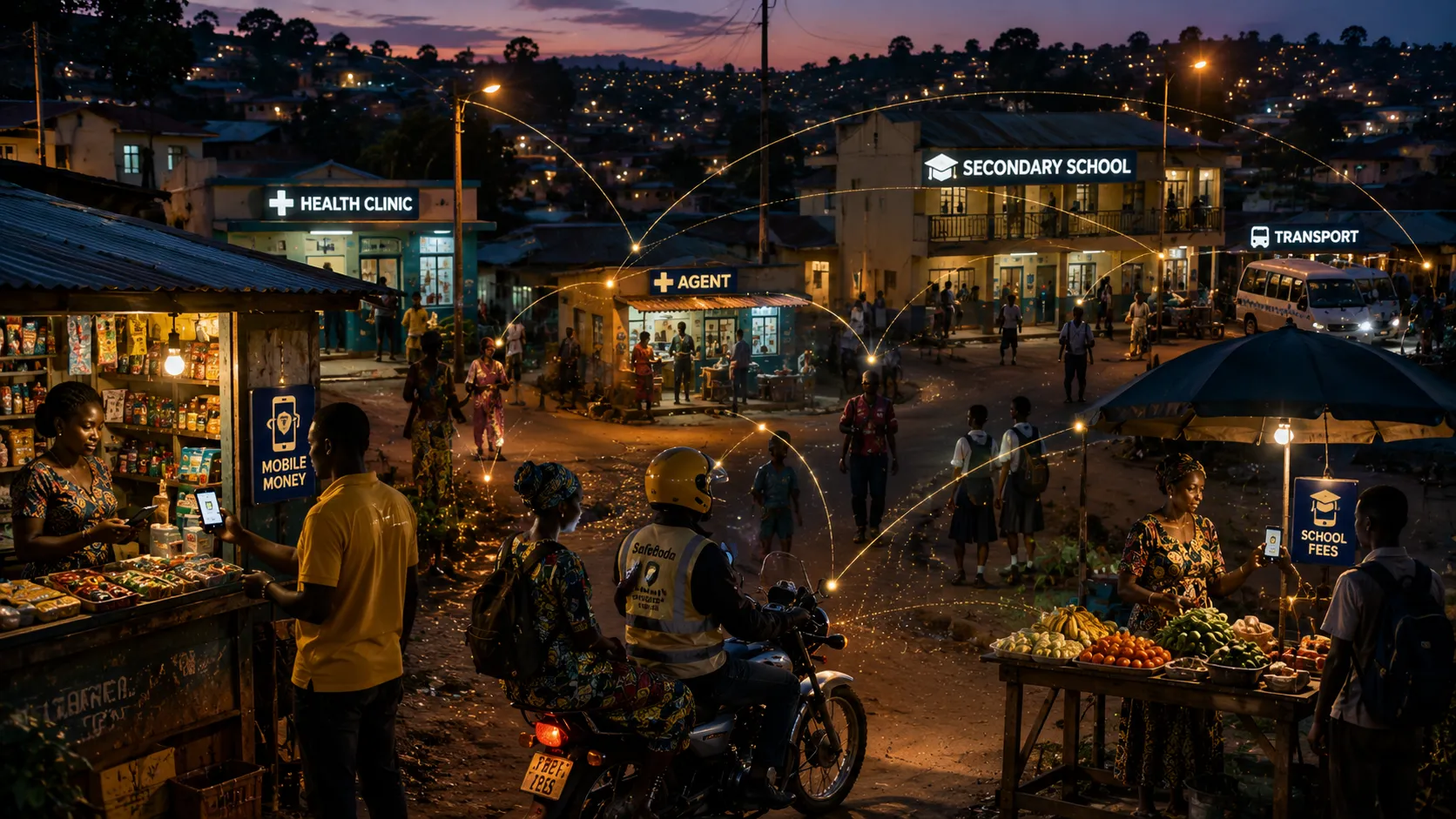
The broader significance surrounding mobile money across Africa may ultimately involve what it reveals regarding how innovation frequently unfolds in environments shaped by necessity.
Many global technology narratives often begin through stories involving convenience or consumer behavior. Across several African markets, mobile money increasingly followed a different path. It emerged partly because existing systems left important gaps and communities required alternatives capable of operating under different realities.
Over time, these systems increasingly expanded into functions extending beyond finance itself. They increasingly influenced economic participation, healthcare access and community resilience. The broader lesson may therefore involve understanding that technologies frequently evolve differently depending upon the environments surrounding them.
Viewed through that lens, mobile money increasingly appears less like a fintech story alone and more like a broader social story involving access, adaptability and infrastructure itself. The larger impact increasingly may not involve digital payments becoming more efficient. It may involve communities gradually building new systems around technologies that quietly became woven into the structure of everyday life.