Your Kitchen Just Got More Expensive — And the Reasons Go All the Way to West Asia
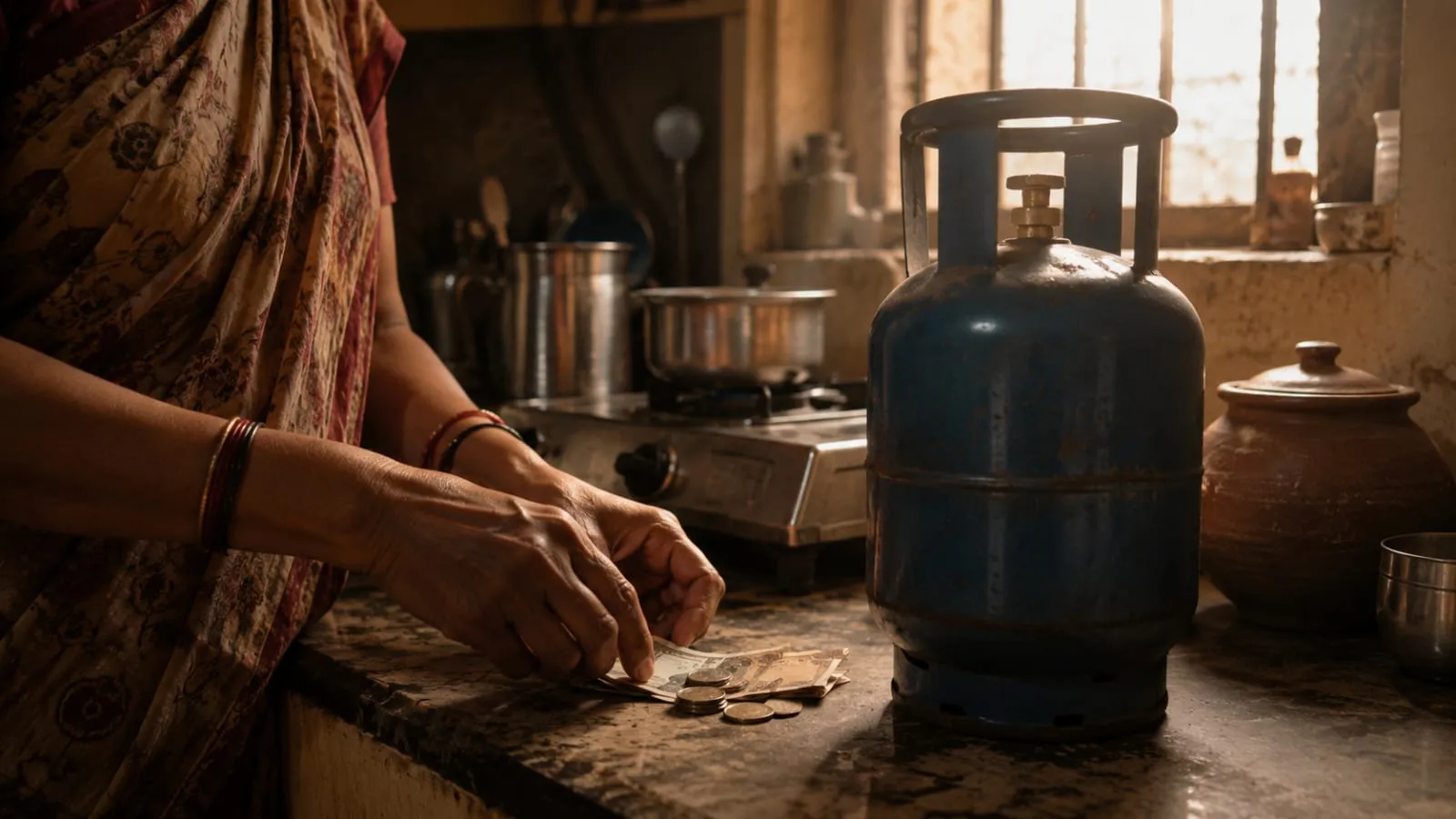
For millions of Indian families, the morning routine of booking a gas refill just became a little more painful. Domestic cooking gas LPG prices have been raised by ₹29 per cylinder, marking the second increase in three months as state-owned fuel retailers continue to grapple with elevated global energy costs.
Effective today — Sunday, June 7 — the price of a 14.2-kg LPG cylinder in Delhi has risen to ₹942 from ₹913. It's not a massive jump on paper. But when it lands on top of already stretched household budgets, every rupee counts.
This Is the Second Hit in Three Months
This hike didn't come out of nowhere. The latest increase follows a ₹60-per-cylinder hike announced on March 7, when geopolitical tensions in West Asia pushed global energy prices sharply higher. And before that? Prices had already been climbing steadily.
The broader picture is even harder on consumers — petrol and diesel prices have risen by a cumulative ₹7.50 per litre since mid-May, while CNG rates have gone up by about ₹6 per kg during the same period. Fuel costs are rising across the board, and ordinary Indians are absorbing the shock one cylinder at a time.
The Oil Companies Are Still Bleeding
Here's the part the headlines often bury: even after this hike, the government-run oil companies are still selling LPG at a loss. A significant one. State-run oil marketing companies were estimated to be losing about ₹703 on every LPG cylinder sold before the latest revision, and the earlier ₹60 increase had only partly offset those losses.
A senior government official confirmed at an inter-ministerial briefing that under-recovery on domestic LPG cylinders remains in the range of almost ₹700 per cylinder — even after the latest price revision. In plain terms: the government has been absorbing a massive chunk of your gas bill, and that buffer is wearing thin.
Despite recent increases, industry sources say oil marketing companies continue to sell petrol and diesel below their actual costs — with losses estimated at around ₹11 per litre on petrol and ₹33.6 per litre on diesel. The full burden hasn't been passed on to consumers yet. But the direction of travel is clear.
Why Is This Happening?
The root cause sits far from India's kitchens. The cumulative impact of both hikes stems from a volatile situation in the Middle East, which is now translating directly into kitchen budgets across the country. When the Strait of Hormuz — one of the world's most critical oil shipping routes — faces disruption, India feels it fast.

India imports the majority of its crude oil, which means global conflicts don't stay global for long. They show up at your gas agency, on your booking app, and in your monthly expenses.
What This Means for You
The adjustment will be reflected immediately when consumers book their next refill through dealers or digital platforms, so there's no grace period. If you were planning to book this week, the new price applies now.
For Ujjwala Yojana beneficiaries and lower-income households who depend on subsidised cooking gas, the pressure is even sharper. The ₹29 hike may seem modest compared to the losses oil companies are absorbing — but for a family running on a tight budget, it's the difference between one extra refill or skipping it.
The government has so far avoided passing on the full weight of international fuel price shocks to consumers. A portion of the burden continues to be absorbed by state-owned fuel retailers as volatility persists in global crude oil and fuel markets. But with losses still running into hundreds of rupees per cylinder, today's ₹29 hike is unlikely to be the last word.
The world's energy crisis has many faces. Today, for India, it looks like a gas cylinder costing ₹942.