The Gurugram-based mental health platform just raised fresh capital from Zerodha-backed Rainmatter at a 40% higher valuation — proving that investors are finally taking mental wellness as seriously as physical health.
The news landed quietly on a Wednesday afternoon. A small funding round. A 40% valuation jump. A mental health startup that most people had never heard of. But for those watching India's healthcare ecosystem, the signal was unmistakable: the mental health revolution has found its investors.
Lissun, a Gurugram-based tech-enabled mental health platform offering therapy, counseling, and wellness solutions for individuals and enterprises, has raised ₹2.77 crore in fresh funding from existing investor Zerodha-backed Rainmatter, India Foundation Fund, and a group of individual investors. The round marks the company's first significant capital infusion since its pre-Series A round in September 2024.
The numbers tell a story of quiet but steady growth. The company's valuation jumped approximately 40% to around ₹101 crore, up from ₹72 crore in its previous round. It has delivered over 35,000 therapy sessions across 40+ cities, serving more than 200 clients through partnerships with corporates, healthcare providers, and educational institutions. Revenue nearly doubled to ₹5.13 crore in FY25. And it has acquired a US-based mental wellness startup to power its AI ambitions.
The mental health market in India is finally being taken seriously. And Lissun is positioning itself at the center of it.
The Round: Small in Size, Big in Signal
The funding round may be modest in absolute terms, but its significance lies in who participated and what it represents.
According to RoC filings, the company allotted convertible notes worth ₹2 crore to Rainmatter and ₹50 lakh to India Foundation. It also issued 730 equity shares at ₹3,728 each, raising an additional ₹27 lakh from a group of individual investors. In a separate development, the board approved a Management Stock Option Plan worth approximately ₹5.06 crore, granting stock options to promoters, directors, and senior management personnel at an exercise price of ₹3,728 per option.
Rainmatter, the investment arm of Zerodha founder Nithin Kamath, has been a consistent backer of Lissun. It made its inaugural investment in the mental health industry with Lissun in 2023. The continued support signals confidence in the startup's long-term vision and business model.
"This is the Gurugram-based firm's first capital infusion in almost two years, following its $2.5 million pre-Series A funding round led by RPSG Ventures in September 2024," Entrackr reported. The company will use the proceeds for general business purposes and funding working capital requirements.
The Founders: Two Engineers, One Mission
Lissun was founded in 2021 by Dr. Krishna Veer Singh and Tarun Gupta. Both are engineers by training — Singh holds a PhD in computer science, while Gupta brings deep experience in building technology platforms. Together, they set out to solve a problem that technology alone could not fix: India's mental health crisis.
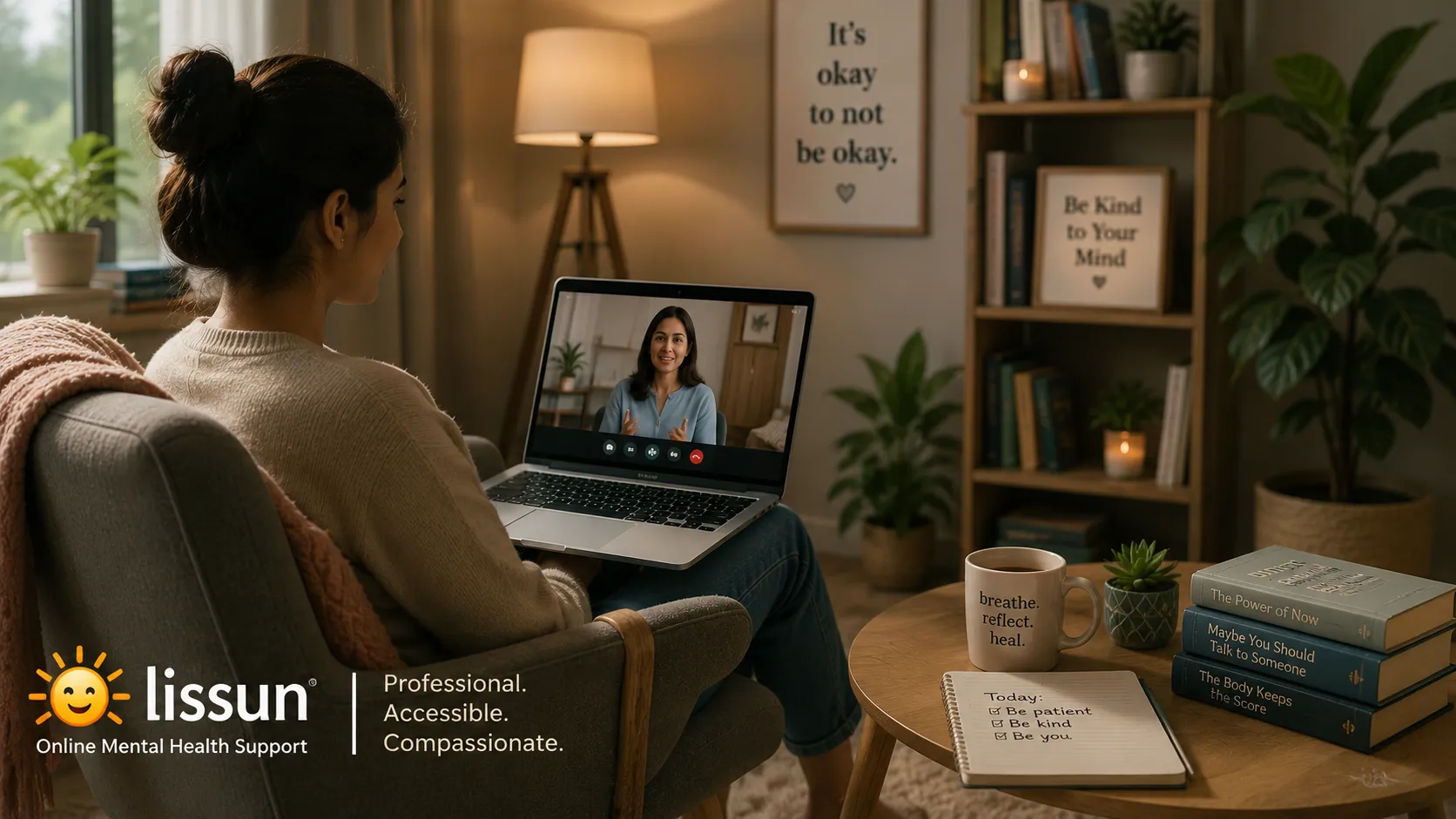
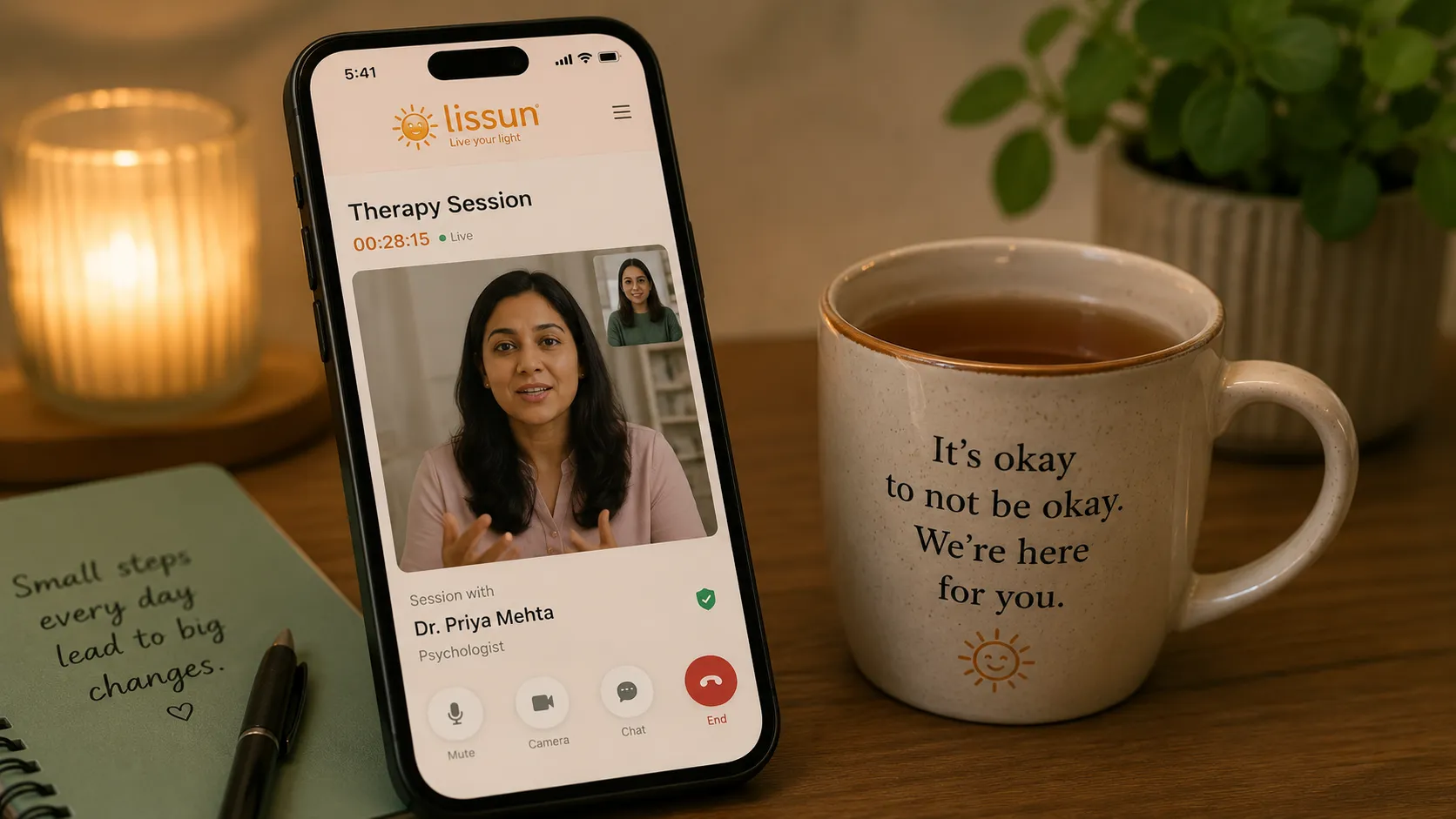
The platform combines digital tools with therapist-led care to provide mental health support for individuals, families, and organizations. It operates on a hybrid model that connects companies, healthcare services, and end users. The approach has resonated with a market that is increasingly willing to pay for mental wellness.
The founders have also been strategic about expansion. In July 2025, Lissun acquired US-based Being Cares Inc — a mental wellbeing startup known for developing what it calls the "Google Maps of Mental Health". The acquisition gave Lissun access to technology that can decode more than 40 emotional and behavioral conditions, including anxiety, depression, burnout, and parenting stress.
"We have delivered over 35,000 therapy sessions across 40+ cities, serving more than 200 clients through partnerships with corporates, healthcare providers, and educational institutions," the company claims.
The Financials: Growth and Investment
Lissun's financial trajectory reflects a company in rapid growth mode, albeit with the typical losses that come with scaling a healthtech platform.
In FY25, the company's operating revenue nearly doubled to ₹5.13 crore from ₹2.66 crore in FY24. Its losses, however, rose 8.2% to ₹9.85 crore during the year, compared to ₹9.10 crore in the previous fiscal year. The company is yet to file its FY26 financial statements.
The widening losses are not a cause for alarm — they reflect the company's investment in expansion, technology, and partnerships. The fresh funding will allow Lissun to bolster its technological infrastructure and expand its service offerings. The company is also enhancing its AI assistant, Ray, which will offer parents real-time guidance, personalized activities, and developmental progress tracking.
"We're seeing strong growth opportunities in the mental health space," one industry observer noted. "More people now accept therapy and digital platforms, which helps startups expand faster."
The AI and Child-First Strategy
What sets Lissun apart from many competitors is its focus on two areas: artificial intelligence and child behavioral healthcare.
The company has invested significantly in AI to improve patient care. The acquisition of Being Cares Inc strengthens Lissun's ability to offer AI-powered, personalized mental health guidance. The technology can decode more than 40 emotional and behavioral conditions, making it a powerful tool for early intervention.
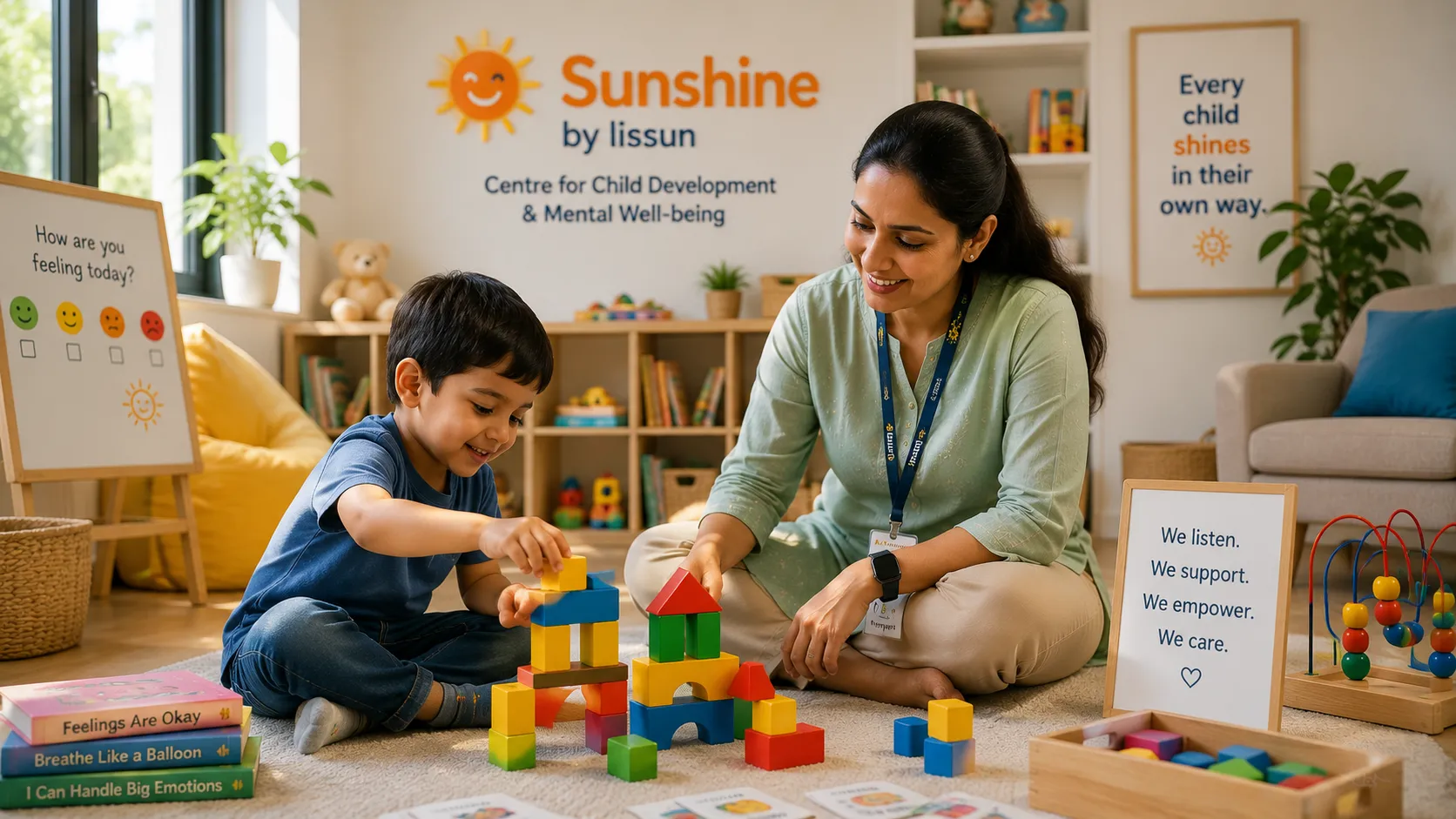
Lissun also operates Sunshine by Lissun, a dedicated division focused on developmental and behavioral healthcare for children. The company currently runs around 20 Sunshine centers and plans to expand to more than 200 locations over the next few years. The child-first approach addresses a critical gap in India's mental health ecosystem, where pediatric mental health services are severely underfunded and understaffed.
The company plans to adapt the Being Cares platform to address child-focused conditions such as autism, ADHD, speech delays, and learning disorders. Families can access support earlier and receive tailored recommendations throughout their healthcare journey.
The Market: India's Mental Health Moment
The timing of Lissun's funding round is no accident. India's mental health market is at an inflection point.
Post-pandemic, awareness of mental wellness has grown significantly. More people are seeking therapy. More employers are offering mental health benefits. More investors are looking for opportunities in the space. The stigma that once kept mental health conversations in the shadows is slowly, but surely, fading.
"Mental health issues in India are finally being taken seriously," Dilip Kumar, who heads Rainmatter Health, said when the fund made its inaugural investment in Lissun. The comment now seems prescient.
The funding environment for mental health startups has also improved. Lissun's round follows a broader trend of increased investor interest in healthtech, particularly in digital health platforms that offer scalable, tech-enabled solutions. The company's 40% valuation jump reflects growing confidence in its ability to capture a significant share of this expanding market.
The Bottom Line
Lissun's ₹2.77 crore funding round is not the largest in Indian startup history. It is not the most headline-grabbing. But it may be one of the most significant indicators of where India's healthcare ecosystem is heading.
A mental health platform, founded by two engineers, backed by Zerodha's Rainmatter, acquiring US technology to power AI-driven child behavioral healthcare — this is not a story about a single startup. It is a story about an industry that has finally arrived.
The numbers are modest today. But the signals are unmistakable. Mental health is no longer a taboo. It is a business. And Lissun is positioning itself to be at the center of it.