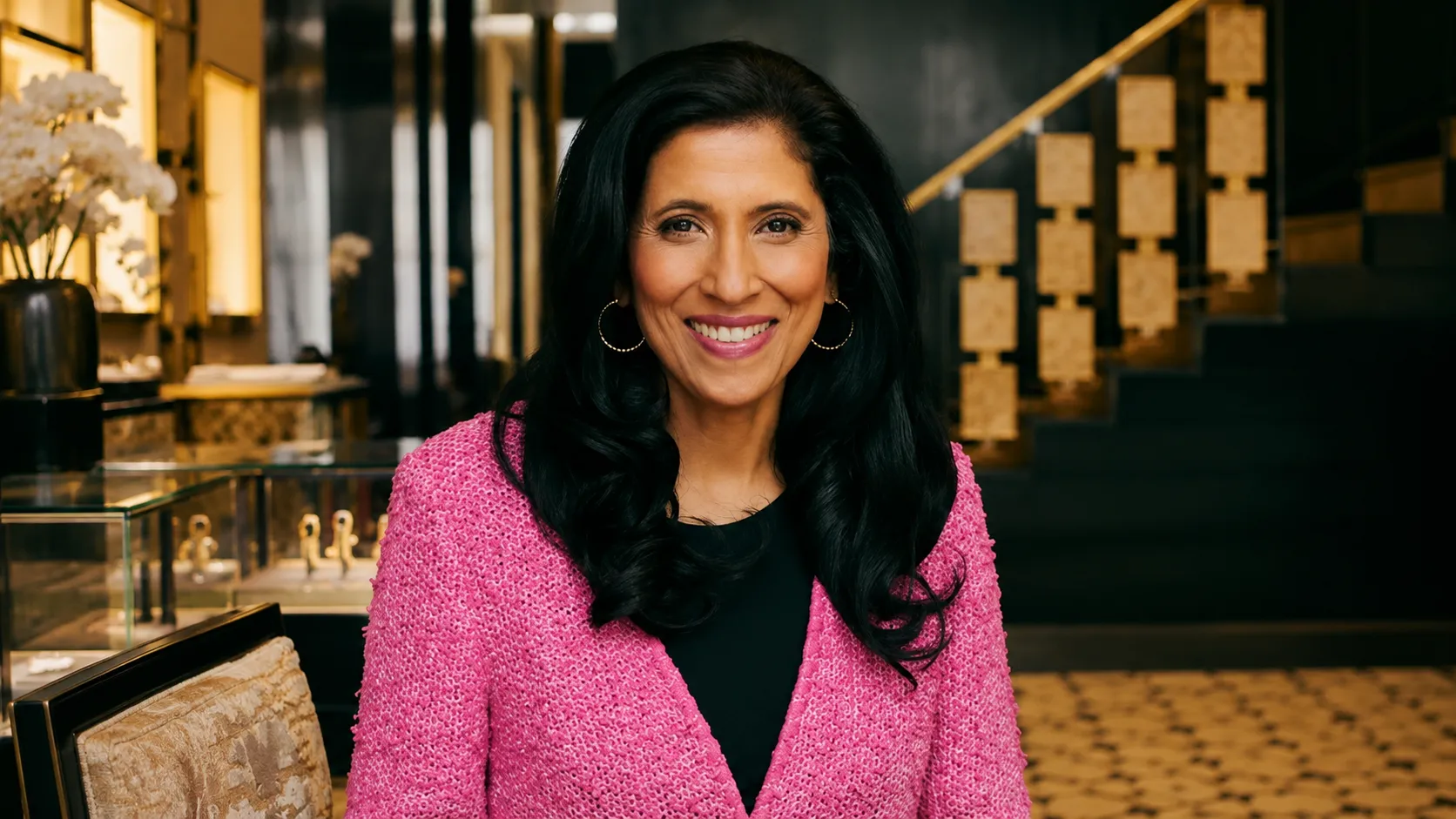
When Chanel named Leena Nair its global chief executive officer, the appointment generated the kind of extensive commentary reserved for genuinely rare, unprecedented moments in an industry not known for embracing them easily. Nair became the first person of color, the first Indian-origin executive, and one of very few professionals from entirely outside the traditional fashion and luxury industry ever entrusted with leading one of the sector's most fiercely protected, most tradition-bound institutions. That initial appointment made headlines around the world. Her continued leadership today, well past the point where any outlet would still frame her tenure primarily around the fact of her being first, may ultimately prove to be the more significant and more lasting story of the two.
There is a particular kind of achievement in simply continuing to hold a position long enough that the novelty of one's original appointment fades into the background, replaced by ordinary evaluation on ordinary business performance terms rather than symbolic significance alone. That transition — from history-making appointment to simply being the person who runs the company day to day, evaluated like any other chief executive — is one that not every barrier-breaking executive successfully makes, and Nair's sustained, continued presence atop Chanel this year suggests she has largely completed it.
An Unlikely Path Into the World's Most Insular Industry
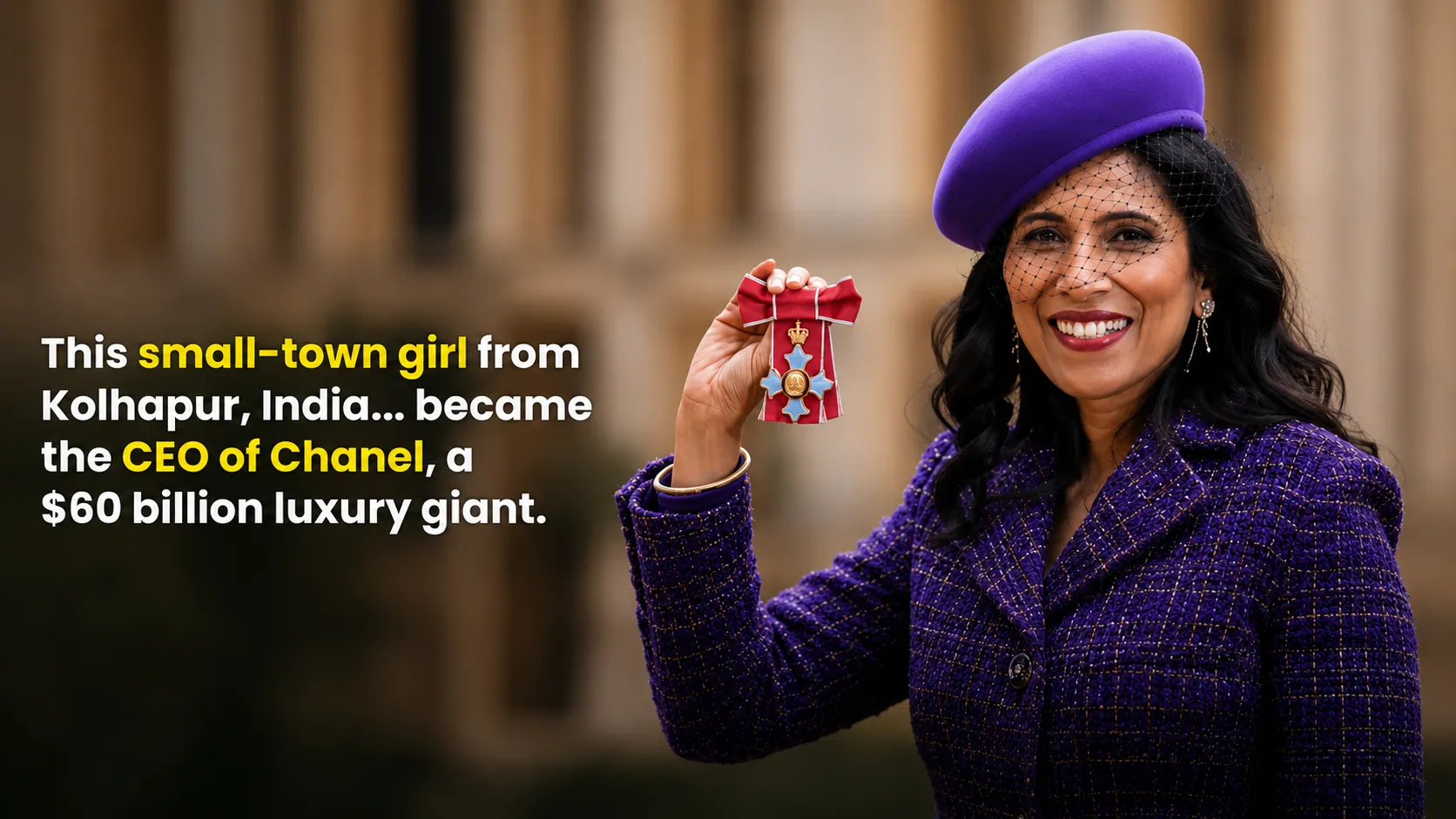
Nair's professional background makes her original appointment considerably more surprising in retrospect than a simple recitation of her credentials might suggest. She grew up in a small town in Maharashtra before building her career entirely within Unilever, the consumer goods giant, rising over decades to become the company's global chief human resources officer — a genuinely senior and consequential global role, but one built in human resources leadership within packaged consumer goods, a corporate function and an industry about as far removed from luxury fashion's world of creative direction, brand heritage, and haute couture as corporate America and corporate Europe together have to offer.
That background made her selection to lead Chanel specifically a genuine departure from how the global luxury industry typically selects its top leadership, which has historically drawn overwhelmingly from within the industry itself: executives who cut their teeth at other luxury houses, immersed for their entire careers in the particular blend of creative sensibility, brand storytelling, and craft heritage that luxury fashion depends on far more heavily than most other consumer categories ever require of their own leadership. Nair's appointment represented Chanel's board making an explicit bet that operational and organizational leadership skill, honed at enormous scale within Unilever's global human resources function across nearly two hundred countries, would translate effectively into leading one of fashion's most storied and most commercially significant houses, a bet that has now had roughly two years to prove itself out in practice.
Why Luxury Fashion Resists Outside Leadership
To appreciate how unusual Nair's appointment was, it helps to understand why the global luxury industry has historically been so resistant to leadership drawn from outside its own ranks, even as other traditionally insular industries have gradually opened themselves to outside executive talent over recent decades. Luxury brands depend, in a way few other consumer categories do, on an almost aristocratic sense of institutional continuity and creative authenticity — the sense that a house's aesthetic vision, craft standards, and brand mystique are being carefully protected and extended by leadership that genuinely understands and has internalized decades or even centuries of accumulated heritage, rather than being managed by executives applying generic corporate management principles to what is, at its core, a creative and cultural institution as much as a commercial one.
That institutional wariness toward outside leadership is not simply snobbery or resistance to change for its own sake; it reflects genuine commercial risk that any luxury house's board must weigh carefully. Luxury brands that lose their sense of authentic creative continuity, whether through leadership perceived as too commercially focused or insufficiently steeped in the house's particular heritage, can suffer real and lasting damage to the brand equity that ultimately justifies the premium pricing luxury goods command in the marketplace. Chanel's board, in selecting Nair despite her background entirely outside this world, was making an explicit judgment that her organizational and leadership capabilities outweighed the traditional preference for industry-native leadership — a bet that required genuine institutional confidence to make in the first place.
What the Job Actually Requires
Leading a house like Chanel requires balancing two frequently competing imperatives: protecting and extending the brand's creative heritage and aesthetic authenticity, largely the province of the house's creative director and design teams, while simultaneously running an enormously complex global commercial operation spanning retail, wholesale, licensing, and an expanding portfolio of product categories from ready-to-wear to fragrance to beauty products, each carrying distinct commercial dynamics and distinct strategic considerations that require careful, coordinated management across dozens of countries and cultural contexts simultaneously. Nair's specific value to the organization lies substantially in the second half of that equation — the operational, organizational, and strategic leadership capability that her Unilever background specifically cultivated over decades of managing complex global operations at enormous scale.
That division of responsibility, common across many luxury houses that separate creative leadership from chief executive leadership, allows an executive like Nair to focus on the commercial, organizational, and strategic dimensions of running Chanel without needing the kind of deep creative and design background that would traditionally be considered an absolute prerequisite for leading a major fashion house. Whether that division of labor continues to work well for Chanel specifically will likely be judged, over time, by the house's continued commercial performance and its sustained ability to maintain creative relevance and brand desirability across an increasingly competitive global luxury landscape.
A Rare Data Point in an Industry Still Overwhelmingly Homogeneous
Nair's continued tenure matters for a reason that extends beyond Chanel's own commercial performance: luxury fashion remains one of the most demographically homogeneous industries at its highest leadership levels, with the overwhelming majority of major luxury house chief executives continuing to be drawn from a narrow pool of European, and specifically French and Italian, executives steeped in those countries' own fashion and luxury traditions from the very start of their careers. Indian-origin executive leadership at this level remains, even after Nair's appointment, essentially singular rather than part of any broader emerging pattern, in sharp contrast to sectors like technology, pharmaceuticals, or increasingly consumer packaged goods, where Indian-origin executive leadership has become common enough to no longer generate significant individual attention.
That contrast matters for understanding both how genuinely unusual Nair's position remains and how much further the luxury industry specifically has to go before Indian-origin leadership becomes anything resembling a normalized pattern within it, the way it increasingly has across technology and other sectors. Her continued success at Chanel offers at least the possibility that her appointment could eventually be read as an opening data point in a longer-term shift, rather than remaining a singular exception — but that broader shift, if it happens at all, will likely take considerably longer to materialize in luxury fashion than it has in industries with fewer structural barriers to outside and international leadership. The industry's other major houses will be watching Nair's tenure closely, whether they acknowledge it publicly or not, as an implicit test case for whether the traditional preference for industry-native leadership actually remains as commercially necessary as conventional wisdom within the sector has long assumed.
The Business Case Behind the Historic Appointment
It would be a mistake to read Nair's appointment purely through the lens of representation and historic significance, important as those dimensions genuinely are. Chanel's board made a business decision, evaluating Nair's specific capabilities against the strategic challenges the house faced at the time of her appointment, and her continued tenure reflects an ongoing judgment that those capabilities remain well matched to the house's evolving strategic needs. The global luxury sector has faced genuine headwinds in recent years, including shifting consumer spending patterns, economic uncertainty in key markets, and intensifying competition both from other established luxury houses and from newer entrants seeking to capture younger consumers' attention and spending.
Those headwinds have forced even the most established luxury houses to reconsider aspects of their operating models that had gone largely unquestioned for decades, from how aggressively to expand into new geographic markets, to how directly to engage younger consumers through digital channels traditionally considered beneath the dignity of high luxury branding, to how to balance exclusivity — long considered core to luxury brand value — against the commercial pressure to grow revenue at a pace that satisfies increasingly demanding institutional ownership structures. Navigating that specific set of tensions arguably rewards exactly the kind of large-organization strategic and operational leadership experience that Nair's Unilever background provided, even though that background offered no direct exposure to the luxury sector's particular creative and brand-management traditions before her arrival at Chanel.
What Comes Next
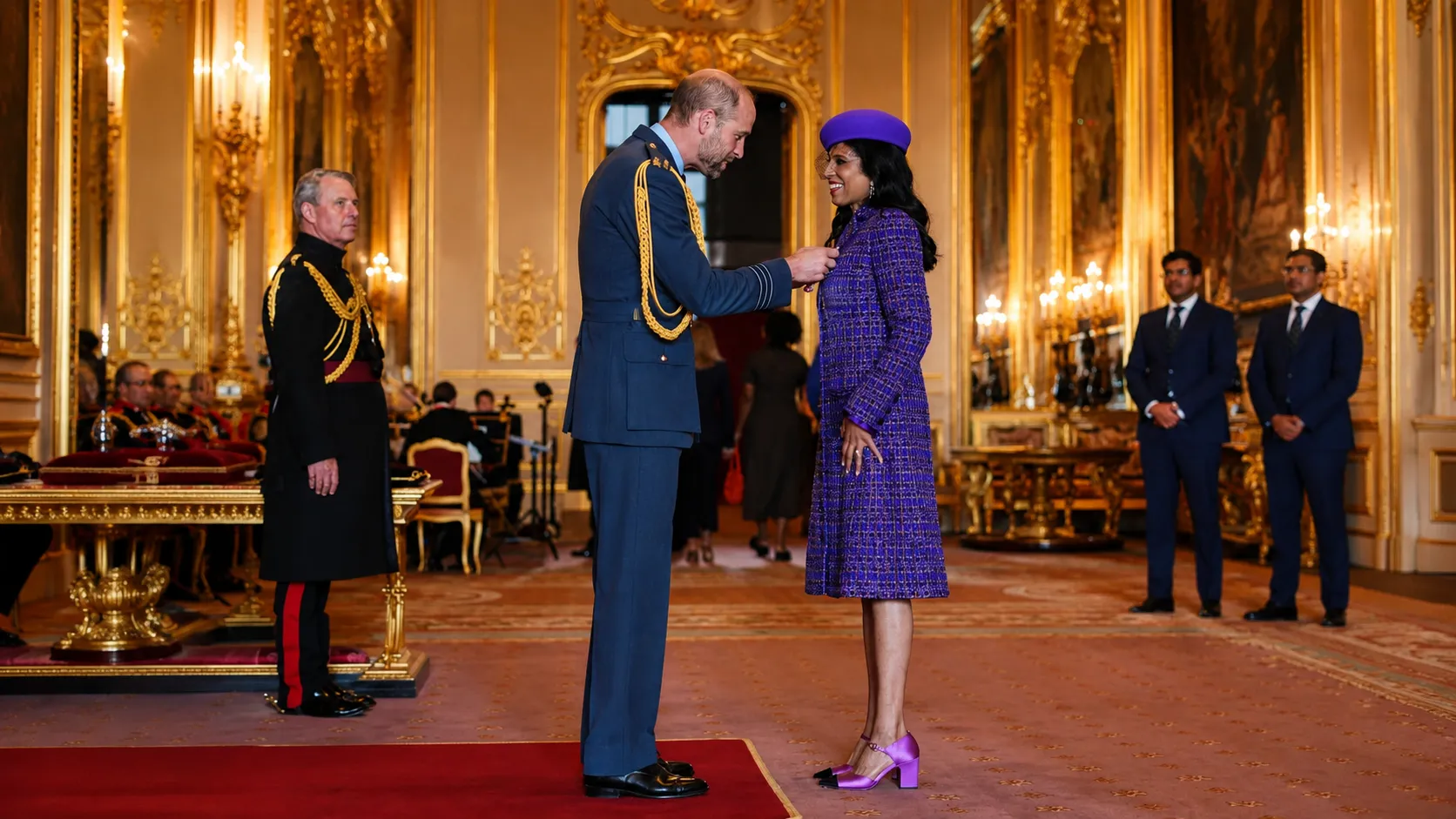
Whatever the ultimate verdict on Nair's tenure eventually proves to be, the sustained nature of her leadership through a genuinely difficult period for the luxury sector already distinguishes it from a merely symbolic or short-lived appointment.
Nair's continued leadership through this challenging period for global luxury offers an early, if still incomplete, verdict on whether her particular blend of large-scale organizational leadership experience, developed entirely outside the fashion industry, translates effectively into sustained success running one of that industry's most significant and most closely watched houses. Her ongoing tenure, rather than any single dramatic announcement, is itself the clearest available evidence that Chanel's board continues to believe the answer is yes.
For the broader story of Indian-origin executive achievement globally, Nair's continued presence at Chanel's helm serves a function considerably different from the parade of technology executive appointments that dominate most coverage of this theme. It demonstrates that the ceiling for Indian-origin leadership extends even into industries built almost entirely around European heritage and craft tradition, industries that might seem, on their face, to offer the least obvious opening for outside leadership of any kind. That her tenure has now moved well past the point of being newsworthy simply for its historic nature, and into the more ordinary territory of being evaluated on business performance alone, may be the clearest sign yet that her appointment succeeded not merely as a symbolic gesture, but as a genuine leadership choice that has held up under sustained scrutiny.
The Unilever Foundation Behind the Chanel Chapter
Understanding why Chanel's board found Nair's Unilever background so compelling requires appreciating just how demanding and how genuinely global her role there actually was. As chief human resources officer of one of the world's largest consumer goods companies, Nair oversaw talent strategy, organizational development, and workforce management across operations spanning more than 190 countries and hundreds of thousands of employees, a scale of organizational complexity that few executives from any industry ever encounter directly. That experience managing enormous, culturally diverse global organizations, each market carrying its own distinct regulatory, cultural, and competitive considerations, offered a form of preparation for Chanel's own genuinely global operating footprint that a more conventional fashion-industry career path, however deep its creative and brand expertise, would have been unlikely to provide in comparable depth.
Nair was also known during her Unilever tenure for championing significant workplace policy innovations, including flexible working arrangements and expanded parental leave policies across many of the markets Unilever operated in, initiatives that positioned her as a genuinely influential voice in broader conversations about the future of corporate workplace culture well beyond Unilever's own operations. That reputation for progressive, employee-centered organizational leadership arguably made her an even more distinctive choice for Chanel, an industry not historically associated with workplace innovation, suggesting the house's board may have been betting on more than pure operational execution — potentially also on Nair's capacity to modernize aspects of Chanel's own internal culture and talent strategy as the house competes for creative and commercial talent against an increasingly wide range of employers, including technology and other industries now competing directly for the same pool of ambitious global professionals.


