
Kavitha Subramanian — From Fintech Unicorn to Purpose‑Driven D2C: A Tamil Nadu Woman Founder’s Journey
The Tamil Nadu Girl Who Took on Wall Street
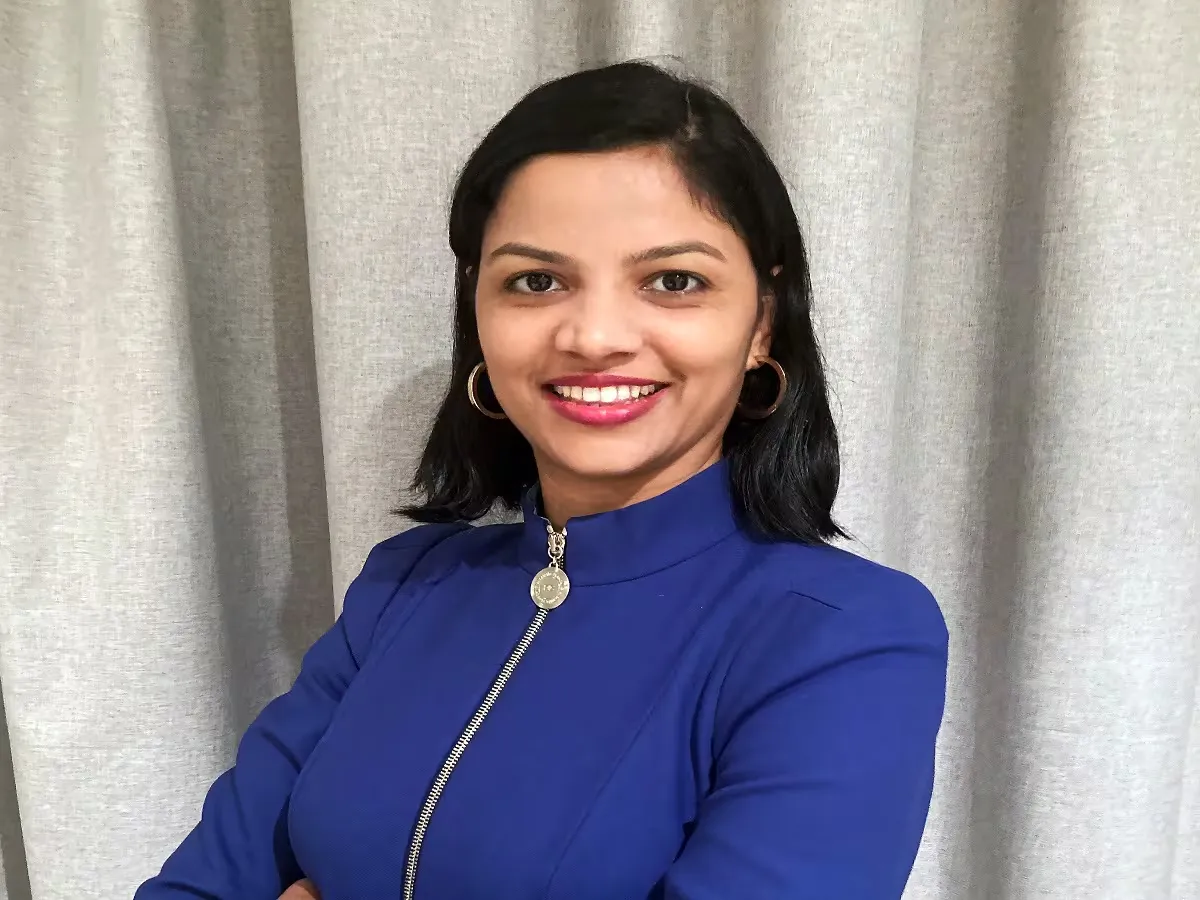
Kavitha Subramanian grew up in Chennai, the daughter of a government officer and a schoolteacher. She excelled at mathematics and computer science, graduating from Anna University’s College of Engineering, Guindy — one of Tamil Nadu’s most prestigious engineering colleges. From there, she moved to the United States for a master’s degree at Carnegie Mellon University, followed by a stint as a technology analyst at Goldman Sachs.
At Goldman, she saw firsthand how outdated credit scoring models excluded millions of creditworthy borrowers — not just in the US but globally. She co‑founded Upstart in 2012 with three colleagues, using artificial intelligence to assess loan applicants based on education, employment history, and other non‑traditional factors. The platform reduced default rates by 40% compared to traditional models.
Upstart grew rapidly, processing over $10 billion in loans by 2020. In December of that year, the company went public on Nasdaq, reaching a $1.5 billion valuation on its first day. Kavitha, as co‑founder and Chief Product Officer, became one of the few Indian‑origin women to have taken a fintech company public in the US.
But despite her success, she felt a pull back to Tamil Nadu. Her aging parents were in Chennai. Her children were growing up without knowing their native language or culture. And she wanted to apply her product-building skills to solve problems closer to home — specifically, the environmental crisis caused by plastic waste.
In 2022, she moved back to Chennai and founded Humble Sun — a D2C brand that makes plastic‑free, compostable home care products: dishwashing bars, laundry sheets, all‑purpose cleaners, and bamboo kitchen tools.
From AI Lending to Zero‑Waste D2C
The pivot from fintech to sustainable consumer goods seems abrupt, but Kavitha saw a common thread: using technology and design to solve a systemic problem. In lending, the problem was financial exclusion. In home care, the problem was plastic pollution.
India generates 9.5 million tonnes of plastic waste annually, with a significant portion coming from single‑use packaging in household cleaning products. Most “green” alternatives are imported, expensive, and not always genuinely sustainable.
Kavitha’s insight was to build a direct‑to‑consumer brand that was:
Truly zero‑plastic: Products in cardboard or glass packaging, with compostable refills.
Affordable: Priced at par with conventional products (₹200–₹400 per unit).
Effective: Scientifically formulated, not just “natural” marketing.
She bootstrapped Humble Sun with ₹2 crore of her own capital (from her Upstart exit) and set up a small manufacturing unit in the outskirts of Chennai. She hired local women from nearby villages to hand‑pack products — a deliberate choice to create rural employment.
The brand launched in 2023 with just three products: a dishwashing bar, a laundry sheet, and a multi‑surface cleaner. Within six months, Humble Sun had 10,000 repeat customers, a 45% repurchase rate, and was featured in Vogue India and The Better India.
The Technology Behind the Sustainability
Kavitha did not abandon her tech roots. Humble Sun uses a direct‑to‑customer analytics platform that tracks:
Usage patterns (how quickly customers finish a product)
Refill adoption (percentage of customers who buy refills instead of new packaging)
Plastic saved (real‑time counter on the website showing kilograms of plastic avoided)
The platform also optimizes delivery routes to reduce carbon emissions, and uses AI to predict demand so that inventory is never overproduced (a major source of waste in D2C).
Kavitha also built a closed‑loop pilot in Chennai: customers can return used cardboard packaging to collection points, where it is recycled into new boxes. For every 10 returns, the customer gets a free product. The pilot has achieved a 30% return rate — impressive for a voluntary programme.
By 2025, Humble Sun had expanded to 25 products, including refillable glass bottles for liquid cleaners, compostable scrub brushes, and even a plastic‑free toothbrush. The company crossed ₹10 crore in annual revenue and turned profitable.
Mentoring Tamil Nadu’s Women Entrepreneurs
Kavitha is not just building her own company; she is actively building the ecosystem for women founders in Tamil Nadu. She is a mentor at WE Hub (Telangana) and Tamil Nadu’s Women Startup Policy Initiative, providing pro bono advice on product strategy, fundraising, and scaling.
She also runs a monthly “Founder Office Hours” from her Chennai home, where any woman entrepreneur can sign up for a 30‑minute slot. Topics range from term sheet negotiations to supply chain management. Over 80 women have been mentored so far, and three have gone on to raise external funding.
“When I started Upstart, I was often the only woman in the room,” she told a Chennai startup event in 2025. “I don’t want the next generation of Tamil Nadu women founders to feel that loneliness. I want them to know that it’s normal, it’s possible, and we are here to help.”
She has also invested small checks (₹10–25 lakh) in six early‑stage D2C startups founded by Tamil Nadu women, including a millet‑based snack brand, a reusable sanitary pad company, and a natural dye textile label.
Challenges and Critiques
Humble Sun is not without its struggles. The biggest challenge is customer education. Indian consumers are accustomed to affordable, convenient plastic‑packaged products. Switching to a plastic‑free alternative requires a behavior change — and not everyone is willing.
Kavitha has invested heavily in content marketing (blogs, videos, influencer partnerships) explaining the “why” behind plastic‑free living. She has also partnered with apartment complexes in Chennai to conduct awareness workshops.
Another challenge is manufacturing scale. Humble Sun’s products are made in small batches to avoid waste, which keeps costs higher than mass‑produced competitors. Kavitha is exploring automation without compromising on sustainability — a delicate balance.
Critics have also questioned whether a founder with Kavitha’s wealth should be raising equity for Humble Sun. She has raised only ₹5 crore (from family offices, not venture capital) and plans to keep the company majority‑owned by herself and employees. “I don’t need a unicorn valuation,” she says. “I need a profitable, impactful business that can last 100 years.”
Leadership Philosophy: Patient Capital, Long‑Term Impact
Kavitha’s leadership is defined by patience. Unlike many D2C founders who burn cash on performance marketing and seek rapid scale, she grows Humble Sun organically. Customer acquisition is through word‑of‑mouth, content, and referrals — not expensive Instagram ads.
She also practices radical transparency. Humble Sun’s website shows the exact cost breakdown of each product (raw materials, packaging, labor, shipping, margin). Customers can see that the company makes only a 15% net margin — far lower than typical D2C brands.
“I want customers to trust us,” she explains. “If we are genuinely sustainable, we should be able to show our books.”
Her team loves her for her accessibility. She still answers customer support emails personally, visits the factory weekly, and spends time with the women packers, learning about their families and challenges.
The Tamil Nadu Homecoming
Kavitha’s return to Chennai has inspired other Tamil Nadu‑born NRIs (non‑resident Indians) to consider moving back and building businesses in their home state. She has spoken at NASSCOM events and CII summits about the “reverse brain drain” — how talented Tamils abroad can contribute to the local economy.
She has also advised the Tamil Nadu government on its Sustainable Packaging Policy, which aims to phase out single‑use plastics by 2028. Her practical insights from running Humble Sun have helped shape realistic implementation timelines.
“Tamil Nadu has everything a founder needs: talent, infrastructure, and a supportive government,” she says. “What we need is more role models. I’m happy to be one.”


