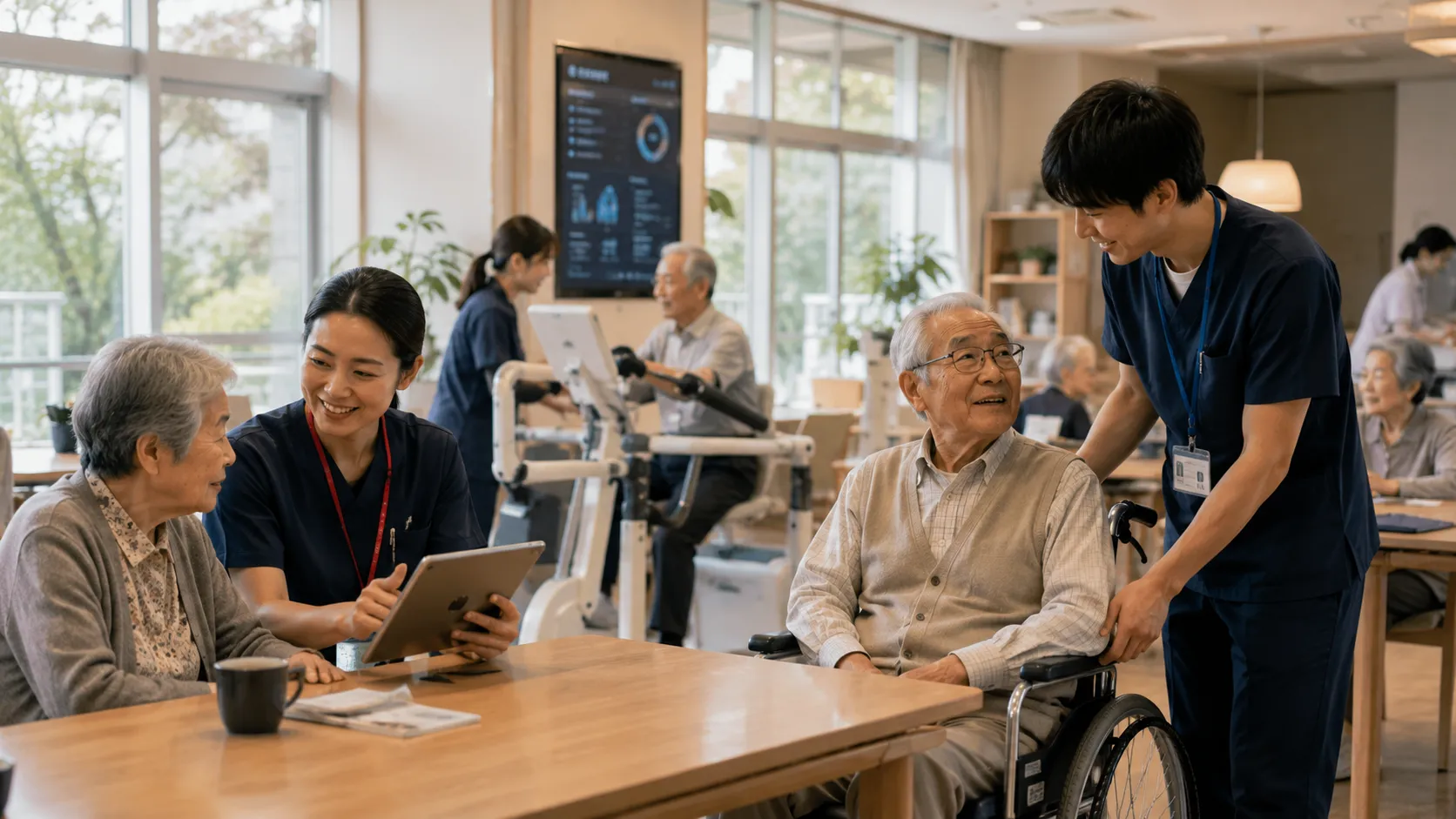
One Of The World’s Oldest Societies Is Quietly Becoming A Testing Ground For The Future Of Care
For years, Japan occupied a unique position within global demographic conversations. The country frequently appeared in discussions surrounding longevity, population trends and aging because it consistently represented one of the world’s oldest societies. Improvements in healthcare, nutrition and life expectancy contributed to remarkable gains over several decades. Yet alongside those achievements, another challenge gradually became increasingly visible. Japan’s aging population began creating pressures extending beyond healthcare systems and entering broader conversations involving workforce participation, family structures and long-term social infrastructure.
Recent demographic patterns increasingly highlight the scale of this transition. Japan continues witnessing declining birth rates while the proportion of older citizens continues expanding steadily. Government estimates increasingly suggest that nearly one in three people in Japan is now above the age of 65, making the country one of the world’s most rapidly aging societies. While demographic discussions often focus heavily on statistics, the practical effects increasingly appear visible across everyday systems involving hospitals, caregiving environments and broader community support structures.
Historically, elder care frequently depended heavily on family networks and traditional caregiving structures. However, modern social realities increasingly appear more complex. Smaller households, urban migration patterns and changing work environments frequently create circumstances where caregiving responsibilities become more difficult to manage through conventional arrangements alone. As a result, Japan increasingly appears engaged in a broader effort involving how societies support aging populations while preserving quality of life and maintaining healthcare sustainability.
What initially appeared to be a demographic challenge increasingly seems to be creating something else entirely: an expanding wave of healthcare innovation centered around elder caregiving itself.
Healthcare Innovation Increasingly Appears Focused On Supporting Care Systems Rather Than Replacing Them
For years, healthcare technology discussions frequently centered around medical breakthroughs, pharmaceutical advances and sophisticated treatment systems. Elder care increasingly appears to be introducing different priorities. In caregiving environments, challenges frequently involve not only medical outcomes but also mobility support, routine monitoring, workforce pressures and maintaining social connection.
As a result, healthcare innovation increasingly seems focused around practical support systems capable of assisting both caregivers and older populations simultaneously.
Across Japan, technology companies and healthcare organizations increasingly continue exploring systems involving remote monitoring platforms, AI-supported care tools, assistive robotics and digital healthcare environments designed around improving caregiving capacity. Importantly, many of these systems increasingly appear intended not to replace human caregivers but to support environments where staffing shortages and demographic realities create growing pressure.
This distinction increasingly matters because caregiving frequently extends beyond clinical treatment alone. It involves everyday routines, social interaction and long-term support structures that often require sustained human involvement.
Recent years increasingly saw expanded interest surrounding elder-care technologies capable of helping healthcare systems operate more efficiently while supporting older adults seeking greater independence and quality of life. The broader focus increasingly appears connected to enabling care rather than automating it entirely.
Robotics Is Gradually Moving From Industrial Spaces Into Healthcare Environments
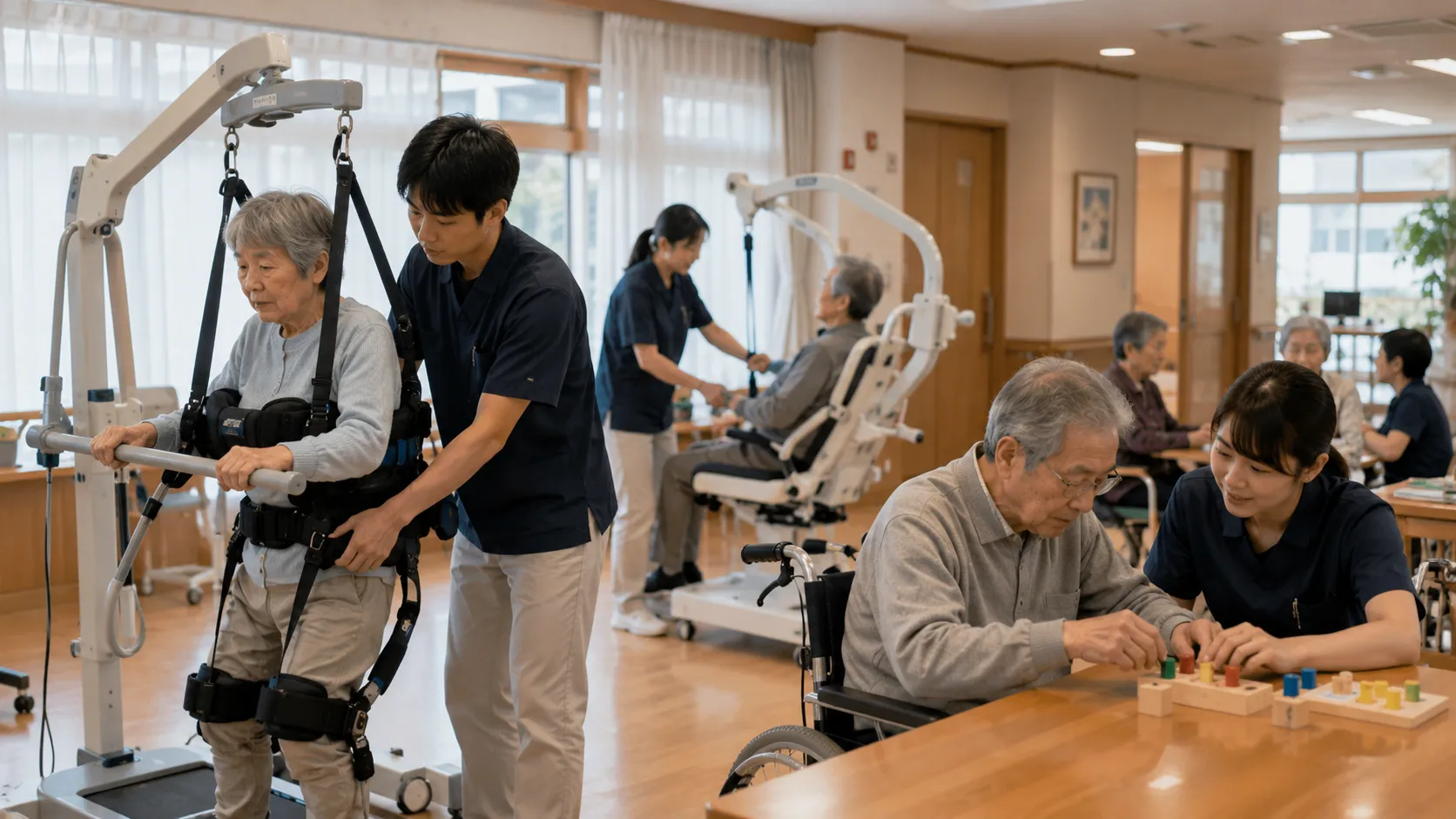
One of the more visible aspects surrounding Japan’s caregiving innovation story increasingly involves robotics.
For decades, Japan maintained a strong reputation involving robotics development across manufacturing and industrial systems. Increasingly, however, those capabilities appear extending into healthcare and elder-support environments.
Robotic systems designed around mobility assistance, lifting support and routine caregiving tasks increasingly entered conversations surrounding elder-care infrastructure. Some technologies now assist caregivers with physically demanding responsibilities involving patient movement and support activities. Others increasingly focus on companionship systems or monitoring environments intended to improve safety and reduce isolation.
The emergence of these technologies increasingly reflects broader workforce realities. Japan continues facing healthcare labor shortages while simultaneously experiencing rising demand surrounding long-term care systems. The challenge increasingly involves not simply expanding care capacity but doing so inside environments where demographic pressures continue intensifying.
Importantly, discussions surrounding healthcare robotics increasingly appear less focused on replacing people and more centered around sustaining systems under growing pressure.
Healthcare environments increasingly seem interested in creating support structures where technology assists caregivers rather than substitutes for care relationships entirely.
Startups And Healthcare Ecosystems Increasingly See Elder Care As A Long-Term Opportunity
Another significant shift increasingly appears visible across startup and healthcare investment ecosystems themselves.
Historically, aging populations often entered policy discussions primarily through concerns surrounding costs and healthcare burdens. Increasingly, however, elder care also appears creating opportunities involving innovation, healthcare infrastructure and new service environments.
Japanese startups and broader healthcare ecosystems increasingly continue exploring products and services involving remote health systems, caregiving platforms, assistive devices and AI-supported environments capable of supporting older populations. Investors increasingly appear recognizing that demographic transitions may create entirely new categories involving long-term demand.Importantly, these developments increasingly extend beyond Japan itself.
Many countries across Europe and parts of Asia continue experiencing similar demographic patterns involving aging populations and changing workforce structures. As a result, solutions emerging within Japan increasingly attract international attention because they may eventually influence healthcare systems globally.
Japan increasingly appears not simply as a country confronting demographic pressure but also as an environment where future care systems may increasingly be tested.
The Larger Story Increasingly Extends Beyond Aging Alone
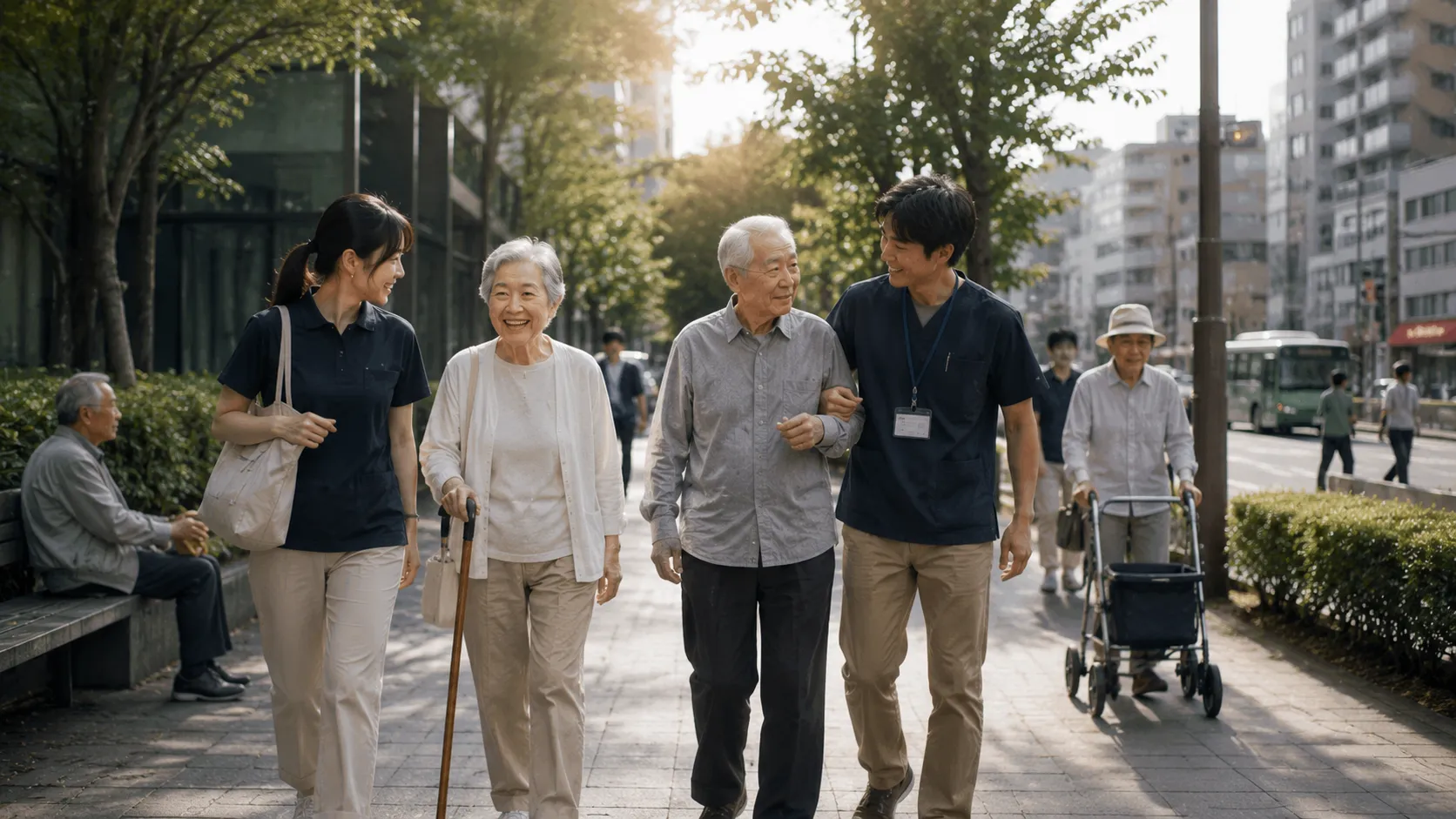
The broader significance surrounding Japan’s healthcare innovation wave may ultimately involve what it reveals regarding how societies adapt to structural change itself.
Demographic shifts frequently unfold gradually. Because change often develops over years rather than months, large transitions sometimes remain difficult to notice initially. Yet over time, aging populations increasingly influence healthcare systems, labor markets and social environments simultaneously.
Japan increasingly appears to be confronting those realities earlier and more visibly than many other countries. What initially emerged as a demographic challenge increasingly seems to be influencing technology development, startup ecosystems and broader conversations involving care infrastructure.
Viewed through that lens, elder-care innovation increasingly appears connected to larger questions extending beyond healthcare alone. The discussion increasingly involves how societies preserve dignity, maintain support systems and create environments capable of adapting to changing realities.
The larger lesson may therefore not simply involve technology itself. It may increasingly involve recognizing that healthcare innovation frequently expands beyond hospitals and laboratories and increasingly enters the everyday systems through which people experience care.