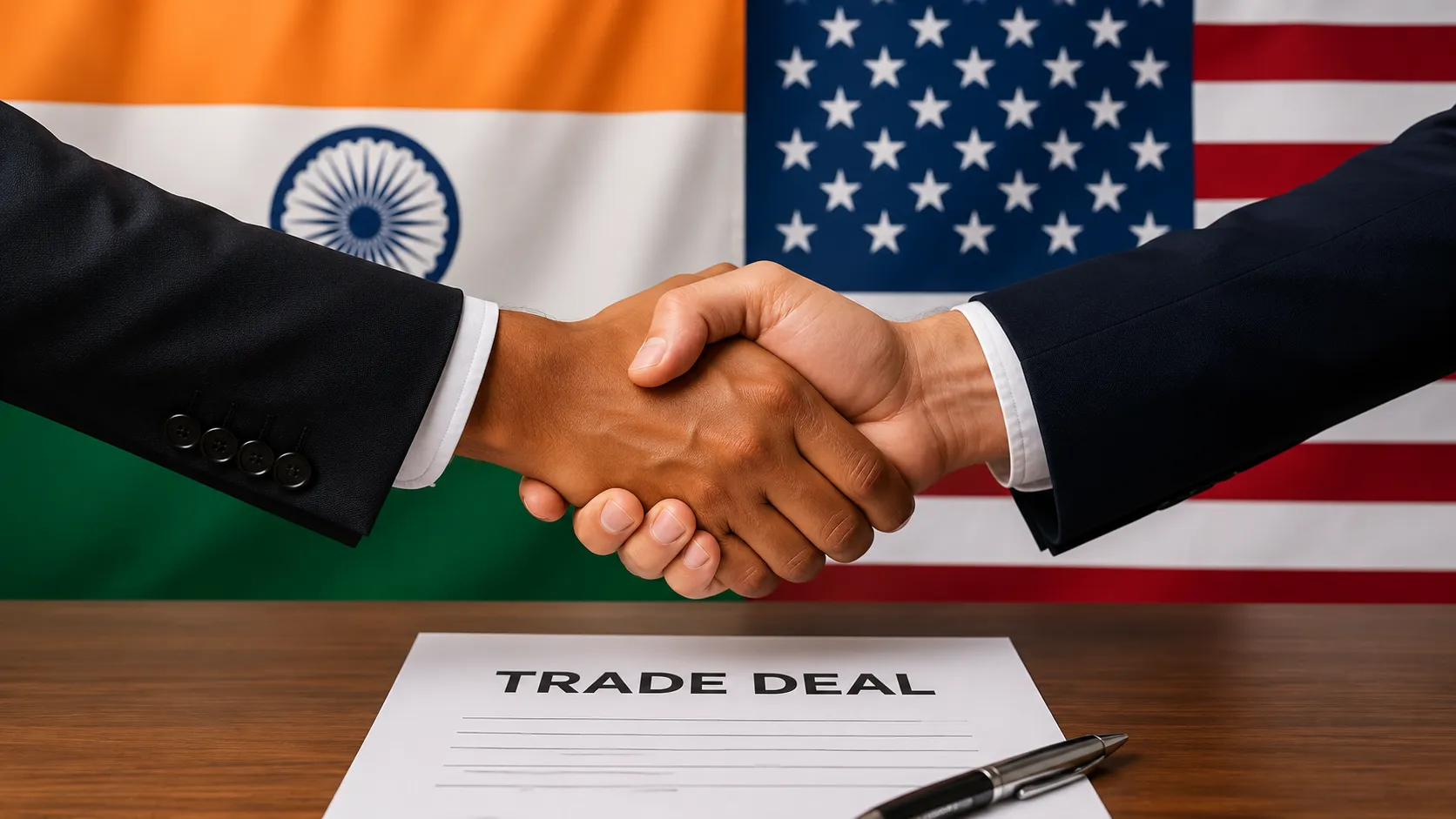
New Delhi, July 31, 2026 — When the United States imposed a fresh 10% tariff on Indian imports in the final days of July, alongside similar measures targeting more than 60 other trading partners, India's official response was notable less for what it said than for how carefully it said it. In a statement issued shortly after the tariff took effect, India's government affirmed that it would continue engaging with the United States to conclude a bilateral trade agreement — a studiously measured, non-confrontational response that offers a revealing window into New Delhi's broader diplomatic strategy for managing one of the most consequential and, at times, turbulent bilateral trade relationships of the current period.
This continued-engagement posture is not new; it has, in fact, been the consistent through-line of India's public messaging throughout months of on-again, off-again trade negotiations with Washington. But its persistence even in the immediate aftermath of a fresh, economically consequential tariff measure — rather than any sharper retaliatory rhetoric or threatened counter-measures — reveals a deliberate diplomatic calculation about how India believes it can best protect its long-term interests within an evolving, and at times unpredictable, US trade policy landscape.
The calculated restraint behind India's public messaging
Trade diplomacy specialists point to several strategic considerations likely underpinning India's consistently measured public response to successive rounds of US tariff actions over the past year. Chief among them is a recognition that the bilateral relationship between India and the United States extends well beyond trade policy alone, encompassing deep and strategically significant cooperation across defence, technology, education and broader geopolitical coordination, particularly within the Indo-Pacific region. A more confrontational or retaliatory public posture around trade specifically risks complicating this broader, multi-dimensional relationship in ways that could prove costly to India's interests across dimensions considerably more significant than any single tariff rate.
There is also a practical calculation rooted in the specific dynamics of the current US trade policy environment. Unlike more traditional trade negotiations conducted on a predictable, incremental timeline, the current period has been characterised by relatively rapid, sometimes unexpected shifts in US tariff policy, applied simultaneously across dozens of trading partners as part of broader, multilaterally framed policy actions rather than purely bilateral negotiations. Within this environment, Indian officials appear to have concluded that measured, consistent engagement — rather than reactive escalation in response to any single tariff announcement — offers the more reliable path toward eventually securing more favourable terms, particularly given that India has, at several points during this process, secured incremental improvements through continued dialogue, including the reduction of the current tariff rate from an initially proposed 12.5% down to the 10% level ultimately implemented.
Piyush Goyal's diplomatic tightrope
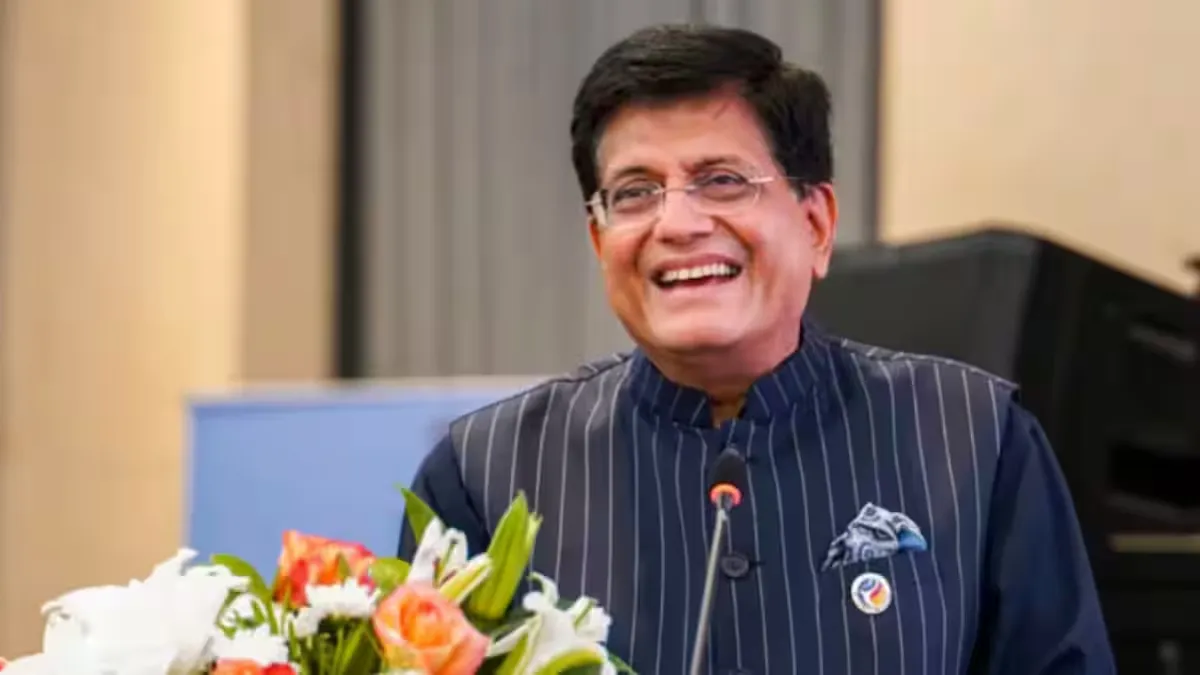
At the centre of India's trade diplomacy has been Commerce and Industry Minister Piyush Goyal, whose public statements throughout the extended negotiation process have consistently balanced two seemingly competing objectives: projecting confidence that a comprehensive bilateral trade agreement remains close to completion, while simultaneously avoiding any specific, binding commitment to a firm timeline that could later prove embarrassing if talks continue to extend beyond initially suggested deadlines, as they repeatedly have throughout 2026.
This balancing act has occasionally drawn criticism from market commentators and industry observers frustrated by the seemingly perpetual "very close" characterisation of a deal that has, through multiple successive deadlines, failed to materialise in signed, final form. Yet from a pure negotiating-strategy perspective, this approach carries clear logic: publicly projecting confidence helps maintain domestic and international investor sentiment around the eventual trade relationship, while avoiding firm deadline commitments preserves India's negotiating flexibility and avoids creating artificial pressure to accept less favourable terms simply to meet a self-imposed public deadline.
The quiet diplomacy behind the scenes
Beyond the public statements and periodic high-profile meetings between senior officials, a considerable amount of the actual substantive negotiation work has proceeded through less visible, working-level diplomatic and trade-official channels, involving detailed technical negotiations over specific tariff schedules, market access provisions, and regulatory harmonisation issues that rarely feature prominently in public reporting but which ultimately determine the specific, granular terms of any eventual agreement. This working-level engagement has, by most accounts, continued largely without interruption even through periods of heightened public tension around specific tariff announcements, reflecting a broader diplomatic convention in which technical negotiation channels are often deliberately insulated from the more visible ebbs and flows of high-level political rhetoric.
Leader-level engagement has periodically reinforced this working-level process, with Prime Minister Narendra Modi and President Trump reportedly directing their respective trade officials to accelerate progress toward a final agreement during a bilateral pull-aside meeting at the G7 summit in France in June — an intervention that, while not immediately producing a signed agreement, appears to have helped sustain diplomatic momentum through the subsequent weeks even as the specific July 24 tariff deadline ultimately passed without a finalised deal.
What India is signalling to domestic industry
Beyond its international diplomatic audience, India's consistent continued-engagement messaging also serves an important domestic communication function, signalling to Indian exporters and industry bodies directly affected by the current interim tariff arrangement that the government remains actively engaged in seeking improved terms, rather than having accepted the current 10% tariff as a final, permanent settlement. This messaging matters considerably for business planning purposes, as exporters navigating near-term sourcing, pricing and investment decisions need some degree of clarity about whether current tariff conditions represent a durable long-term reality or a temporary, negotiable interim state.
Industry associations representing sectors most directly exposed to the current tariff, including textiles and gems and jewellery, have generally welcomed the government's continued-engagement stance, even as they have simultaneously pressed for more concrete progress and, where possible, sector-specific relief measures similar to the carve-outs already secured for pharmaceuticals, smartphones, steel, aluminium and auto parts.
Comparing India's approach to other affected trading partners
India's measured, engagement-focused response to the recent tariff measures stands in useful contrast to the responses of some other trading partners caught within the same broad, multi-country tariff action, several of which have adopted more openly critical or confrontational public postures in response to the same underlying US trade policy measures. This comparative restraint reflects, at least in part, India's specific strategic calculation that its broader bilateral relationship with the United States — encompassing defence cooperation, technology partnership, and shared strategic interests within the Indo-Pacific — provides both greater incentive for measured diplomacy and, ultimately, greater likelihood of achieving a favourable eventual trade outcome than would a more confrontational approach focused narrowly on the tariff dispute in isolation.
The risk of the strategy
For all its apparent logic, India's sustained continued-engagement posture is not without risk. A prolonged negotiation process, even one conducted through consistently measured, non-confrontational diplomacy, still imposes real near-term economic costs on Indian exporters currently absorbing the impact of the interim 10% tariff, particularly within sectors like textiles and gems and jewellery that fall outside the specific product exclusions secured thus far. Should the broader bilateral trade agreement negotiation continue to extend well beyond currently anticipated timelines, questions may increasingly arise about whether India's consistently measured diplomatic approach has, in practice, secured meaningfully better outcomes than a more assertive negotiating posture might have achieved — a question that will likely only be answerable in retrospect, once a final agreement, whenever it eventually materialises, can be assessed against the cumulative economic cost of the extended negotiation period that preceded it.
What comes next
As India's trade diplomacy with the United States continues into August and beyond, the core elements of New Delhi's approach appear unlikely to change substantially: continued public emphasis on ongoing engagement and eventual resolution, continued working-level technical negotiation on the specific terms of a comprehensive agreement, and continued avoidance of firm, binding timeline commitments that could constrain India's negotiating flexibility or create politically costly missed-deadline narratives. Whether this consistently measured approach ultimately delivers the kind of favourable, comprehensive trade agreement Indian officials have been signalling for months remains, for now, an open question — but it is, by clear design, the strategy New Delhi has chosen to pursue.
Learning from past negotiation cycles
India's current diplomatic approach toward the United States did not emerge in a vacuum; it reflects lessons drawn from previous rounds of trade friction between the two countries, stretching back through multiple earlier tariff disputes over the past decade. In several of those prior episodes, more assertive Indian responses, including threatened or actual retaliatory tariffs on US goods, produced mixed results, occasionally escalating tensions without necessarily accelerating a path toward mutually acceptable resolution. This historical experience appears to have reinforced, within India's trade policy establishment, a preference for the kind of patient, engagement-focused diplomacy currently on display, even when it requires absorbing near-term economic costs, such as the current interim tariff, while working toward what officials continue to characterise as a more comprehensive and durable eventual settlement.
The domestic political dimension
India's measured public posture on trade negotiations also reflects careful domestic political calculation. A more visibly confrontational stance toward the United States could generate short-term domestic political approval from constituencies frustrated by the tariff's economic impact, but Indian officials appear to have judged that such an approach carries greater long-term risk of complicating a relationship increasingly central to India's broader strategic and economic positioning, including critical technology partnerships, defence cooperation and investment flows that extend well beyond the specific trade friction currently dominating headlines. This calculation reflects a broader pattern in India's foreign policy approach under the current government, which has generally favoured pragmatic, interest-based engagement with major global powers over more ideologically or emotionally driven confrontation, even when domestic political incentives might favour a tougher public posture.
What foreign policy analysts are watching
Foreign policy analysts tracking the India-US relationship suggest that the ultimate test of India's current diplomatic strategy will come not from how the tariff dispute itself is eventually resolved, but from whether the broader bilateral relationship — spanning technology cooperation, defence procurement, education partnerships and strategic coordination within the Indo-Pacific region — continues to deepen and strengthen even amid the ongoing trade friction. Early evidence on this front has been reasonably encouraging, with continued progress on parallel tracks including expanded educational institutional partnerships and ongoing defence cooperation discussions, suggesting that India's calculated bet on preserving the broader relationship through measured trade diplomacy may indeed be paying dividends beyond the trade file itself.
How other countries are watching India's approach
India's measured diplomatic handling of its own trade friction with Washington has, according to trade diplomacy observers, drawn attention from other countries navigating similar tariff pressures from the United States, several of which have reportedly studied India's approach as a potential model for managing trade tension while preserving broader bilateral relationships. This external interest reflects a broader recognition that, amid a global trade policy environment characterised by considerable unpredictability, the specific diplomatic playbook a country chooses to deploy in response to unilateral tariff action can meaningfully shape both the pace and ultimate terms of eventual resolution, making India's currently unfolding experience a closely watched case study well beyond its own immediate bilateral context.
The business community's perspective
Indian industry chambers and corporate leaders have, for the most part, echoed the government's measured public posture, even as private conversations reveal a degree of frustration among exporters directly bearing the cost of the extended negotiation timeline. Several industry representatives have publicly praised the government's steady, non-escalatory approach as the right long-term strategy, while simultaneously urging continued urgency in working-level negotiations to minimise the cumulative economic cost of the interim tariff period. This dual message — public support for the diplomatic strategy paired with private pressure for faster resolution — reflects the genuinely difficult balancing act facing Indian policymakers as they weigh the benefits of patient, relationship-preserving diplomacy against the real, ongoing costs borne by exporters in the sectors still awaiting a comprehensive final agreement.