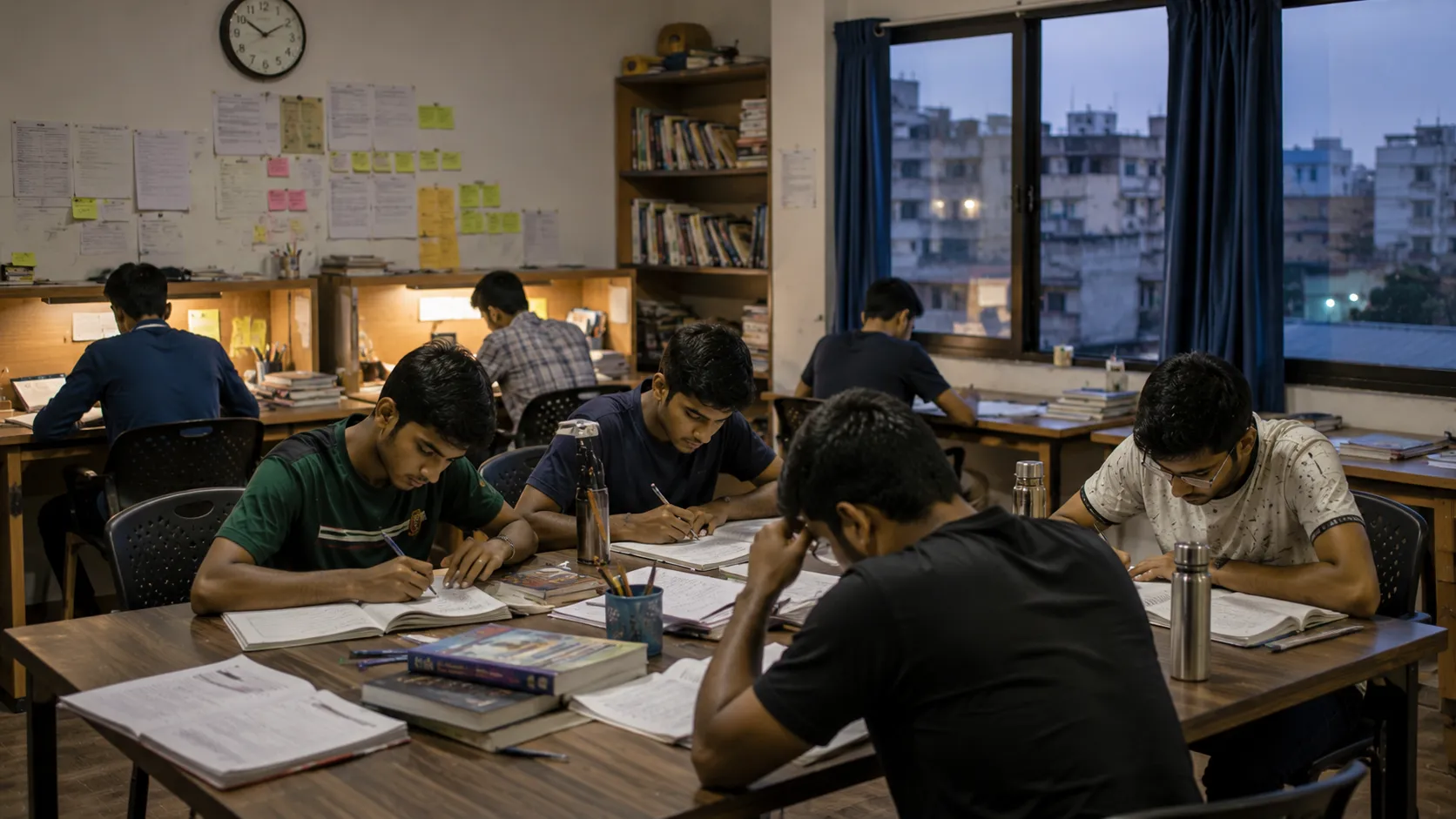
A Long-Standing Education Model Is Beginning To Face A Larger Social Reckoning
For years, Kota occupied a unique place within India’s educational imagination. The city gradually became synonymous with aspiration, ambition and the highly competitive examination ecosystem that shaped the lives of thousands of students each year. Young people from across India increasingly arrived carrying hopes tied to medical colleges, engineering institutions and broader dreams involving upward mobility. Coaching institutions transformed Kota into one of the country’s most recognizable educational ecosystems, creating an entire urban environment built around examination preparation. Hostels, test centers, study schedules and support businesses gradually evolved into a parallel economy where everyday life itself increasingly revolved around academic competition.
Historically, this system frequently represented a success story. Families often viewed coaching pathways as opportunities capable of creating access to futures that otherwise felt distant or uncertain. Competitive examinations increasingly became associated with financial security, social mobility and long-term stability. Students and families often accepted highly structured routines and academic pressure because the eventual reward appeared meaningful enough to justify sacrifice. Over time, however, Kota increasingly evolved beyond a city and became a symbol representing how contemporary India itself understood educational aspiration.
Recent years, however, gradually introduced another conversation beneath that narrative. Reports involving student suicides repeatedly attracted national attention and increasingly raised broader concerns involving emotional wellbeing, psychological stress and the conditions surrounding highly competitive educational environments. Recent incidents once again reignited public debate and brought renewed attention toward the experiences of students navigating these systems. While authorities and educational institutions continue discussing interventions and support measures, the broader reaction increasingly suggests the conversation itself may now be expanding beyond individual cases and entering larger questions involving educational culture and societal expectations.
Viewed independently, individual tragedies may initially appear like isolated incidents demanding immediate institutional response. Viewed through a broader social lens, however, they increasingly seem connected to larger realities involving how systems built around aspiration occasionally create pressures extending beyond academic performance itself.
Competitive Education Increasingly Appears To Be Creating Questions Beyond Examination Results Alone
Historically, discussions surrounding coaching culture frequently centered almost entirely around outcomes. Public conversations often focused on rank lists, admission numbers and institutional success rates because visible results frequently became the dominant indicators through which educational effectiveness was measured. The coaching ecosystem itself gradually expanded around these outcomes because competitive examinations increasingly operated as gateways toward a relatively limited number of highly valued opportunities.
Over time, however, another reality increasingly became difficult to ignore. Educational environments frequently shape experiences extending far beyond academic performance itself. Students often relocate considerable distances away from families and familiar support systems. Daily schedules frequently become intensely structured and highly repetitive. Social interactions occasionally narrow around competition and performance expectations. Pressure itself frequently extends beyond examination preparation and gradually enters broader experiences involving identity, self-worth and emotional wellbeing.
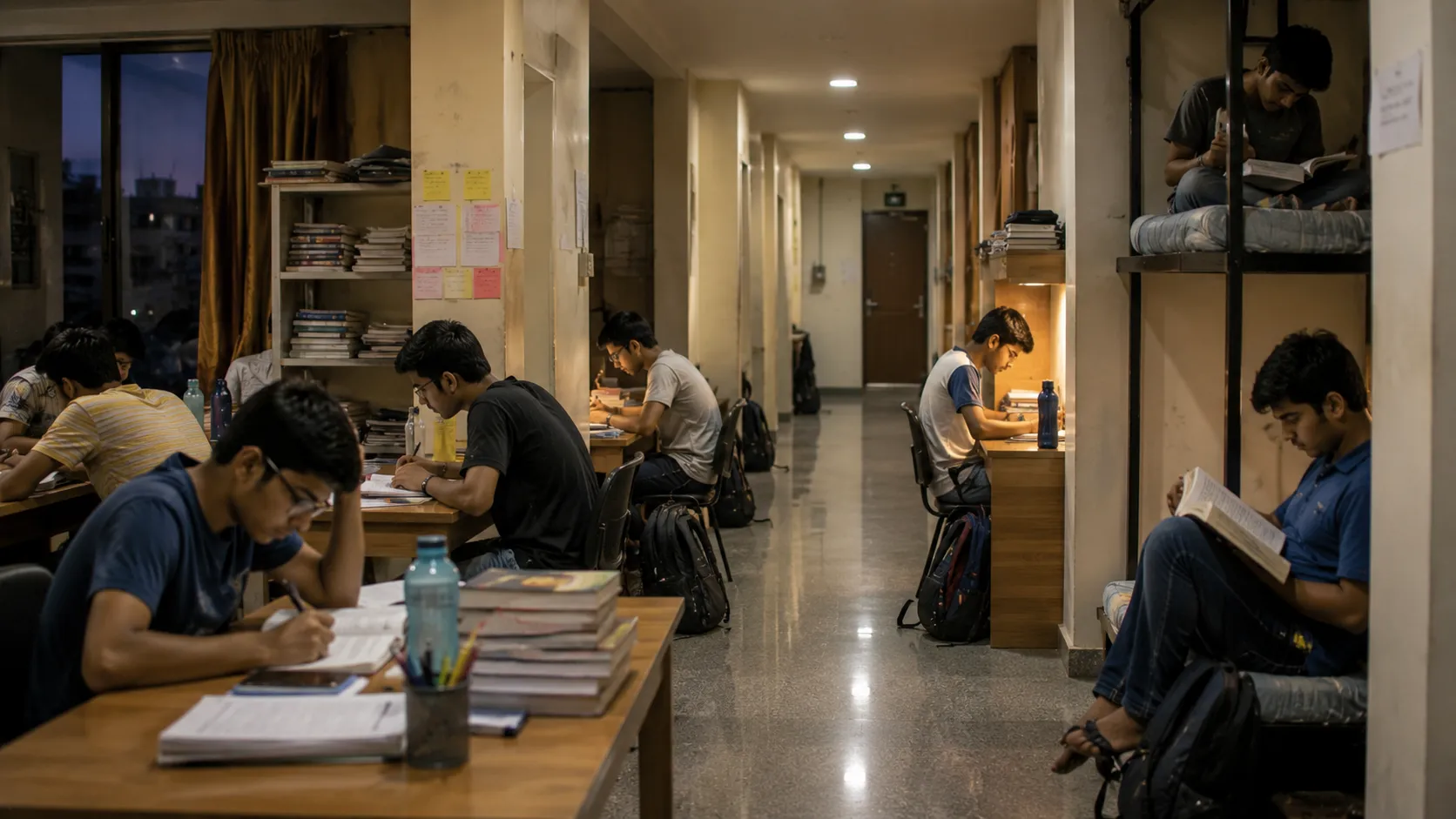
Importantly, these realities frequently affect students differently. Two individuals may live inside nearly identical environments while experiencing profoundly different emotional realities beneath visible routines. One student may experience motivation while another experiences isolation. One may interpret structure as discipline while another may experience pressure as emotional strain. The broader significance increasingly suggests educational systems frequently influence psychological environments alongside academic outcomes and that emotional experiences within those systems increasingly deserve visibility of their own.
Mental Health Increasingly Appears To Be Entering Education Conversations More Directly
Part of the significance surrounding renewed public discussion increasingly involves changing attitudes toward mental health itself. Historically, educational environments frequently emphasized resilience, discipline and perseverance because pressure often appeared normalized as an unavoidable component of achievement. Stress frequently existed but discussions surrounding emotional wellbeing often remained comparatively limited within educational culture itself.
Increasingly, however, public attitudes appear evolving. Students, parents, educators and healthcare professionals increasingly continue raising broader questions involving emotional support structures surrounding high-pressure educational environments. The discussion itself increasingly appears less centered around whether pressure exists and more centered around understanding how institutions respond when pressure begins influencing wellbeing.
Importantly, the broader conversation increasingly extends beyond examination difficulty alone. Isolation frequently matters. Expectations frequently matter. Social comparison frequently matters. Distance from families frequently matters. Students frequently navigate combinations of emotional realities rather than single causes operating independently. Educational observers increasingly suggest wellbeing frequently depends not simply on academic structures but also on broader environments involving support systems, communication and social connection.
The significance increasingly suggests emotional wellbeing and educational success may no longer remain conversations operating separately from one another.
India’s Education Culture Increasingly Appears To Be Entering A Larger Transition
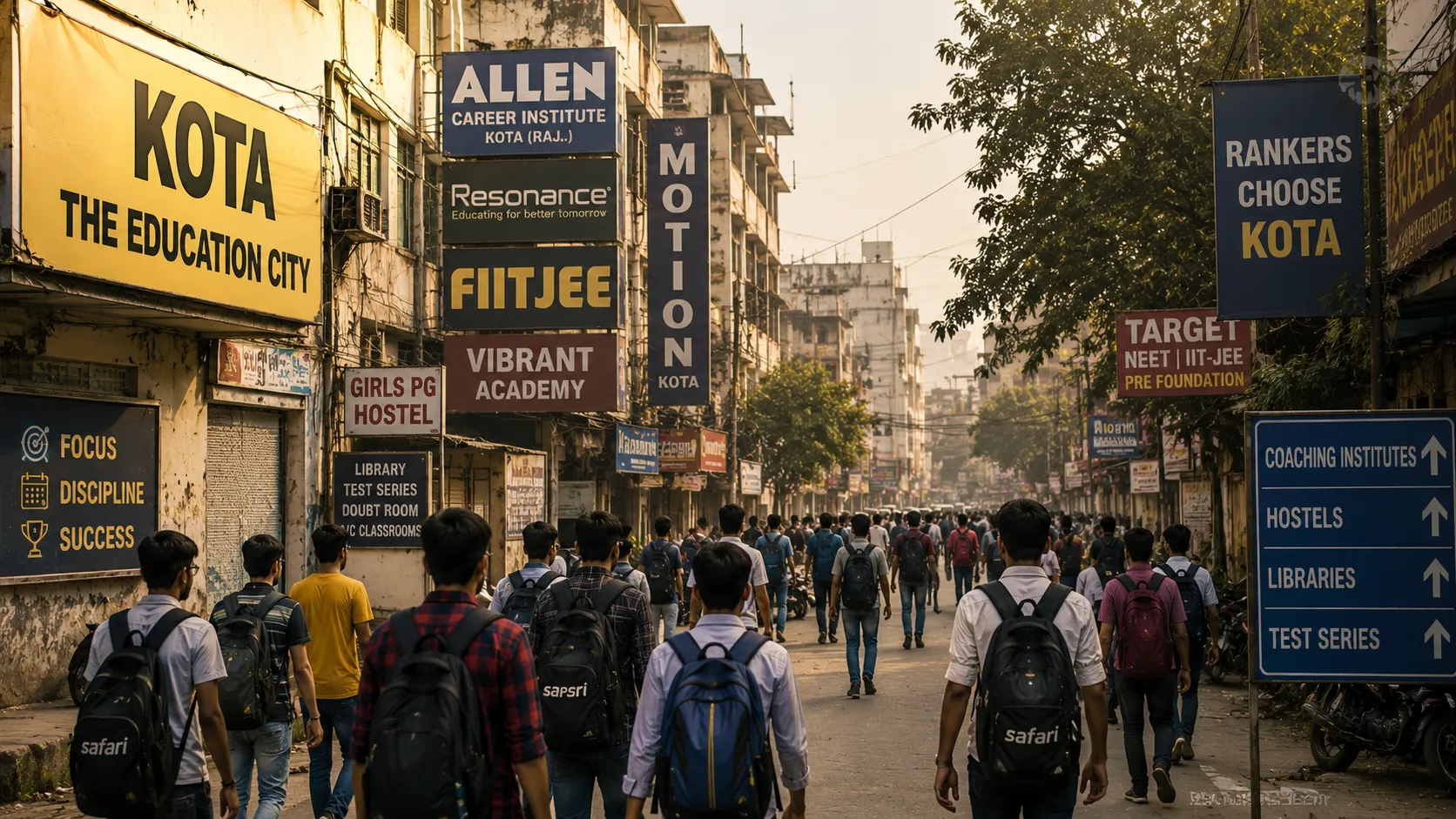
Another important dimension emerging beneath discussions surrounding Kota increasingly involves broader changes occurring across India’s educational landscape itself. Historically, pathways toward success frequently appeared comparatively structured. Medicine, engineering and government careers often represented highly visible markers of social mobility and long-term security. Coaching ecosystems expanded partly because competition surrounding these pathways intensified dramatically over time.
Increasingly, however, younger generations increasingly appear navigating environments shaped by changing definitions involving opportunity and success itself. New industries continue emerging. Entrepreneurial pathways increasingly expand. Digital careers increasingly create alternative possibilities. Yet social expectations and institutional structures frequently continue operating through assumptions developed during earlier periods.
This transition increasingly matters because students frequently navigate expectations emerging simultaneously from multiple realities. Traditional structures continue emphasizing familiar pathways while broader social environments increasingly expose younger generations to different aspirations and possibilities. The result frequently creates environments where pressure itself extends beyond examinations and increasingly reflects broader uncertainty involving identity, future expectations and personal direction.
The Larger Story Increasingly Extends Beyond Kota Alone
The broader significance surrounding the renewed national conversation may ultimately involve what it reveals regarding how societies increasingly understand ambition itself. Historically, education represented one of India’s strongest pathways toward opportunity and upward mobility. That reality remains deeply important and competitive systems continue creating meaningful possibilities for millions of students across the country.
Viewed through a broader lens, however, current discussions increasingly appear connected to larger questions involving balance and institutional responsibility. Conversations increasingly involve how societies define achievement, how systems support wellbeing and how educational environments shape emotional experience alongside academic performance. The broader issue increasingly appears less about questioning ambition itself and more about understanding the environments surrounding it.
The larger impact story therefore may not simply involve one city or one coaching ecosystem. Increasingly, it may involve recognizing that conversations surrounding educational success may now require asking not only how students perform inside systems but also how students experience the systems built around them. Because institutions frequently influence futures through opportunity. Increasingly, society appears asking whether those same systems should also be expected to protect emotional wellbeing along the journey itself.