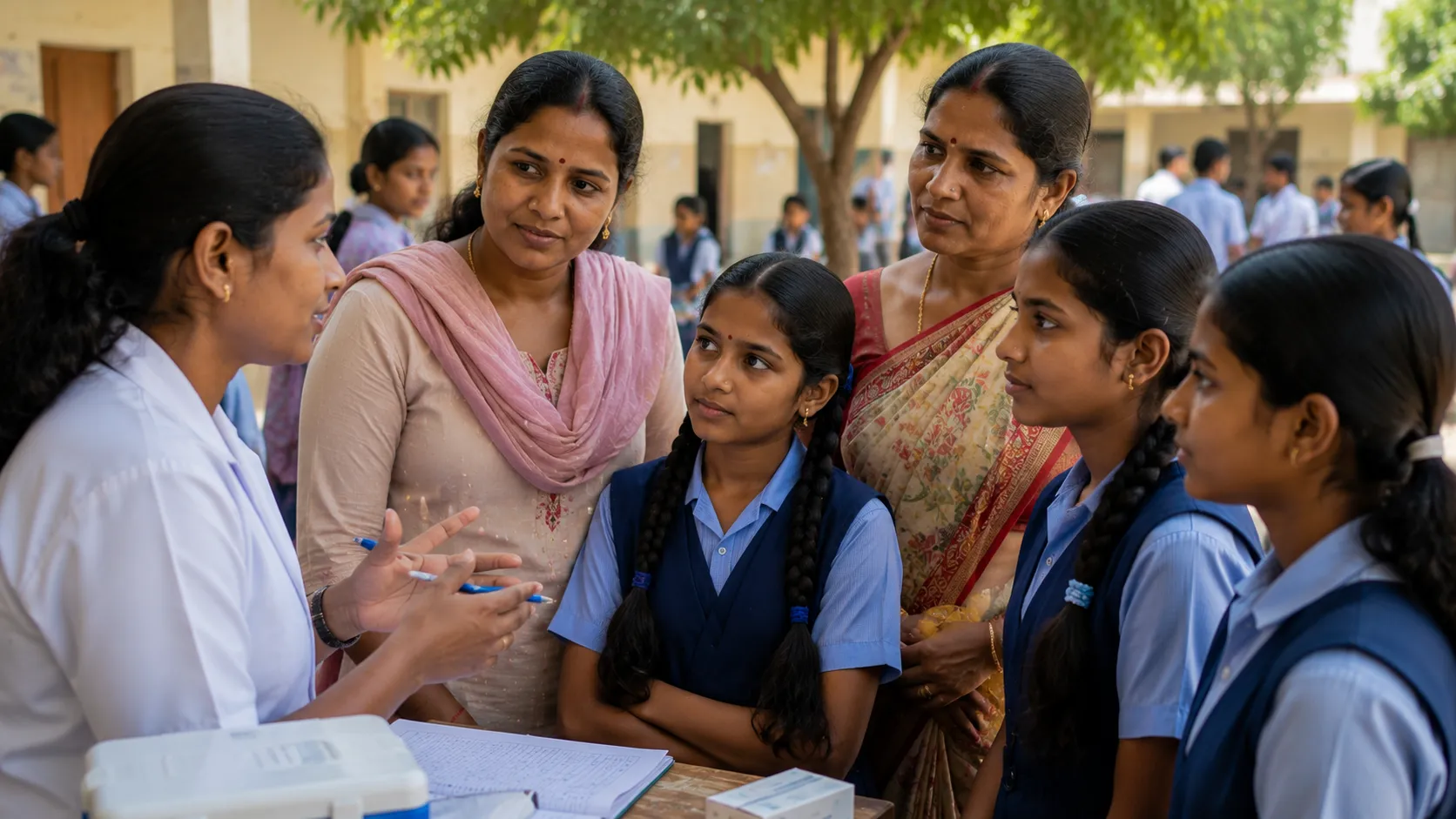
A Public-Health Effort Once Centered Around Awareness Is Gradually Moving Toward Wider Preventive Action
For years, conversations surrounding cervical cancer in India frequently followed a familiar pattern. Healthcare discussions often focused on awareness, screening gaps and the broader challenge of improving access to early diagnosis. Medical experts repeatedly emphasized that cervical cancer remained one of the few cancers that could often be prevented or identified early through timely intervention. Yet despite that reality, public-health efforts frequently encountered structural challenges involving awareness levels, healthcare access and preventive outreach across large populations.
Over time, the issue increasingly evolved into a broader healthcare concern extending beyond hospitals and oncology systems alone. Cervical cancer continued representing one of the leading causes of cancer-related mortality among women in India, particularly because many cases were frequently diagnosed during later stages when treatment environments became significantly more complex. Public-health researchers and healthcare institutions repeatedly highlighted an important distinction surrounding the disease: unlike many other health conditions, cervical cancer prevention often depended heavily on intervention before illness itself became visible.
That broader context increasingly explains why recent developments involving Human Papillomavirus (HPV) vaccination programs are attracting greater attention across India. Over the last few years, several states increasingly expanded conversations and initiatives surrounding HPV vaccination as part of broader public-health planning. States including Sikkim had previously introduced large-scale vaccination efforts, while more recent discussions and state-level strategies increasingly suggest broader interest in integrating HPV prevention approaches into larger healthcare ecosystems. Public-health conversations around cervical cancer increasingly appear to be entering a new phase where prevention itself is gradually moving closer to the center of policy thinking.
Viewed independently, vaccination expansion may initially appear like a healthcare implementation story. Viewed through a broader public-health lens, however, it increasingly reflects changing assumptions regarding how healthcare systems approach long-term prevention itself.
Preventive Healthcare Increasingly Appears To Be Expanding Beyond Treatment Systems
Historically, many healthcare systems frequently evolved around treatment infrastructure. Hospitals, clinics and medical institutions often became visible centers of public-health activity because systems frequently focused on responding to illness after symptoms emerged. While preventive healthcare remained part of broader discussions, treatment systems often received greater institutional visibility.
Over recent years, however, public-health thinking increasingly appears to be evolving toward prevention-oriented approaches capable of reducing long-term disease burdens before treatment environments become necessary.
The significance surrounding HPV vaccination increasingly emerges within this broader shift. Human Papillomavirus is widely recognized as one of the primary risk factors associated with cervical cancer. International healthcare organizations and public-health experts have repeatedly emphasized that vaccination, alongside screening systems and awareness efforts, may significantly influence long-term prevention outcomes.
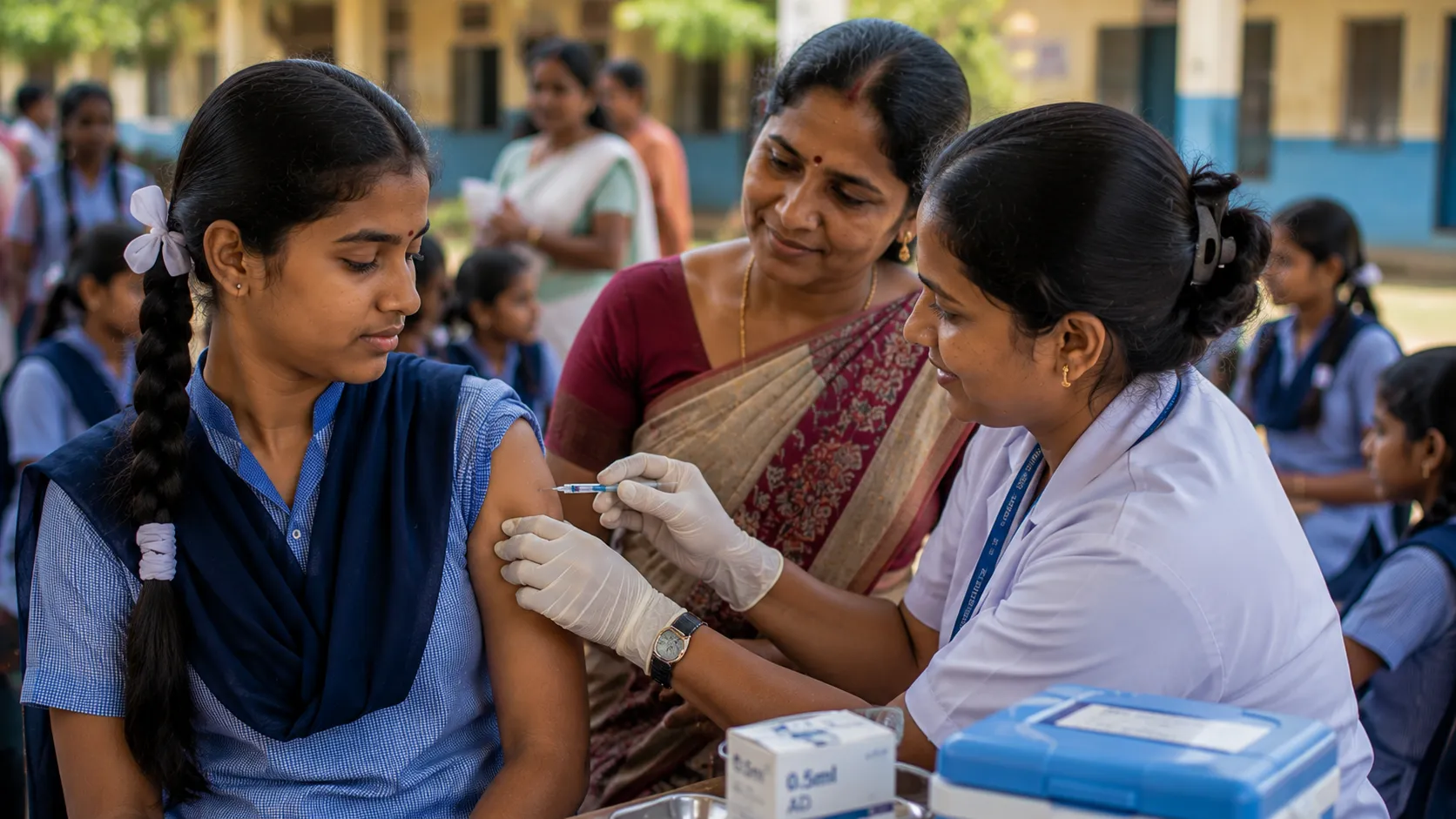
As a result, conversations surrounding HPV vaccines increasingly appear connected not simply to immunization policy but also to larger healthcare strategies involving early intervention and population-level prevention.
The broader shift increasingly matters because prevention frequently operates differently from treatment. Successful preventive systems often become less visible precisely because they reduce future disease burdens before larger interventions become necessary.
States Increasingly Appear To Be Playing Larger Roles In Public-Health Innovation
Part of the significance surrounding recent HPV vaccination discussions involves changing dynamics surrounding state-level healthcare initiatives themselves.
Historically, many large-scale healthcare programs frequently operated through national structures and central implementation frameworks. Increasingly, however, several Indian states appear taking more active roles in designing and experimenting with healthcare interventions suited to local priorities.
Sikkim often emerged as an early example through its statewide HPV vaccination initiative involving school-age girls, frequently attracting attention as one of India’s early large-scale prevention efforts. More recently, other states increasingly entered broader conversations surrounding similar approaches while healthcare institutions and policymakers continue discussing pathways for wider implementation. Simultaneously, India’s development of CERVAVAC, an indigenous HPV vaccine created through collaboration involving the Serum Institute of India and biotechnology partners, increasingly introduced discussions surrounding affordability and accessibility.
These developments increasingly suggest that healthcare innovation itself frequently emerges through layered participation rather than singular interventions. National policy frameworks remain important, but state ecosystems increasingly appear functioning as environments where implementation models and preventive strategies become visible.
The significance therefore extends beyond one vaccination program alone because states increasingly seem positioned as active contributors shaping future healthcare environments.
Public Health Increasingly Appears To Be Addressing Social Barriers Alongside Medical Ones
Another important dimension surrounding cervical cancer prevention increasingly involves broader social realities influencing healthcare participation itself.
Historically, discussions involving women’s preventive health frequently encountered challenges extending beyond medicine alone. Awareness gaps, cultural hesitation and broader conversations surrounding reproductive health occasionally created barriers affecting participation and early intervention.
Public-health systems increasingly recognize that medical infrastructure alone often proves insufficient if broader social environments continue limiting engagement.
As a result, awareness campaigns, educational efforts and community participation increasingly appear central alongside vaccination initiatives themselves. Healthcare researchers frequently emphasize that long-term prevention environments depend not only on vaccine availability but also on trust, communication and public understanding capable of encouraging participation.
This broader perspective increasingly matters because healthcare outcomes often emerge through interactions involving social systems and medical systems simultaneously.
And preventive healthcare frequently depends heavily on environments where communities feel informed and empowered enough to participate early.
The Larger Story Increasingly Extends Beyond Vaccination Alone
The broader significance surrounding India’s expanding HPV vaccination efforts may ultimately involve what it reveals about changing healthcare priorities themselves.
Historically, healthcare systems frequently gained visibility through treatment capability and institutional infrastructure. Increasingly, however, future healthcare conversations appear expanding toward prevention systems capable of reducing long-term burdens before disease becomes visible.
Viewed through that broader lens, India’s cervical cancer initiatives increasingly appear connected to larger conversations involving preventive care, women’s health and public-health modernization. The shift increasingly suggests healthcare environments where intervention may begin earlier and where healthcare systems increasingly seek to create healthier outcomes before larger clinical systems become necessary.
The larger story therefore may not simply involve vaccination numbers or healthcare rollout strategies. Increasingly, it may involve recognizing that some of the most meaningful public-health transitions often begin quietly, through systems designed not around treating disease after it appears but around preventing it long before it does.