SEO Title: India LNG Imports Rise 15.4% As Supply Diversifies Away From Strait Of Hormuz
Meta Description: India's LNG imports rose 15.4% YoY to 7.08 million tonnes in May-July 2026, as US, Oman and Nigerian cargoes replaced disrupted Qatari and UAE supply.
Energy security debates in India have, for most of the past decade, centred on crude oil — the country's single largest import bill and its most visible point of exposure to global geopolitical instability. But over the past several months, a quieter but equally consequential story has been playing out in liquefied natural gas markets, as India's LNG import flows have been dramatically reshuffled by a conflict thousands of kilometres away, forcing a rapid, real-time reconfiguration of where the country sources the fuel powering its city gas networks, fertiliser plants, power stations and ceramics industry.
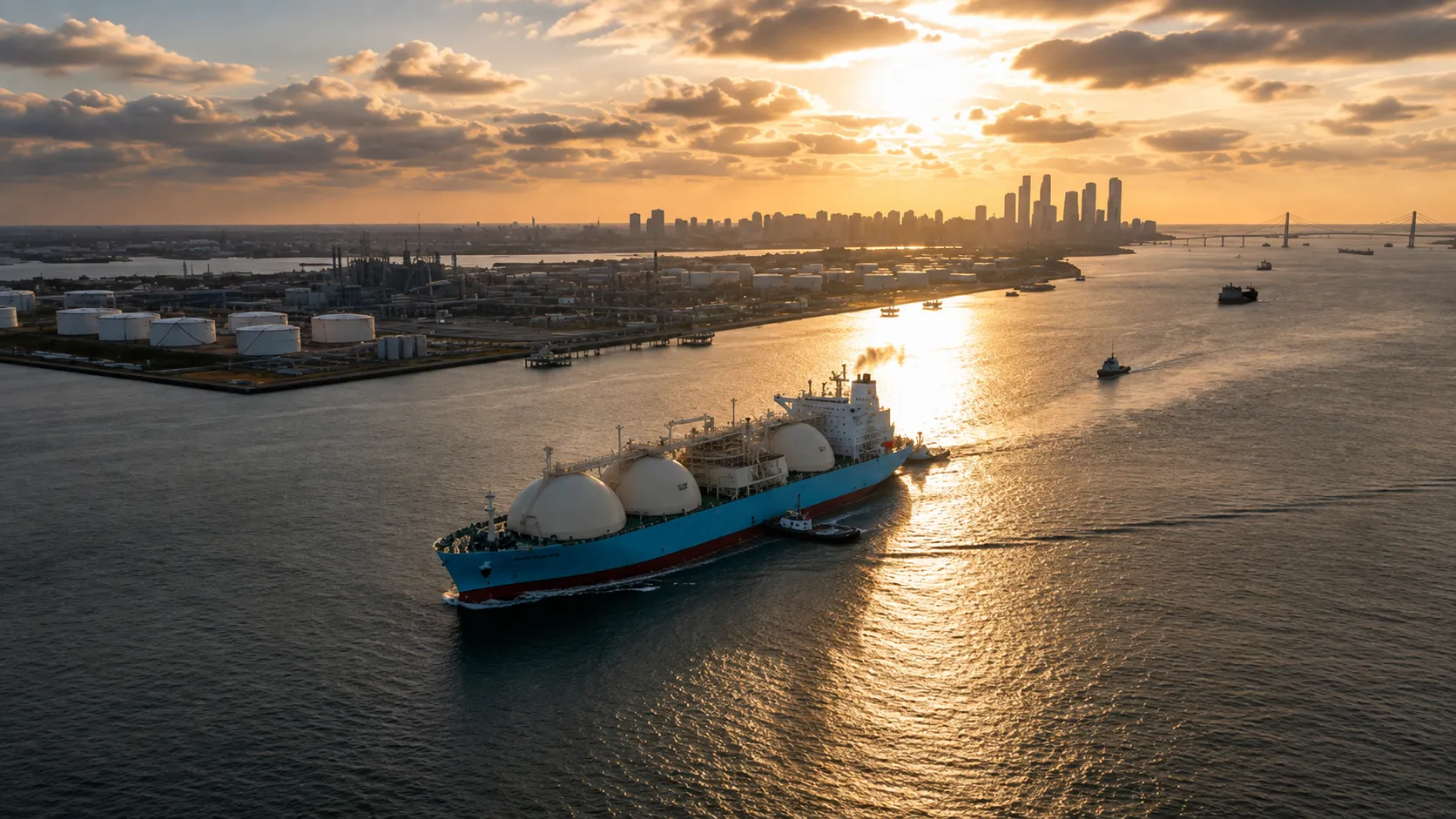
India's LNG imports rose 15.4% year-on-year to 7.08 million tonnes during May-July 2026, recovering after a nearly 13% decline in March-April — the first two months of the West Asia conflict that has severely disrupted shipping through the Strait of Hormuz. The recovery was driven by sharply higher cargo volumes from the United States, Oman, Nigeria and Angola, which have collectively compensated for the disruption to supplies that would traditionally have transited the narrow, contested waterway between Iran and Oman. This recovery, achieved within just a few months of the initial disruption, illustrates the speed with which global commodity markets can reallocate supply when the underlying demand remains inelastic and buyers are willing to pay a premium for reliability.
The Scale Of The Supply Chain Rewiring
The magnitude of this reshuffling becomes clear when examining supplier-by-supplier data. According to Kpler ship-tracking figures, the United States was India's largest LNG supplier during the May-July period, delivering 2.19 million tonnes — with imports from the US surging 252.8% year-on-year, more than tripling the comparable period a year earlier. Nigeria supplied 1.31 million tonnes, with shipments up 123.8% year-on-year. Oman delivered 1.22 million tonnes, a jump of 340.9% — the sharpest percentage increase among India's major suppliers. Angola, a comparatively minor supplier historically, delivered 0.80 million tonnes, up 71.3% year-on-year.
The mirror image of this story is the collapse in supply from India's traditional Gulf suppliers. Imports from Qatar — historically India's single most important LNG source, accounting for close to 45% of the country's total LNG imports as recently as 2025 — fell a staggering 91.3% year-on-year to just 0.23 million tonnes during the May-July window. Imports from the UAE declined 34.4% to 0.55 million tonnes, though UAE shipments did show signs of recovery in June and July after sharper falls in the immediately preceding months, suggesting at least partial normalisation of that specific supply route even as the broader Gulf-sourced supply base remains dramatically diminished relative to pre-conflict levels. This dramatic reordering of India's top suppliers, occurring within the space of a few months, represents one of the fastest wholesale reconfigurations of any major economy's energy import mix in recent memory.

Why Qatar Specifically Collapsed
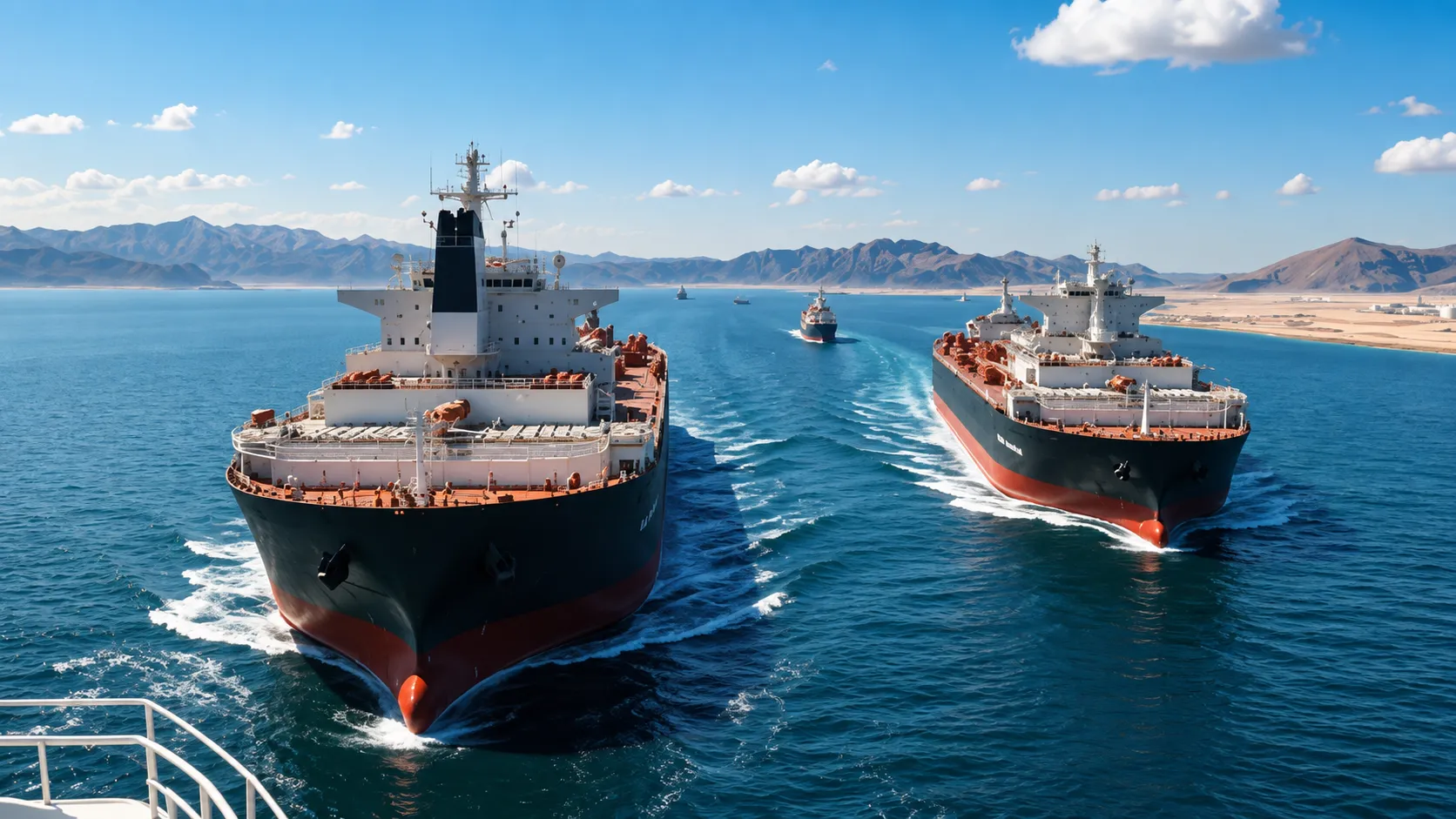
The scale of Qatar's fall from India's supply picture reflects the specific mechanics of how this conflict has disrupted regional energy infrastructure. Qatar's LNG production was directly affected by the broader West Asia conflict, with the country's gas production facilities reportedly shutting down around early March 2026 — removing, almost overnight, a supplier that had anchored close to half of India's total annual LNG import volumes in the immediately preceding year. Combined with the near-simultaneous disruption to Strait of Hormuz shipping — the narrow chokepoint through which the vast majority of Qatari and broader Gulf LNG exports must physically transit en route to Asian buyers — India effectively lost access to its single most important gas supplier through two compounding, mutually reinforcing disruptions occurring almost simultaneously.
The scale of this regional disruption extended well beyond India's own experience. Broader Asian LNG markets lost an estimated 5.5 to 6 million tonnes of monthly supply capacity as a result of the combined Qatari production shutdown and Hormuz disruption — equivalent to almost a quarter of the region's pre-crisis export flows — pushing benchmark Asian spot LNG prices (the JKM index) from a pre-crisis level of roughly $10.4 per million British thermal units to as high as $25.3 by late March, a price shock that made India's continued LNG procurement considerably more expensive even as the country worked urgently to secure alternative supply volumes.
India's Reliance On LNG, And Why This Matters Beyond Energy Statistics
India depends on LNG imports for roughly half of its total natural gas demand, with that gas feeding into sectors including city gas distribution networks serving households and vehicles, fertiliser production critical to the country's agricultural sector, power generation, and industrial processes including ceramics manufacturing. A sustained, unaddressed disruption to LNG supply of the scale India experienced in March and April 2026 — the roughly 13% year-on-year decline recorded during those two months — carried genuine risk of cascading into fertiliser shortages, industrial production disruptions, and city gas supply constraints affecting millions of ordinary households and businesses, making the government and Indian energy companies' rapid, successful pivot toward alternative suppliers a genuinely consequential piece of crisis management, even if it has attracted considerably less public attention than comparable crude oil supply disruptions typically receive.
India's approach during this period reportedly prioritised securing supplies specifically to meet demand from these critical sectors — city gas distribution, fertilisers, power and ceramics — rather than treating all LNG demand as equally urgent, a triage approach that likely helped concentrate scarce, expensive spot-market cargo purchases toward the uses where supply shortfalls would have caused the most immediate and severe economic and social disruption.
Weather As An Additional Demand Driver
Compounding the supply-side disruption, India's LNG demand itself has faced unusual upward pressure from an entirely separate factor: extreme heat. India's power consumption jumped more than 11% year-on-year in May 2026 as temperatures exceeded 45°C across large parts of the country, turning air conditioners and desert coolers into what analysts have described as basic survival infrastructure for millions of Indians during the peak of the heatwave. That surge in power demand, occurring precisely as the country was simultaneously navigating its most severe LNG supply disruption in years, created a genuinely challenging simultaneous supply-and-demand shock — needing more gas-fired power generation capacity at exactly the moment gas itself had become both scarcer and dramatically more expensive on international markets.