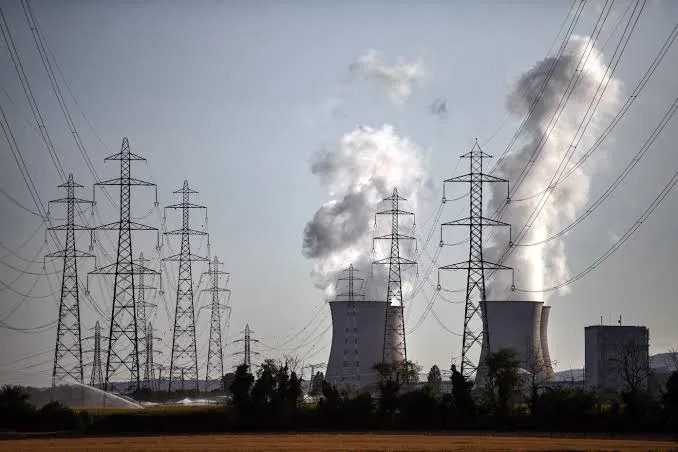
Jaipur: In what officials are calling a defining milestone for India's nuclear power ambitions, Anushakti Vidhyut Nigam Limited, better known by its acronym ASHVINI, has floated the country's largest-ever Nuclear Island Engineering, Procurement and Construction tender, valued at more than ₹28,000 crore, for the Mahi Banswara Rajasthan Atomic Power Project. The tender marks the single biggest Nuclear Island EPC package ever put out to bid under India's indigenous Pressurised Heavy Water Reactor programme.
ASHVINI itself is a joint venture between two of India's most significant state-owned energy entities: the Nuclear Power Corporation of India Limited, which holds a 51 per cent stake, and NTPC Limited, which holds the remaining 49 per cent. The formation of this joint venture in itself reflects a notable structural shift in how India is approaching the financing and execution of its next generation of nuclear power projects, bringing together NPCIL's decades of nuclear operating expertise with NTPC's scale and experience in large thermal and renewable power project execution.
The tender specifically invites bids for what is being called the Nuclear Island Mega EPC Package, covering Units 1 through 4 of the Mahi Banswara Rajasthan Atomic Power Project, a facility that will house four indigenous Pressurised Heavy Water Reactors, each with a capacity of 700 megawatts electric, for a combined total generation capacity of 2,800 megawatts once fully operational. The comprehensive scope of the package spans engineering, manufacturing, supply, civil construction, installation, and testing and commissioning assistance for the plant's critical nuclear island systems — effectively covering the technical and construction heart of the facility.
The scale of the physical project itself is substantial. The plant will be built across more than 1,300 acres of land on the right bank of the Mahi River, positioned upstream of the Mahi Bajaj Sagar Dam in Banswara district, Rajasthan — a site selection that reflects the critical importance of reliable water access for nuclear plant cooling systems. Prime Minister Narendra Modi laid the foundation stone for the project in September 2025, formally launching what has since become one of the most closely watched infrastructure developments in India's expanding nuclear energy portfolio.
According to a statement from NPCIL, the project marks another significant milestone in strengthening India's indigenous nuclear manufacturing ecosystem, promoting advanced engineering capabilities and accelerating the country's broader clean energy transition. That framing situates the Mahi Banswara project not merely as an addition to India's power generation capacity, but as a strategic investment in building out the country's domestic nuclear engineering and manufacturing base — a capability with implications well beyond a single power plant.
The tender's scope, as detailed in the bidding documents, covers an extensive range of critical infrastructure components: the reactor building itself, associated nuclear structures, a heavy water upgrading plant, water systems, and waste management facilities. The selected contractor, once chosen, will bear responsibility not just for design and construction but for the full lifecycle of engineering, supply, civil construction, installation, testing, commissioning, and ultimately operation and maintenance support for the nuclear island package.
Perhaps one of the most structurally significant aspects of the Mahi Banswara project is a detail that has drawn attention among energy sector analysts: it will be the first nuclear power plant in India that is not fully owned by NPCIL. Until now, the entirety of India's installed nuclear power capacity — currently standing at 8.78 gigawatts — has been owned outright by NPCIL. The joint ownership structure underpinning ASHVINI, and by extension the Mahi Banswara project, represents an early test case for a broader shift in how India may finance and structure future nuclear projects, potentially opening the door to greater participation from other state-owned and, eventually, private entities in the country's nuclear power expansion.
That expansion ambition is considerable in scope. The Indian government has set a target of achieving 100 gigawatts of nuclear power capacity by 2047, a more than eleven-fold increase from current installed capacity, coinciding with the centenary of India's independence. Government projections suggest the country's nuclear capacity could nearly triple in the coming years, with installed capacity expected to reach 22.38 gigawatts by 2031-32 alone, driven by a combination of indigenous 700 MW and 1,000 MW reactor projects, alongside additional capacity being developed through international cooperation agreements.
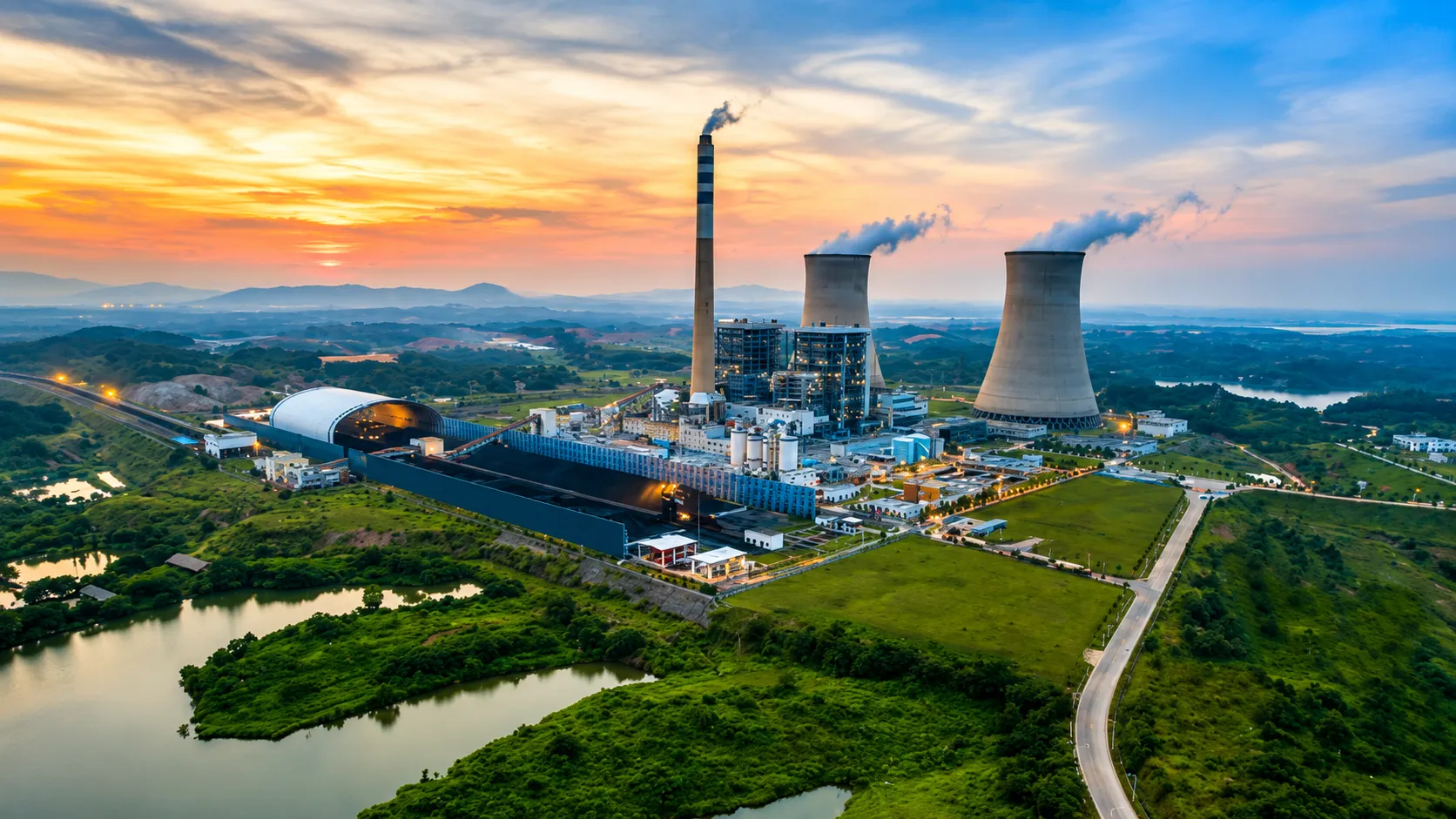
Nuclear power currently occupies a relatively modest share of India's overall electricity generation mix, contributing around 3 per cent of the country's total power output. In the 2024-25 fiscal year, the country's nuclear plants generated 56,681 million units of electricity, with nuclear energy's share standing at 3.1 per cent of total generation for that year. The scale of the government's expansion ambitions signals a clear intent to substantially grow that share over the coming decades, positioning nuclear power as an increasingly important pillar of India's clean, low-carbon baseload electricity strategy, complementing the country's parallel and rapidly growing investments in solar and wind capacity.
India's push to expand nuclear capacity has also been supported by a growing web of international partnerships. The country has signed Inter-Governmental Agreements on civil nuclear cooperation for peaceful purposes with 18 countries to date, a figure that reflects the steadily growing international confidence in India's nuclear programme and its non-proliferation commitments, even as the country continues to develop and deploy increasingly capable indigenous reactor technology alongside these international collaborations.
For the broader Indian nuclear engineering and manufacturing ecosystem, a tender of this scale carries implications that extend well beyond the immediate Mahi Banswara project. Contracts of this magnitude typically drive significant downstream investment in specialised manufacturing capacity, workforce training, and supply chain development across the companies and institutions that ultimately win and execute the various components of the Nuclear Island Mega EPC Package, creating a multiplier effect for India's broader heavy engineering and industrial sectors.
The timing of the tender is also notable, arriving just as India's nuclear infrastructure has come under an unrelated but simultaneous spotlight, following reports of a significant data breach affecting contractor files linked to the Kudankulam Nuclear Power Plant, currently India's largest operational nuclear facility. While the Mahi Banswara tender and the Kudankulam breach are unrelated events, together they illustrate the dual challenge facing India's nuclear expansion: building physical capacity at an ambitious pace while simultaneously ensuring the cybersecurity and operational integrity of an increasingly complex, contractor-dependent project ecosystem.
Energy sector analysts note that the success of the Mahi Banswara project, and the broader ASHVINI joint venture model underpinning it, will likely serve as an important reference point for how India structures its subsequent wave of nuclear projects as it works toward its 2047 capacity target. A well-executed rollout could pave the way for accelerated participation from additional public and private partners in future nuclear projects, while delays or execution challenges could prompt a more cautious, NPCIL-led approach to subsequent capacity additions.
As bids are now invited from qualified engineering and construction firms for the Nuclear Island Mega EPC Package, the coming months will be closely watched by India's energy policy establishment, industrial manufacturing sector, and international nuclear cooperation partners alike, as the country takes what officials are describing as one of its most significant single steps yet toward a dramatically expanded nuclear-powered energy future.
The Mahi Banswara project also fits into a broader continental and global context in which nuclear power is experiencing a notable resurgence of policy interest, as countries around the world reassess their energy strategies in light of climate commitments, energy security concerns following recent geopolitical disruptions to global fossil fuel supply chains, and the growing recognition that intermittent renewable sources such as solar and wind require reliable, low-carbon baseload capacity to complement them at scale. India's aggressive nuclear expansion targets place it among a relatively small group of countries pursuing nuclear capacity growth at this pace and scale, alongside nations such as China, which has for years maintained one of the world's most ambitious nuclear construction programmes.
For the Indian heavy engineering and capital goods sector, a tender of this magnitude represents a significant potential opportunity. Companies with existing expertise in large-scale industrial construction, precision engineering and nuclear-grade component manufacturing are expected to compete vigorously for a share of the ₹28,000 crore package, with successful bidders likely to see meaningful multi-year revenue visibility from their involvement in the project. Given the scale and technical complexity of the Nuclear Island Mega EPC Package, industry observers expect the eventual contract to be split across a consortium of specialised firms, rather than awarded to any single company in its entirety.
The choice of Rajasthan as the location for this landmark project also carries regional economic development implications that extend well beyond the immediate power generation benefits. Large infrastructure projects of this scale typically generate substantial direct and indirect employment during both the construction and operational phases, spanning skilled engineering and technical roles through to a wide range of ancillary services and support industries that develop around major industrial sites. Local officials in Rajasthan have pointed to the project as a significant driver of expected regional economic activity over the coming decade, as construction ramps up around the Banswara district site.
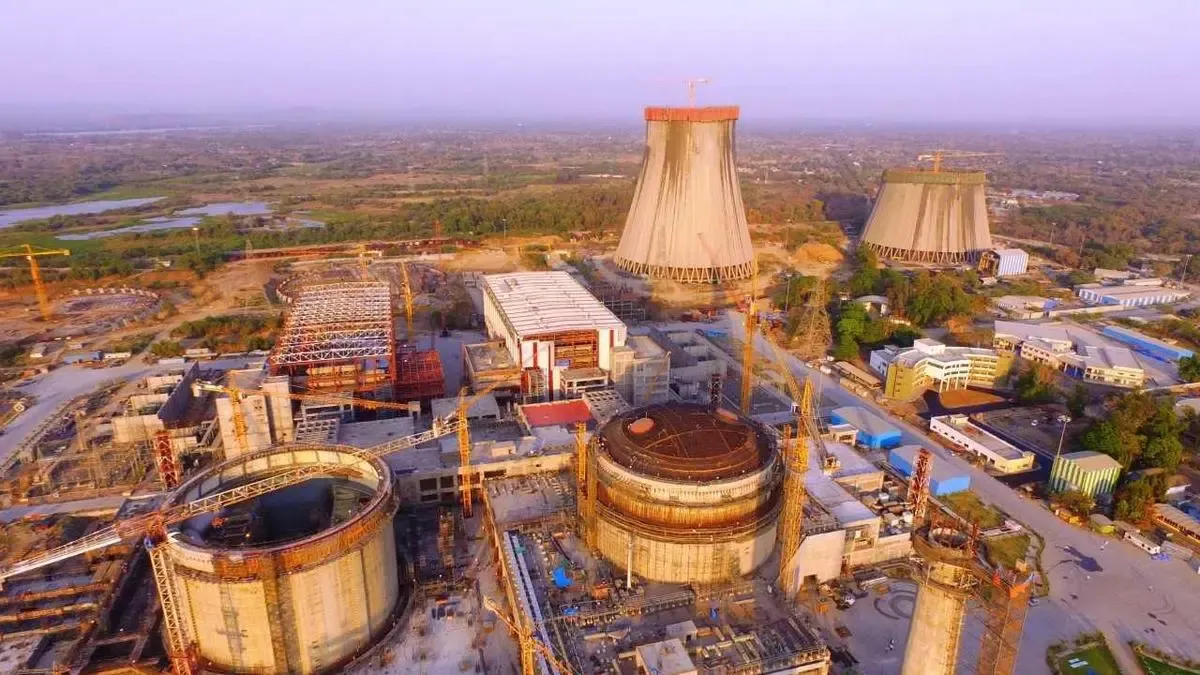
Water availability and management will also remain a closely watched dimension of the project's execution, given the site's positioning upstream of the Mahi Bajaj Sagar Dam. Nuclear plants require substantial and reliable water access for reactor cooling systems, and the project's planners have factored the site's proximity to the Mahi River and associated dam infrastructure directly into the facility's design and site selection process, a decision that reflects the broader pattern seen across India's nuclear site selection strategy, which has consistently prioritised locations with dependable long-term water access.
Safety and regulatory oversight for the project will fall under the purview of India's Atomic Energy Regulatory Board, which is responsible for reviewing and approving the safety case for new nuclear facilities before they are permitted to begin operations. Given the scale of India's current nuclear expansion pipeline, including Mahi Banswara alongside several other projects in various stages of planning and construction, regulatory capacity and review timelines are likely to be an important factor in determining how quickly this new wave of nuclear capacity ultimately comes online relative to current government targets.
For a country that has historically generated the bulk of its electricity from coal, even as it has simultaneously built out one of the world's largest renewable energy programmes in parallel, the steady expansion of nuclear capacity represents a third, increasingly important pillar in India's broader energy transition strategy — one that officials argue is essential for providing the reliable, round-the-clock baseload power that heavy industry and a rapidly growing economy require, even as the country continues to add solar and wind capacity at record pace.
With the Mahi Banswara tender now formally floated and bidding underway, India's nuclear power programme enters what officials describe as one of its most consequential phases yet — a test not just of the country's engineering and industrial capacity to execute a project of this scale, but of the broader institutional and financing frameworks, exemplified by the ASHVINI joint venture model, that will need to be replicated and refined if India is to have any realistic chance of reaching its ambitious 100 gigawatt nuclear capacity target by 2047.
Financing for a project of this scale is itself expected to draw on a mix of internal accruals from NPCIL and NTPC, government budgetary support, and potentially long-tenure debt financing from domestic and multilateral development finance institutions, given the multi-decade operational life typical of large nuclear power assets and the correspondingly long-term nature of the returns they generate. How this financing structure evolves for Mahi Banswara could serve as a template for funding subsequent projects in India's expanding nuclear pipeline. Skilled workforce development is another dimension of the project drawing close attention from planners. Executing a nuclear project of this scale requires a specialised workforce spanning nuclear engineers, welders certified to nuclear-grade standards, radiation safety personnel and a wide range of other technical specialists, and India's nuclear establishment has in recent years worked to expand training pipelines through specialised institutes in order to meet the workforce demands of its broader capacity expansion programme, of which Mahi Banswara forms a significant part.
Ultimately, the success of the Mahi Banswara project will be measured not only by whether it is completed on time and within its projected ₹28,000 crore EPC budget, but by whether it can serve as a credible proof of concept for a joint-venture-based, multi-stakeholder approach to nuclear project execution — one that India will likely need to replicate repeatedly, at growing scale, if it is to have any realistic prospect of closing the vast gap between its current 8.78 gigawatt installed nuclear base and its stated ambition of 100 gigawatts by the time the country marks a century of independence in 2047.