His family, dependent on daily wages, sought help from the nearest local clinic. However, limited facilities and lack of specialized expertise meant that his condition remained undiagnosed. With mounting medical expenses and no clear answers, hope began to fade.
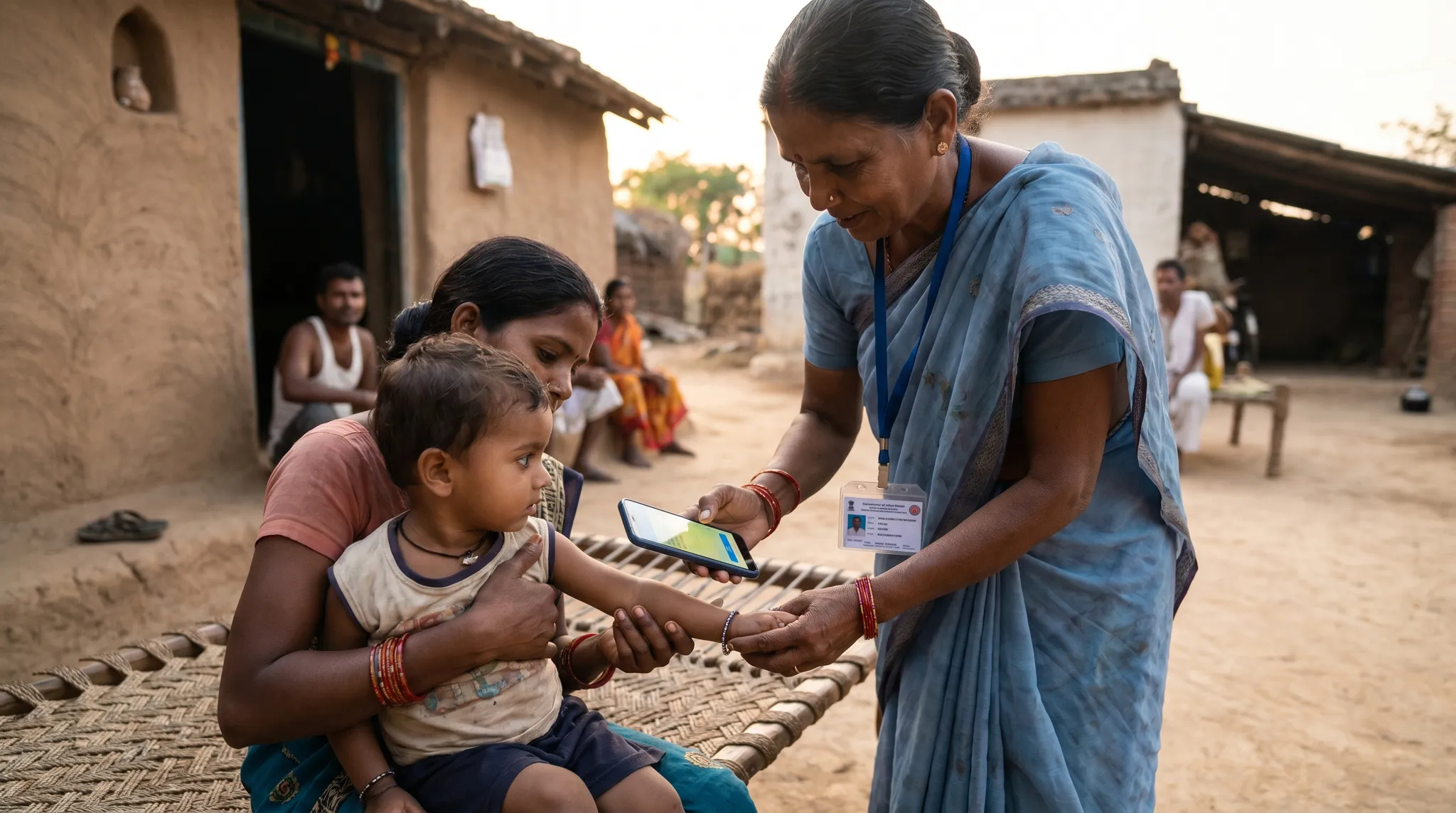
The turning point came when a trained community health worker visited the village as part of a rural outreach program. Equipped with a smartphone and a digital health application, she recorded Rohan’s symptoms and conducted a basic screening. The data was then shared instantly with a network of doctors based in urban centers.
Within hours, specialists reviewing the case suspected a congenital heart defect — a condition that required immediate intervention. For the family, traveling to a major city hospital seemed impossible due to financial constraints and unfamiliarity with urban healthcare systems.
However, through a referral network and an affordable care initiative modeled after the systems pioneered by Dr. Devi Shetty at Narayana Health, arrangements were made for Rohan’s treatment.
For the first time, Rohan and his father boarded a train, traveling over 1,000 kilometers to reach a specialized cardiac facility. What awaited them was not just advanced medical care, but a system designed to be accessible and compassionate.