
Kiran Mazumdar-Shaw-Backed Immuneel Has Secured Fresh Funding To Expand Its Cell And Gene Therapy Platform. The Deal Highlights A Larger Shift As India Tries To Build A Homegrown Advanced-Therapy Industry Instead Of Relying On Imported Innovation.
For decades, India's healthcare success story was built largely around affordability.
The country became known as the pharmacy of the developing world, producing generic medicines at scale and making critical treatments accessible to millions of people. Indian pharmaceutical companies earned global recognition for manufacturing excellence, cost efficiency and the ability to deliver medicines at prices significantly lower than many Western markets. While this model transformed healthcare access, it also created a perception that India excelled primarily at producing treatments invented elsewhere rather than developing entirely new medical technologies itself.
That perception has gradually begun to change.
A new generation of healthcare startups, biotech companies and research organizations is increasingly focused on innovation rather than replication. Areas such as precision medicine, gene therapy, immunotherapy and advanced biologics are attracting growing attention from entrepreneurs and investors alike. These fields represent some of the most sophisticated segments of modern medicine, requiring substantial scientific expertise, regulatory capability and long-term capital. Success is far from guaranteed, but the potential rewards are enormous.
This shift helps explain why Immuneel Therapeutics has attracted fresh investor support.
The Bengaluru-based cell and gene therapy company, backed by Biocon founder Kiran Mazumdar-Shaw, recently raised ₹100 crore in a Series B funding round. The capital will be used to strengthen the company's efforts in developing and expanding advanced cancer therapies, particularly in areas involving personalized immunotherapy. While the funding itself is significant, the larger story is what it represents. Investors are increasingly betting that India can participate in some of the most advanced areas of modern medicine rather than remaining solely a manufacturing powerhouse.
The development signals growing confidence in India's biotech ecosystem.
Cell and gene therapy remains one of the most complex and promising areas of healthcare innovation. Companies operating in this space are attempting to transform how diseases such as cancer are treated, often by using a patient's own cells to fight illness more effectively. The science is challenging, the development timelines are long and the costs are substantial. Yet investors continue supporting these efforts because they believe the future of medicine will increasingly depend on precisely these types of breakthroughs.
Cancer Treatment Is Entering A New Era
Traditional cancer treatment has long relied on a relatively familiar set of tools.
Surgery, chemotherapy and radiation therapy have saved countless lives and remain critical components of modern oncology. Yet these approaches often face limitations. Treatments can affect healthy cells alongside cancerous ones, side effects can be severe and outcomes vary significantly between patients. Researchers have therefore spent years searching for more targeted approaches capable of improving effectiveness while reducing unintended consequences.
Immunotherapy emerged as one of the most promising answers.
Instead of attacking cancer directly through external interventions, immunotherapy seeks to empower the body's own immune system to recognize and destroy cancer cells. The concept fundamentally changes the treatment paradigm. Rather than viewing the immune system as a passive participant, scientists increasingly see it as a powerful therapeutic tool. Advances in biotechnology have enabled researchers to engineer cells capable of identifying and attacking specific forms of cancer with remarkable precision.
This is where companies like Immuneel operate.
The startup focuses on advanced cell and gene therapies designed to harness immune-system capabilities in new ways. These treatments often involve collecting cells from patients, modifying them in specialized facilities and reintroducing them into the body to target disease. The process is complex, but the potential outcomes have generated significant excitement across the medical community.The field is still evolving rapidly.Yet many experts believe cell and gene therapies could become some of the most important medical innovations of the coming decades.
India Wants A Bigger Role In Global Biotech
The funding also reflects a broader ambition within India's healthcare sector.
For years, the country excelled in pharmaceuticals and healthcare services, but advanced biotechnology remained dominated by a relatively small group of international players. Many cutting-edge therapies were developed elsewhere before eventually reaching Indian markets. While this model provided access to innovation, it limited India's influence over the creation of future medical technologies.
That dynamic is beginning to shift.
Government initiatives, academic research programs and private investment have all contributed to growing momentum within biotechnology. Entrepreneurs increasingly view India not only as a large healthcare market but also as a potential center for innovation. Advances in research infrastructure, scientific talent and regulatory expertise have created conditions more favorable to developing sophisticated therapies domestically.
Immuneel's progress reflects this evolution.
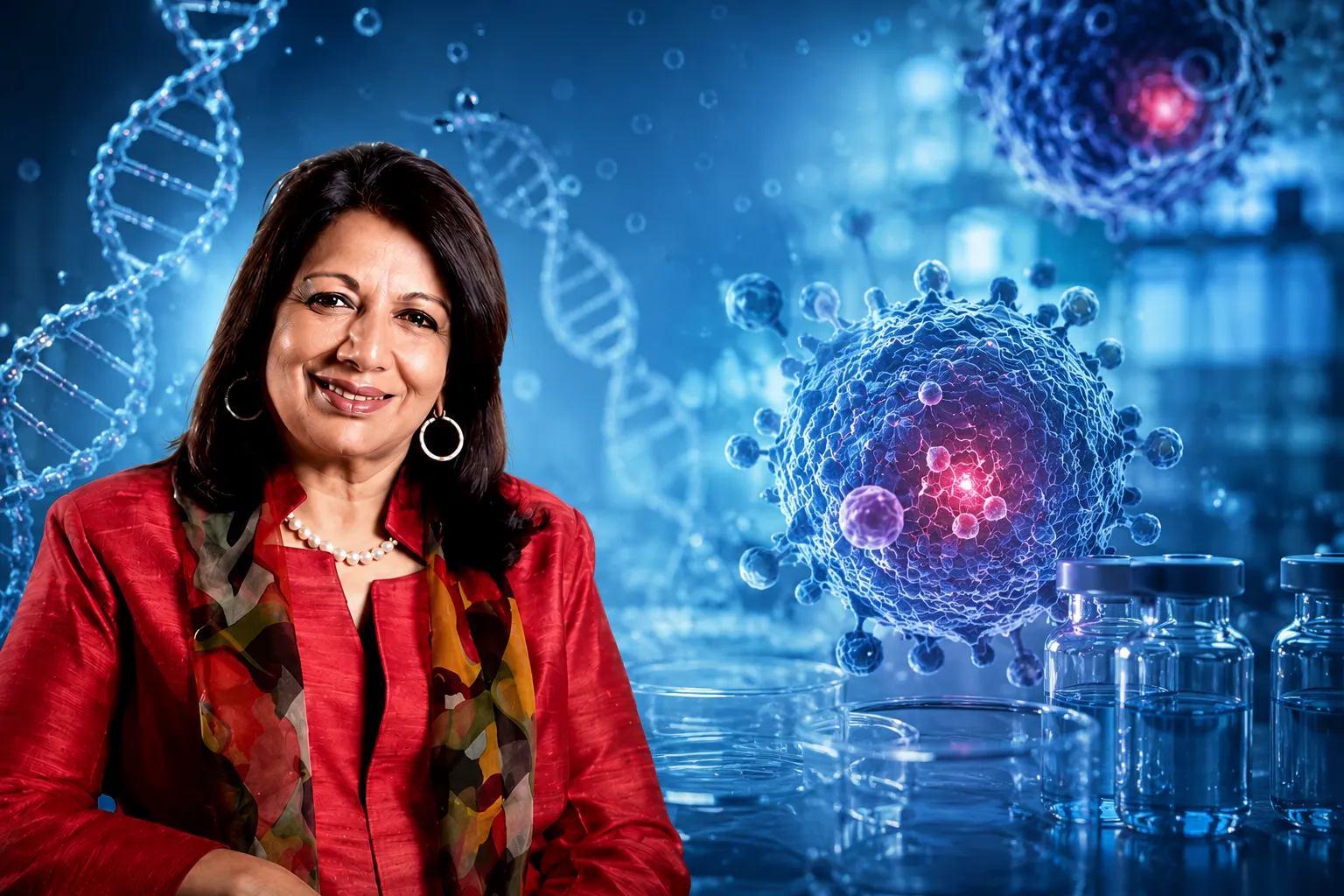
The company is attempting to build capabilities that historically existed primarily within specialized global biotech hubs. Success would not only benefit patients but also strengthen India's position within a rapidly growing international industry.The implications extend far beyond a single company.They touch on the broader question of whether India can become a meaningful contributor to the future of global healthcare innovation.
Investors Are Becoming More Comfortable With Deep Science
One reason this funding round is noteworthy is because biotechnology requires a very different investment mindset from traditional startups.
Software companies can often launch products quickly, gather user feedback and iterate rapidly. Biotechnology follows a far longer timeline. Clinical development, regulatory approvals and scientific validation can take years. The risks are substantial, and outcomes remain uncertain even after significant investment.
Despite these challenges, investor interest continues growing.
Healthcare innovations capable of addressing major diseases often create enormous value when successful. Investors increasingly recognize that some of the most transformative opportunities may emerge from scientific breakthroughs rather than purely digital products. This has encouraged greater participation in sectors involving biotechnology, life sciences and advanced healthcare technologies.
Immuneel sits squarely within this trend.
The company's work requires patience, expertise and long-term commitment. Investors supporting such businesses are effectively betting on scientific progress rather than immediate commercial returns. The willingness to make those bets reflects increasing maturity within India's innovation ecosystem.Capital is beginning to flow toward more ambitious forms of problem-solving.And healthcare is emerging as one of the most important beneficiaries.
Kiran Mazumdar-Shaw's Long-Term Vision
The involvement of Kiran Mazumdar-Shaw adds another layer of significance.
Few individuals have played a larger role in shaping India's biotechnology industry. Through Biocon, she helped demonstrate that world-class biotech companies could emerge from India and compete internationally. Her support for ventures such as Immuneel reflects a broader commitment to expanding the country's capabilities in advanced healthcare.
Her influence extends beyond funding.
Mazumdar-Shaw has consistently advocated for greater investment in research, innovation and scientific entrepreneurship. She has argued that India's future healthcare leadership will depend not only on manufacturing excellence but also on the ability to create novel therapies addressing global medical challenges.
Immuneel aligns closely with that vision.The company represents an attempt to move further up the healthcare value chain, participating directly in the development of next-generation treatments rather than simply producing them after discovery.That aspiration increasingly resonates across the biotech ecosystem.India's healthcare future may depend as much on innovation as affordability.
Viewed narrowly, Immuneel's ₹100 crore funding round is another biotech financing announcement.
Viewed more broadly, it reflects the growing belief that India can become a serious player in advanced medical innovation. Cell and gene therapies represent some of the most sophisticated areas of modern healthcare, combining cutting-edge science with enormous potential to improve patient outcomes. The fact that investors are supporting Indian companies in this field suggests increasing confidence in the country's ability to compete globally.
The opportunity is significant.
Cancer remains one of the world's most challenging diseases, and demand for more effective treatments continues rising. Companies capable of developing innovative therapies could transform both healthcare outcomes and economic value creation. Immuneel's latest funding provides resources to continue pursuing that objective while strengthening India's position within the broader biotechnology landscape.