A Product That Initially Looked Like A Festival Gimmick Quietly Became A Bigger Story About How Attention Works Today
For years, festive marketing frequently followed a relatively familiar formula. Brands often relied on seasonal discounts, colorful campaigns and celebrity-led advertisements because major festivals frequently represented moments when consumer attention naturally intensified. Holi, Diwali and other celebrations often created high-traffic windows where companies attempted to capture visibility through louder messaging and bigger promotional activity. As a result, festive campaigns frequently competed around scale because attention itself often appeared easiest to win through volume.
Over recent years, however, another transition increasingly appears unfolding beneath consumer culture and digital commerce. Brands increasingly seem realizing that people no longer remember campaigns simply because they are larger. Increasingly, they remember campaigns because they feel unexpected. Across social platforms and younger audiences, surprise increasingly appears becoming one of the strongest forms of marketing currency because products capable of creating conversation frequently travel further than products designed only for transactions.
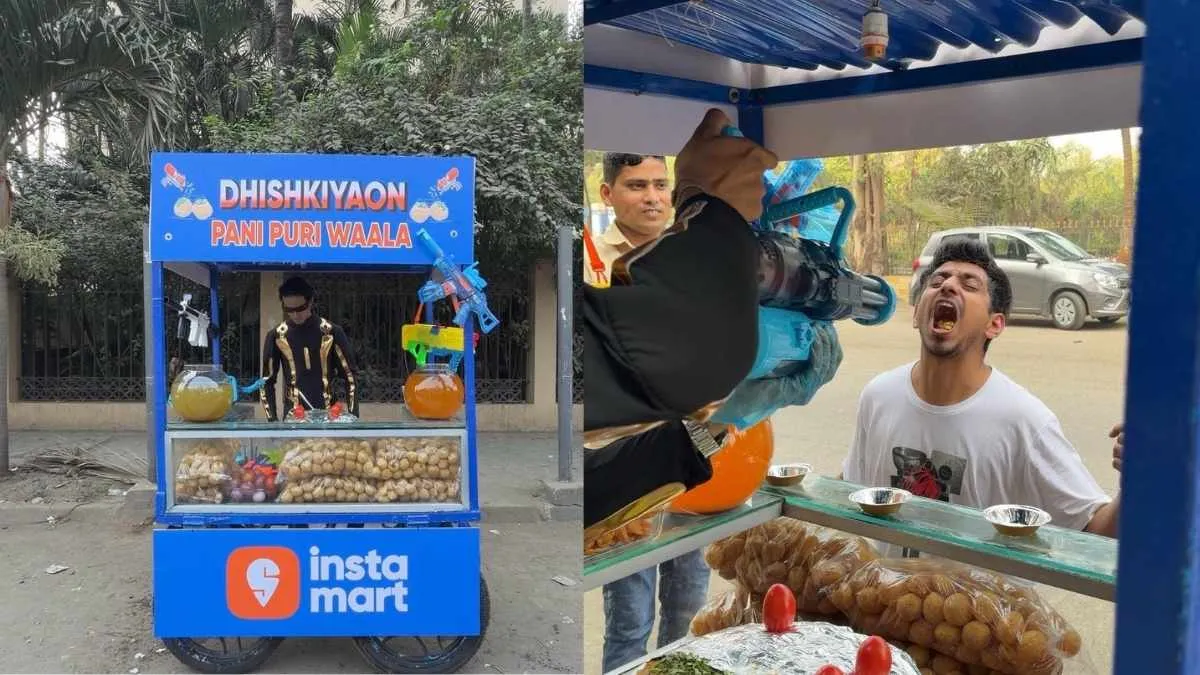
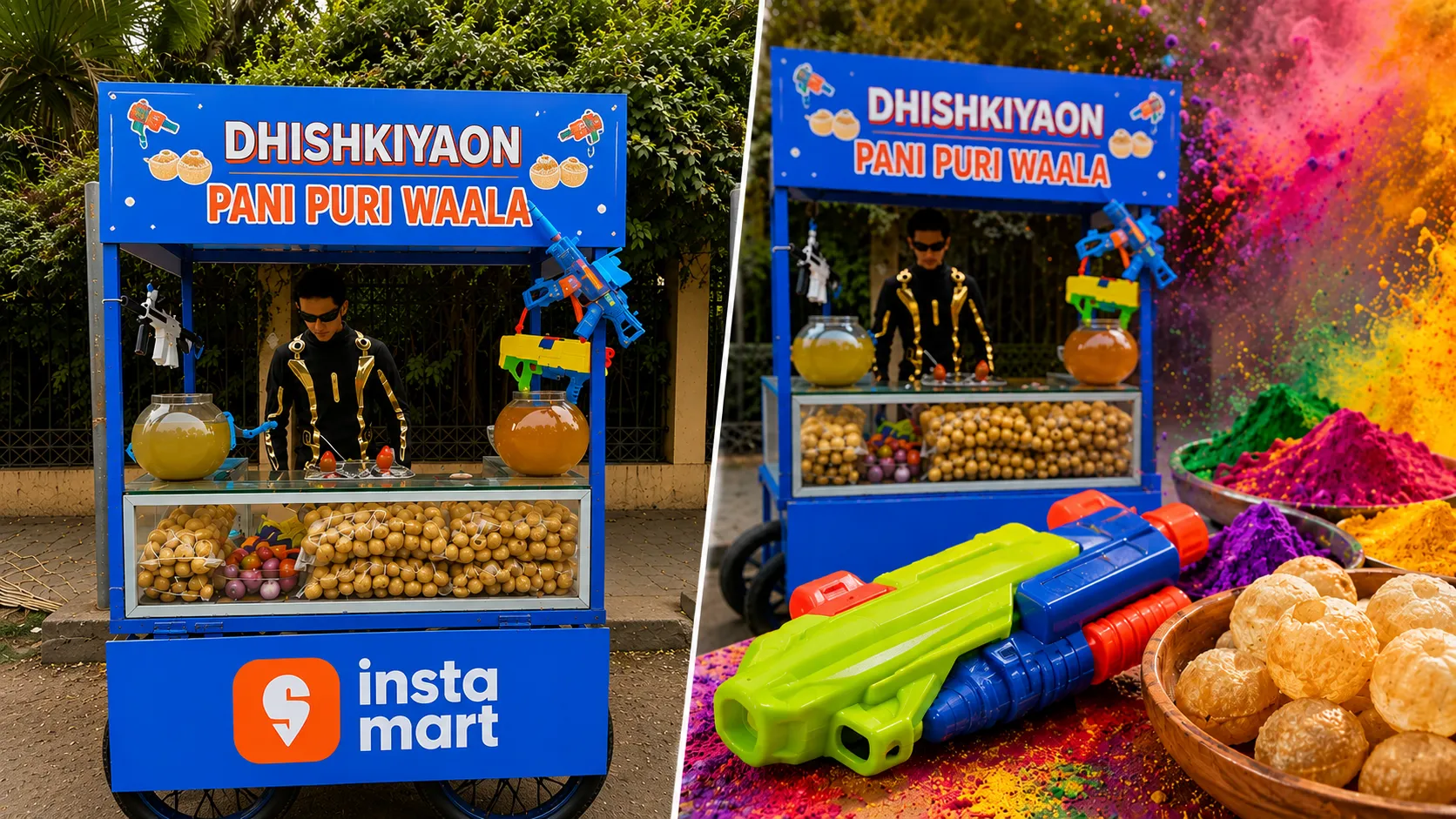
That broader shift became visible through one of the more unusual festive stories to emerge around Holi. During the festival period, Instamart introduced pani puri-shaped water guns, turning an everyday Indian street-food icon into an unexpected festive product. At first glance, the idea felt almost absurd — slightly funny, highly shareable and exactly the kind of product people initially stop scrolling for. Yet what happened next increasingly became more interesting. The company later revealed that searches and demand around the item reportedly surged dramatically, contributing to a 36x sales spike and creating one of the platform’s most talked-about seasonal moments.
Viewed independently, a pani puri water gun may initially appear like another clever internet product destined to disappear once the festival ended. Viewed through a broader impact lens, however, it increasingly raises a larger question: why are unusual products increasingly outperforming traditional campaigns?
Historically, products frequently sold because they solved visible needs. Marketing often focused on functionality because purchasing decisions frequently depended upon utility, price and awareness. Consumers frequently bought products because they needed them.
Increasingly, however, digital environments appear operating differently. Products increasingly continue functioning as content. Purchases increasingly become participation. Consumers increasingly share things not simply because they are useful but because they are surprising, amusing or culturally recognizable. A pani puri water gun was never simply a Holi accessory. It became a conversation.
This transition increasingly matters because attention itself now frequently behaves differently. Historically, advertisements interrupted people. Increasingly, products themselves increasingly appear becoming the advertisement. A strange item, a culturally specific joke or a highly relatable product frequently creates stronger visibility because audiences voluntarily continue distributing it through conversations, reels and screenshots.
Another important dimension emerging beneath this story increasingly involves how deeply younger audiences respond to familiarity mixed with novelty. Pani puri itself already exists as a cultural symbol instantly recognizable across India. Holi already carries emotional and social meaning. Instamart did not create a new emotion; it unexpectedly collided two familiar experiences together.
That distinction increasingly matters because modern consumer culture frequently rewards combinations rather than invention alone. Brands increasingly seem succeeding not by creating entirely new worlds but by remixing existing cultural language in ways people instantly understand.
Perhaps that explains why this campaign increasingly feels larger than a festive sales story. Because beneath conversations involving a 36x sales spike ultimately exists another reality involving consumer behavior itself. In environments overloaded with products and promotions, people increasingly do not share what feels polished. They share what feels fun enough to send to someone else immediately.
The larger impact story therefore may not simply involve Instamart selling pani puri water guns during Holi. Increasingly, it may involve recognizing that modern commerce frequently operates through attention before transactions. Because in digital culture, products occasionally stop behaving like products.
And quietly begin behaving like stories.