The rise of India's direct-to-consumer economy has fundamentally changed how brands are built.
A decade ago, launching a consumer business often meant negotiating with distributors, securing retail shelf space and spending heavily on traditional advertising. The internet disrupted that model by allowing founders to reach consumers directly. Social media, digital payments and e-commerce platforms lowered barriers to entry and created opportunities for a new generation of entrepreneurs. Instead of relying on large retail networks, brands could build loyal communities online, gather customer feedback in real time and scale nationally with far less infrastructure than previous generations required.
As the D2C ecosystem expanded, certain cities emerged as natural hubs for consumer entrepreneurship.
Bengaluru became synonymous with technology startups, while Mumbai strengthened its position as a financial and media center. Yet when it came to building consumer brands, Delhi NCR quietly developed advantages that made it uniquely attractive. The region sits at the intersection of manufacturing networks, supply chains, retail expertise and affluent consumer markets. Founders building everything from beauty products and fashion labels to food brands and home goods increasingly discovered that Delhi NCR offered access to the resources required to scale consumer businesses quickly.
The numbers reflect this momentum.
According to startup ecosystem data, Delhi NCR has attracted more than $3.5 billion in D2C funding across 434 deals since 2015, making it India's largest hub for venture-backed consumer brands. The region has produced some of the country's most recognizable startup success stories and continues attracting entrepreneurs seeking to build the next generation of household brands. Investors have followed closely, recognizing that consumer demand, digital adoption and rising disposable incomes are creating long-term opportunities across multiple categories.
What makes the trend particularly significant is that it reflects a broader shift in India's economic story.
The country's startup ecosystem is no longer defined solely by software and technology services. Consumer brands are becoming major drivers of innovation, investment and employment. Delhi NCR has positioned itself at the center of that transformation.
Why Consumer Brands Thrive In Delhi NCR
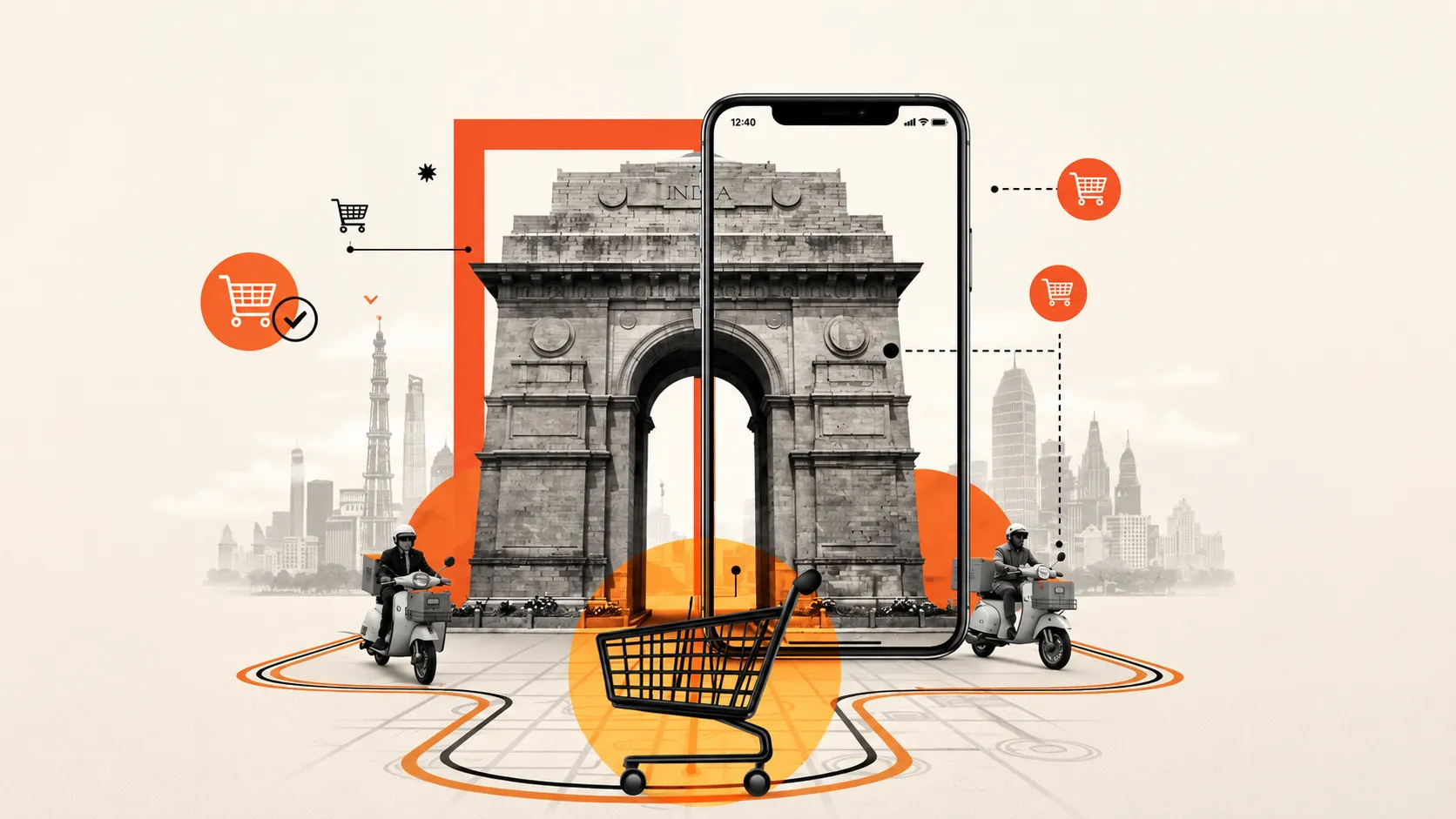
One of the biggest advantages Delhi NCR offers is proximity to consumers.
The region includes one of India's largest concentrations of middle-class and affluent households, providing brands with direct access to target audiences. For consumer companies, understanding customer preferences is often just as important as building products. Being close to large and diverse consumer markets allows founders to test concepts, gather feedback and refine offerings much faster than they could from a distance.
The region also benefits from strong commercial infrastructure.
Delhi NCR has long been home to trading businesses, wholesalers, retailers and supply-chain operators. This commercial DNA creates an ecosystem where expertise in sourcing, distribution and brand-building is readily available. Entrepreneurs can access manufacturing partners, logistics providers and experienced operators without having to build every capability from scratch. These advantages become increasingly valuable as businesses move beyond the early stages of growth.
Talent is another important factor.
As the startup ecosystem matured, experienced professionals from e-commerce, retail and consumer-goods companies began launching ventures of their own. Many brought deep knowledge of customer behavior, product development and digital marketing. This created a virtuous cycle where successful founders inspired the next generation of entrepreneurs, further strengthening the ecosystem.
The result is a region uniquely positioned to support consumer businesses.
And investors have taken notice.
The Rise Of India's Consumer Economy
The success of Delhi NCR's D2C ecosystem is closely tied to larger changes in Indian consumption.
Rising incomes, urbanization and increasing internet penetration have transformed purchasing behavior across the country. Consumers today are more willing to experiment with emerging brands than previous generations. They discover products through creators, social media and online communities rather than relying solely on traditional advertising. This shift has made it easier for startups to compete with established incumbents and capture market share.
Digital commerce has accelerated the trend.
Platforms such as marketplaces, quick-commerce services and social-commerce channels have dramatically expanded distribution opportunities. Brands can now reach customers nationwide without building extensive physical retail networks. This has allowed entrepreneurs to focus on product differentiation, customer engagement and brand storytelling rather than relying solely on scale advantages.
The growth of premium and niche categories has also created opportunities.
Consumers increasingly seek products aligned with their lifestyles, values and identities. Whether in beauty, nutrition, fashion or home goods, demand for specialized offerings continues growing. D2C brands often respond more quickly to these shifts than larger corporations, allowing them to capture emerging trends before they become mainstream.
Delhi NCR's ecosystem has benefited enormously from these developments.
Many of the country's fastest-growing consumer brands emerged precisely because they understood how these behaviors were changing.
Why Investors Continue Backing D2C
Consumer brands have become one of the most active areas of startup investing for a reason.
Unlike some technology categories that depend on future adoption, consumer businesses operate in markets where demand already exists. The challenge is capturing attention and building loyalty. Investors are increasingly attracted to founders who can create strong brands, develop repeat-purchase behavior and establish emotional connections with consumers.
The economics of modern brand-building have also evolved.
Digital channels provide greater visibility into customer acquisition, retention and lifetime value. Investors can evaluate performance more effectively than in previous generations of retail businesses. This transparency has helped increase confidence in venture-backed consumer companies and contributed to growing funding activity across the sector.
Delhi NCR has become one of the biggest beneficiaries of this trend.
The concentration of founders, investors and consumer expertise has created an environment where promising startups can raise capital more efficiently. Success stories attract additional investors, which in turn encourages more entrepreneurs to enter the ecosystem. Over time, this network effect strengthens the region's position as a leading startup hub.
The result is a self-reinforcing cycle of growth.
And it shows little sign of slowing down.
The Bigger Story
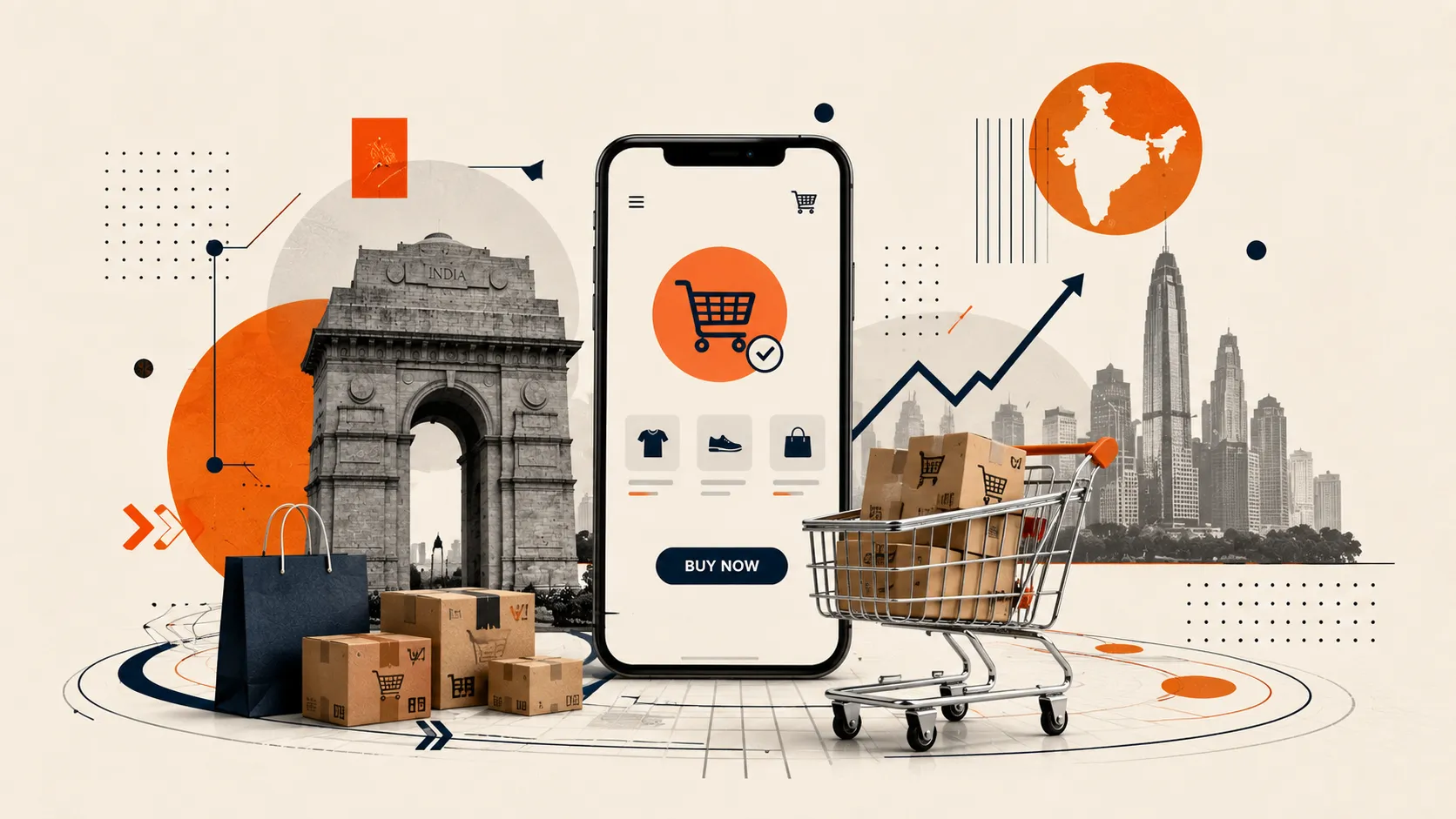
Viewed narrowly, Delhi NCR's $3.5 billion in D2C funding is an impressive investment statistic.
Viewed more broadly, it reflects how India's startup landscape is evolving beyond its traditional technology roots. Consumer brands are becoming major engines of innovation and economic activity, creating products designed specifically for the needs and aspirations of modern Indian consumers. The companies emerging from this ecosystem are not merely selling goods. They are shaping how brands are discovered, built and scaled in the digital age.
Delhi NCR has established itself as the center of this movement.Its combination of consumer demand, commercial infrastructure, entrepreneurial talent and investor interest has created one of the most powerful consumer-brand ecosystems in Asia. As India's consumption story continues unfolding, the region is likely to remain a critical launchpad for the next generation of household names.
Because the future of Indian entrepreneurship will not be built only through software.