ImpactHealthcare

How AI is Transforming Rural Healthcare in India

New Delhi: In India’s vast rural landscape, where access to quality healthcare has long been a challenge, artificial intelligence (AI) is emerging as a powerful tool to bridge the gap between patients and medical expertise. With limited availability of doctors, inadequate infrastructure, and long travel distances, millions of people in remote areas have historically struggled to receive timely diagnosis and treatment. Today, technology is beginning to change that narrative.

By Shyam · Senior Editor30 April 2026New
How AI is Transforming Rural Healthcare in India

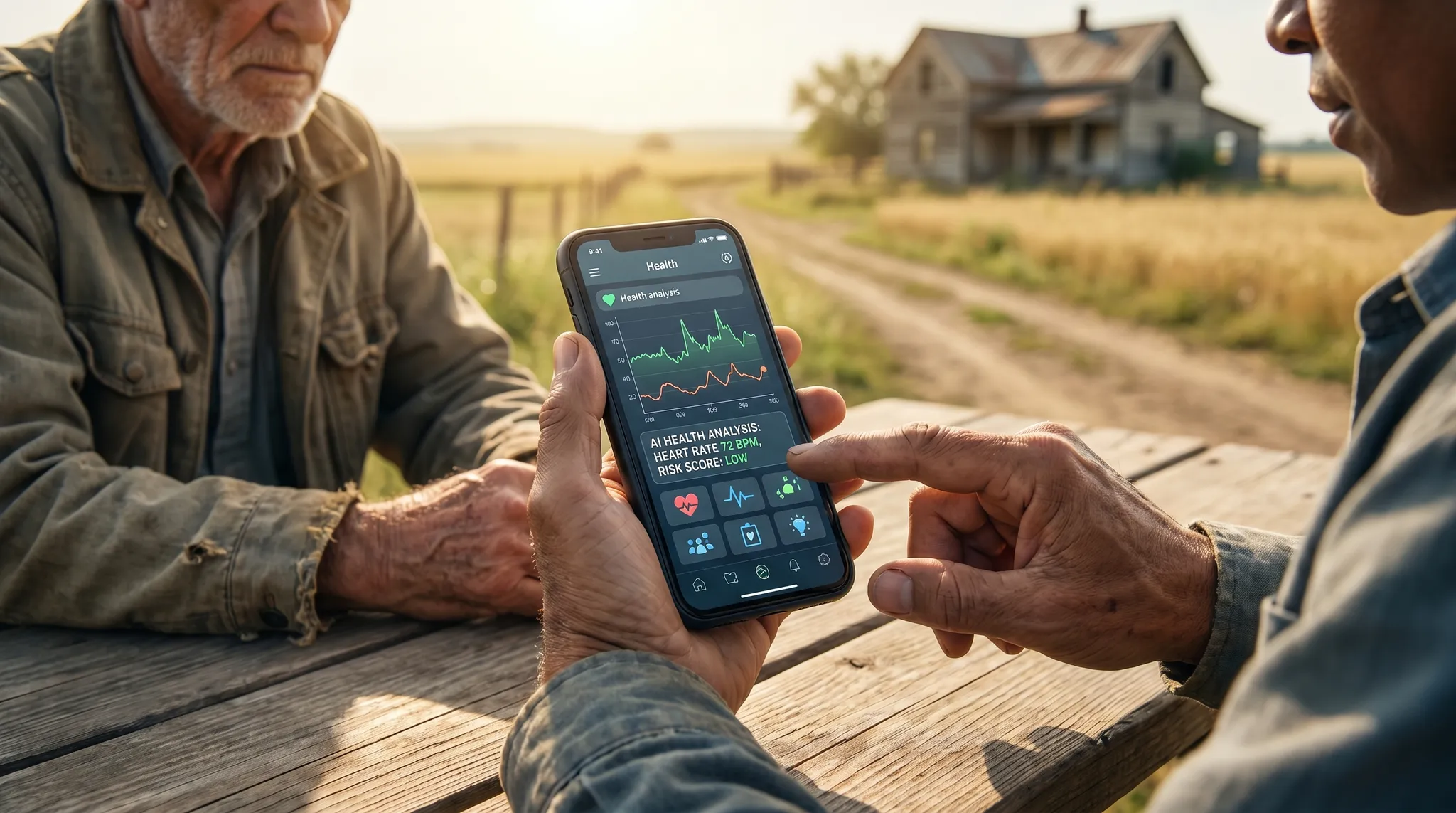
AI-powered diagnostic tools and mobile health platforms are enabling healthcare delivery at the grassroots level. Equipped with smartphones and portable devices, frontline health workers can now conduct basic screenings and instantly analyze patient data using AI algorithms. These tools are capable of detecting a range of conditions — from eye diseases and respiratory issues to chronic illnesses such as diabetes and cardiovascular disorders.

One of the most significant advantages of AI in rural healthcare is its ability to provide early detection. By identifying symptoms at an initial stage, these systems help prevent complications and reduce the burden on tertiary healthcare facilities. For patients, this means faster intervention and better chances of recovery.

In many villages, community health workers are becoming the backbone of this transformation. With minimal training, they can use AI-enabled applications to scan patients, capture medical data, and receive real-time insights or recommendations. In cases that require further attention, the data can be shared with doctors in urban centers, enabling remote consultations and reducing the need for physical travel.

This shift is particularly impactful in regions where accessing a hospital may involve traveling long distances, often at significant cost and time. By bringing healthcare closer to communities, AI is helping reduce out-of-pocket expenses and ensuring that patients receive timely care without delays.
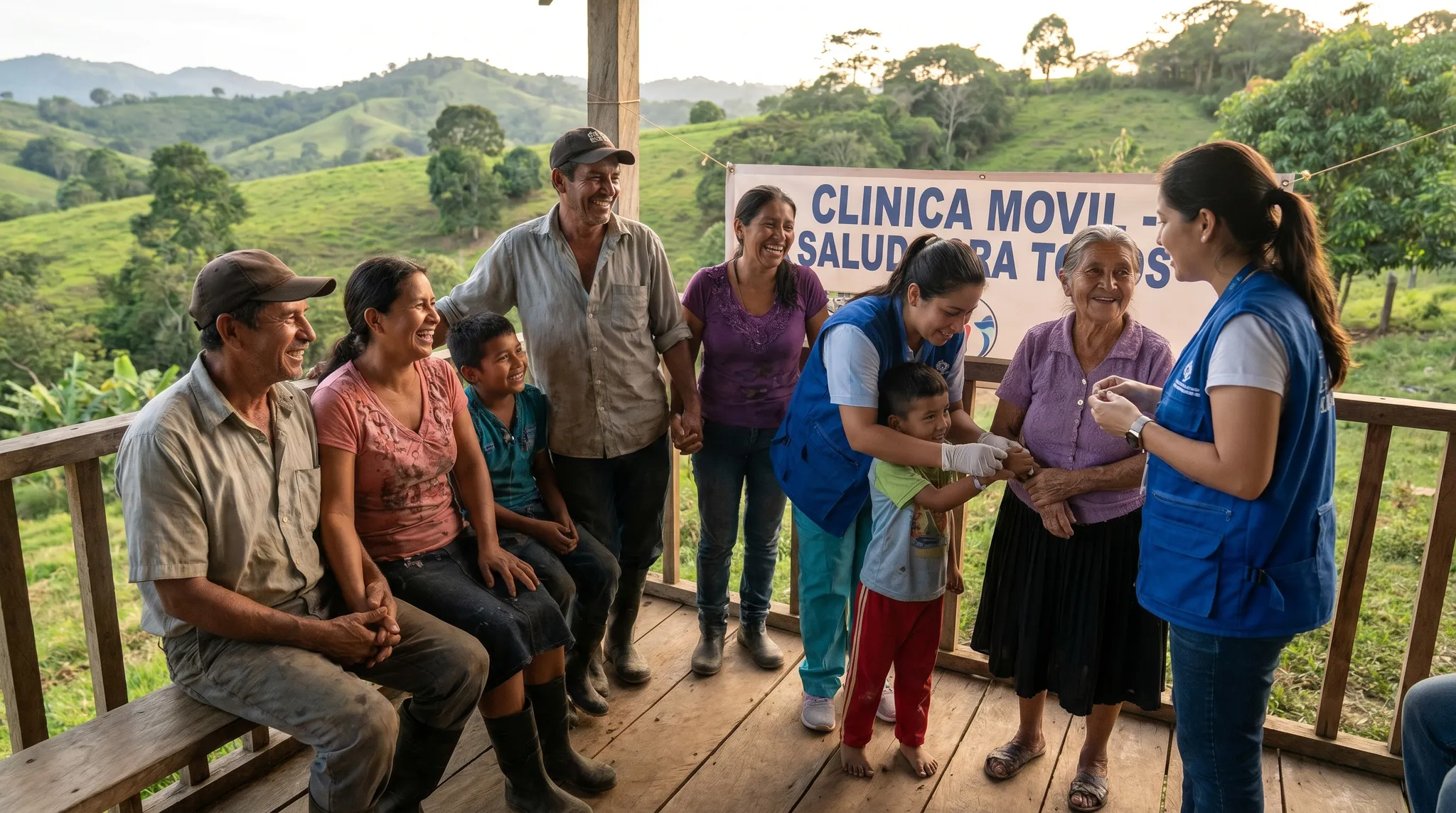

AI is not just enhancing healthcare — it is bringing life-saving medical access to the most underserved communities.
Healthcare

Beyond diagnostics, AI is also playing a role in health monitoring and awareness. Mobile platforms can track patient health over time, send reminders for medication, and provide educational content about preventive care. This is contributing to improved health outcomes and greater awareness among rural populations.

smiling_rural_family_receiving_healthcare_202604292349.jpeg

Government initiatives and private sector collaborations are further accelerating the adoption of AI in rural healthcare. Pilot programs and digital health missions are integrating AI tools into existing healthcare systems, aiming to scale these solutions across the country.

However, challenges remain. Issues such as internet connectivity, data privacy, and the need for localized solutions must be addressed to ensure widespread adoption. Additionally, building trust among communities and ensuring proper training for healthcare workers are critical for long-term success.

Despite these hurdles, experts believe that AI has the potential to fundamentally transform rural healthcare in India. By combining technology with human effort, the country is moving toward a more inclusive and accessible healthcare system.

TagsArtificial IntelligenceRural HealthcareHealthcare InnovationDigital HealthTelemedicineIndiaMedical TechnologySocial ImpactHealthTechAccessibility

Reader reviews

Sign in to rate and review this article.
Loading reviews…