Diagnostics Revolution
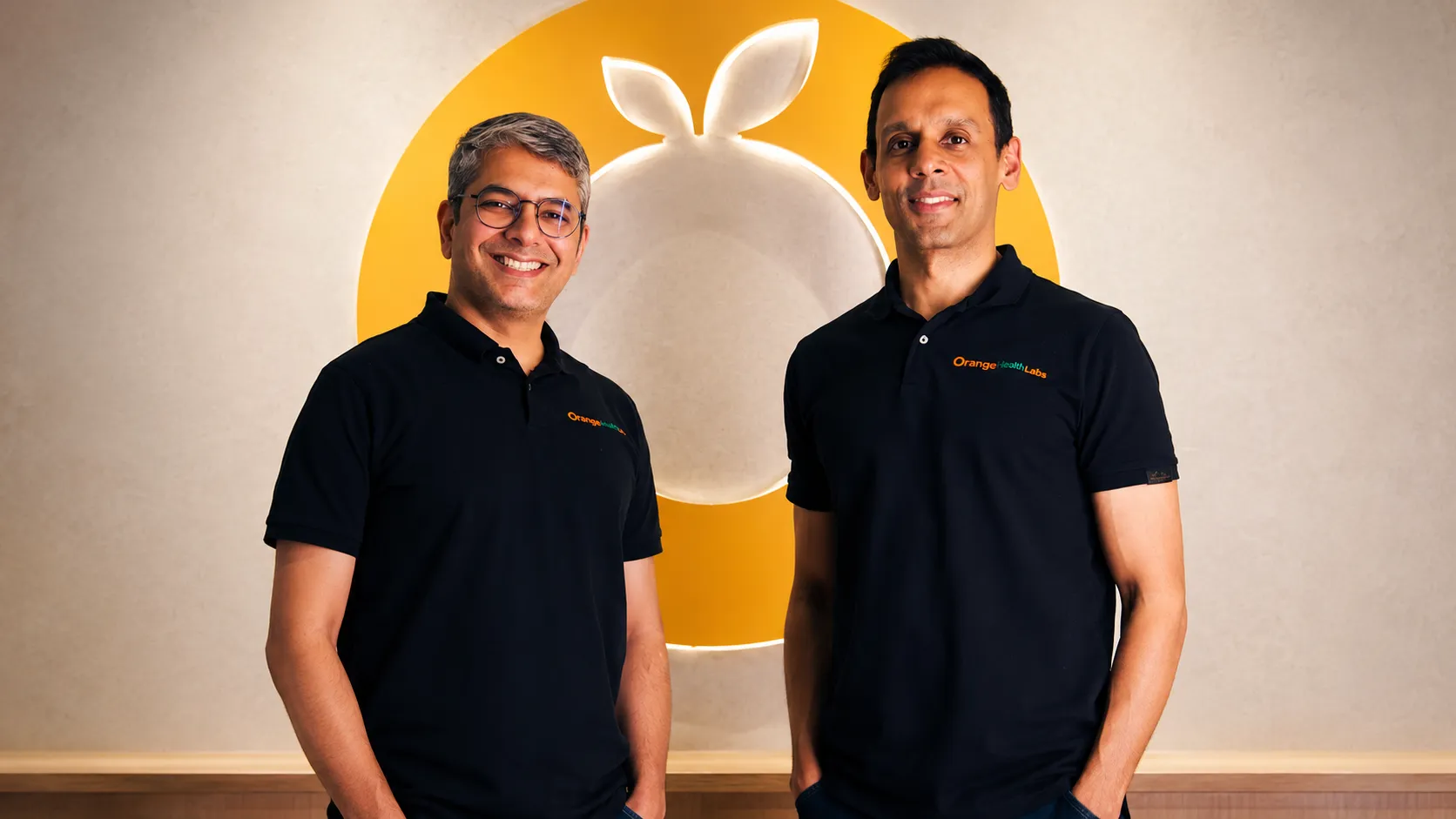
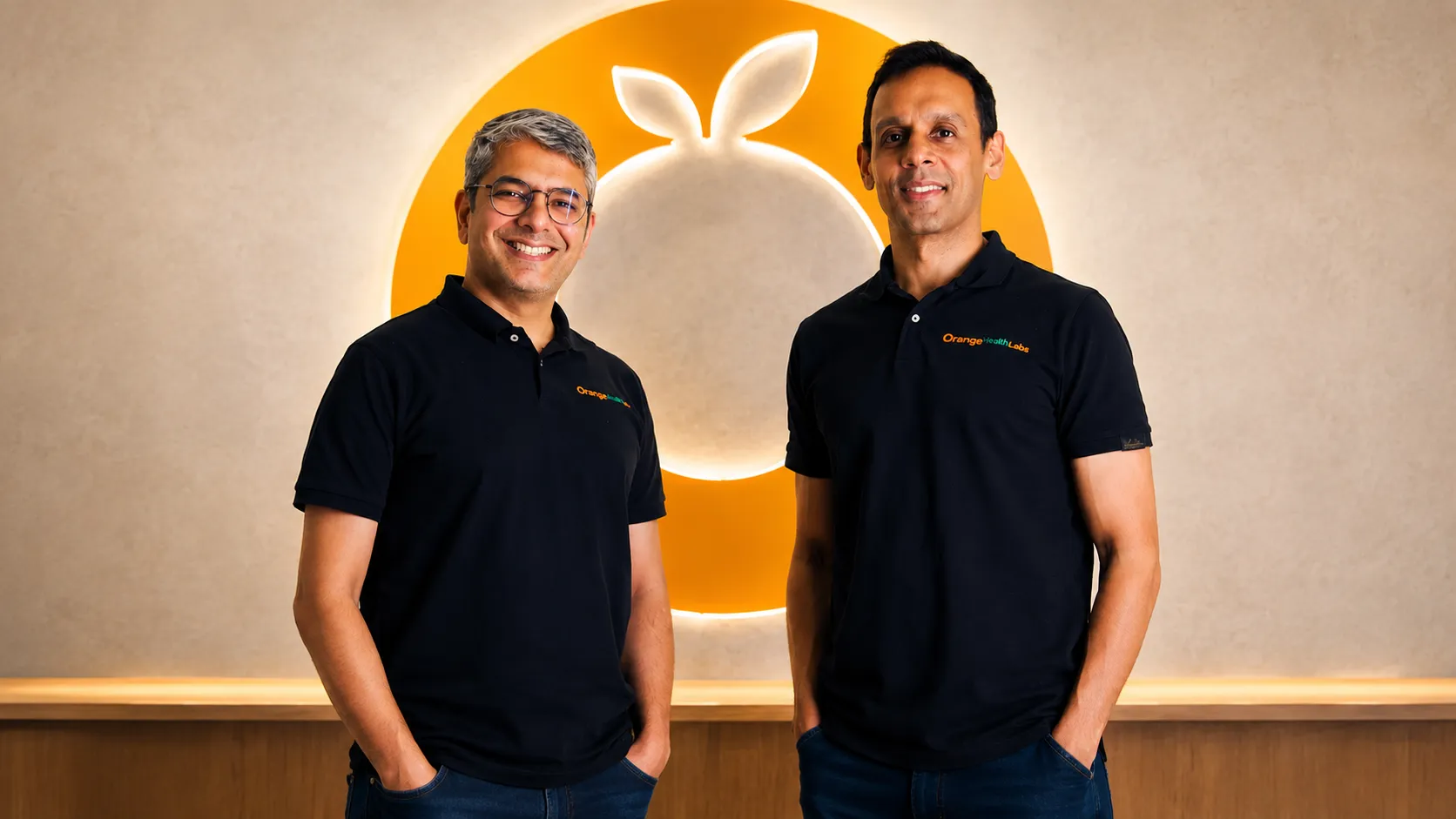
The traditional diagnostic experience in India has been predictable: wake up early, travel to a crowded lab, wait in line, get blood drawn, and wait days for results. That model is being systematically dismantled. Orange Health Labs, founded by Dhruv Gupta and Tarun Bhambra, has been at the forefront, offering at-home sample collection in under 60 minutes and delivering reports in as little as six hours.
The startup has expanded from Bengaluru to six major metros, including Delhi, Mumbai, and Hyderabad, and now serves over 450 pin codes. Its growth has been accelerated by a strategic partnership with Amazon, which launched Amazon Diagnostics in 2025 using Orange Health's infrastructure, allowing customers to book over 800 diagnostic tests directly through the Amazon app.
But Orange Health is not the only player. Ultrahuman's Blood Vision service, in partnership with Tata 1mg, now covers over 60 cities and 2,000+ pin codes. The service offers clinical-grade testing with doorstep sample collection and AI-driven insights through its Vision Cloud platform, which interprets blood test results for free.
The broader structural shift is significant. India's immersive technology sector is projected to grow at a CAGR of around 30% through 2030, and home diagnostics is a key part of this wave. Amazon's Category Leader Jayaramakrishnan Balasubramanian confirmed the service is "unique to this region", stating that it completes Amazon's integrated healthcare vision by uniting teleconsultation, pharmacy, and testing in one interface.
JivaScope: The Pocket-Sized Doctor
While services like Orange Health and Blood Vision are bringing clinical labs to homes, another innovation is eliminating the need for labs altogether. Tunir Sahoo, a Kolkata-based inventor, has developed JivaScope, a pocket-sized, AI-powered device that allows anyone to self-screen for heart and lung diseases in minutes. The device requires no doctor, internet, or electricity, making it ideal for rural and low-resource settings.
Sahoo was inspired during field visits to rural Bihar, where patients would wait days for basic chest exams, and one doctor served thousands. “Many cases of asthma, pneumonia, or heart failure were being missed due to the lack of reliable screening tools,” he recalled. JivaScope was designed to fill that gap.
Sahoo was named India's national winner of the James Dyson Award 2025, receiving INR 6 lakh for clinical trials and patents. His vision is clear: make early, accessible healthcare a reality for millions.
“Winning the James Dyson Award feels truly humbling… This recognition validates the vision behind JivaScope and gives me a platform to make early, accessible healthcare a reality for millions,” he said.
The 145% Salary Jump: Women Win in AI
While home diagnostics is changing healthcare access, a parallel revolution is unfolding in the workforce. Scaler's India AI Workforce Report 2026, based on insights from 11,444 professionals, reveals that women are among the biggest winners in the AI transformation.
The numbers are remarkable. Women transitioning into AI-enabled careers report an average salary hike of 145%. Among them, female QA engineers recorded the sharpest gains, with salaries jumping by 574%. "AI is creating new pathways to opportunity, accelerating career growth, and enabling professionals to command a stronger compensation outcome," said Abhimanyu Saxena, Co-founder of Scaler.
The shift reflects a broader democratisation of AI. Nearly 25% of AI learners now come from non-technical backgrounds. AI is no longer confined to engineering; it is becoming a core capability across HR, academia, marketing, finance, and consulting. Almost 50% of AI-enabled career outcomes now lie beyond traditional engineering roles. This is particularly significant for women, who are expanding AI's footprint into functions where they have historically been underrepresented. One in five AI learners now comes from Tier-II cities like Lucknow, Jaipur, Patna, and Indore, signalling that the AI talent pool is spreading beyond metros.
Early-career professionals reported the highest percentage gains—155%—while experienced leaders captured the highest absolute pay, with VPs and CXOs averaging ₹33 lakh per annum. AI is emerging as a powerful equaliser, turning into a workforce-wide capability rather than a specialised skill.
The Bottom Line
Two different revolutions are reshaping India's landscape. In healthcare, the bar for access and speed is being raised. Startups like Orange Health and Ultrahuman are making diagnostics a matter of minutes rather than days. Innovators like Tunir Sahoo are removing the need for lab infrastructure, putting clinical-grade screening into the pockets of rural patients. In the workforce, AI is rewriting career trajectories. Women are not just participating in the AI wave—they are seeing their salaries surge by 145% as they do so. Non-tech professionals and talent from smaller cities are entering the field, signalling a shift towards a more inclusive knowledge economy. The trend is unmistakable: the future is becoming faster, smarter, and more equitable.