A Public-Health Story Emerging From Himachal Pradesh Is Beginning To Reflect A Larger Shift In How Social Change Happens
For decades, public-health campaigns frequently followed a familiar structure. Governments introduced policies, institutions created awareness programs and healthcare systems designed interventions intended to influence behavior through education and outreach. Young people often appeared within these efforts primarily as audiences expected to receive information and adapt accordingly. Campaigns were frequently designed for students and adolescents rather than with them. Their role often remained passive within systems where institutions shaped messages and communities received them.
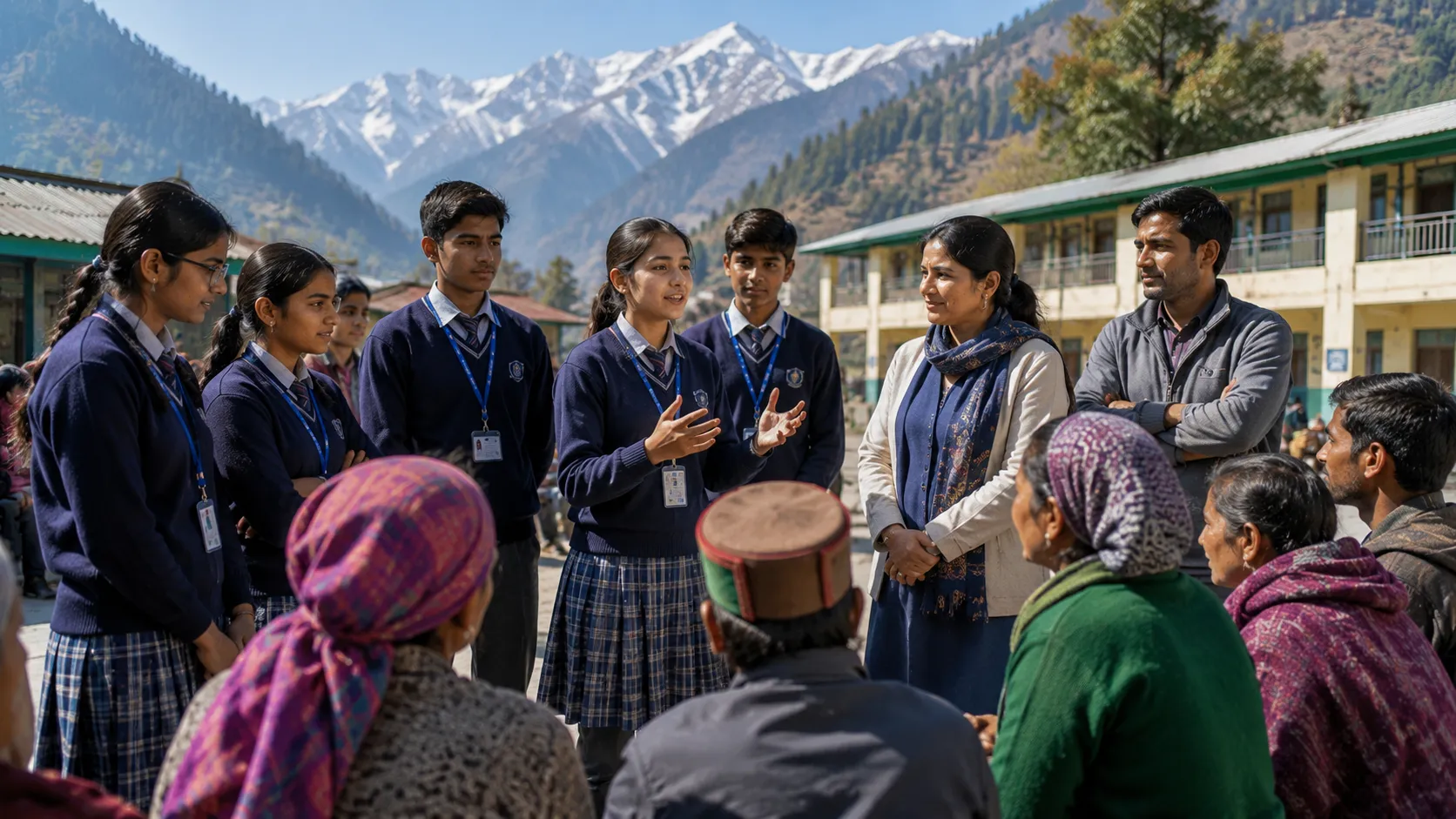
Across parts of India, however, that structure increasingly appears to be evolving. Recent developments emerging from Himachal Pradesh’s anti-tobacco initiatives increasingly suggest a different model of public-health engagement where young people themselves are becoming active participants rather than simply recipients of awareness messaging. Through the state’s Tobacco-Free Educational Institutions initiative and broader tobacco-control efforts, schools and student communities increasingly appear integrated into larger public-health activities involving awareness building, participation and behavioral engagement. Rather than treating younger populations solely as groups requiring intervention, these programs increasingly seem interested in positioning them as contributors capable of influencing larger community environments.
Reports surrounding Himachal Pradesh’s tobacco-control activities increasingly highlight awareness initiatives involving schools, educational environments and youth-centered participation efforts designed around strengthening anti-tobacco messaging across communities. Viewed independently, the initiative may initially resemble another awareness campaign. Viewed through a broader social-impact lens, however, it increasingly reflects changing assumptions surrounding how long-term behavioral change actually happens. Public-health systems increasingly appear recognizing that information alone frequently creates awareness but participation often creates ownership.
Public Health Increasingly Appears To Be Moving Beyond Awareness Toward Community Ownership
For years, anti-tobacco campaigns across multiple countries often centered around communication itself. Public-service messaging, educational material and health warnings frequently attempted to influence behavior through information-driven strategies. These approaches undoubtedly played important roles and contributed significantly toward increasing awareness around tobacco-related risks. Over time, however, public-health researchers increasingly encountered a familiar challenge involving awareness itself.
People frequently understand risks without necessarily changing behavior.
This distinction gradually encouraged public-health systems globally to explore broader approaches capable of influencing environments rather than individual decisions alone. Increasingly, discussions surrounding long-term health outcomes expanded beyond communication and moved toward ideas involving community ownership, peer influence and social participation capable of shaping everyday norms.
The significance of youth involvement increasingly emerges inside this broader context. Young people frequently occupy influential positions within schools, neighborhoods and family networks where conversations spread organically through routine interaction. Their influence often extends beyond formal environments and enters everyday social spaces where attitudes and habits frequently begin forming. Schools themselves frequently become environments where social expectations and behaviors quietly evolve over time.
Himachal Pradesh’s approach increasingly appears connected to this broader understanding. Reports surrounding school-centered tobacco initiatives increasingly suggest efforts extending beyond delivering information alone and moving toward environments where students actively participate inside larger health conversations. Rather than functioning solely as observers or recipients, youth increasingly appear positioned as visible stakeholders capable of influencing broader community environments through participation itself.
Schools Increasingly Appear To Be Functioning As Public-Health Ecosystems
Another important dimension surrounding these initiatives increasingly involves changing assumptions regarding educational institutions themselves. Historically, schools frequently operated primarily as environments associated with academic learning and formal instruction. Increasingly, however, educational spaces appear functioning as broader social ecosystems where conversations involving health, wellbeing and community engagement increasingly intersect.
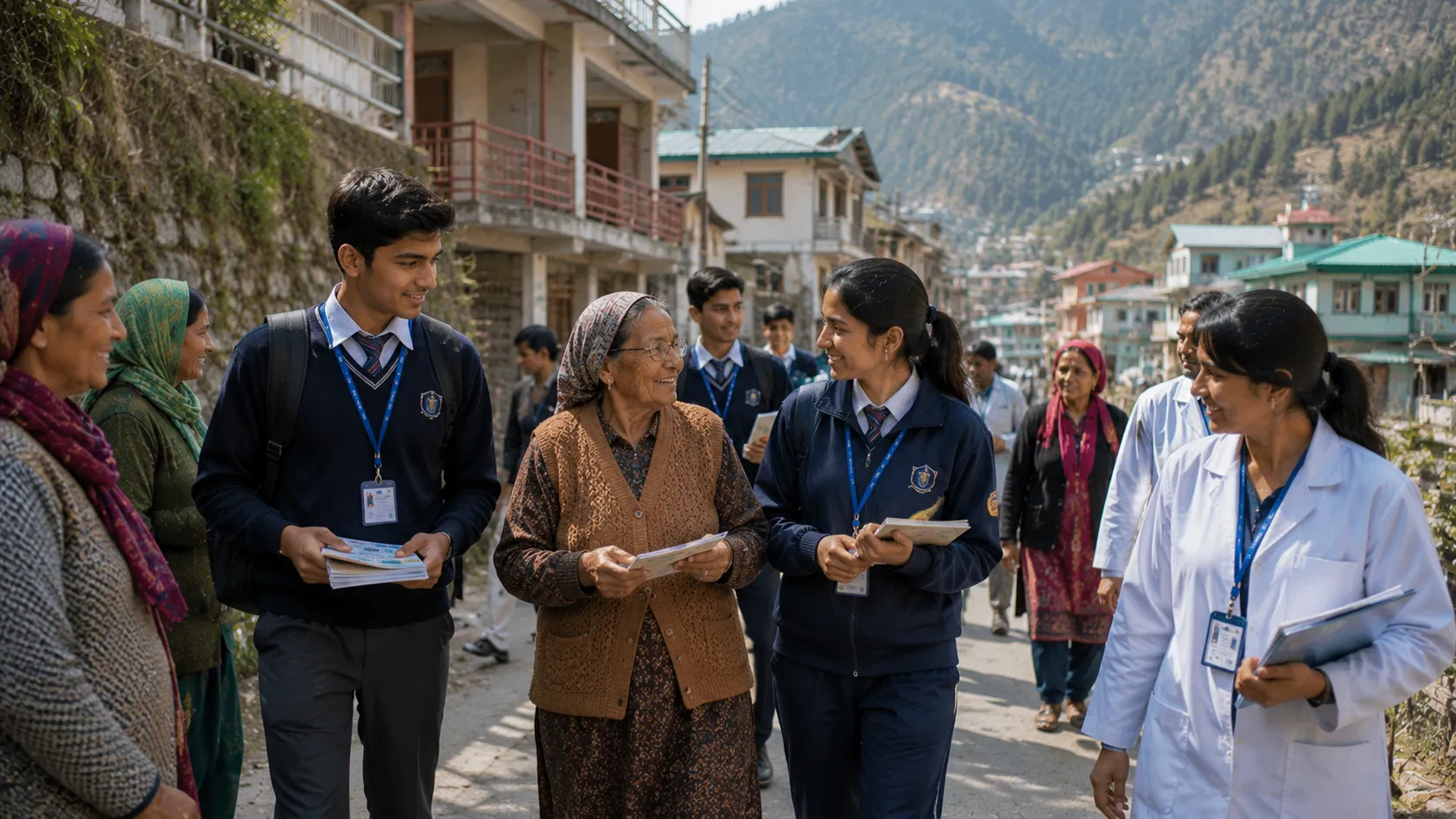
Across multiple regions globally, schools increasingly participate within larger discussions involving nutrition, mental health, preventive care and behavioral development. Public-health systems increasingly recognize that educational environments frequently provide opportunities capable of influencing habits during highly formative stages of life. Because students spend significant portions of their lives inside these spaces, schools frequently become environments where ideas and behaviors spread gradually through repeated interaction.
Within Himachal Pradesh, tobacco-control initiatives increasingly appear aligned with this broader philosophy. Tobacco-Free Educational Institution programs frequently involve awareness activities, school-level participation and institutional guidelines designed around creating healthier environments. Reports suggest schools increasingly function not simply as places where information is delivered but also as environments where public-health participation itself becomes visible and integrated into everyday institutional life.
The broader significance surrounding these developments increasingly extends beyond tobacco awareness itself because educational environments frequently influence social norms long before larger institutions recognize visible change taking place.
Youth Participation Increasingly Appears To Be Reshaping Public-Health Thinking
Part of the broader significance surrounding initiatives such as Himachal Pradesh’s tobacco-control campaign involves changing assumptions around how public-health systems define participation itself. Historically, young people frequently appeared within policy conversations through frameworks centered around vulnerability and protection. Public-health discussions often focused on shielding adolescents from risk factors and reducing exposure to harmful behaviors. While these priorities remain important, newer approaches increasingly seem to be expanding the conversation beyond prevention alone and asking a different question: what role can young people actively play inside larger health ecosystems?
Across multiple sectors globally, younger communities increasingly appear not simply as audiences but as visible participants influencing social outcomes directly. Climate campaigns, civic movements, education initiatives and community-development programs increasingly demonstrate that younger populations often contribute meaningfully when institutions create structures allowing participation rather than passive involvement. Public-health systems increasingly appear to be recognizing similar possibilities. Schools, local communities and peer environments often represent spaces where conversations travel differently than they do through institutional messaging. Young people frequently influence one another through everyday interactions, shared experiences and social networks that traditional awareness campaigns often struggle to replicate.
This shift matters because social behavior itself rarely changes through information alone. People frequently modify habits through environments, relationships and cultural expectations developing gradually over time. Public-health systems increasingly appear to recognize that long-term outcomes often improve when communities themselves become participants inside change processes rather than recipients standing outside them. Initiatives involving youth participation therefore increasingly seem to create something larger than awareness itself. They create ownership. And ownership frequently changes how communities engage with health systems over long periods.
The Larger Story Increasingly Extends Beyond Tobacco Control Alone
The broader significance surrounding Himachal Pradesh’s campaign may ultimately involve what it reveals about how public-health systems themselves are gradually evolving. Historically, healthcare conversations often centered heavily around hospitals, treatment environments and institutional interventions designed around responding to problems after they became visible. Increasingly, however, healthcare thinking appears expanding toward earlier stages involving prevention, community engagement and broader social environments capable of shaping outcomes before formal intervention becomes necessary.
Behavioral patterns frequently develop through everyday systems operating quietly in the background. Schools influence habits. Peer networks influence decisions. Families influence attitudes. Communities often shape norms in ways that formal institutions alone frequently cannot replicate. Public-health outcomes therefore increasingly appear connected not simply to healthcare systems themselves but also to the environments within which people learn, interact and participate daily.
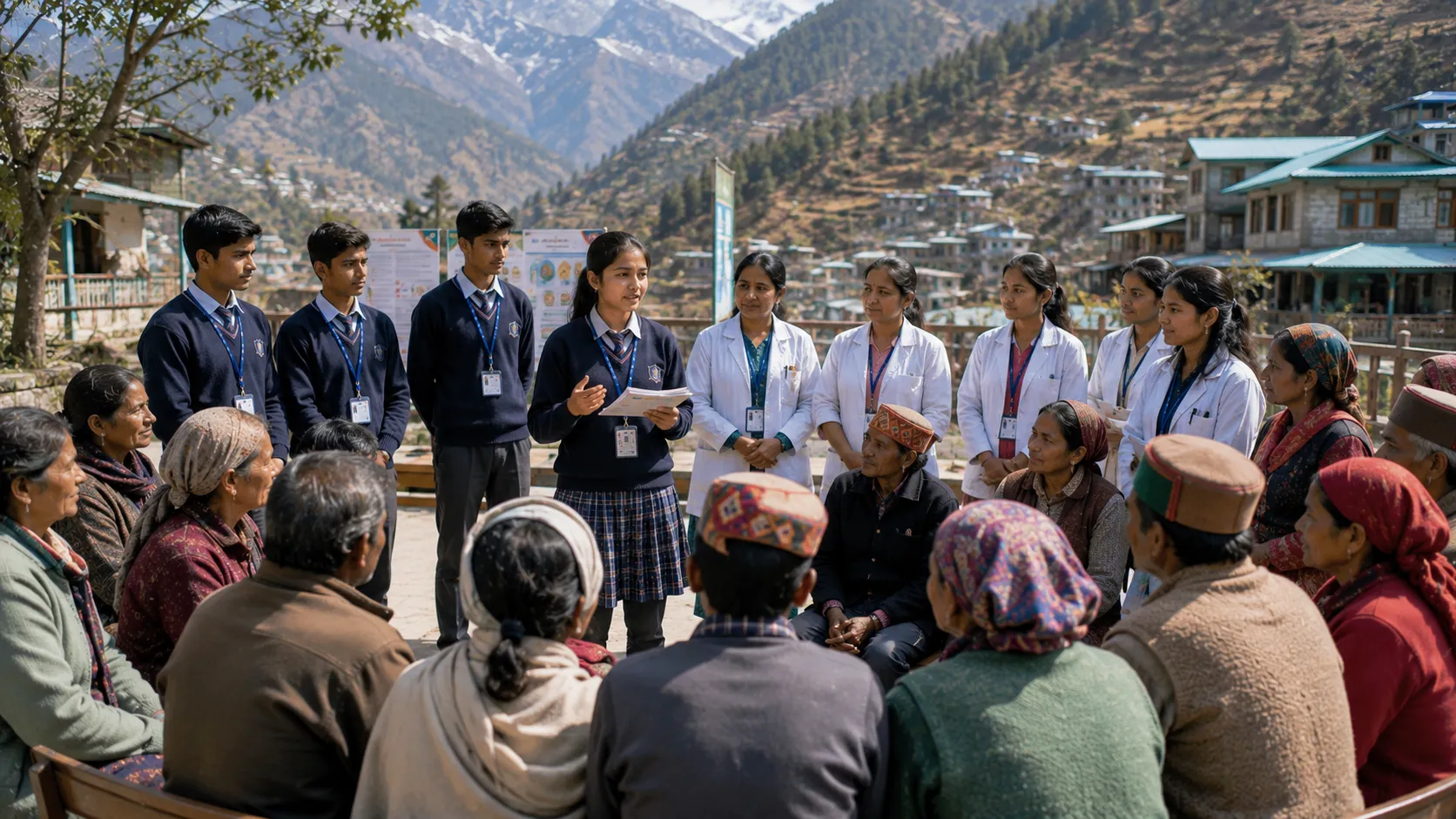
Viewed through that broader lens, Himachal Pradesh’s tobacco-control initiative increasingly appears connected to larger conversations extending far beyond smoking prevention alone. The campaign increasingly raises questions involving how future public-health systems may function and who communities increasingly view as participants inside those systems. Rather than depending exclusively on institutional structures, future public-health environments increasingly appear likely to involve schools, local ecosystems and younger populations operating as visible partners capable of influencing outcomes from within communities themselves.
The larger impact story therefore may not simply involve reducing tobacco consumption rates. Increasingly, it may involve recognizing that some of the most important public-health infrastructure does not always emerge through hospitals, regulations or awareness campaigns alone. Sometimes it develops through participation structures capable of creating shared responsibility around health itself. And increasingly, young people appear positioned much closer to the center of that story than many institutions historically assumed.