Healthcare Technology Is Beginning To Expand Beyond Traditional Clinical Spaces
For decades, healthcare innovation often followed a familiar pattern. Major breakthroughs typically emerged inside hospitals, research laboratories and specialized medical institutions before gradually reaching patients. New technologies frequently entered healthcare environments through large systems involving diagnostic equipment, surgical tools or advanced treatment infrastructure. Hospitals remained central not only to care delivery but also to technological experimentation itself. Increasingly, however, that structure appears to be changing.
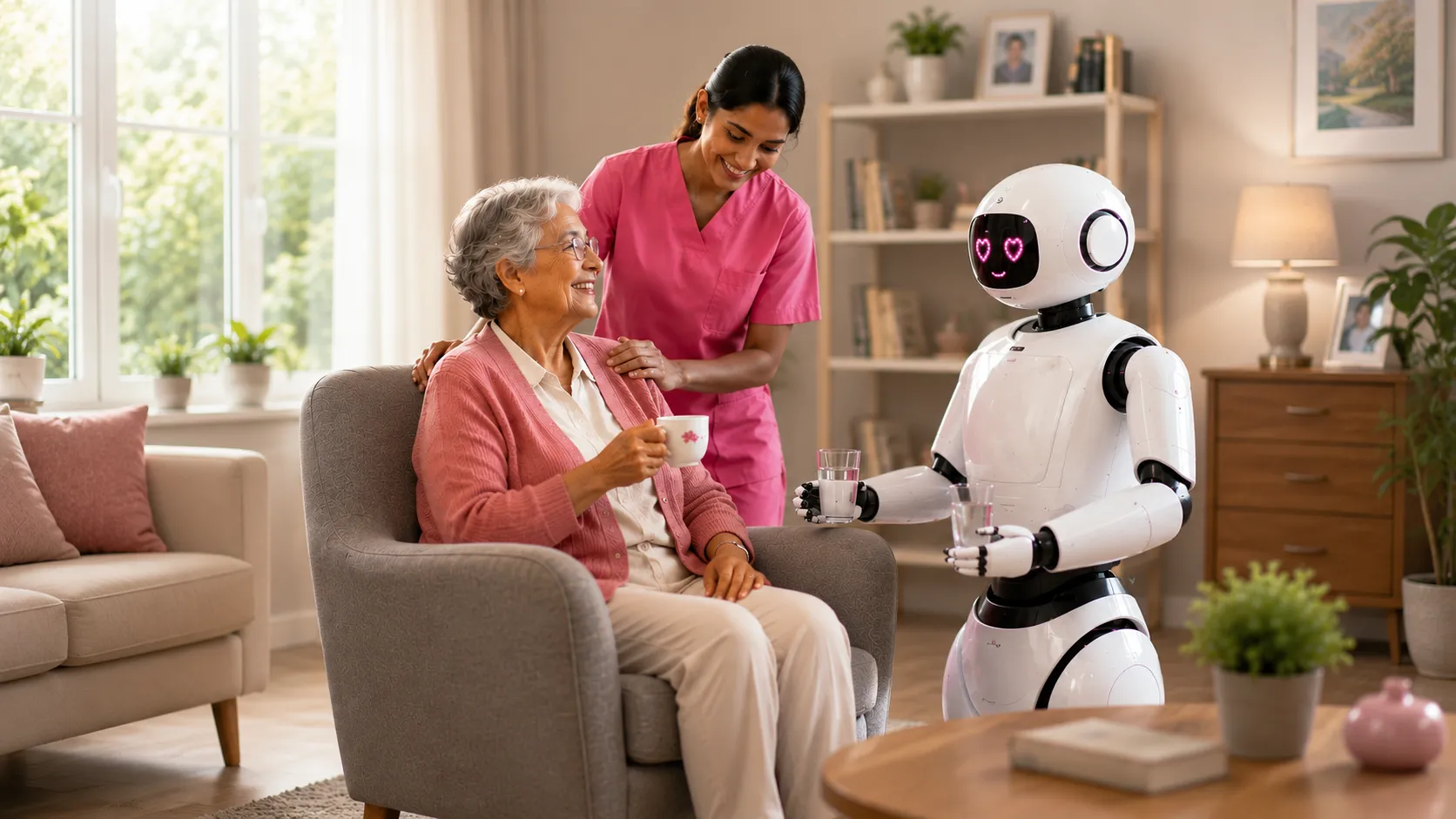
A broader shift is beginning to take shape across healthcare ecosystems worldwide. Robotics and intelligent systems are gradually moving beyond operating rooms and specialized clinical environments and entering spaces much closer to everyday life. What was once viewed primarily as high-end medical technology increasingly appears to be evolving into tools capable of supporting routine care, rehabilitation, elderly assistance and home-based health environments. The larger story may not simply involve robots entering healthcare. It may involve healthcare itself expanding beyond hospitals and becoming more integrated into everyday systems.
Recent developments across global healthcare ecosystems increasingly support this transition. Robotics companies, healthcare technology startups and research institutions continue introducing systems designed around caregiving assistance, rehabilitation support and AI-enabled monitoring environments. Hospitals may remain important, but innovation increasingly appears to be extending into homes, assisted living systems and community care environments.
Demographic Pressures Are Quietly Reshaping Healthcare Priorities
Part of the momentum behind robotics in healthcare stems from broader demographic and structural realities affecting healthcare systems worldwide. Populations across multiple countries continue aging rapidly. Simultaneously, healthcare systems increasingly face workforce shortages, rising operational complexity and growing pressure around long-term care requirements.
These challenges are creating environments where traditional healthcare structures frequently encounter limitations. Hospitals and clinics remain designed around episodic care models where treatment often occurs after medical needs emerge. Yet healthcare increasingly appears to be shifting toward models emphasizing continuous support and preventive engagement.
This distinction matters because many healthcare needs occur outside hospital environments altogether. Elderly individuals frequently require assistance with mobility, medication routines and daily activities. Rehabilitation patients often continue recovery processes after leaving formal care settings. Families increasingly manage long-term conditions inside homes rather than clinical environments.
Robotics increasingly enters this conversation because intelligent systems potentially provide support extending beyond traditional medical interventions. Rather than replacing physicians or caregivers, many emerging technologies increasingly focus on augmenting care environments and improving everyday assistance.
Robotics Is Beginning To Move From Specialized Equipment To Everyday Assistance
Historically, healthcare robotics often remained concentrated around highly specialized environments. Surgical robots represented one of the earliest visible examples. Systems capable of supporting precision procedures transformed multiple medical categories and demonstrated how technology could enhance clinical capability.
Today, however, robotics increasingly appears to be evolving toward broader applications.
Across multiple markets, robotics systems are being developed to support patient movement, monitor health indicators and assist with repetitive caregiving activities. Japan, which continues confronting significant aging-population challenges, increasingly expanded experimentation involving care-support robots within elderly assistance environments. Robotics systems designed to help with lifting support, companionship functions and mobility assistance increasingly became part of broader healthcare discussions.
The significance of these developments extends beyond hardware itself. Many newer systems increasingly integrate artificial intelligence, sensor environments and predictive capabilities capable of understanding behavioral patterns and adapting interactions over time.
This creates possibilities where technology becomes more responsive and personalized.Healthcare increasingly appears interested not only in treatment systems but also in support systems.
Home Healthcare Is Becoming A Larger Technology Opportunity
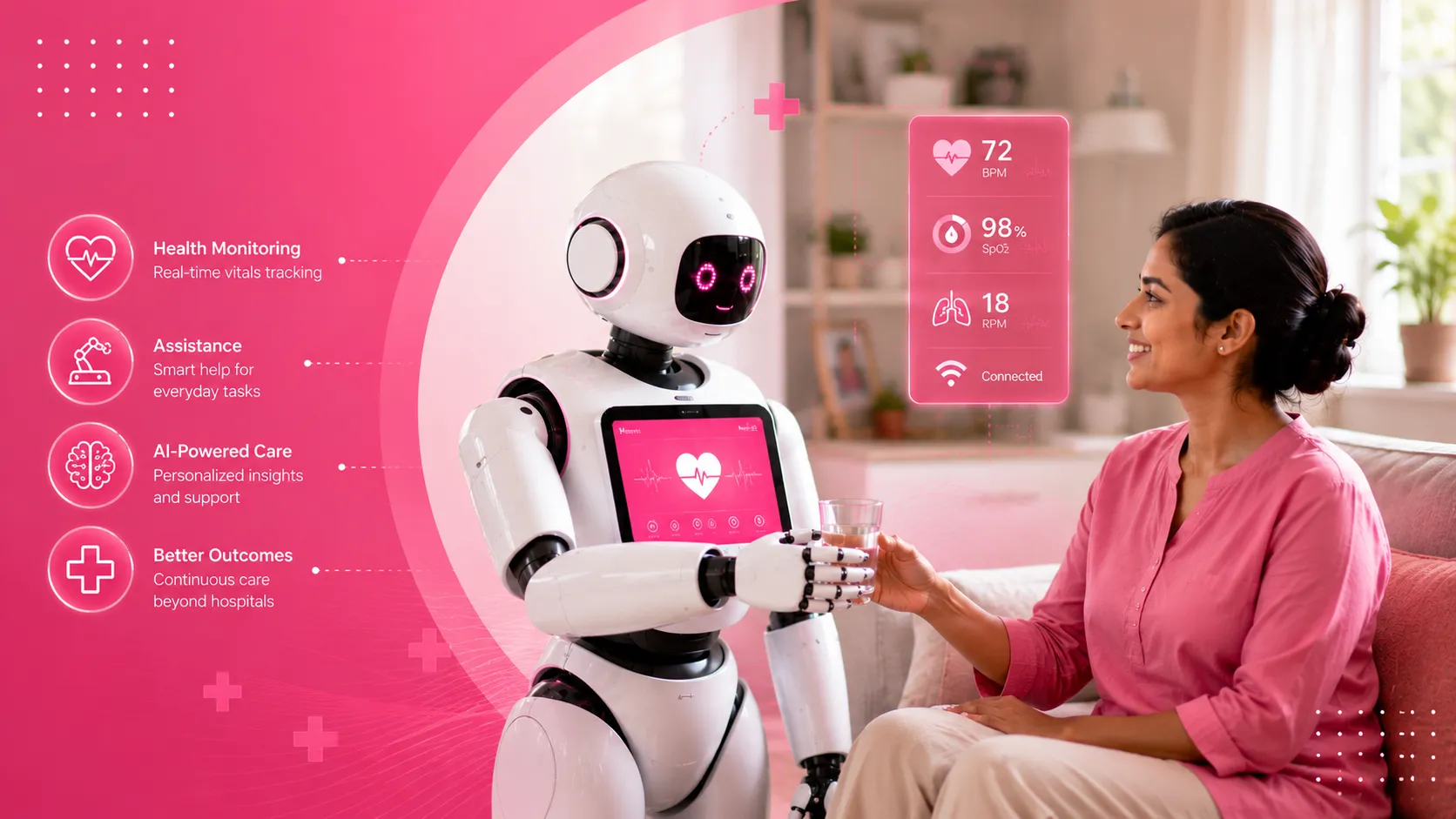
One of the strongest signals surrounding robotics expansion involves growing attention toward home-based healthcare environments.
Historically, healthcare systems frequently operated according to centralized models where hospitals functioned as primary destinations for treatment and monitoring. Today, technological capabilities increasingly allow portions of that care process to occur elsewhere.Remote monitoring systems, wearable technologies and AI-supported healthcare tools increasingly help patients manage conditions outside formal institutions. Robotics may gradually become part of this broader movement.
Home healthcare increasingly represents one of the largest emerging opportunities because demographic changes and healthcare costs continue creating pressure around traditional systems. Intelligent devices capable of assisting with movement support, medication adherence and routine monitoring may eventually create environments where more care occurs within everyday settings.
For families and caregivers, this shift may become particularly important because caregiving responsibilities often involve substantial emotional and operational burdens.Technology increasingly appears positioned around reducing some of those pressures.
Healthcare Systems Are Beginning To Prioritize Continuity Rather Than Episodes
One reason robotics is gaining momentum may involve changing assumptions surrounding healthcare itself.
Historically, healthcare frequently operated through episodic interactions. Patients visited hospitals, received treatment and returned home. Systems often centered around responding to problems after they emerged.Increasingly, however, healthcare conversations involve continuity rather than isolated treatment events.
Robotics and intelligent systems align naturally with this philosophy because they can potentially support ongoing interaction rather than occasional intervention. Technologies capable of assisting patients daily create environments where healthcare becomes embedded within routines rather than separated into appointments.
This shift could influence multiple categories simultaneously including rehabilitation, elderly support, chronic disease management and preventive care.The broader impact may therefore extend beyond robotics itself.
It may reshape assumptions around where healthcare happens.
Questions Around Human Care Continue To Remain Central
Despite growing enthusiasm around robotics, healthcare discussions increasingly recognize important limitations as well.
Caregiving extends beyond operational tasks. Human relationships often remain central to healthcare experiences involving emotional support, trust and empathy. Technology may improve efficiency and assistance, but healthcare systems continue debating where human interaction remains irreplaceable.Questions involving ethics, accessibility and affordability also remain important. Technologies often emerge initially within specialized environments before broader adoption occurs over time.
Robotics systems may eventually become more common, yet integration will likely depend on balancing capability with human needs.Because healthcare increasingly appears to involve more than technological advancement.It involves understanding care itself.
Why The Larger Story May Extend Beyond Technology
The broader significance of robotics entering healthcare may ultimately involve a shift occurring beneath the technology itself.Healthcare increasingly appears to be moving away from institution-centered environments toward ecosystems capable of supporting individuals continuously across multiple settings.
Hospitals may continue serving central roles.But healthcare itself increasingly appears likely to become distributed.And as that transition unfolds, intelligent systems may gradually become part of everyday life in ways that once seemed distant.