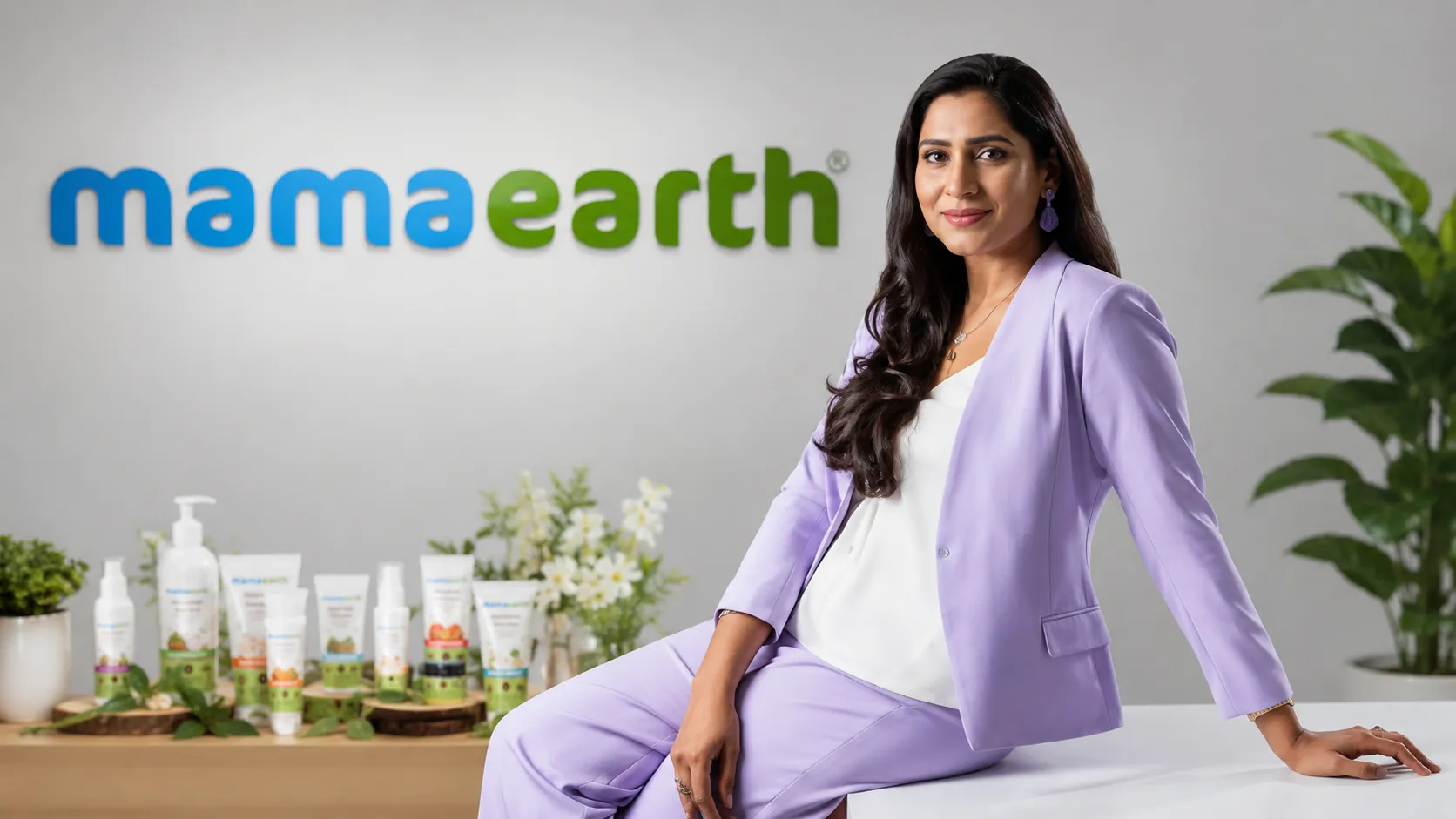
The test of a brand — and of a founder — is not the easy years. It is the difficult ones. Ghazal Alagh's test came in the months after Mamaearth's IPO, when the company's stock underwent a correction that attracted significant public and media scrutiny. The narrative that emerged — questioning whether Mamaearth's 'natural and toxin-free' positioning was genuine or performative, whether the company's growth metrics reflected sustainable demand or promotional inflation — was the most serious challenge the brand and its founders had faced since the company was founded in 2016 from the frustration of being unable to find safe products for their infant son.

Alagh's response to that scrutiny is what distinguishes her as a business leader rather than a marketing personality. Rather than retreating into corporate communication or deflecting criticism with positive messaging, she engaged with the substance of the questions raised, made specific commitments to product quality and ingredient transparency, and used the platform that the scrutiny had inadvertently created to articulate a more explicit and detailed account of what Mamaearth's brand promises actually mean. This is not a common response from Indian consumer brand founders facing public criticism. It is, however, the response that builds long-term brand equity.
The Mamaearth story in 2026 is a study in the difference between brand image and brand substance. Image is what a company says about itself. Substance is what it does when no one is watching — or when everyone is watching and what they see is unflattering. Mamaearth's founding story — born from a parent's desire to find safe products for a child — is one of the most powerful brand origin stories in Indian consumer goods. The post-IPO scrutiny raised the question of whether that origin story was still the guiding principle of every product decision, or whether it had become a marketing asset detached from actual formulation choices. Alagh's public leadership in the aftermath has been an attempt to close that gap.
The broader context is the Indian D2C market's maturation from brand-building-first to product-first culture. The brands performing best in 2026 — The Minimalist, WOW Skin Science, Type Beauty, Country Delight — are all characterised by product specificity that can be explained, measured, and verified rather than merely asserted. FSSAI and the Bureau of Indian Standards are both strengthening enforcement of advertising and labelling claims. Indian consumers are becoming dramatically more knowledgeable about ingredients and formulations through dermatologist YouTube channels, Reddit skincare communities, and the exhaustive content that evidence-based brands produce.

Ghazal Alagh's role in this broader market evolution is that of the pioneer who took the arrow. By going public before the 'honest brand' standard was fully institutionalised in India's capital markets, Mamaearth exposed the gap between the brand narrative investors, consumers, and media had accepted during its private growth phase and the more rigorous standards that public market scrutiny applies. The corrective process — painful as it has been — has ultimately accelerated the evolution of the entire Indian D2C sector toward more defensible, evidence-based brand building.
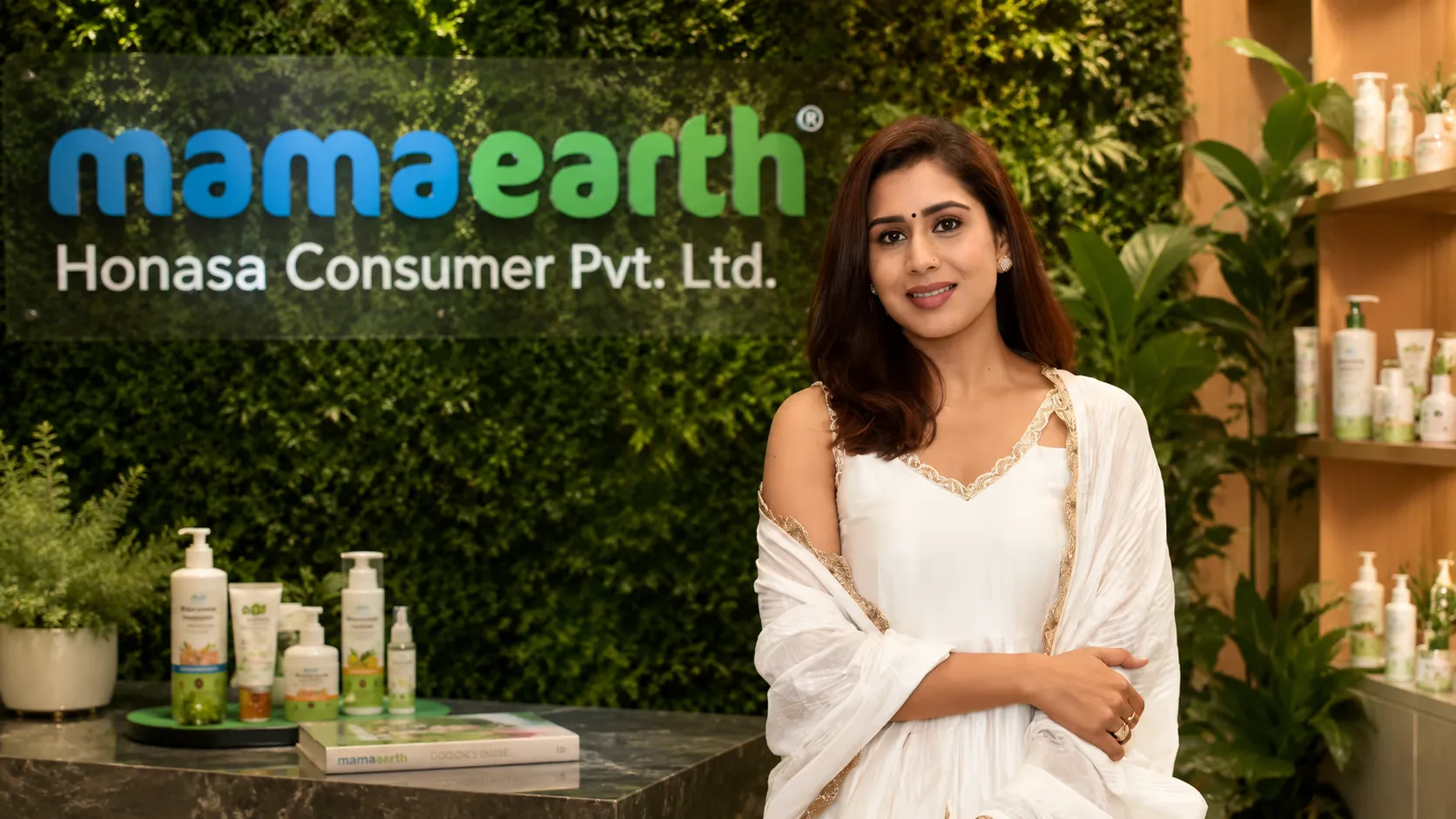
Mamaearth in 2026 continues to evolve, with new product lines, ongoing formulation improvements, and brand communication that leans more explicitly into the science behind its ingredient choices. The stock has found more stable footing. And Ghazal Alagh has found a voice — on brand authenticity, on the responsibilities of founder-led companies in public markets, on what 'natural' actually means in a regulatory and scientific context — that is more valuable and more listened to than any marketing campaign the company could have run. The test was hard. The answer it required was harder. The brand that emerges is more credible than the one that entered the test.


