ImpactSustainability7 MIN READ

"Pay More for Pure Petrol": Gadkari's Blunt Ethanol Ultimatum to Indian Motorists

The road transport minister is doubling down on India's ethanol-blending push — and telling skeptical car owners exactly what pure petrol will now cost them.

By Shaym Kumar · Author17 July 2026
"Pay More for Pure Petrol": Gadkari's Blunt Ethanol Ultimatum to Indian Motorists

Union Minister for Road Transport and Highways Nitin Gadkari has once again found himself defending one of the government's signature clean-fuel initiatives — the ethanol-blending program — against a backdrop of continued consumer grumbling about fuel quality, mileage concerns, and the perception that motorists are being nudged, rather than given genuine choice, toward ethanol-blended petrol. Gadkari's latest defense reiterates a now-familiar government position: motorists who prefer 100% pure petrol can still purchase it, but they will have to pay a premium compared to the price of ethanol-blended fuel.
ChatGPT Image Jul 17, 2026, 11_08_46 AM.png

What Is Ethanol Blending, and Why Is India Pursuing It?

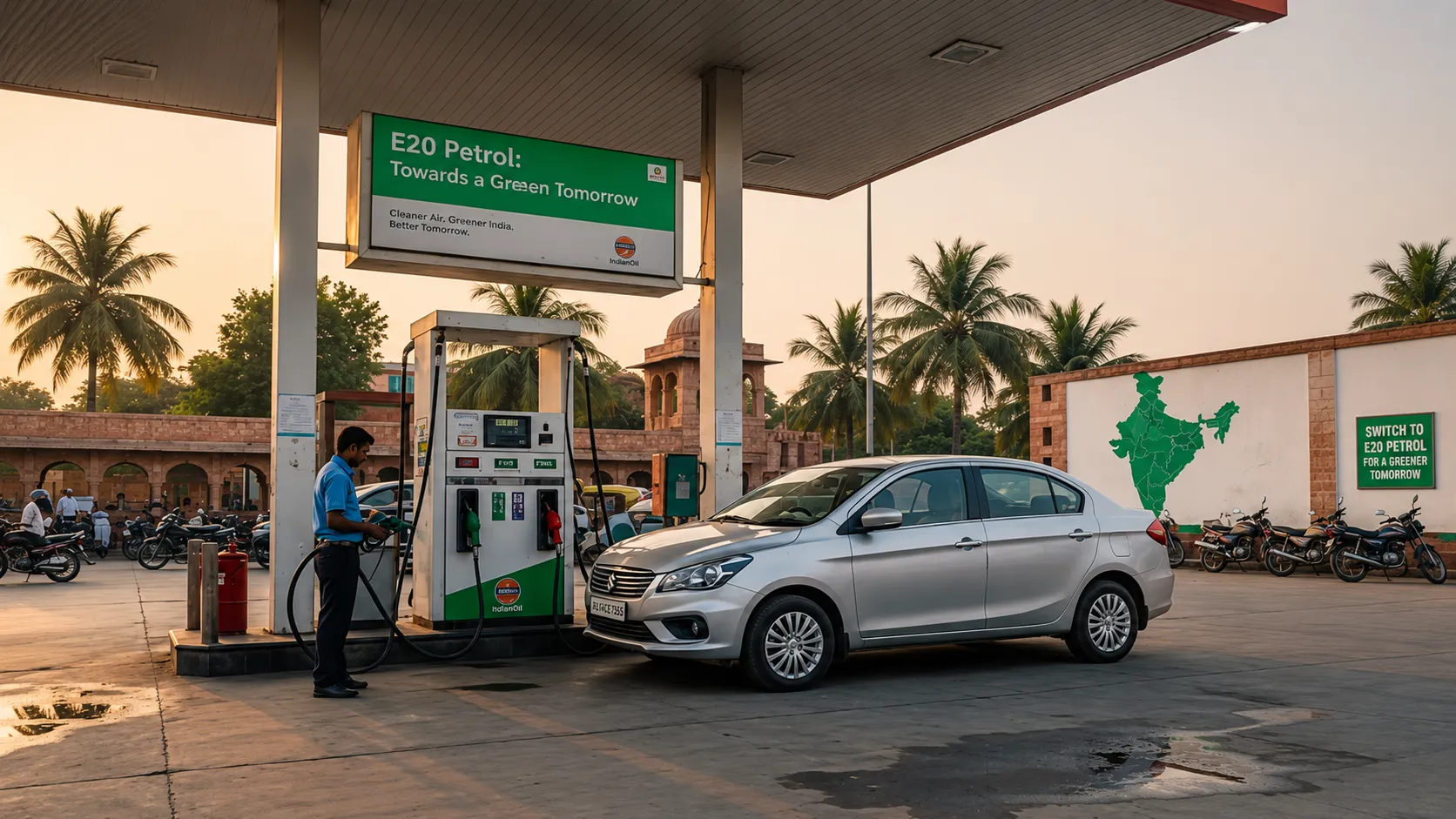
Ethanol blending refers to mixing ethanol — typically produced from sugarcane, corn, or other agricultural feedstocks — with conventional petrol. India's Ethanol Blended Petrol (EBP) Programme has been one of the government's most aggressively pursued clean-energy and energy-security initiatives, with the country reaching the 20% ethanol blending (E20) milestone significantly earlier than originally projected.

The rationale rests on several pillars: energy security (every liter of petrol displaced by domestic ethanol reduces oil import dependence and foreign exchange outflow); agricultural economics (ethanol production provides additional revenue for farmers and the sugar industry); and environmental considerations (somewhat cleaner combustion characteristics compared to pure petrol).

The Consumer Pushback

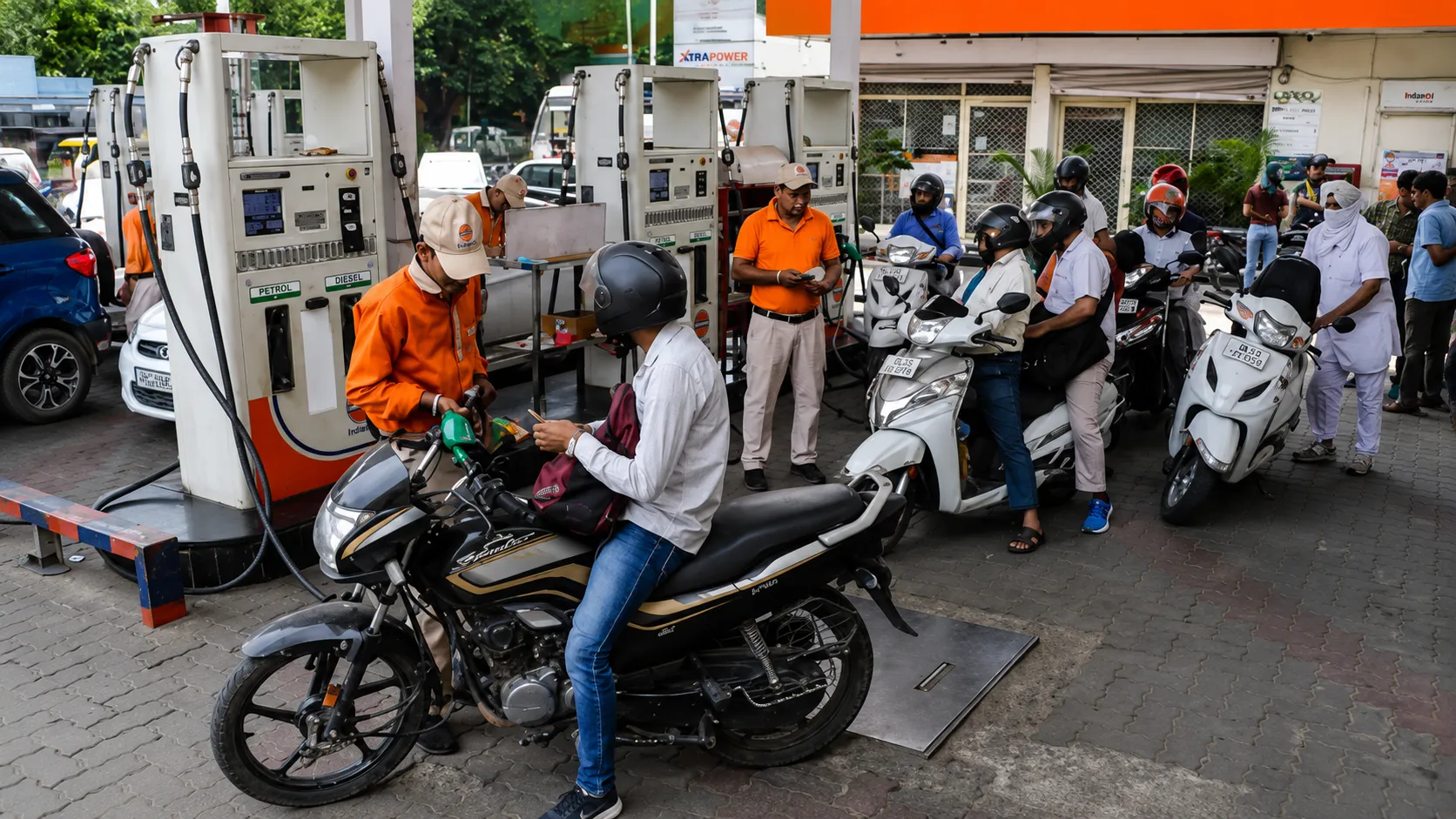
Despite these benefits, the program has faced persistent consumer skepticism centered on a few recurring concerns. The most common is mileage — many vehicle owners, particularly those with older vehicles, report perceiving reduced fuel efficiency with ethanol-blended fuel, given ethanol's lower energy density per liter compared to petrol. While automakers and officials maintain that current-specification vehicles handle E20 blends without meaningful performance degradation, a considerable segment of consumers remain unconvinced.

A second concern relates to engine compatibility and long-term wear, particularly in older vehicles not specifically warrantied for higher blends. A third, more diffuse concern is a sense that consumers are being denied genuine choice, with ethanol-blended fuel becoming the default at most retail outlets.

The market offers choice, with pricing that reflects the genuine cost structure of each fuel option and appropriately incentivizes the nationally beneficial choice.
Nitin Gadkari, Union Minister for Road Transport and Highways

Gadkari's Response and Government Position

It is this last concern that Gadkari's comments most directly address. By stating that motorists who prefer 100% petrol can still buy it — at a premium — the minister is reframing the debate away from "the government is forcing ethanol on unwilling consumers" toward "the market offers choice, with pricing that reflects genuine cost structures and appropriately incentivizes the nationally beneficial option." Gadkari has long been one of the most vocal advocates within government for alternative fuels, framing the push as an economic and strategic imperative, not merely an environmental one.

The Automaker Perspective

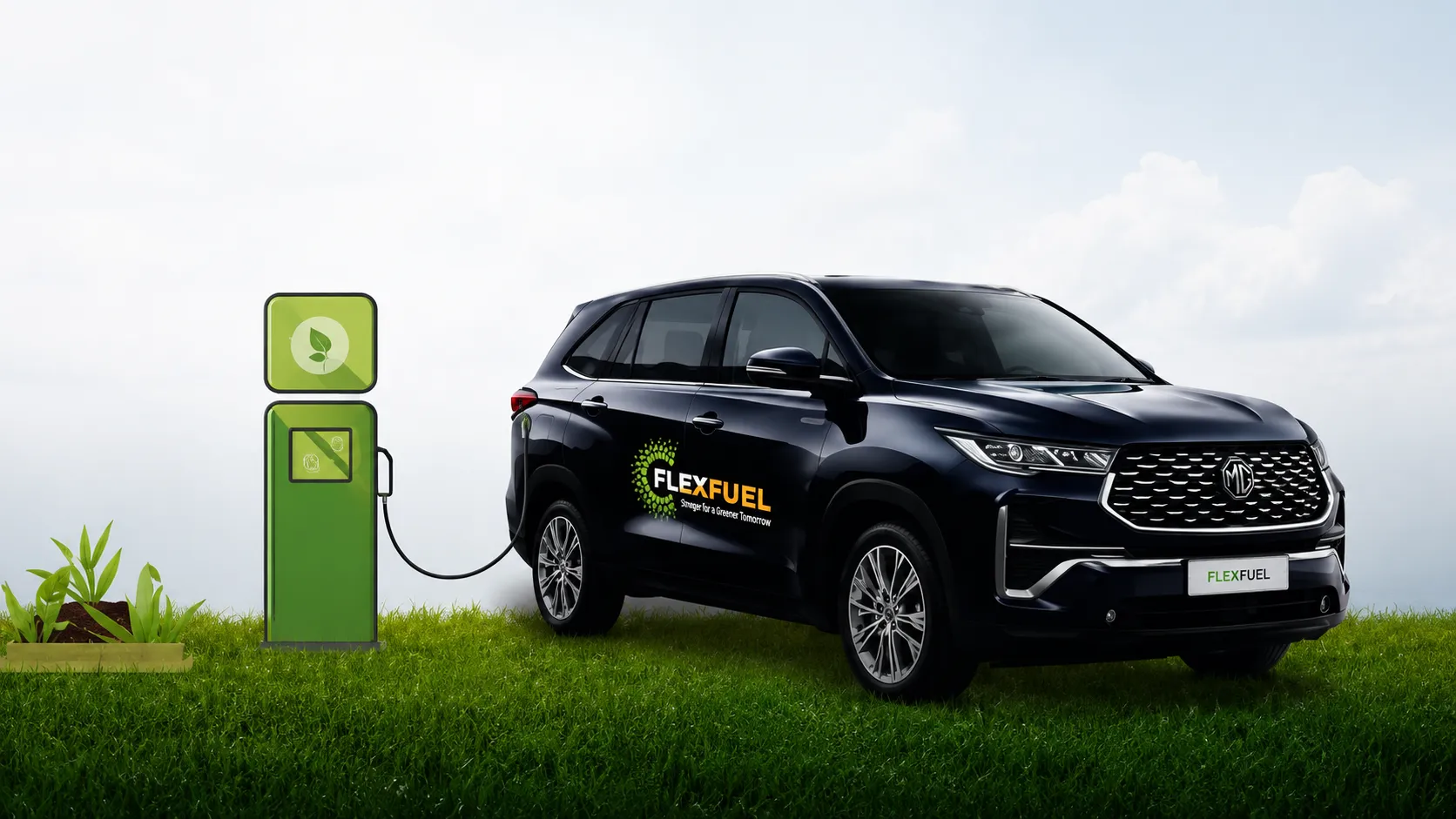
Indian automobile manufacturers have largely aligned with the ethanol push, investing significant engineering resources to certify new models as E20-compatible. Some have gone further, exploring flex-fuel vehicles capable of running on much higher ethanol concentrations (up to E100), positioning these as a pragmatic, lower-cost complement to the more capital-intensive transition toward battery-electric vehicles.

Sugar Industry and Agricultural Stakeholders

The program has significant implications for India's sugar industry, with mills increasingly diverting sugarcane juice and molasses toward ethanol production rather than sugar crystallization — a shift encouraged by government pricing and procurement guarantees. India has also expanded ethanol feedstock sourcing to grain-based ethanol, particularly surplus rice and maize, generating its own policy debate around food security implications.

ChatGPT Image Jul 17, 2026, 11_07_10 AM.png

The Road Ahead

As India continues pushing its ethanol blending program forward, the tension between consumer skepticism, agricultural and energy security objectives, and automaker engineering realities is likely to remain a recurring feature of transport and energy policy discourse. For ordinary motorists, the practical takeaway remains consistent: ethanol-blended fuel will continue as the default, most competitively priced option, while pure petrol — where available — will carry a price premium reflecting the government's clear policy preference.

TagsNitin GadkariEthanol BlendingE20 PetrolFuel Price IndiaClean Energy IndiaSugar IndustryFlex Fuel VehiclesIndian Road TransportPetrol PriceGreen Fuel India

Reader reviews

Sign in to rate and review this article.
Loading reviews…