
Something remarkable is happening at the intersection of Indian womanhood, entrepreneurship, and beauty in 2026. A new cohort of women-led direct-to-consumer beauty and wellness brands is emerging across India — brands that are different from their predecessors not just in their products but in their founding philosophy. These founders are not building beauty brands as commercial exercises. They are building them as acts of cultural reclamation: creating products, communities, and narratives that reflect the full spectrum of Indian women's identity at a moment when mainstream beauty has consistently failed to do so.
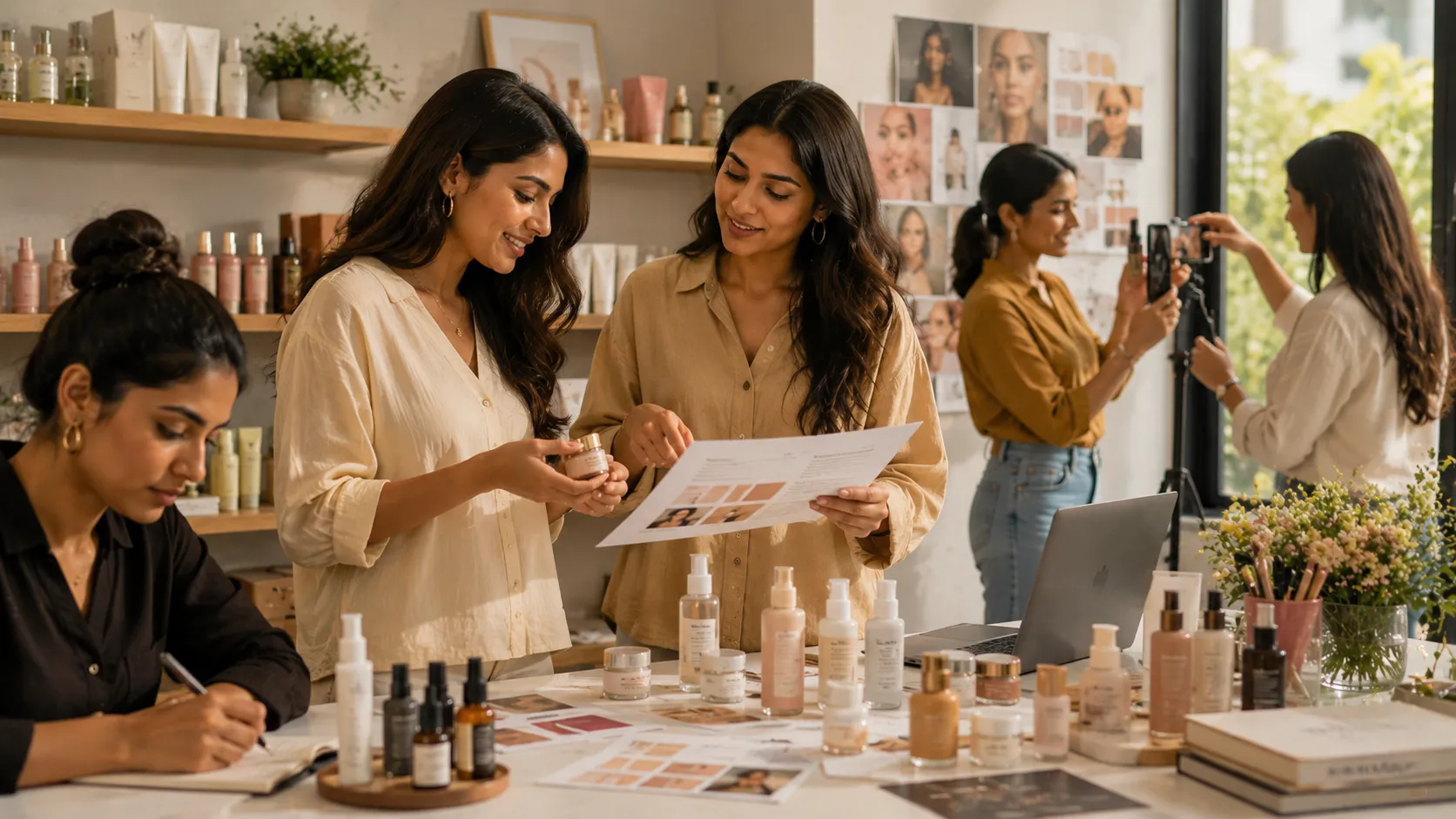
Ananya Kapur's Type Beauty is the most arresting example. Type Beauty was built on a foundational insight that sounds simple but carries enormous weight: there is no such thing as a universal beauty product. A person with oily, acne-prone skin in Chennai has fundamentally different needs from a person with dry, sensitive skin in Delhi or textured, dense hair in Mumbai. Type Beauty's barrier-first philosophy — building skincare around individual skin barrier health rather than generic ingredient combinations — makes it scientifically specific in a way that most Indian skincare brands are not. The brand's growth has been driven by community — by real women sharing real results on platforms where authenticity, not production value, determines reach.
DIAM Cosmetics represents an equally important archetype: inclusive colour cosmetics designed specifically for the spectrum of Indian skin tones. The Indian colour cosmetics market has historically been dominated by products that treat 'Indian skin' as a single category when in reality it spans dozens of distinct undertones, pigmentation patterns, and finish preferences. DIAM's founding thesis is that inclusive cosmetics and credible brand building are not in tension. A brand that genuinely serves Indian women in all their complexity earns loyalty that brands built on the illusion of universality never can.
The structural conditions for this cohort's emergence are well-documented: access to digital platforms that let a founder with a great product reach a national audience without a retail distribution network; evolving consumer values that reward authenticity over aspiration; and a growing appetite for products that feel culturally specific rather than imported. The wellness dimension is equally important — from Ayurvedic-informed skincare connecting traditional botanical knowledge to modern formulation science, to fitness-first brands building community around shared physical practice rather than aspirational imagery.
The funding dimension has historically been this story's most constrained chapter. Women-led startups in India have received dramatically less venture capital than male-led startups. But 2026 is showing early signs of change. The Women Entrepreneurs India Angel Network — with three investors now onboarded — is building institutional infrastructure for women-to-women capital flows. Global consumer funds are increasingly recognising that women-led beauty and wellness brands generate superior customer loyalty metrics and lower customer acquisition costs relative to comparable brands.
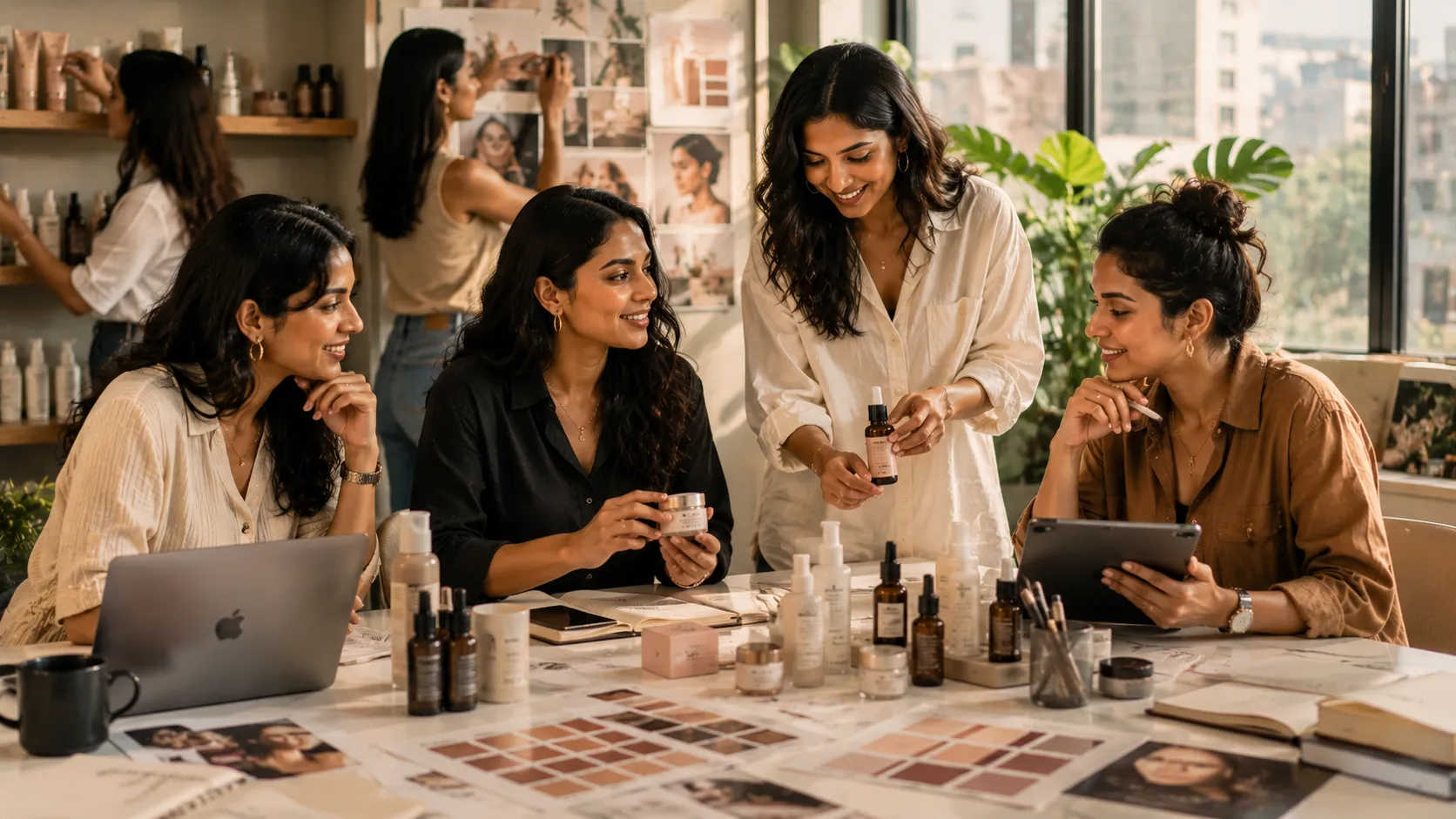
For Global Indian women in consumer goods, brand building, and retail — whether building brands, managing them, or investing in them — the emerging cohort of Indian women-led D2C beauty companies is both an opportunity and a model. These founders are doing what the best Global Indian entrepreneurs have always done: taking a deep cultural and market insight that only an insider can possess and building a product that solves a real problem with precision and care. The beauty market is large. The inclusive beauty market is larger. The women building it in India in 2026 are doing so with the conviction that their products deserve to be on bathroom shelves in London, Singapore, Dubai, and New York, not just Mumbai and Bengaluru. They are right.


