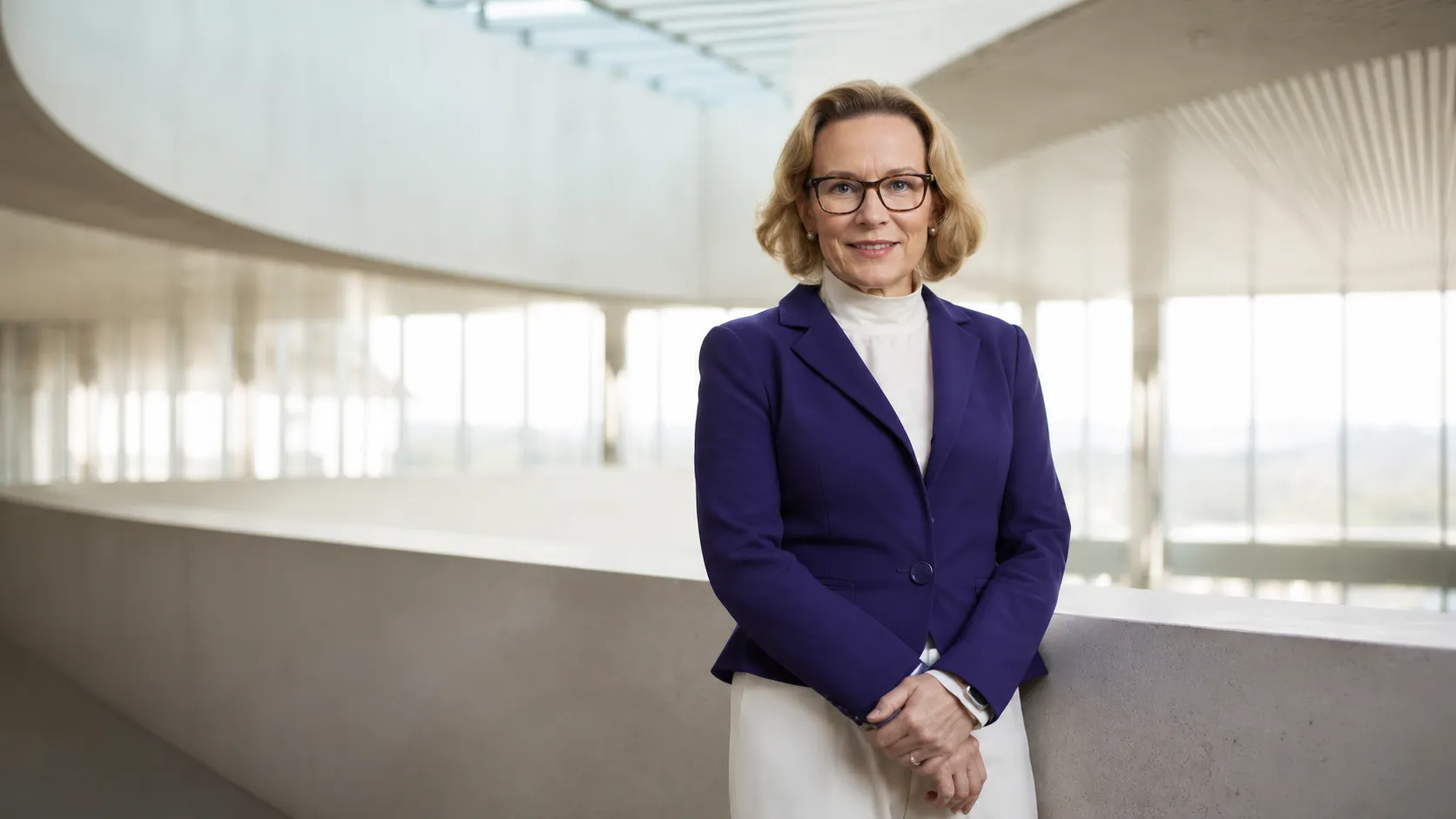
The Doctor Who Became a CEO
Belén Garijo was born on July 31, 1960, in Almansa, Spain . She began her career not in a boardroom but in a hospital ward, as a practising physician at Hospital Universitario La Paz in Madrid . She specialised in clinical pharmacology, spending six years treating patients before making the leap into the pharmaceutical industry .
The move would define the rest of her life. Over the next four decades, Garijo climbed the ranks of some of the world's largest healthcare companies, leading mergers, integrating acquisitions, and eventually becoming the first woman to head a company listed on Germany's DAX stock index .
In February 2026, she added another milestone: she was appointed Chief Executive Officer of Sanofi, the French pharmaceutical giant, effective May 1, 2026 . The move was a homecoming of sorts—she had spent 15 years at Sanofi earlier in her career—but it was also a mandate. The company that hired her wanted rigour, execution, and a sharper focus on research and development.
The Merck Years: A Five-Year Transformation
Garijo joined Merck in 2011 as Chief Operating Officer of the Biopharma business, later becoming President and CEO of Healthcare in 2015 . In May 2021, she was named Chair of the Executive Board and CEO of Merck, following Stefan Oschmann .
The timing was challenging. She took the helm during a global pandemic, followed by geopolitical tensions and an economic slowdown . But under her leadership, Merck did not just survive—it was transformed.
She oversaw strategic acquisitions, including biopharmaceutical company SpringWorks Therapeutics, and executed portfolio divestitures to sharpen the company's focus . Under her stewardship of the Healthcare business, Merck became a key global player in oncology, immunology, and immuno-oncology . She repositioned the portfolio, reorganised R&D, and realigned the commercial model . She also forged two major global alliances that further contributed to the value of the Healthcare portfolio and focused on global expansion into the US, Japan, and other high-growth markets .
By the time she announced her departure, she had led the company through one of its most consequential chapters. In a LinkedIn post reflecting on her tenure, she wrote: "Leading Merck Group is the greatest privilege of my career. I feel a mix of pride, gratitude, and optimism. Pride in what we've built together, gratitude for the journey we've shared, and optimism for the future that lies ahead" .
Under her leadership, the company emerged stronger, more united, and more resilient.
The Sanofi Homecoming
In February 2026, Sanofi's Board of Directors made a decisive move. They decided not to renew the mandate of CEO Paul Hudson, whose contract was coming to an end, and appointed Garijo as his successor . Olivier Charmeil, Executive Vice President of General Medicines, served as Interim CEO during the transition .
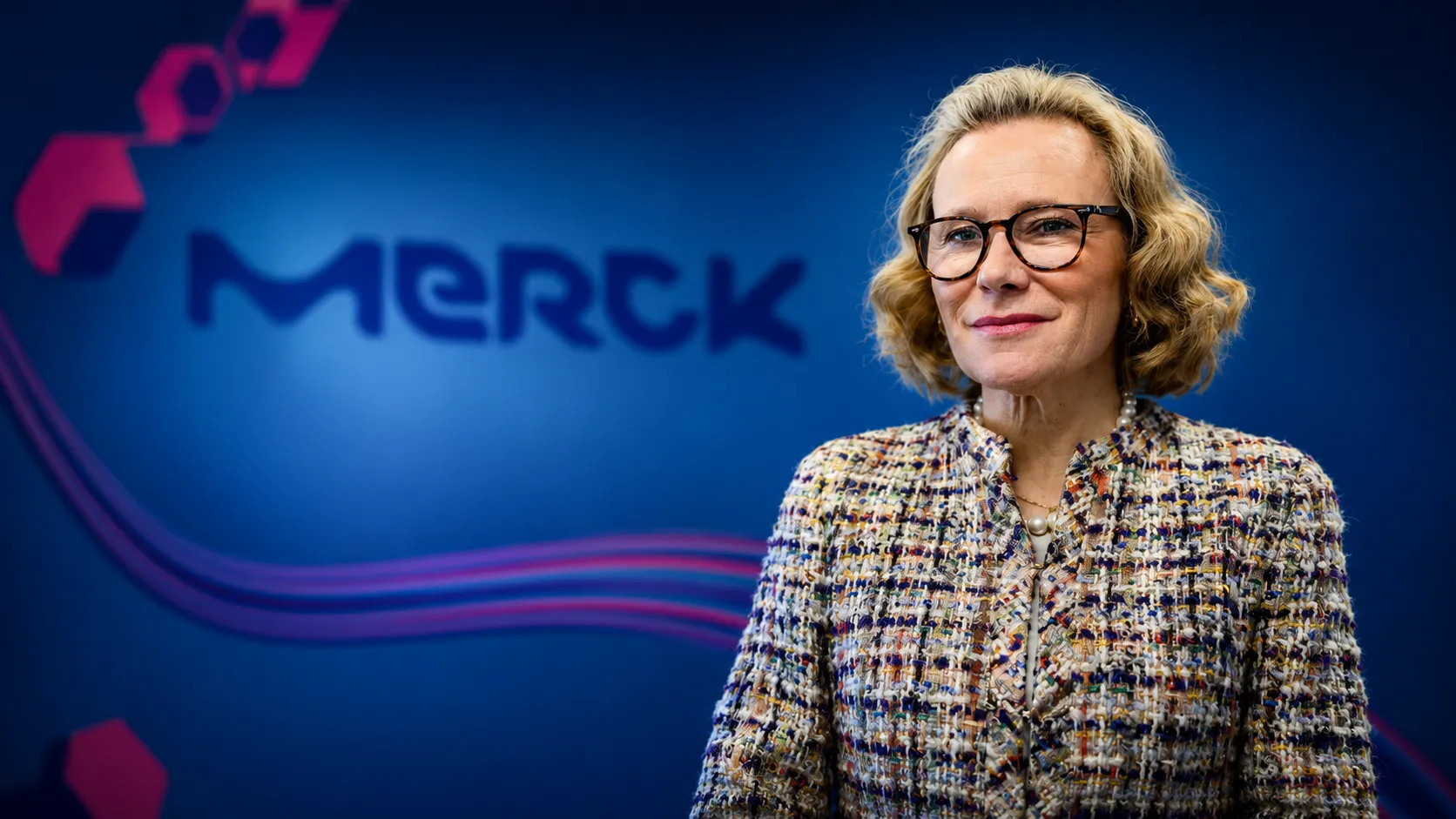
The appointment required two procedural steps: Garijo's election as a director at Sanofi's Annual General Meeting on April 29, 2026, and an amendment to the company's articles of association to raise the age limit for the CEO upon appointment . Both were approved with high levels of shareholder support .
Frédéric Oudéa, Chairman of Sanofi's Board of Directors, described the choice in unusually personal terms: "Belén Garijo possesses a rare combination of scientific expertise and operational leadership, developed at the highest level in demanding global environments. A physician by training, she has built a strong track record at the intersection of R&D, strategy, and business model transformation" .
He added: "She also has the benefit of many successful years at Sanofi during her career. In an increasingly demanding environment, her approach — grounded in clarity of choices and consistency of implementation — will be essential to accelerate the company's transformation" .
The mandate was clear: strengthen execution discipline, refine capital allocation, and translate science into sustainable performance.
Why the Pharmaceutical Industry Took Notice
Garijo's appointment was notable not just for her gender—though being the first woman to lead a DAX company in Germany and now one of the few women leading a major European pharmaceutical company is significant—but for the specific skill set she brings .
The pharmaceutical industry is under pressure. Large companies are struggling to demonstrate sustainable growth, research productivity, and disciplined capital allocation . Garijo's track record suggests she can deliver on all three. She has led a turnaround, repositioned a portfolio, and realigned an R&D organisation.
Her previous tenure at Sanofi included leadership roles across multiple European markets and the United States, where she led the integration of Genzyme during its acquisition . The acquisition significantly expanded Sanofi's rare disease footprint and reshaped its specialty care portfolio—areas that remain strategically important . She also served as Senior Vice President of Global Operations Europe at Sanofi-Aventis and was a member of the Management Committee of the Sanofi-Aventis Group and of the Management Board of the Sanofi-Pasteur vaccines joint venture with MSD .
She knows the company well, having held important positions and achieved many successes there for 15 years.
The Leadership Philosophy: From Operating Room to Boardroom
Garijo's leadership philosophy is shaped by a career that has spanned clinical practice, R&D, commercial leadership, and CEO responsibilities. She has described the importance of resilience, trust-based leadership, and a clear sense of purpose .
Her Merck vision—"Sparking Discovery, Elevating Humanity"—was a statement of ambition. "As a globally diversified science and technology company with leading positions in Life Science, Healthcare, and Electronics, our 63,000-strong team needs a North Star to guide us forward in the right direction together," she wrote . "Our Vision reaffirms our unwavering belief in science and technology as a powerful force for good."
She also understood the importance of being seen, not just heard. She has been a regular contributor to the World Economic Forum, speaking on topics ranging from "precision globalisation" to trust-based leadership and the future of digital health .
The Transition: Passing the Baton
Garijo's departure from Merck was carefully managed. She identified a strong successor from within—Kai Beckmann, CEO of Electronics—and worked with him to ensure a smooth transition . "Having worked with you for so many years, I have no doubt that you will lead Merck into a new exciting chapter of continued success," she wrote .
She spent the months between her appointment and her official start date at Sanofi ensuring continuity at Merck while preparing for her new role . The transition was described as thoughtful and collaborative, a reflection of her leadership style.
By the time she took her seat at Sanofi, she had already proven that she could lead one of Europe's most complex industrial companies through challenging times. The question was whether she could do it twice.
The Bottom Line
Belén Garijo's journey from a practising physician in Madrid to the CEO of two of Europe's largest pharmaceutical companies is not just a career story. It is a case study in how to build a career that bridges science, business, and leadership.
She has navigated mergers and acquisitions, turned around businesses, and built a reputation for execution and rigour. She has been recognised by Forbes as one of the world's most powerful women and by Fortune as one of the most powerful women in business .
Now she has returned to the company where she spent 15 years earlier in her career, tasked with accelerating Sanofi's transformation and leading its next growth cycle. As Oudéa put it: "In a rapidly changing pharmaceutical industry, we place Sanofi in experienced hands" .
For Garijo, the leadership journey is far from over. It is entering a new phase.


