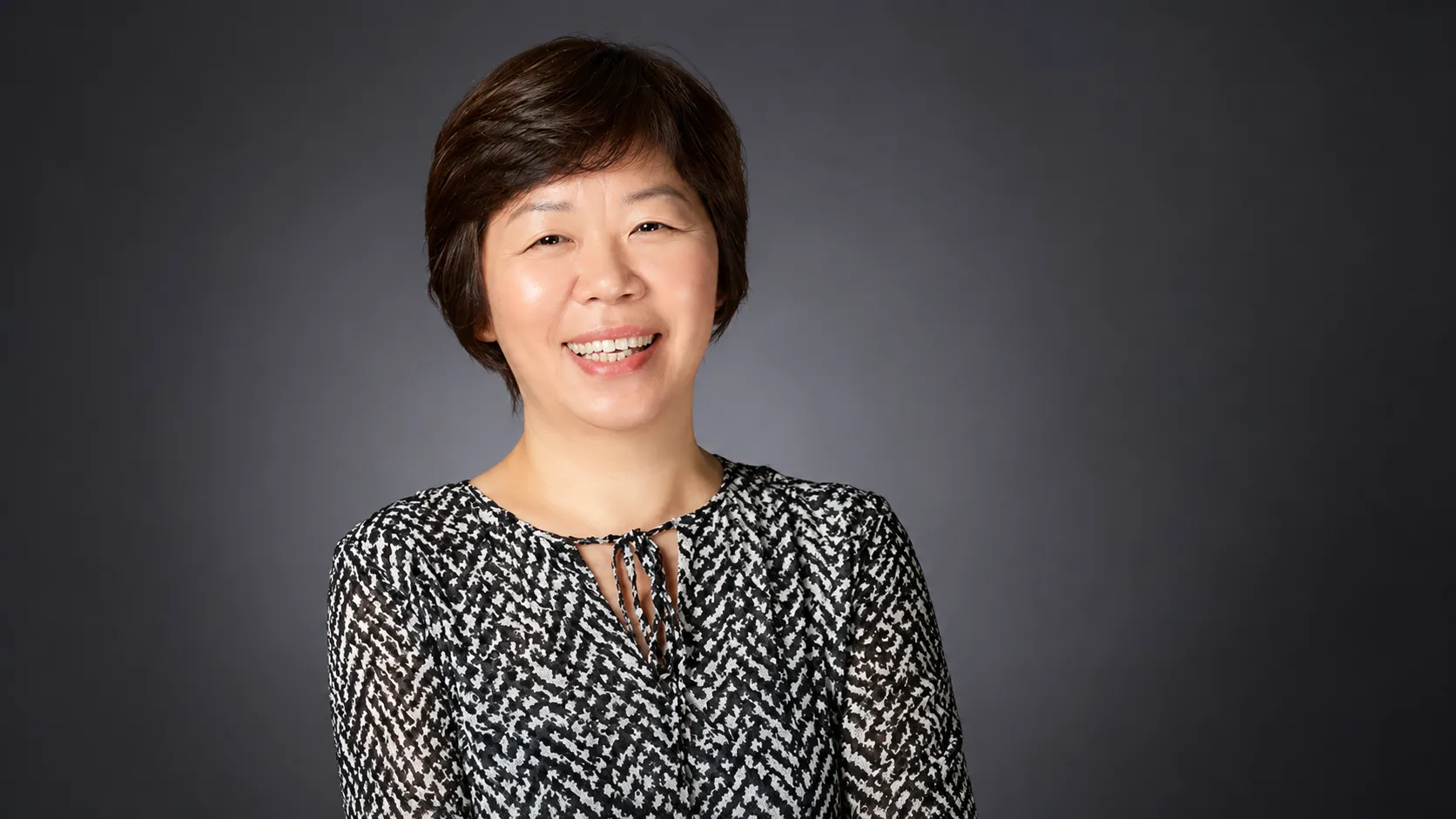
Before Grace Wang Became One Of The Most Powerful Women In Global Technology, She Was Earning A Living On An Assembly Line. Today, The Company She Built Helps Manufacture Products Used By Hundreds Of Millions Of People Around The World.
Most billionaire origin stories begin with elite universities, venture capital backing or groundbreaking inventions.
Grace Wang's story begins in a factory. In 1988, she joined a manufacturing facility in Shenzhen as a line worker, assembling electronics for what would eventually become one of the world's most important technology supply chains. There was nothing glamorous about the job. She wasn't building a startup, giving keynote speeches or appearing on magazine covers. She was learning how products were made, how factories operated and how global businesses functioned from the ground up. Few people looking at that assembly line would have predicted that one of its workers would eventually become one of the richest self-made women in the world.
What makes Wang's rise extraordinary is not just the scale of her success but the industry in which she achieved it.
Global electronics manufacturing is one of the most competitive and unforgiving businesses on the planet. Margins are tight, customer expectations are relentless and technological standards change constantly. Yet Wang managed to build a company capable of competing against some of the largest manufacturers in the world. Today, as Chairwoman and CEO of Luxshare Precision Industry, she oversees a business that has become a critical supplier to global technology giants, including Apple, helping produce components and devices used by millions of consumers every day.
Her journey is also a reminder that some of the world's most influential business leaders are rarely household names.
Consumers recognize the brands on their smartphones, earbuds and laptops, but few know the companies that manufacture them. Behind many of the world's most successful technology products sits an enormous network of suppliers and engineering specialists. Luxshare became one of the most important companies in that ecosystem, and Wang became one of the architects behind its rise. In doing so, she transformed herself from a factory employee into one of the most influential women in global business.
The story isn't simply about wealth.
It's about vision, persistence and the ability to see opportunity where others saw routine work.
Learning The Business From The Ground Up
Many entrepreneurs spend years searching for the right industry.
Wang found hers almost immediately. Her years working within China's manufacturing sector gave her a front-row seat to one of the greatest industrial transformations in modern history. As global technology companies increasingly shifted production to Asia, supply chains became more sophisticated and opportunities expanded for businesses capable of delivering quality at scale. Wang understood something many people overlooked: manufacturing itself could become a source of competitive advantage.
The experience taught her lessons that no classroom could replicate.
She learned how factories operate under pressure, how customer relationships are maintained and how operational excellence separates successful suppliers from struggling ones. Every production delay, quality issue and supply-chain challenge became a practical education in how global business works. While many people viewed manufacturing as repetitive work, Wang viewed it as a masterclass in execution.
That perspective would eventually shape Luxshare's entire strategy.
Rather than chasing attention or rapid expansion, the company focused relentlessly on reliability, precision and customer trust. These qualities may not generate headlines, but they are exactly what global technology companies demand from suppliers. By understanding the industry's expectations better than most, Wang positioned herself to build a company capable of serving the world's most demanding customers.
It was a strategy built on patience rather than hype.
And it worked.
Building A Company That Apple Couldn't Ignore
When Luxshare was founded, it was not considered a future technology giant.
The company began by producing connectors and cables—essential components, but hardly the most glamorous part of the electronics industry. Yet Wang recognized that excellence in small things often creates opportunities for much bigger ones. Instead of treating these products as commodities, Luxshare focused on engineering quality and operational efficiency. Over time, the company expanded its capabilities and moved steadily up the value chain.
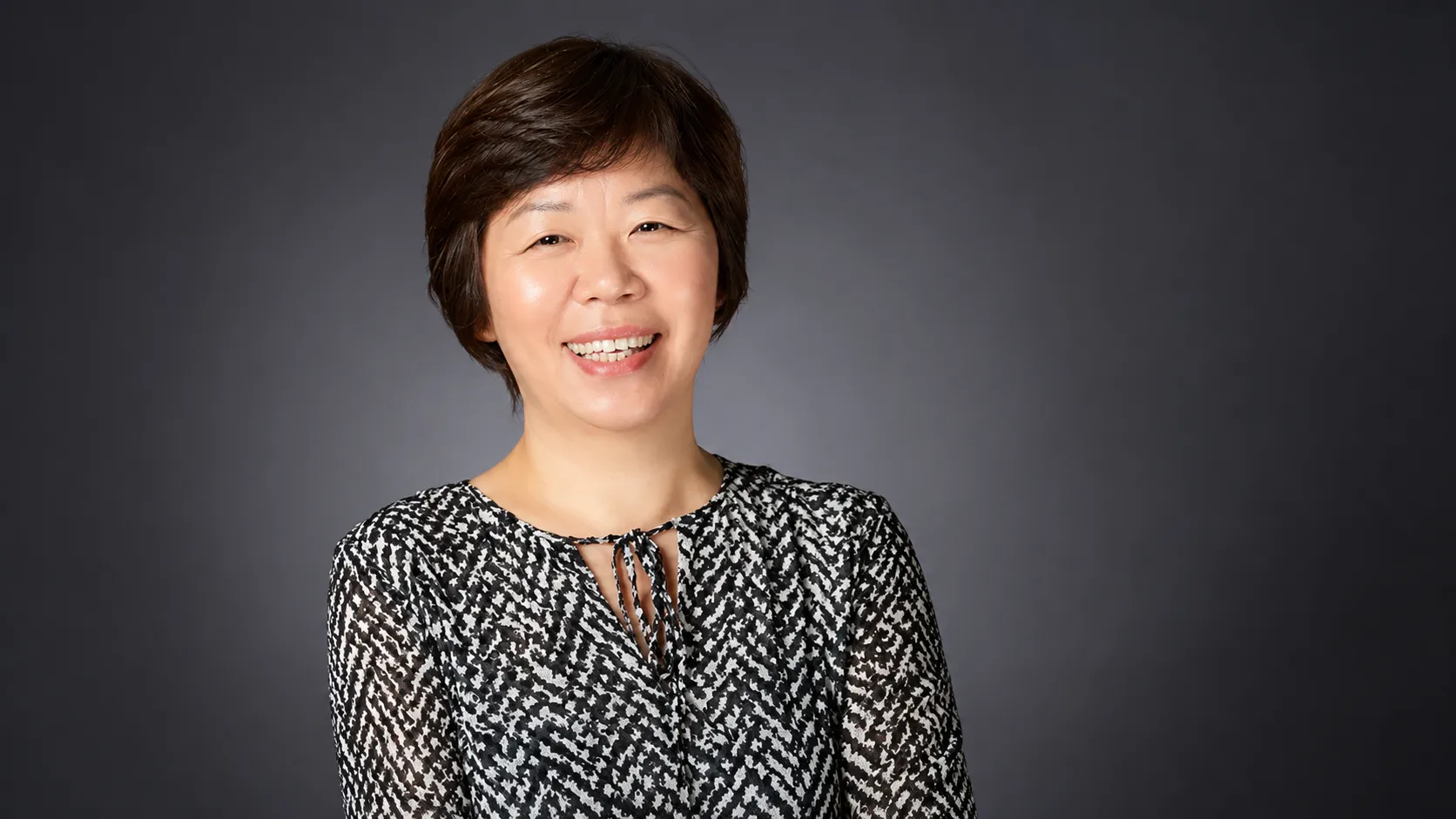
The breakthrough came as global technology companies searched for manufacturing partners capable of meeting increasingly complex requirements.
Apple, in particular, demanded extraordinary levels of precision, consistency and scale. Becoming part of Apple's supply chain is one of the most difficult achievements in manufacturing because expectations are so high. Luxshare not only succeeded in entering that ecosystem but eventually became one of its most important suppliers, manufacturing products and components that reached consumers around the world.
That relationship transformed the company.
Revenue surged, capabilities expanded and Luxshare established itself as a serious competitor to larger and more established manufacturers. What began as a relatively small supplier evolved into a global manufacturing powerhouse capable of producing sophisticated consumer electronics at enormous scale. Investors took notice, customers followed and Luxshare's influence continued growing.Wang had achieved something few entrepreneurs ever manage.She built a company that became indispensable to some of the world's most valuable businesses.
Breaking Through One Of Business's Toughest Glass Ceilings
Technology leadership remains overwhelmingly male.
Manufacturing leadership is even more so. For decades, executive positions in industrial and electronics companies were dominated by men, particularly at the highest levels. Wang's rise therefore represents more than an individual success story. It represents the breaking of one of the toughest barriers in global business.
She did not build a fashion brand, media company or consumer startup traditionally associated with female entrepreneurship.
She built a manufacturing empire in an industry defined by engineering, operations and industrial scale. The achievement carries particular significance because it demonstrates that leadership opportunities for women extend into every sector of the economy. Wang succeeded not by fitting into expectations but by outperforming them.
Her influence extends far beyond China.
Business schools, investors and entrepreneurs increasingly study her leadership journey because it offers lessons about resilience, operational excellence and long-term thinking. At a time when startup culture often celebrates speed and disruption, Wang's story highlights a different path to success—one built through discipline, consistency and relentless execution.
In many ways, that makes her success even more impressive.She didn't change the rules of the game.She mastered them.
The Bigger Story
Viewed narrowly, Grace Wang is the CEO of a successful manufacturing company.
Viewed more broadly, she represents one of the most remarkable entrepreneurial journeys of the modern era. Her story challenges the assumption that leadership begins with privilege, elite networks or access to capital. Instead, it shows how expertise, determination and long-term thinking can create extraordinary outcomes. Few executives have traveled further from their starting point than Wang has.
Her rise also reflects the growing importance of the people behind global technology.
Consumers often focus on the brands they recognize, but companies like Luxshare are what make those brands possible. By building one of the world's most important manufacturing businesses, Wang helped shape the modern technology industry from behind the scenes. Her influence reaches into products used by hundreds of millions of people, even if most of them have never heard her name.That may be the most fascinating part of her story.The woman who started on an assembly line eventually helped build the infrastructure powering the digital world.And she did it without ever becoming the face of the products she helped create.


