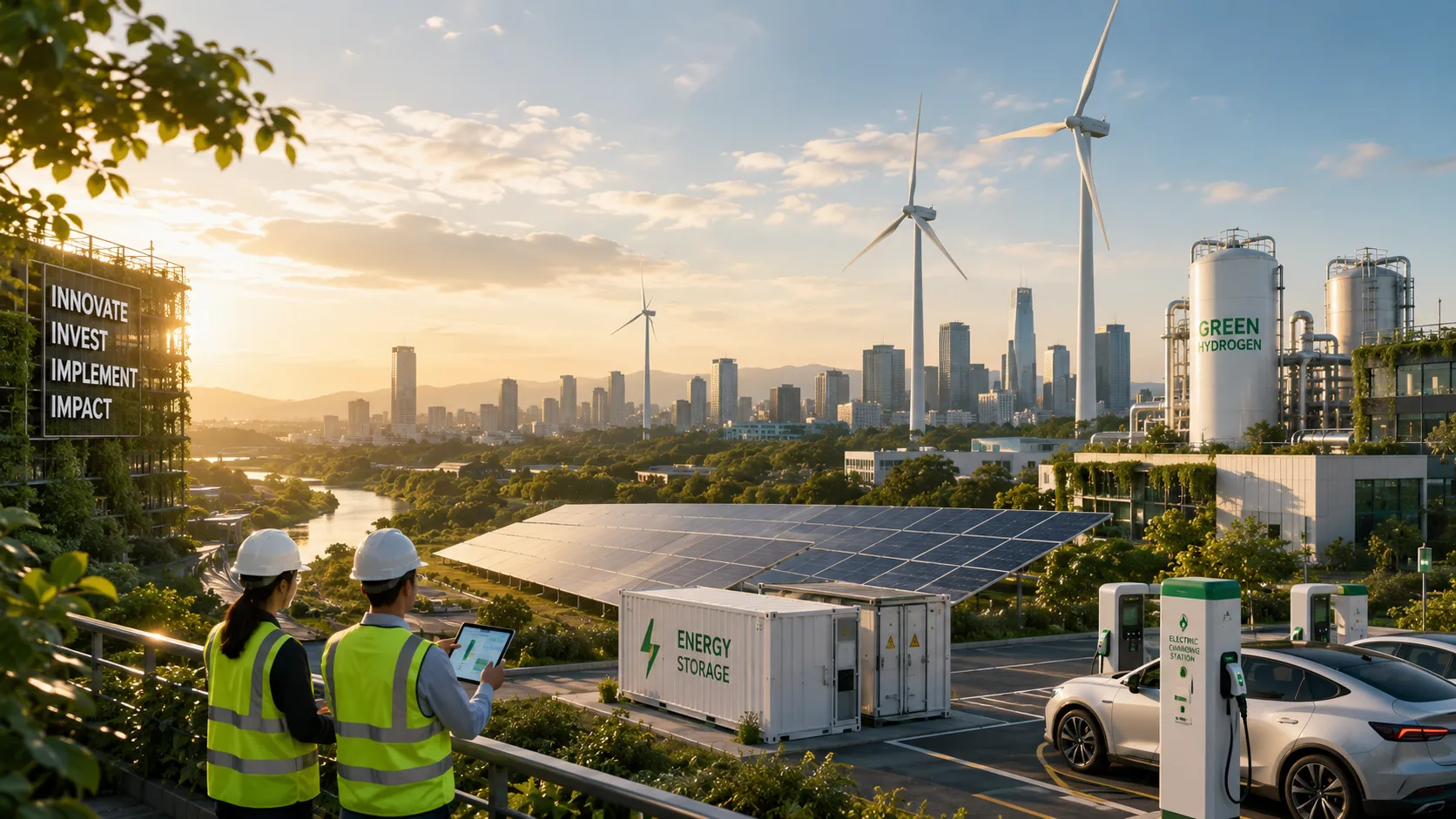
For years, climate conversations often unfolded through activism, policy discussions and global awareness campaigns. Public movements pushed environmental issues into mainstream attention, climate summits created urgency around emissions targets and younger generations increasingly amplified concerns around sustainability and ecological responsibility. These efforts played a critical role in changing public awareness. They helped shift climate change from a niche scientific issue into a broader societal conversation. Yet while awareness expanded significantly, another question increasingly began to emerge beneath those discussions: what happens after awareness?
Increasingly, the answer appears to involve execution. Across multiple industries and markets, climate innovation is gradually moving beyond advocacy and entering a different phase defined by deployment, infrastructure and business viability. Climate solutions today increasingly involve technologies, startup ecosystems and investment models designed not simply to discuss sustainability, but to operationalize it. The larger shift may involve climate action itself moving from broad intention toward systems capable of creating measurable outcomes.
Recent global investment trends increasingly support this transition. Despite broader venture funding slowdowns affecting several technology sectors, climate technology continued attracting significant investor attention over the last few years. Categories involving battery systems, carbon management, industrial decarbonization, clean energy infrastructure and sustainable materials increasingly emerged as areas receiving long-term investment commitments. While enthusiasm around climate once centered heavily on mission and values, investors today increasingly appear focused on scalability, commercial viability and operational impact.
Part of this transition reflects changing realities surrounding climate itself. Extreme weather events, heatwaves, supply-chain disruptions and energy concerns increasingly influence economies directly. Climate challenges are no longer viewed only through environmental frameworks. Increasingly, they are being treated as infrastructure, business and economic issues capable of affecting multiple sectors simultaneously.
This shift matters because industries frequently respond differently when issues become operational rather than conceptual. Businesses often adapt more rapidly when environmental challenges begin influencing productivity, costs and long-term planning decisions. Climate innovation increasingly appears positioned precisely within this environment.
Across India and globally, a growing number of startups are now building businesses around highly practical climate challenges. Rather than focusing exclusively on awareness campaigns, entrepreneurs increasingly create systems involving renewable energy platforms, sustainable agriculture technologies, water optimization tools and industrial efficiency solutions. Climate innovation itself increasingly appears fragmented into highly specific operational categories.
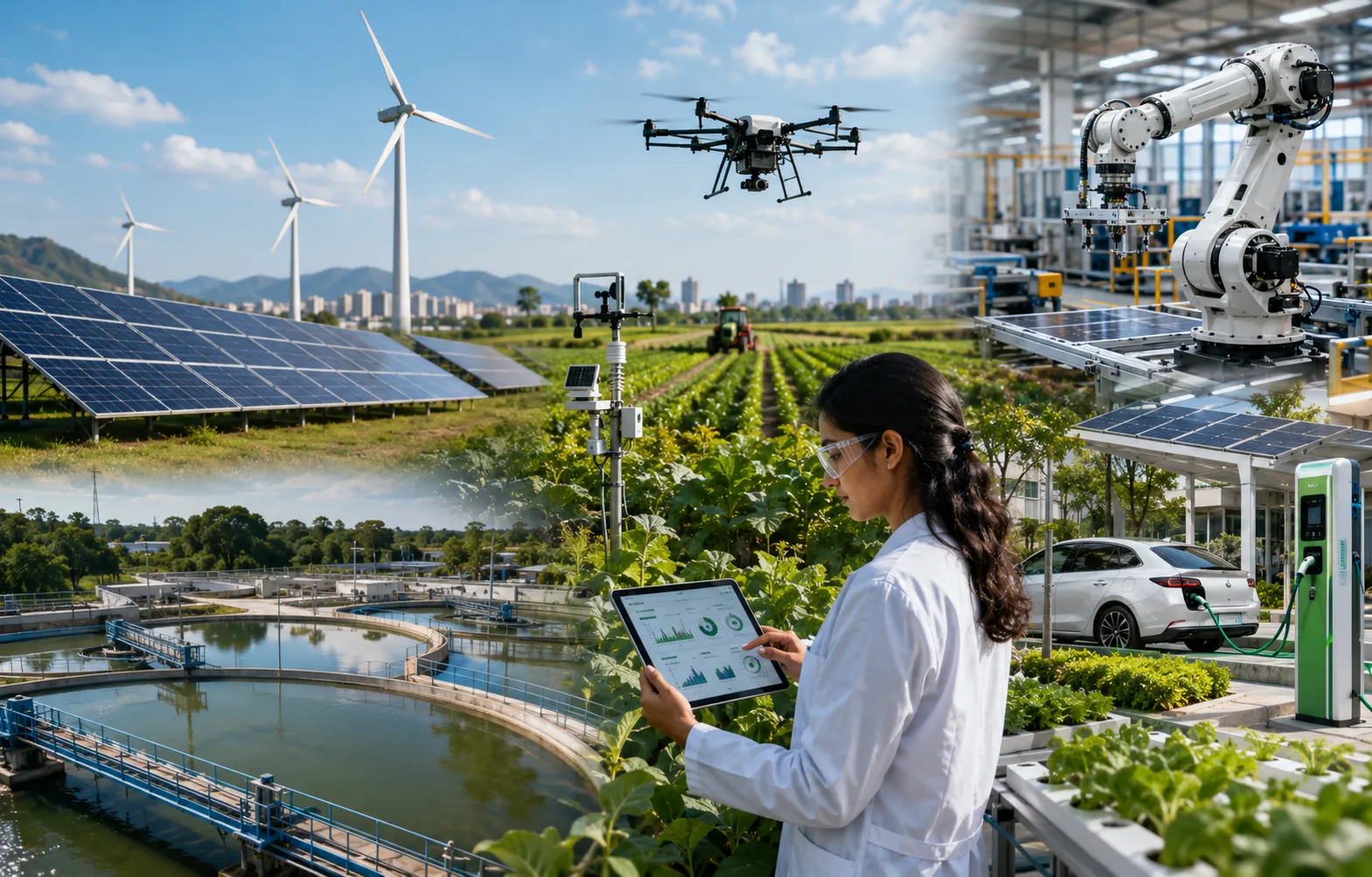
India’s startup ecosystem increasingly reflects this broader trend. Climate-focused ventures across electric mobility, agritech, battery infrastructure and clean energy continue attracting stronger investor attention. Several climate technology companies recently raised substantial capital as investors increasingly identified sustainability-linked sectors as long-term opportunities rather than temporary themes. Reports from climate investment trackers and venture ecosystems increasingly suggest that India’s climate technology market could expand significantly over the coming decade as infrastructure transitions accelerate.
Another important change involves the relationship between climate and profitability itself. Earlier narratives frequently positioned sustainability and commercial growth as competing priorities. Climate action often appeared framed as responsibility while business objectives remained separate conversations. Increasingly, however, those boundaries appear less distinct.
Businesses today increasingly recognize that efficiency itself often creates sustainability outcomes. Reducing waste lowers costs. Cleaner technologies frequently improve operational performance. Alternative materials can reduce both environmental impact and long-term dependency risks. What initially appeared like environmental responsibility increasingly becomes connected to strategic business decisions.
This shift is particularly visible across industrial environments. Manufacturing systems increasingly experiment with energy optimization tools. Agricultural technologies continue exploring water-efficient solutions. Companies operating within logistics and mobility increasingly seek cleaner transportation models. Rather than functioning as isolated environmental projects, climate initiatives increasingly appear integrated into core operating strategies.
Perhaps one of the strongest indicators of change involves investor behavior itself. Venture capital historically followed categories demonstrating growth potential and market opportunity. Increasingly, climate technology appears receiving attention not only because of environmental urgency but because investors increasingly believe large-scale businesses may emerge from solving sustainability challenges.
Major global funds, sovereign investment ecosystems and startup accelerators continue increasing exposure to sectors involving carbon reduction, energy transition and climate infrastructure. Investment activity increasingly signals confidence that climate technologies may eventually become foundational business categories rather than specialized alternatives.
Importantly, activism itself has not disappeared. Public movements continue influencing awareness, policy conversations and accountability. But the relationship between activism and innovation increasingly appears to be evolving.
Activism created urgency.Technology increasingly creates implementation pathways.Business models increasingly create scale.The broader significance of this transition may therefore extend beyond climate itself.
Historically, many large societal issues remained trapped between awareness and action. Climate innovation increasingly suggests that meaningful transformation may require both cultural momentum and operational systems capable of translating urgency into execution.
Because the next phase of climate action may not simply involve asking people to care.Increasingly, it may involve building systems that make action easier.