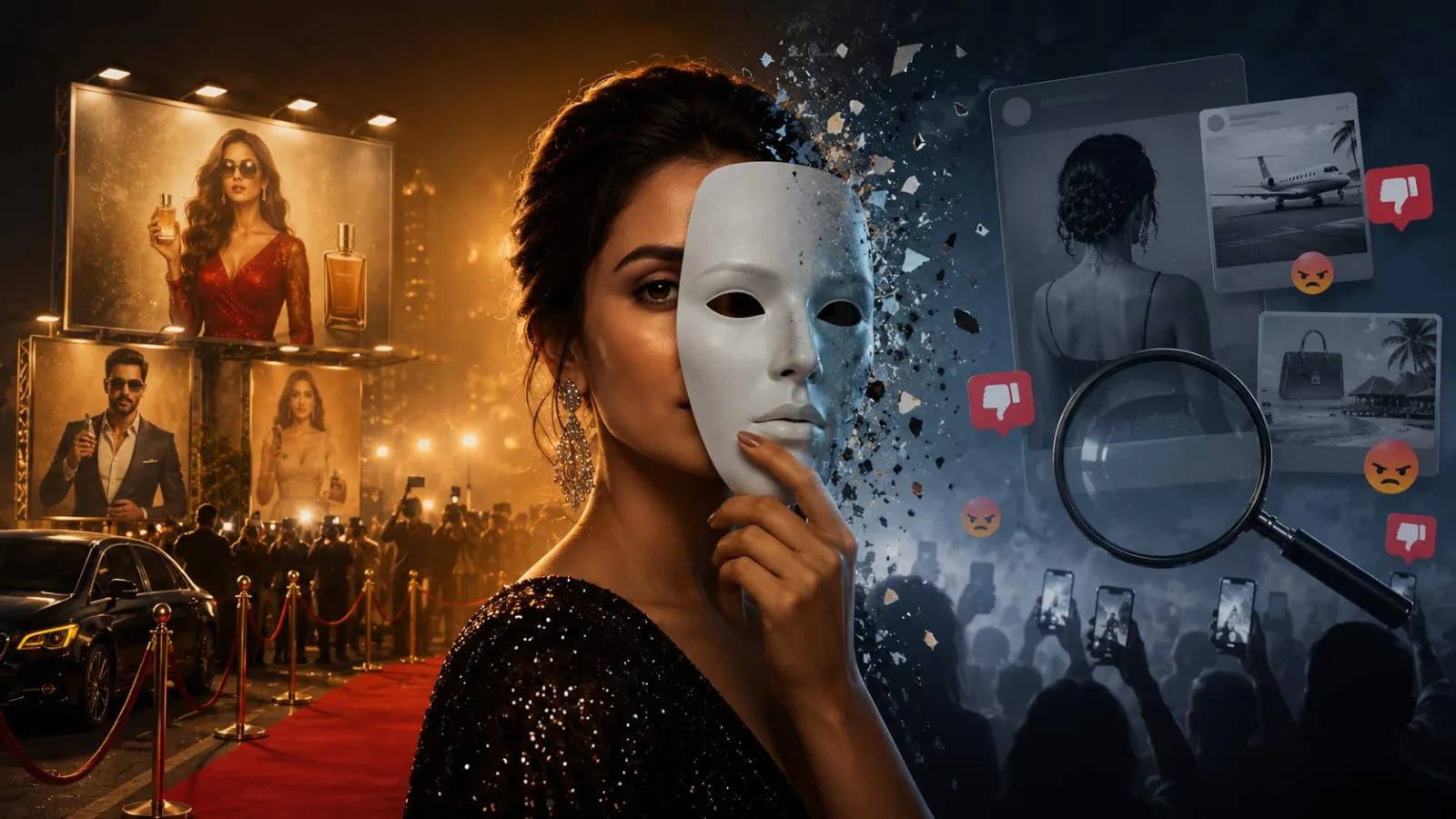
Audiences Once Accepted Celebrity Endorsements As Part Of Fame. Now Many People Are Beginning To Question Whether Modern Celebrity Culture Feels Too Manufactured To Trust
For years, celebrity advertising in India followed a relatively predictable formula. Actors appeared in television commercials, luxury campaigns, billboards and product launches because fame itself naturally translated into commercial influence. Audiences largely accepted endorsements as part of the entertainment ecosystem because cinema stars traditionally occupied aspirational positions inside Indian society. Brands benefited from visibility, celebrities expanded their market value and entertainment media amplified the cycle because celebrity culture itself depended heavily on public image.
That system is now facing visible strain online.
Across Instagram, YouTube, X and entertainment media platforms, Indian audiences are increasingly criticizing what they describe as “manufactured PR,” excessive advertising integration and overly curated celebrity personas. Influencer-style promotions, sponsored paparazzi appearances, orchestrated relationship rumors and constant brand collaborations are triggering growing fatigue because many viewers feel celebrity culture is becoming less authentic and more aggressively commercialized. What once looked glamorous is increasingly being interpreted as strategic image management.
The backlash reflects a deeper shift in how audiences consume fame.
Earlier generations encountered celebrities through films, interviews and occasional public appearances because access itself remained limited. Mystery often strengthened stardom because audiences only saw curated fragments of a celebrity’s life. Social media completely changed that relationship. Today stars appear constantly through reels, airport videos, gym sightings, podcasts, skincare routines, paid partnerships and promotional content because entertainment culture now rewards nonstop visibility. The result is that audiences no longer experience celebrities as distant icons alone. They experience them as continuous digital presences.
And continuous visibility often creates overexposure.
Many viewers now feel celebrity content rarely appears spontaneous anymore because almost every public interaction gets interpreted through a marketing lens. A vacation post may look like a luxury collaboration. A candid paparazzi moment may feel staged. A public relationship may be viewed as promotional timing linked to a film release. Whether those assumptions are always true or not, audience skepticism itself has grown dramatically because people increasingly understand how modern PR ecosystems operate behind the scenes.
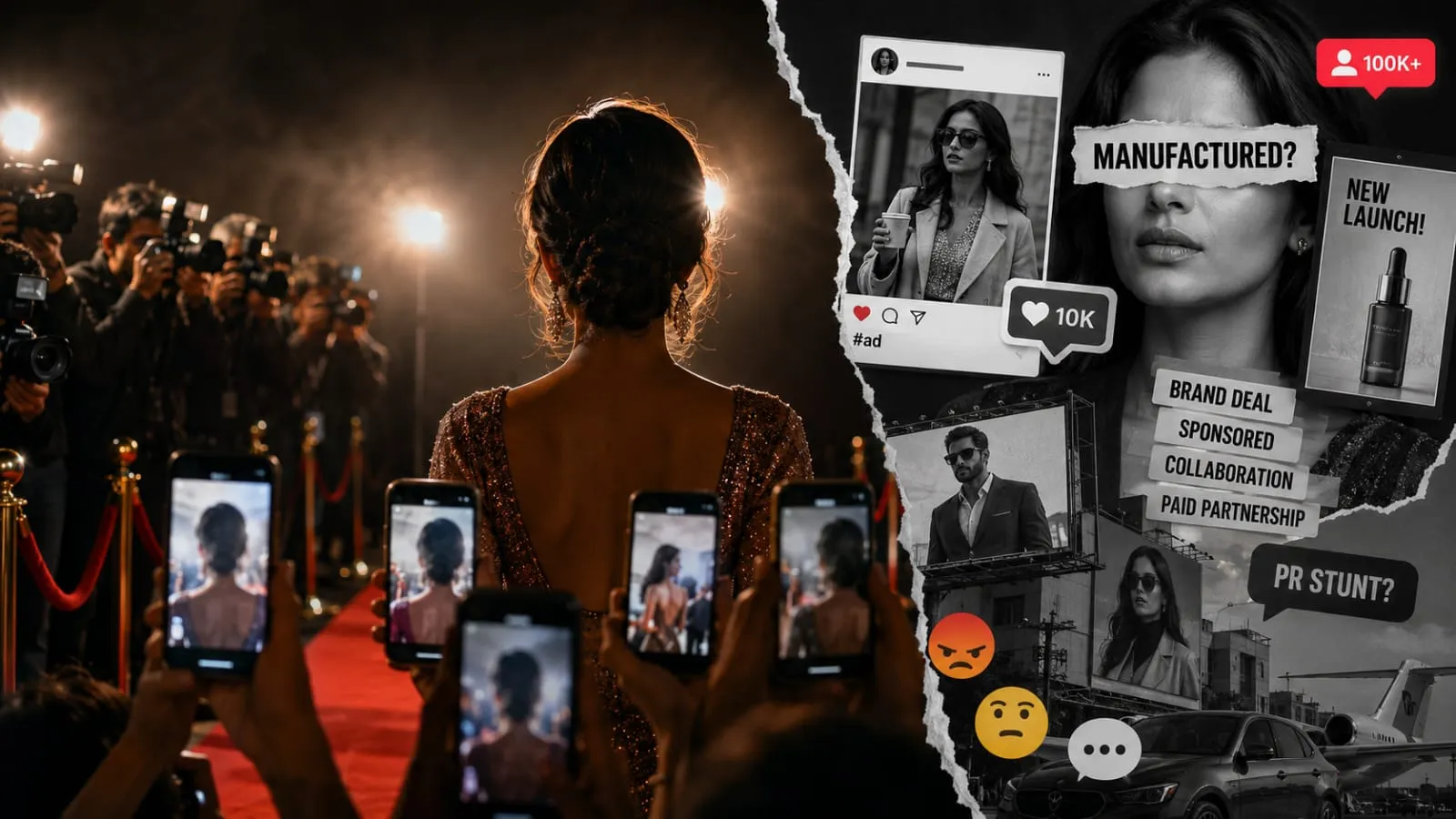
This is especially visible around brand endorsements.
Indian celebrities today endorse an enormous range of products simultaneously because advertising economics have expanded far beyond traditional television campaigns. Actors now promote fintech apps, gaming platforms, luxury fashion, health supplements, beauty products, betting-linked fantasy sports apps and dozens of lifestyle brands at once across social media ecosystems. While endorsement culture has always existed, audiences increasingly criticize the sheer volume and inconsistency of these partnerships because consumers now expect personal authenticity alongside visibility.
The criticism becomes sharper when celebrity branding appears disconnected from reality.
Audiences frequently mock wellness campaigns, sustainability messaging or “relatable” lifestyle content when it feels excessively polished or commercially motivated. Younger internet users especially tend to value transparency and internet-native authenticity because social media culture rewards personalities who appear emotionally direct and self-aware. As a result, heavily managed celebrity images sometimes struggle online against creators, comedians or influencers who feel more spontaneous and culturally current.
Entertainment media itself has also become part of the backlash conversation.
Paparazzi culture exploded across India over the last decade because celebrity visibility increasingly generates digital engagement. Airport looks, gym exits and restaurant sightings became everyday entertainment content because platforms reward speed, familiarity and repeat visibility. However, many audiences now openly criticize what they see as repetitive publicity cycles where celebrities appear constantly in highly controlled environments designed for online circulation. The phrase “PR stunt” has practically become part of internet vocabulary because viewers increasingly assume strategic intent behind celebrity visibility.
This shift does not necessarily mean celebrity influence is disappearing.
Major stars still command enormous audiences, massive opening weekends and significant advertising power because cinema culture remains deeply influential in India. But the emotional relationship between audiences and fame appears to be evolving. People increasingly admire talent while simultaneously distrusting image construction because digital culture exposes how carefully celebrity narratives are often managed. Fame itself is becoming more transparent, and transparency can weaken illusion.
Interestingly, the backlash is also being driven by changing audience identity.
Younger Indians today consume entertainment from far more diverse ecosystems than previous generations because streaming platforms, creators, podcasts and short-form content now compete directly with traditional celebrity culture. Audiences no longer depend entirely on movie stars for aspiration, humor or lifestyle influence because creators and online personalities often feel more accessible and relatable. Celebrity authority therefore faces stronger competition than before, particularly among Gen Z users who tend to value personality over perfection.
In many ways, the criticism reflects a larger internet-era transformation.
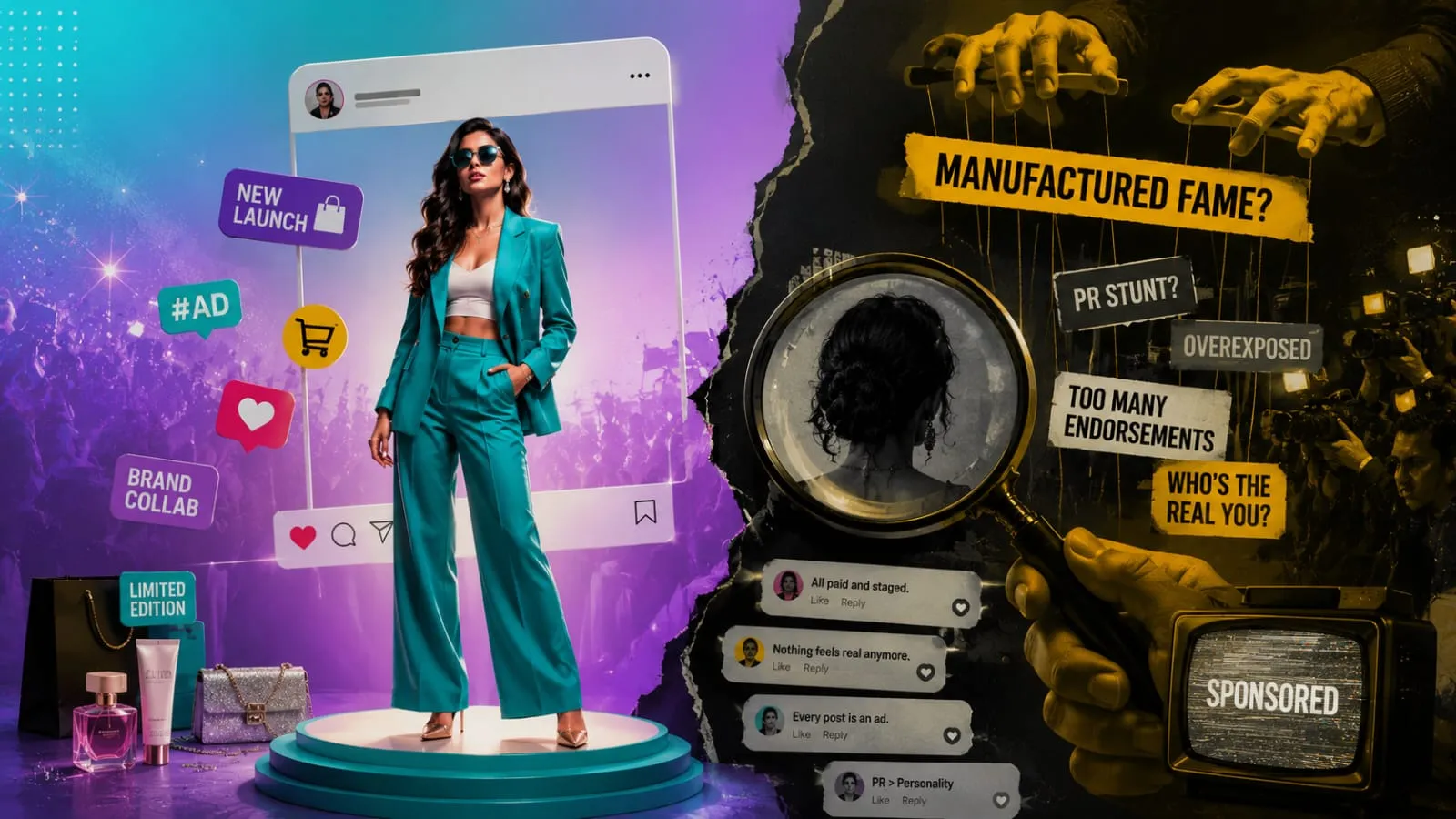
Digital audiences today are extremely fluent in branding language because people constantly encounter algorithms, sponsorships and influencer marketing online. Consumers recognize product placement faster, identify promotional timing more easily and discuss PR strategies publicly in real time. This creates an environment where celebrity image-making can no longer remain invisible in the way it once did. The machinery behind fame itself has become part of the entertainment conversation.
The future of celebrity culture in India may therefore depend less on visibility alone and more on credibility.
Audiences still enjoy glamour, fashion and aspirational storytelling because celebrity fascination has not disappeared. But viewers increasingly reward personalities who appear emotionally genuine, culturally aware and less excessively manufactured. Stars who balance visibility with authenticity may ultimately navigate this shift more successfully than those relying entirely on relentless promotion cycles.
Because in the social media era, people are not only watching celebrities anymore.
They are also watching the strategy behind the celebrity.