The 20-Year Bet That Became a Global Movement
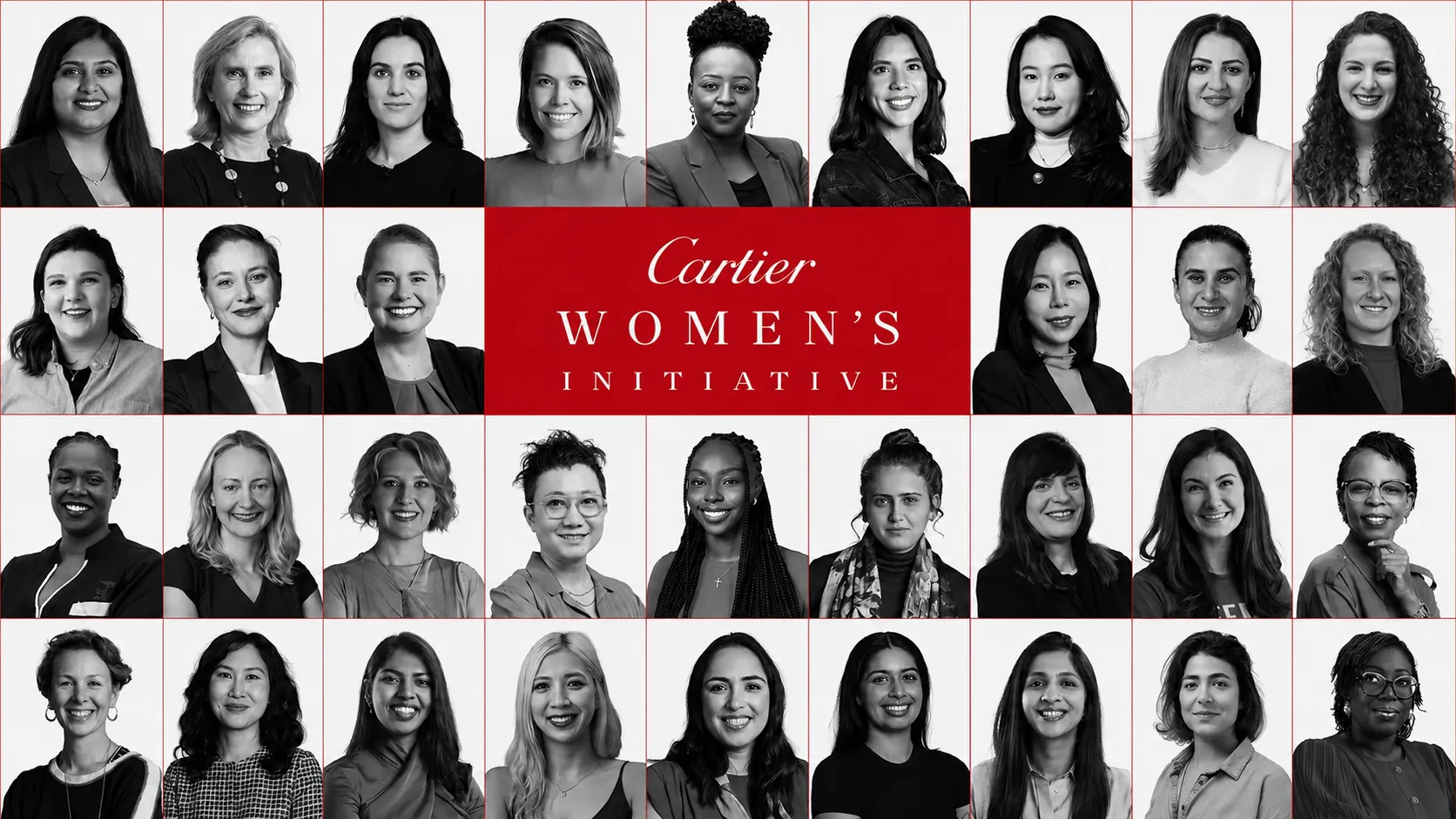
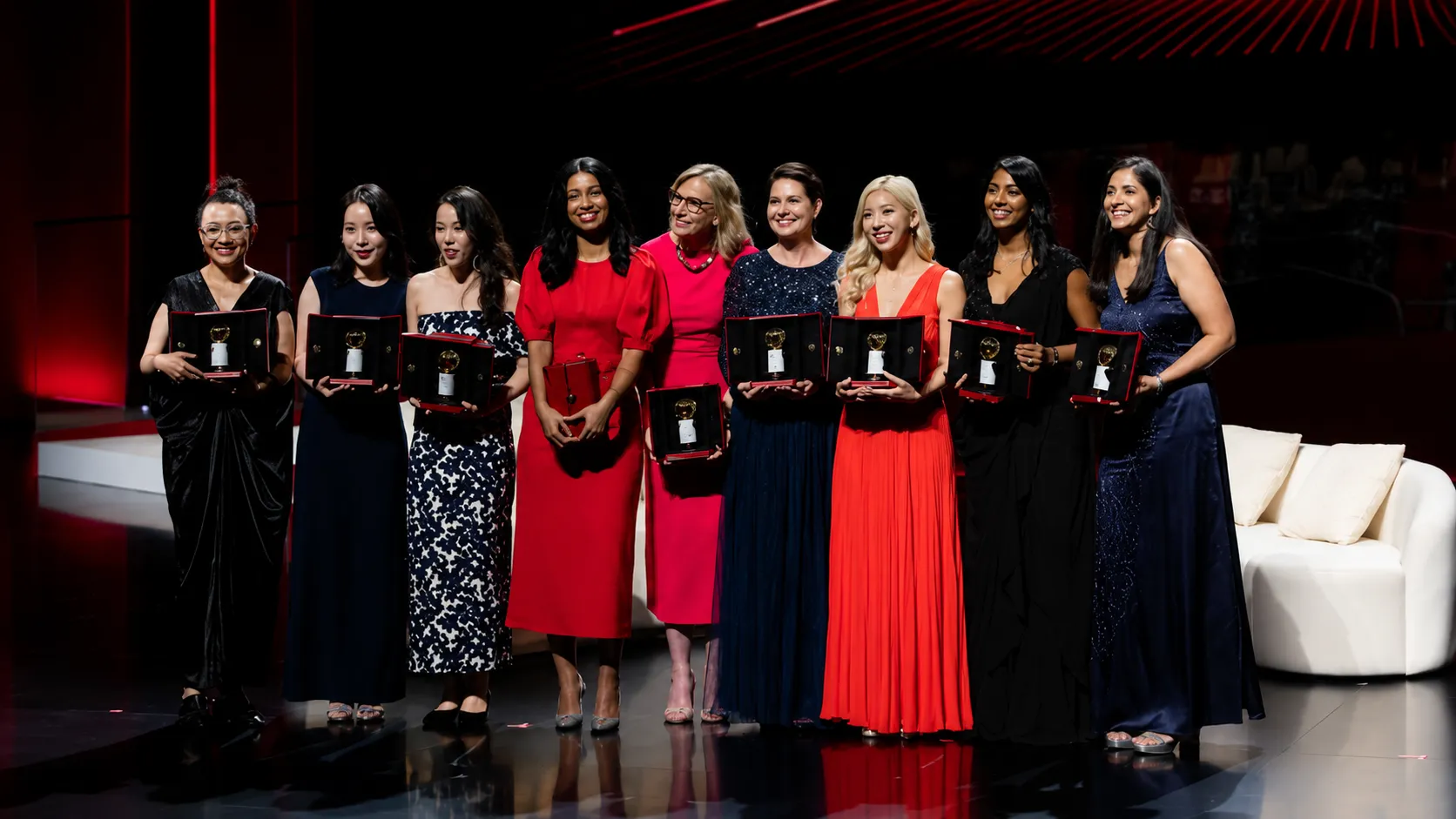
Twenty years ago, Cartier launched a programme that seemed radical for a luxury jewellery house: support women entrepreneurs tackling social and environmental challenges, with no expectation of commercial return. The bet, as it turned out, paid off. The Cartier Women's Initiative celebrated its 20th anniversary on June 10, 2026, at an awards ceremony in Bangkok, Thailand, honouring 30 new fellows from 19 countries under the theme "Lighting the Path".
The numbers are not just impressive. They are a quiet revolution. Since its inception in 2006, the programme has supported 330 women impact entrepreneurs from 67 countries, disbursed more than $14.1 million in grant funding, and built a community of over 520 active members across nearly 80 countries. More tellingly, 66 per cent of supported ventures are still operational, and 9 per cent have been merged or acquired—a track record that would make most venture capital firms envious.
The programme's survival and growth speak to a fundamental truth: impact and business can thrive together, and women are leading the way.
The Architecture of Acceleration
The Cartier Women's Initiative is not a cheque-writing exercise. In 2020, the programme shifted from recognising excellence to accelerating it, introducing a year-long fellowship developed in partnership with INSEAD business school. Fellows receive academic training in entrepreneurship and leadership, one-to-one business coaching, executive development, and—crucially—community support.
The financial structure is clear. Across 10 award categories (nine regional and one Science & Technology Pioneer Award), the top three finalists receive grants: $100,000 for first place, $60,000 for second, and $30,000 for third. But the funding is only part of the equation. The fellowship wraps recipients in training, media visibility, and a global network that 97 per cent of 2024 fellows said increased their self-confidence, while 94 per cent reported stronger business skills.
Cyrille Vigneron, Cartier's chairman of culture and philanthropy, told The Straits Times: "The question at the beginning was, 'Can the programme survive?' But it not only survived, it thrived, because it moved from a one-off award-giving to building a community".
The Sisterhood That Scales
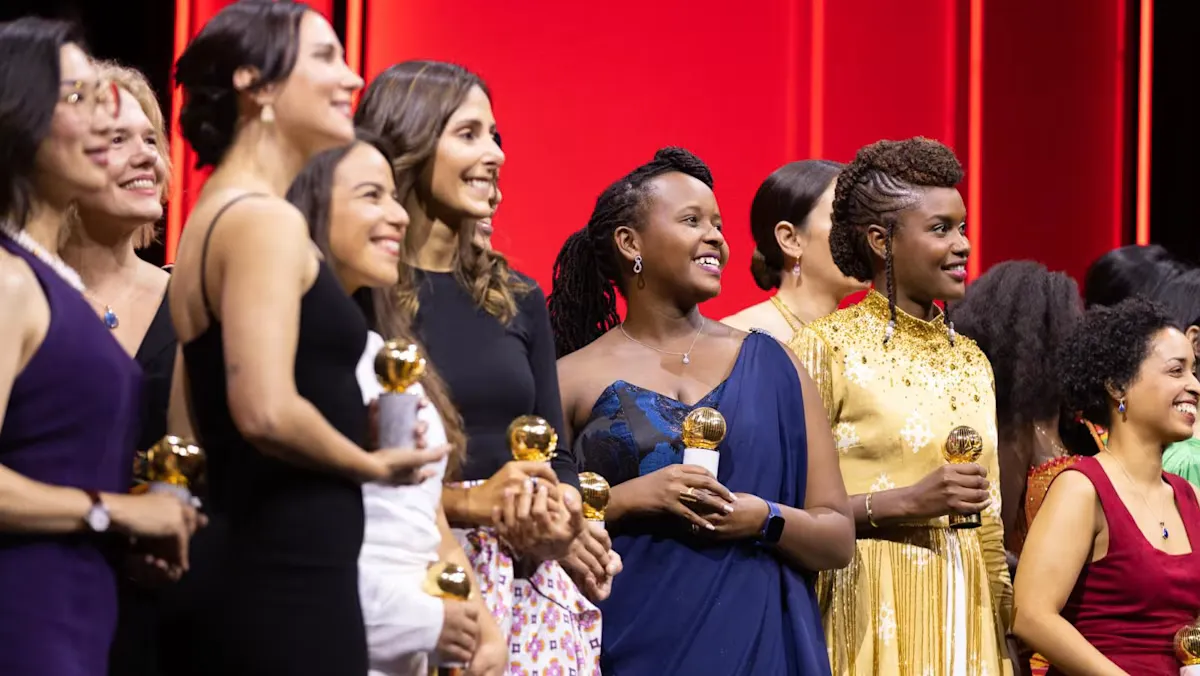
The community is perhaps the programme's most valuable asset. Kiyo Taga, global programme director of CWI, describes it as a "sisterhood"—a support system for entrepreneurs who often feel isolated. "It's a really lonely business to be an impact entrepreneur, so to feel that you have support and people you can lean on and call, it's really a sisterhood," she told CNA Luxury.
The stories bear this out. At the 2025 Impact Awards Week, two fellows—Kresse Wesling of Elvis & Kresse and Mariam Torosyan of Safe YOU—met for the first time. Within 24 hours, they had designed a collaboration: a bracelet made from recycled fire hose, with proceeds funding Torosyan's app that protects women from gender-based violence. Wesling explained the speed: "Where governments tend to be slow, impact entrepreneurs can be very quick".
The network extends beyond fellow-to-fellow connections. Dr Lynne Lim, a Singaporean surgeon who developed the world's first handheld device for ear surgery, was the first-prize winner of the Science & Technology Pioneer Award in 2024. A jury member she met through CWI later joined her company's advisory board, providing strategic guidance as NousQ expanded into new markets. Mint Lim, a 2023 fellow who founded an inclusive learning centre, described how the programme shifted her perception: "For once, this girl from the Little Red Dot had resources beyond the Little Red Dot".
The impact is measurable. According to CWI's 2025 Fellow Survey, 76 per cent of recent fellows reported increased revenue, 44 per cent expanded into new markets, and 66 per cent secured additional financing.
Why Women, Why Now?
Homing in on women entrepreneurs was a deliberate choice. Women make up about 70 per cent of Cartier's workforce, and women like Jeanne Toussaint—the creative director who cemented the brand's Panther motif—have shaped its history. As customers, women have long dominated the maison's clientele. But the rationale goes deeper. Vigneron explained: "Women entrepreneurs want to be successful, but by fixing issues which are important to them".
The programme also addresses structural barriers that persist. Gender bias means women are often seen as riskier investments than male entrepreneurs. Cultural expectations that women care for family can leave them spread too thin to run demanding businesses. In 2024, CWI introduced a parental stipend to cover childcare costs for mothers attending the programme—a small but significant recognition of the caregiving burden that disproportionately falls on women.
The 2026 cohort reflects the evolution of the programme. For the first time, CWI recognised a fellow from Nepal—a quiet but significant marker of how the initiative is reaching communities where barriers to women's entrepreneurship remain highest.
The 2026 Fellows: Solving Global Challenges
This year's 30 fellows are addressing some of the world's most urgent problems across health, climate, sustainability, and social equity.
Cristina Campero Peredo of Mexico founded PROSPERiA, whose AI platform screens patients for sight-threatening conditions in minutes at primary care clinics. It has screened over 150,000 patients, detecting vision-threatening conditions in 57 per cent of cases—more than half of whom had never received eye care before.
Keely Cat-Wells of the United States built Making Space, a talent acquisition platform connecting disabled professionals to employers through accessible training. It has already boosted participants' projected lifetime earnings by more than $1.1 million each.
Alba Forns of the United States co-founded Climatize, a financial platform that lets anyone invest in renewable energy projects from as little as $10. It has channelled over $14 million into clean energy, with more than 3,000 investors helping to avoid an estimated 300,000 tonnes of emissions.
Natalia Cano of Colombia co-founded Docokids, a service delivering 24/7 expert childcare guidance through WhatsApp. It has answered more than 450,000 questions across 39 countries and reduced unnecessary emergency room visits by 91 per cent.
Three Australian fellows also earned their place in the 2026 cohort: Alexandra Cannizzaro (Platform Zero, tackling food waste), Rosie Dumbrell (Everform Therapywear, femtech solutions), and Ruby Riethmuller (Womn-Kind, mental health for girls and gender-diverse young people).
The Business Case for Impact
Cartier is not shy about the programme's lack of commercial return. Vigneron told The Straits Times: "It's not a commercial thing, it doesn't change what we do, which is to make beautiful products for beautiful people. Nor does it reap any returns for Cartier, except in joy or kindness". But the initiative answers an existential question: "Who are we?" In a world where luxury brands are visible everywhere, Vigneron argues that "our responsibility is to say, 'Let's try to do some good with it'".
The programme's budget grew from roughly $1 million to $12 million after Vigneron restructured it in 2017. The investment has paid off in impact metrics: 80 per cent of alumni businesses have stayed operational for more than a decade. As governments cut funding to philanthropic sectors, social entrepreneurs become more important—and CWI is supporting their self-sustaining solutions.
What's Next
Applications for the 2027 edition are open until June 16, 2026, with the next awards ceremony scheduled for Amsterdam. The programme continues to evolve, incorporating feedback from fellows. Recent additions include training on AI and technology, a greater focus on wellness and mental health support, and the parental stipend.
Taga, who took over as global programme director in 2025, told CNA Luxury: "We really take to heart the feedback we have every year. It's constantly evolving, and we remove elements that are no longer serving the fellows because times are changing". She also noted a growing trend toward AI across the 2026 cohort, with many fellows using artificial intelligence to democratise access to healthcare and education.
Twenty years on, the conviction has not wavered—it has deepened. The theme "Lighting the Path" is not merely poetic. It is a description of what these women do every day: move forward through uncertainty, build where others see only obstacles, and in doing so, illuminate a route for everyone who follows.


