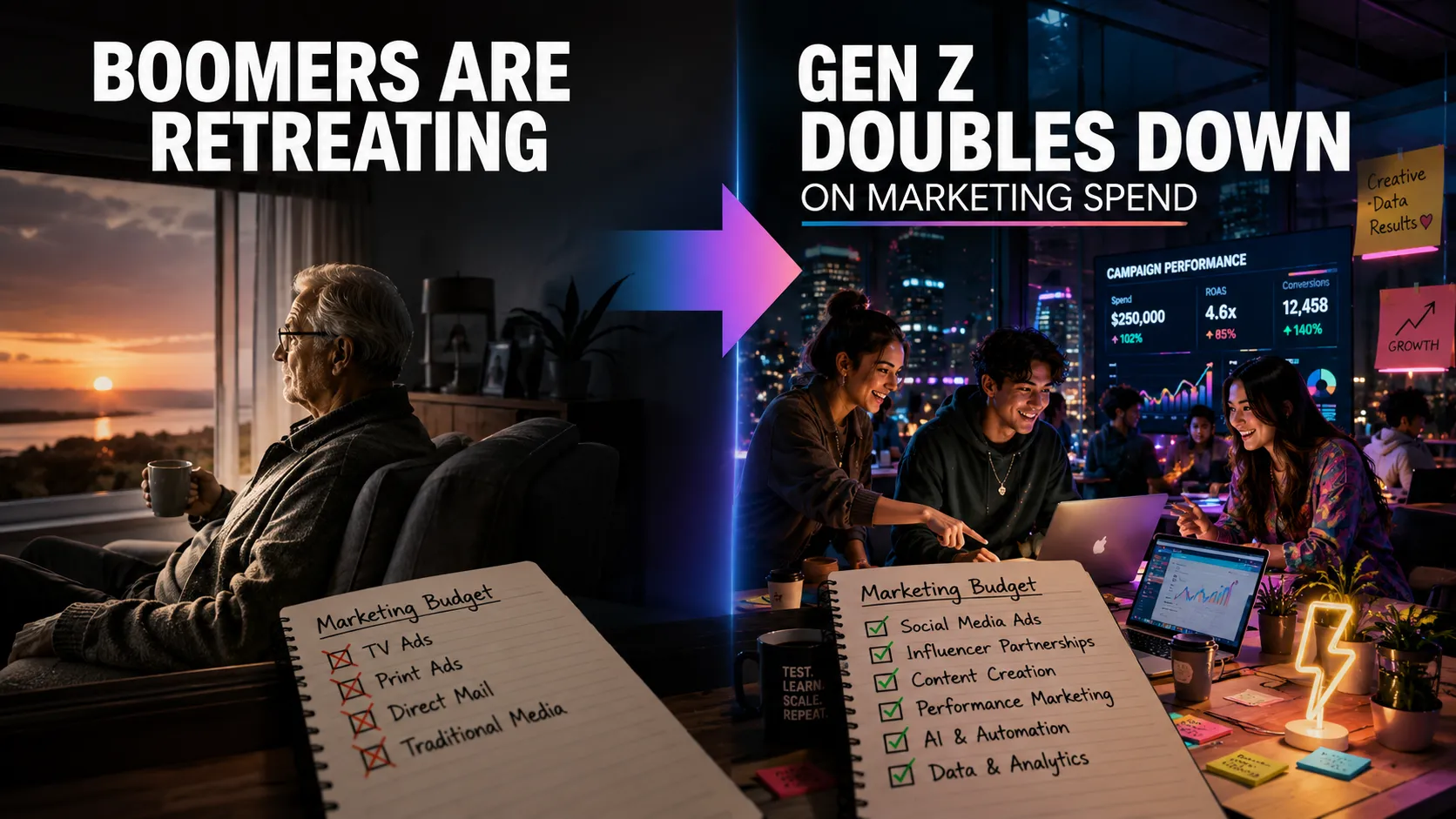
A Generational Spending Shift Is Beginning To Reshape How Brands Think About Growth
For years, marketing systems frequently operated through relatively familiar assumptions surrounding consumer behavior. Brands often built campaigns around broad demographic categories because purchasing patterns frequently appeared predictable across age groups and media environments. Older consumers frequently represented stable spending segments because they often possessed stronger purchasing power and established brand relationships, while younger audiences frequently appeared positioned as future consumers still growing into economic influence. As a result, many businesses frequently designed long-term strategies assuming spending patterns would evolve through relatively familiar life stages.
Over recent years, however, another transition increasingly appears unfolding beneath broader consumer ecosystems. Across several industries, younger generations increasingly seem demonstrating stronger willingness to spend around identity-driven products, digital experiences and community-influenced purchasing environments. Simultaneously, many older consumers increasingly appear becoming more cautious amid economic uncertainty, inflation pressures and changing financial priorities. What initially looked like temporary shifts increasingly resembles a broader transformation involving how different generations increasingly understand value itself.
Viewed independently, changes in spending behavior may initially appear like another market cycle involving age demographics. Viewed through a broader impact lens, however, they increasingly raise larger questions involving culture, loyalty and how economic participation itself may be changing.
Younger Consumers Increasingly Appear Spending Through Identity Rather Than Habit
Historically, many purchasing environments frequently depended heavily upon habit because consumers often developed long-term relationships with products and brands over time. Purchasing behavior frequently became routine because familiarity itself often created confidence and predictability.
Increasingly, however, younger audiences appear approaching spending differently. Gen Z consumers increasingly continue interacting with products through creators, communities and social ecosystems where purchasing frequently becomes connected to identity expression rather than repetition alone. Products increasingly appear functioning as signals involving values, belonging and personal culture.
This transition increasingly matters because brands frequently build differently once consumers begin purchasing through emotional alignment rather than simple familiarity. Companies increasingly appear operating inside environments where cultural relevance itself often becomes as important as product visibility.
Economic Uncertainty Increasingly Appears Creating Different Generational Responses
Part of the significance surrounding this broader shift increasingly involves how generations themselves respond differently during uncertain economic periods. Historically, spending behavior frequently followed relatively recognizable patterns because broader economic environments often affected consumers similarly across demographic groups.
Increasingly, however, responses appear becoming more uneven. Older generations increasingly seem prioritizing caution, savings behavior and financial stability because retirement planning and long-term security frequently influence decision-making differently. Younger audiences, however, increasingly continue allocating spending toward experiences, digital products and community-driven environments despite broader uncertainty.
This broader transition increasingly matters because spending itself frequently reflects psychology as much as economics. Different generations often interpret value through entirely different experiences shaped by technology, work culture and broader social realities.

Marketing Platforms Increasingly Appear Following Younger Attention Systems
Another important dimension emerging beneath these changes increasingly involves where attention itself now exists. Historically, traditional advertising frequently followed channels where broader audiences gathered through television, newspapers and large institutional media systems.
Increasingly, however, younger consumers increasingly continue spending time inside decentralized environments involving creators, short-form content and digital communities. Platforms increasingly follow participation rather than broadcasting because attention itself frequently moves through interaction rather than interruption.
This transition increasingly matters because marketing ecosystems frequently evolve around behavior itself. Businesses increasingly appear recognizing that visibility increasingly depends less on reaching everyone and increasingly on reaching communities already shaping influence.
The Bigger Story May Not Be About Spending Alone
Perhaps that explains why this broader transition increasingly feels larger than demographic purchasing behavior alone. Because beneath conversations involving marketing spend ultimately exists another reality involving cultural power itself. Historically, economic influence frequently followed age and accumulated purchasing strength.
Increasingly, however, influence itself appears moving differently. Younger audiences frequently shape trends before controlling the largest wallets. Communities frequently influence purchasing before formal advertising arrives. Culture increasingly appears determining behavior before traditional systems fully recognize those changes.
The larger impact story therefore may not simply involve Boomers becoming more cautious while Gen Z continues spending aggressively. Increasingly, it may involve recognizing that future marketing environments may increasingly depend less on reaching the largest audiences and more on understanding the communities already shaping what happens next.